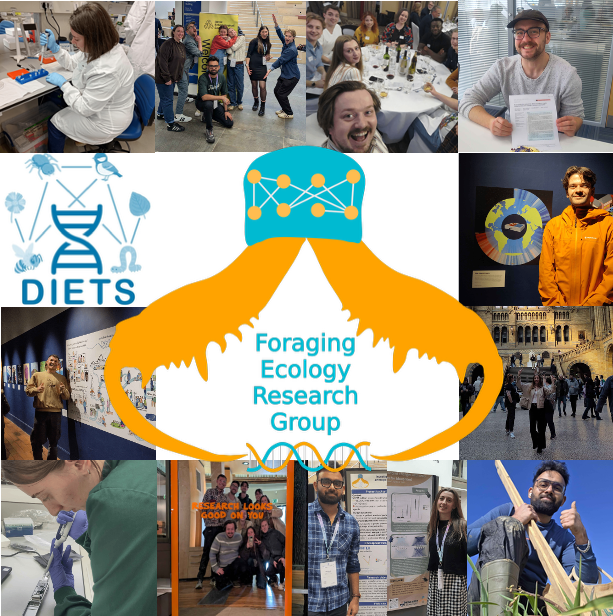
With fieldwork countdowns ticking and teaching slowly starting to wrap up for the academic year, we’ve had loads of exciting things coming into full bloom this month, much like the flowering plants dotting the trees, parks and roadsides throughout Newcastle!
If you want to keep up with our updates every month (and in between), you can sign up to email alerts below!
The return of spring also brings the return of Rosy’s Spider Spies project! Keep your eyes peeled for flower crab spiders while you’re out and about – any pictures (and, if possible, the spiders themselves) will be greatly appreciated. We even have special stickers for the project now for keen embassadors! Rosy will be talking about the project online for EntoLIVE on 2nd June, so make sure you register to attend/get the link afterwards!
This month also saw us officially announce and launch the Dietary Interactions in Ecology Through Sequencing Symposium! Be sure to check it out and come along for an incredible week covering the interface of trophic and molecular ecology! Registration and abstract submissions are now open and we’ve had a lot of interest already! Be sure to book in early to attend the workshop and excursion, which have limited spaces!
Outputs and outcomes
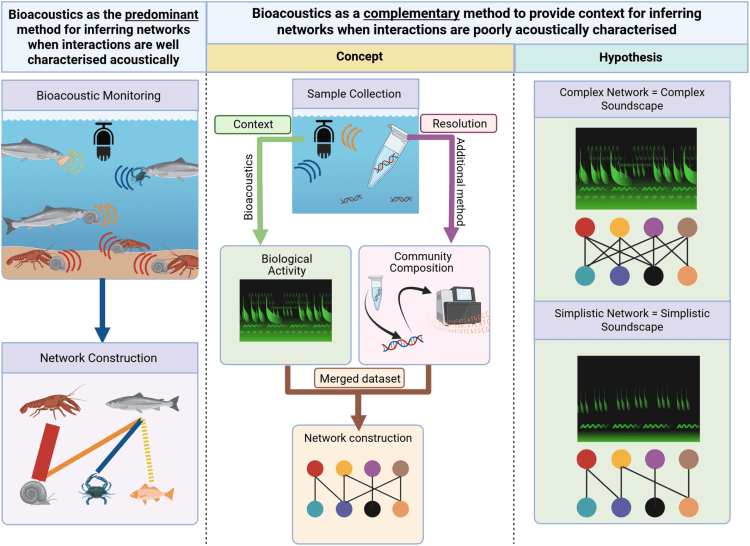
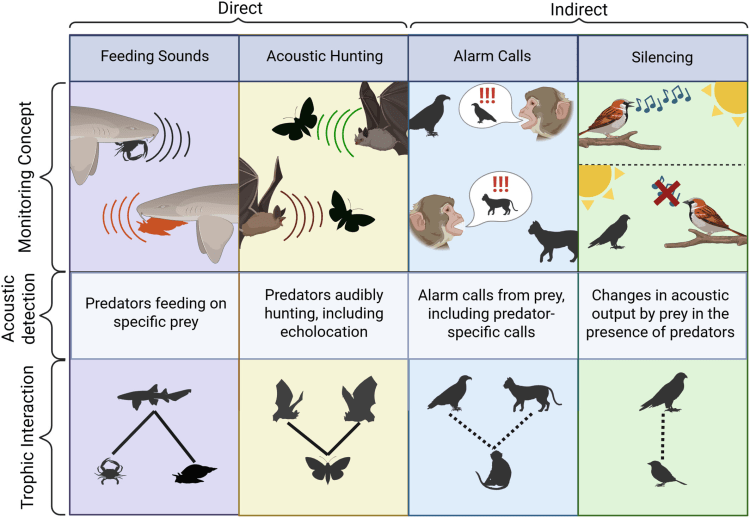
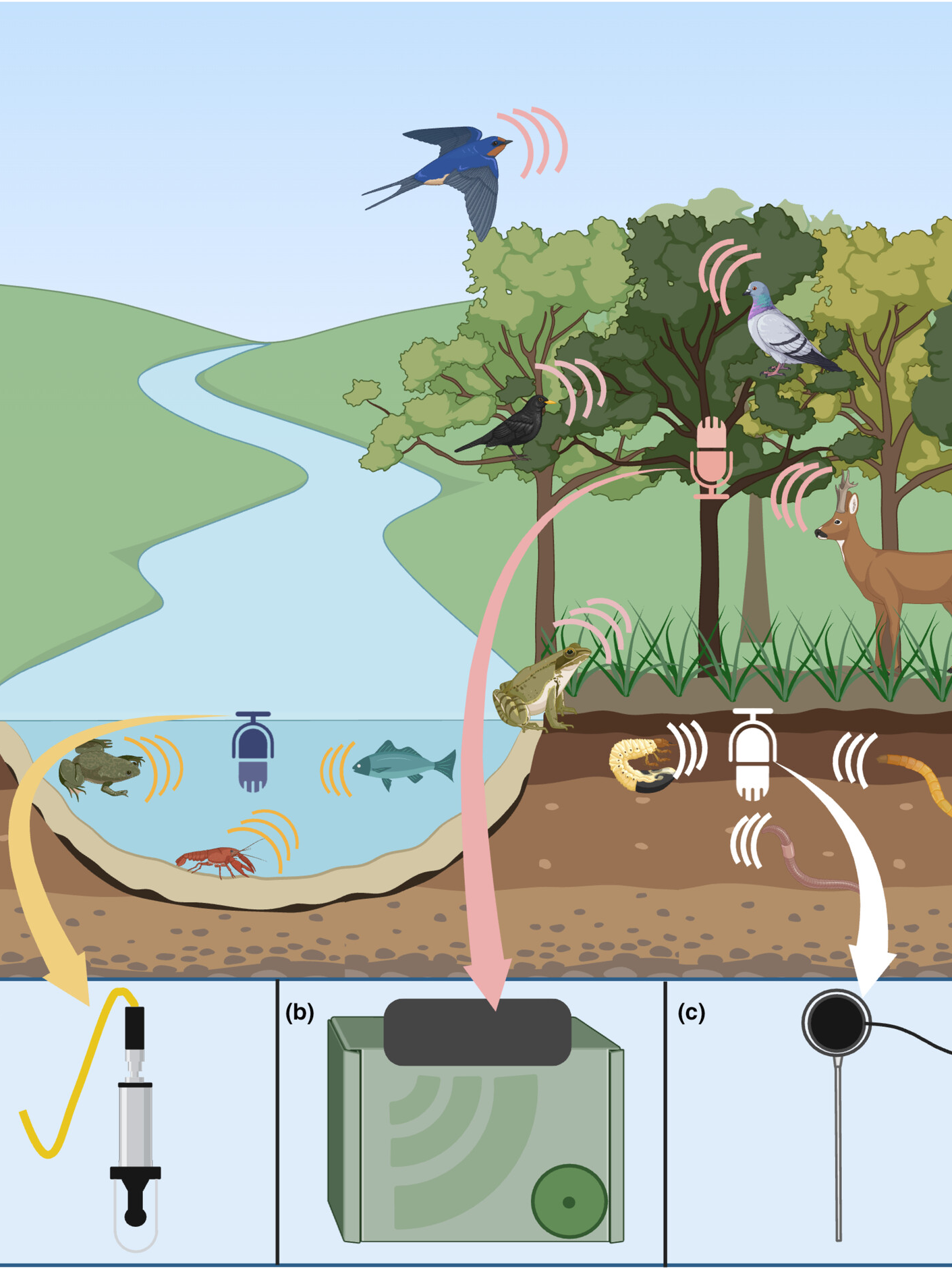
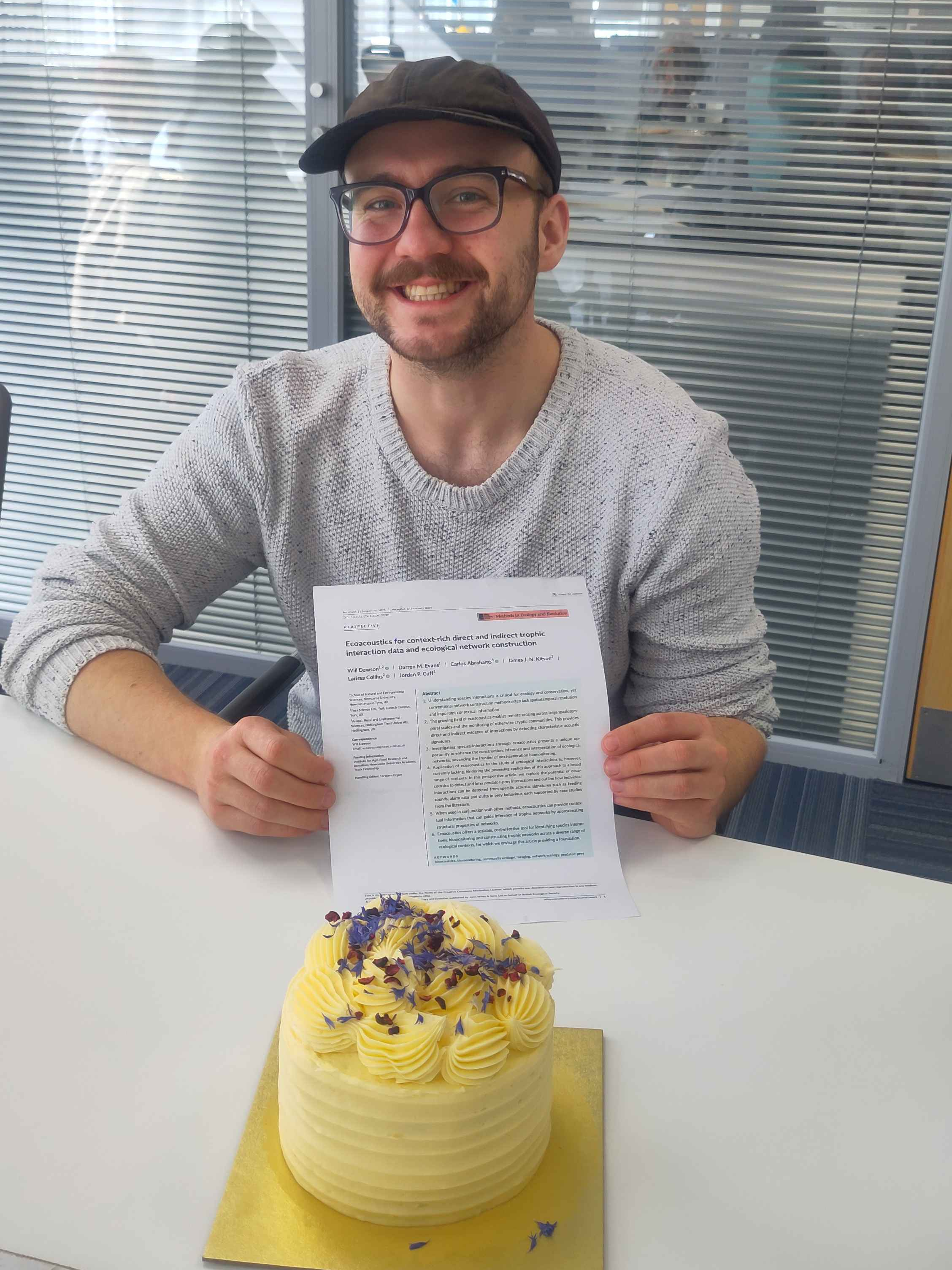
We started the month with the exciting publication of Will’s first first-author paper, Ecoacoustics for context-rich direct and indirect trophic interaction data and ecological network construction! Massive congratulations to Will for publishing this important work, and his first first-author paper no less! Give it a read and keep your eyes peeled for more from Will over the coming months and years. Check out our full post about it for a deeper scoop!
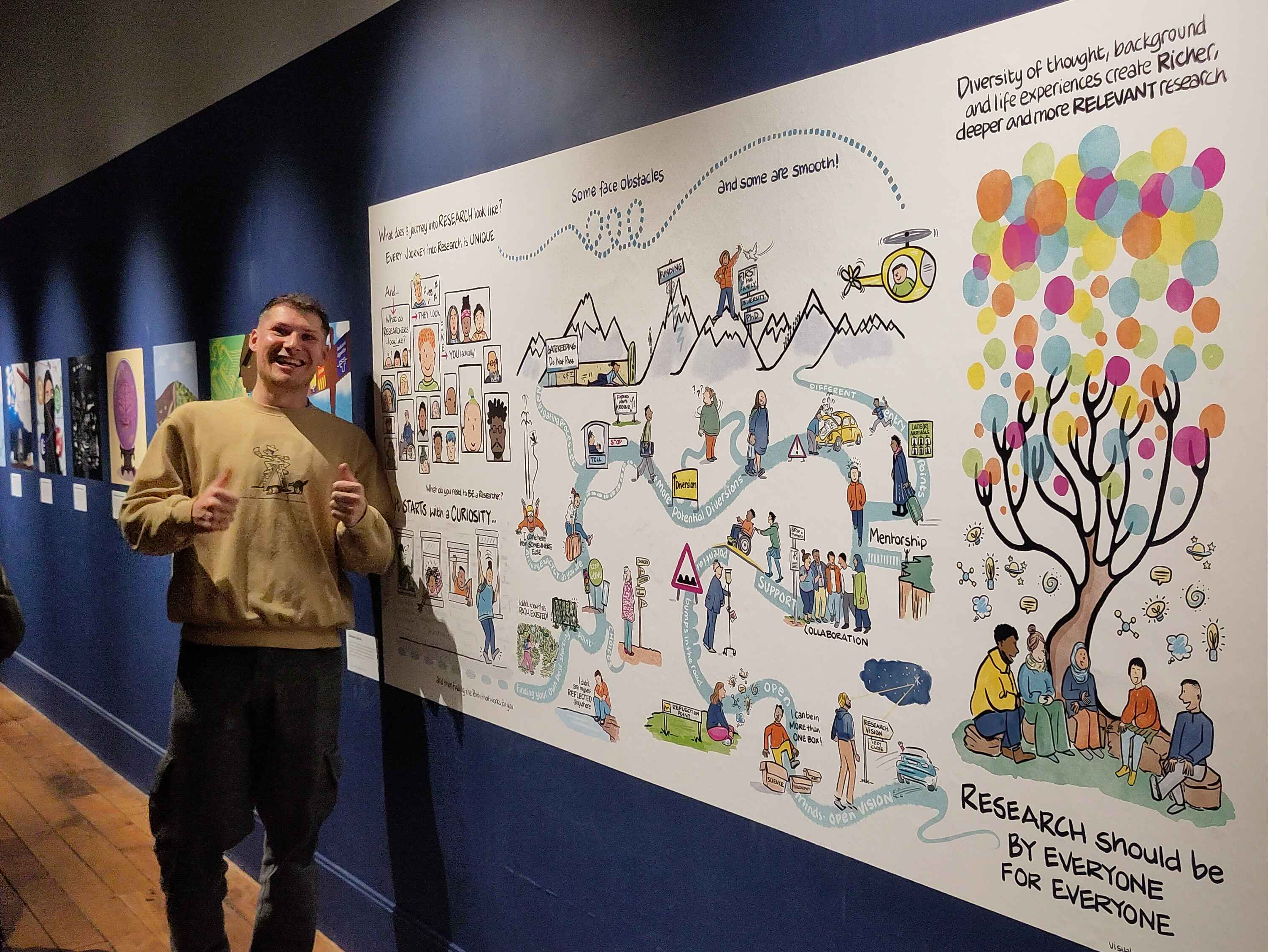
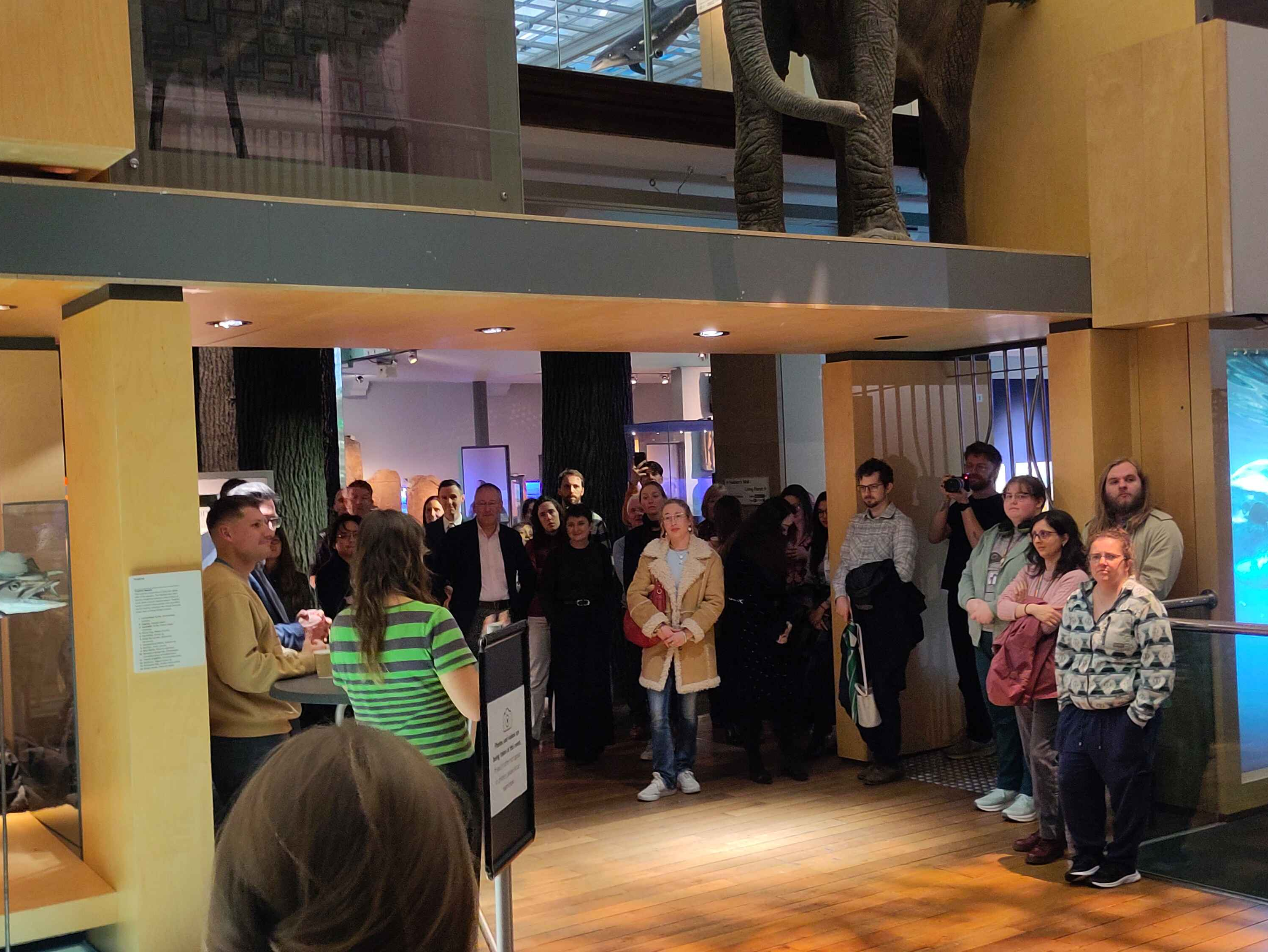
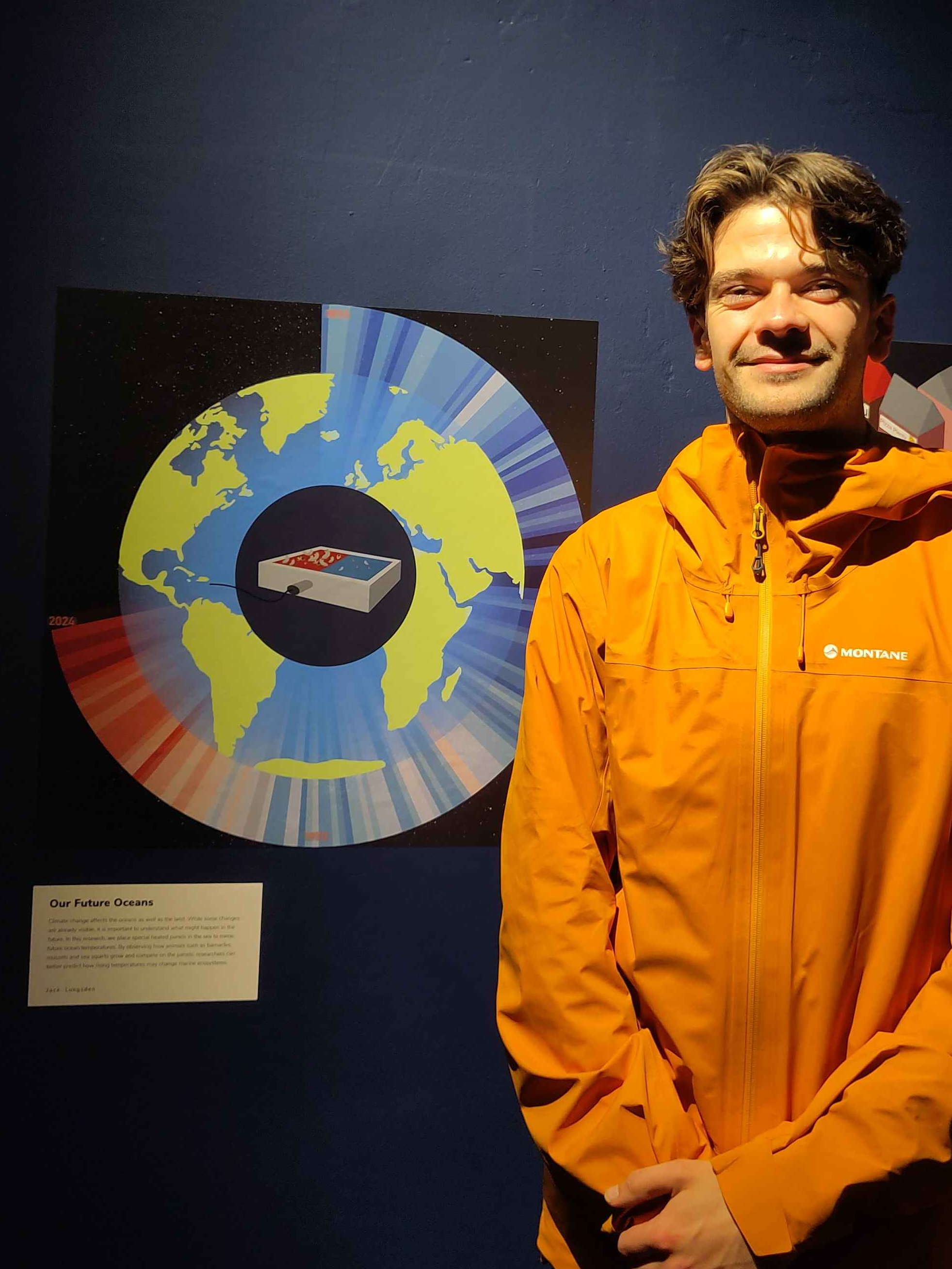
Ainsley’s ‘PictureThis‘ project, co-led with Phoebe Lewis, reached a significant new milestone with the unveiling of a new exhibition at the Great North Museum: Hancock! The exhibition celebrates and brings to life the artwork prepared by researchers across the university to represent their research and the journeys that led them to it. The emphasis is also on demonstrating the diversity of pathways and backgrounds that researchers represent, and that anyone can belong within research. Check out Newcastle University’s press release about it! The launch itself was an excellent celebration of all of the hard work that went into it, but we couldn’t help taking a group visit to go back and take a longer look at the incredible images. The exhibition will be up until 17th January 2027 and entry is free! There’s more information on the museum’s website too.
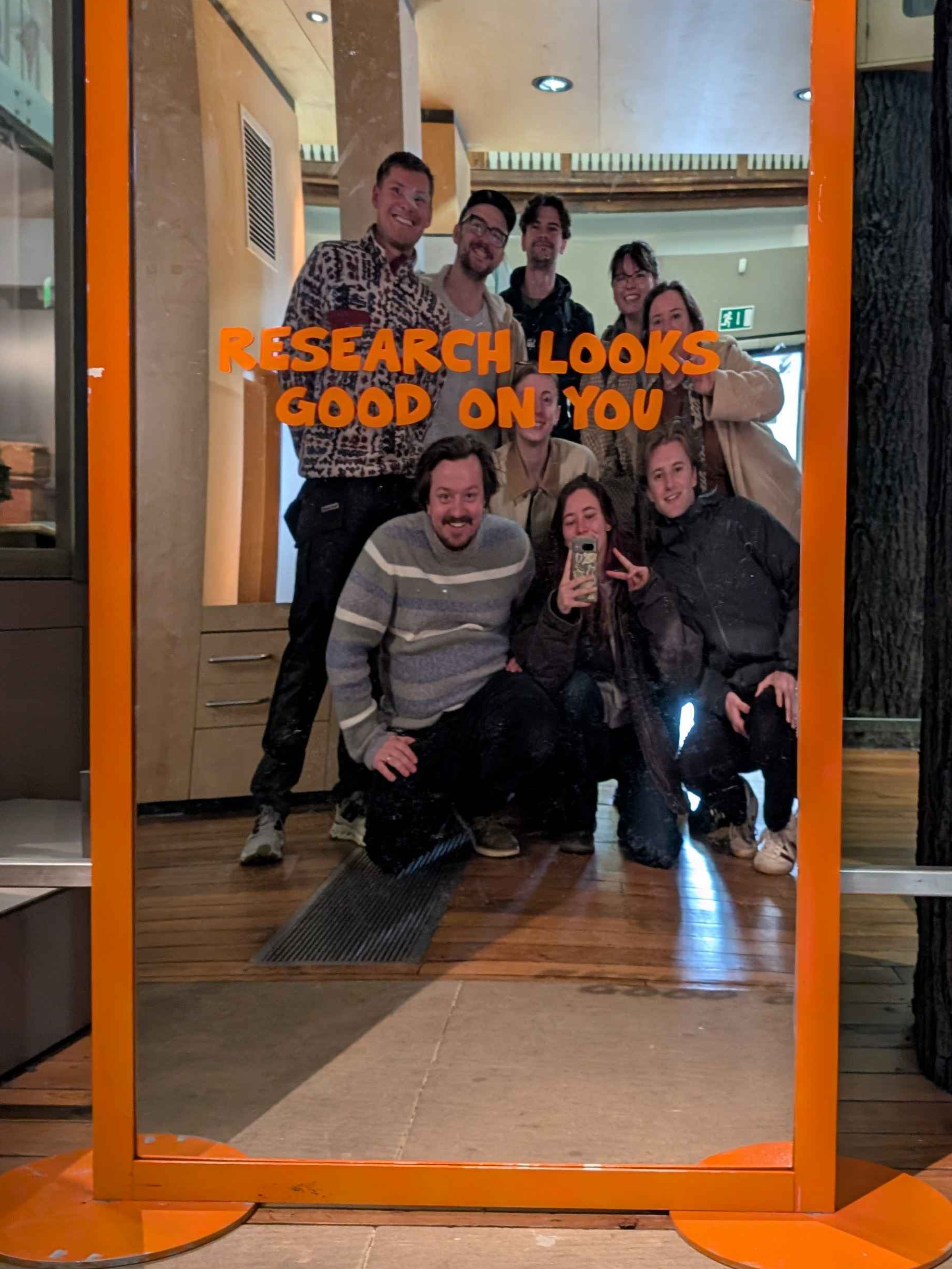
Massive congratulations to Fin for securing a PhD to continue his freshwater network research at Cardiff University! Fin will be based primarily with our friends at the Freshwater Networks Laboratory (FwNL) but will still be working with us too! It was an incredible week for Fin, since he also secured a Royal Society of Biology grant to sample from ponds across the Brecon Beacons National Park!
On the topic of funding, Shannon has also been continuing her recent success streak and managed to secure a Royal Geographical Society Postgraduate Research Award to support her research on invasive bumblebees in the Faroe Islands!
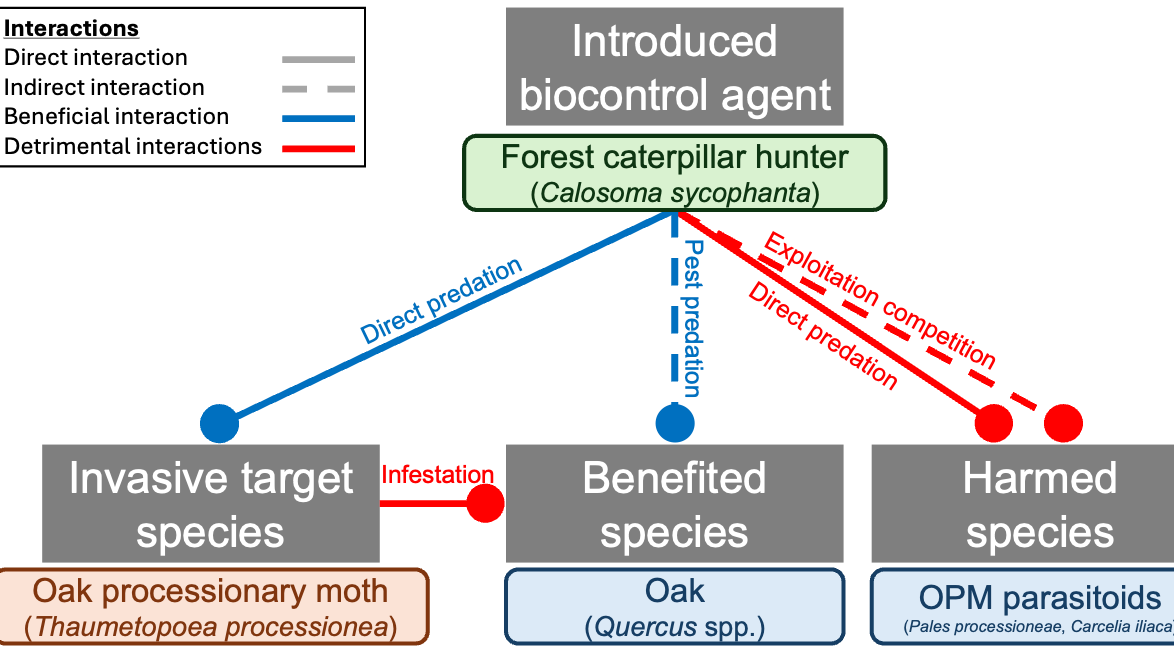
We also had a preprint out this month from one of our ongoing collaborations with Forest Research! The preprint details the potential for reintroducing the forest caterpillar hunter (Calosoma sycophanta) as a biocontrol agent of the oak processionary moth (but also as a likely nationally extinct member of the British fauna). Stay tuned as it winds its way through peer review!
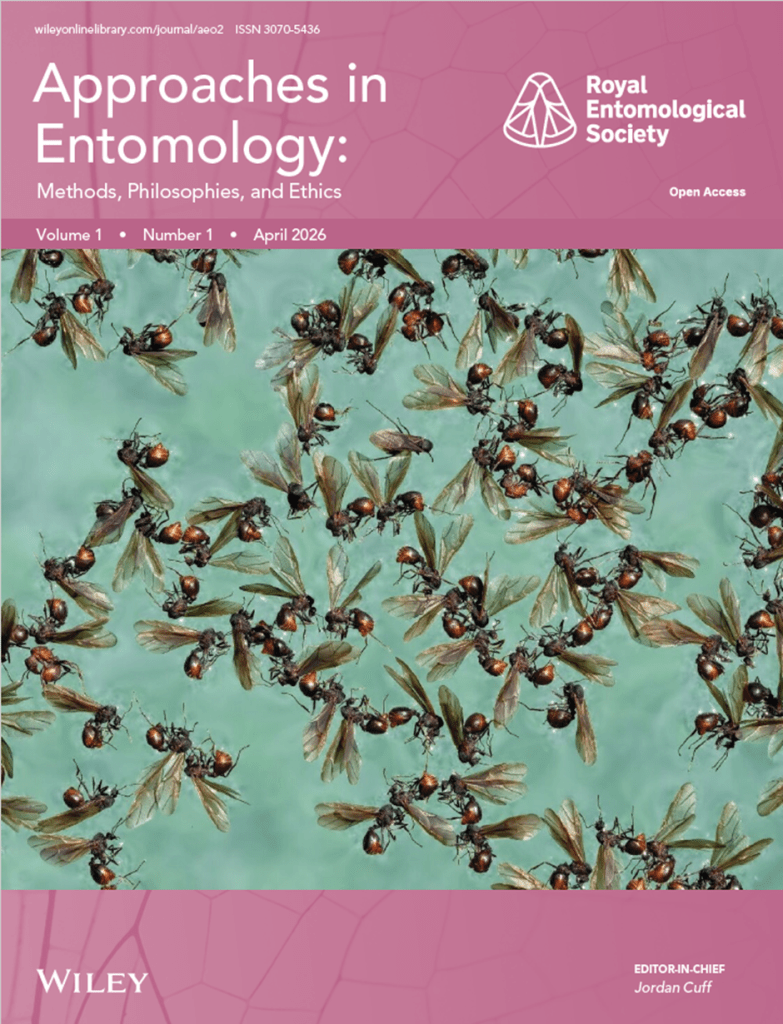
This last month, we also had the excitement of sharing the imminent launch of a new journal published by the Royal Entomological Society and Wiley: Approaches in Entomology! This has been a passion project of Jordan’s for some time, and he will be leading the journal through its first voyage into the scientific literature. Read more about it in our recent post!
FERG in the wild
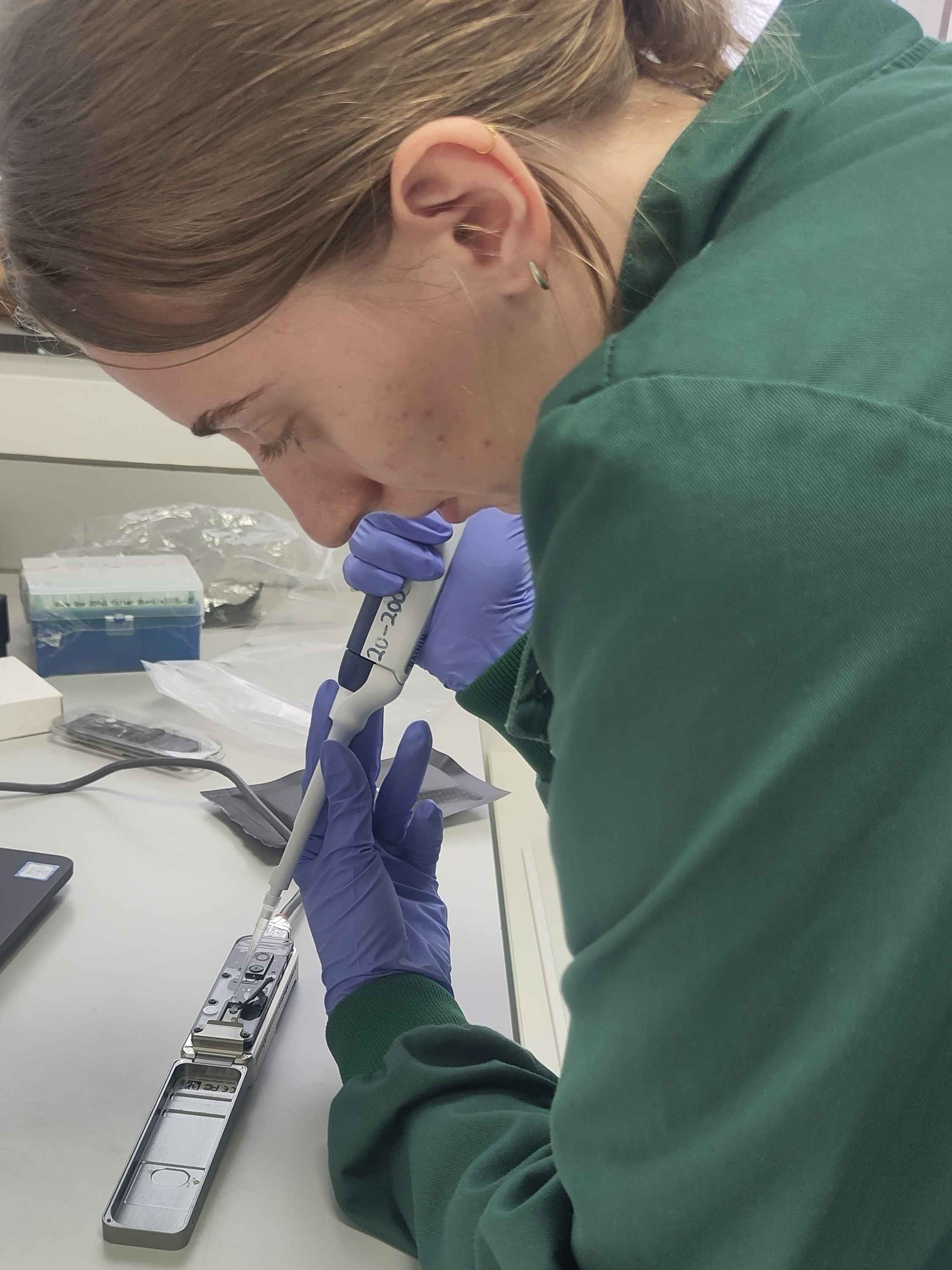
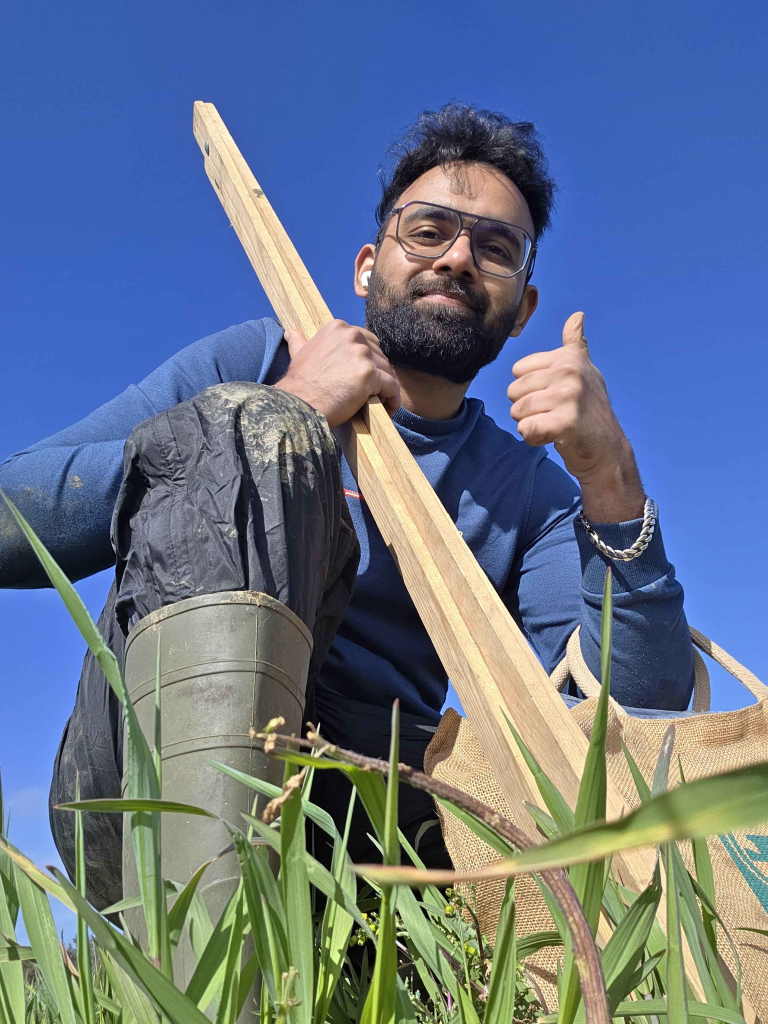
It’s been a busy time in the lab and field! Rebecca’s been busy loading one of our nanopore sequencers with spider gut DNA, and Dheeraj has been out collecting the next round of his winter-spring agricultural predator samples! We’ve also had Rosy extracting gut DNA from her Spider Spies samples, and Mia getting her lamp posts ready for another year of Bright Lights, Bug City! Will’s been prepping for the last couple of rounds of his year-round soil surveys, but also his imminent trip to Canada for the Global Soil Biodiversity Conference. It’s all go here!
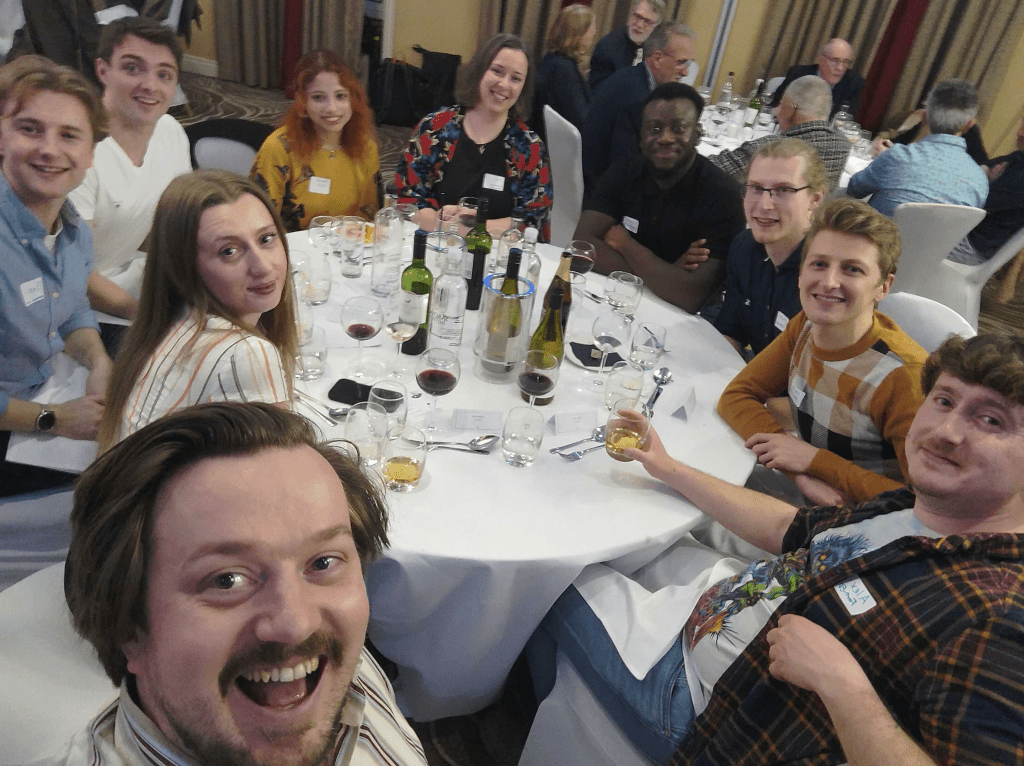
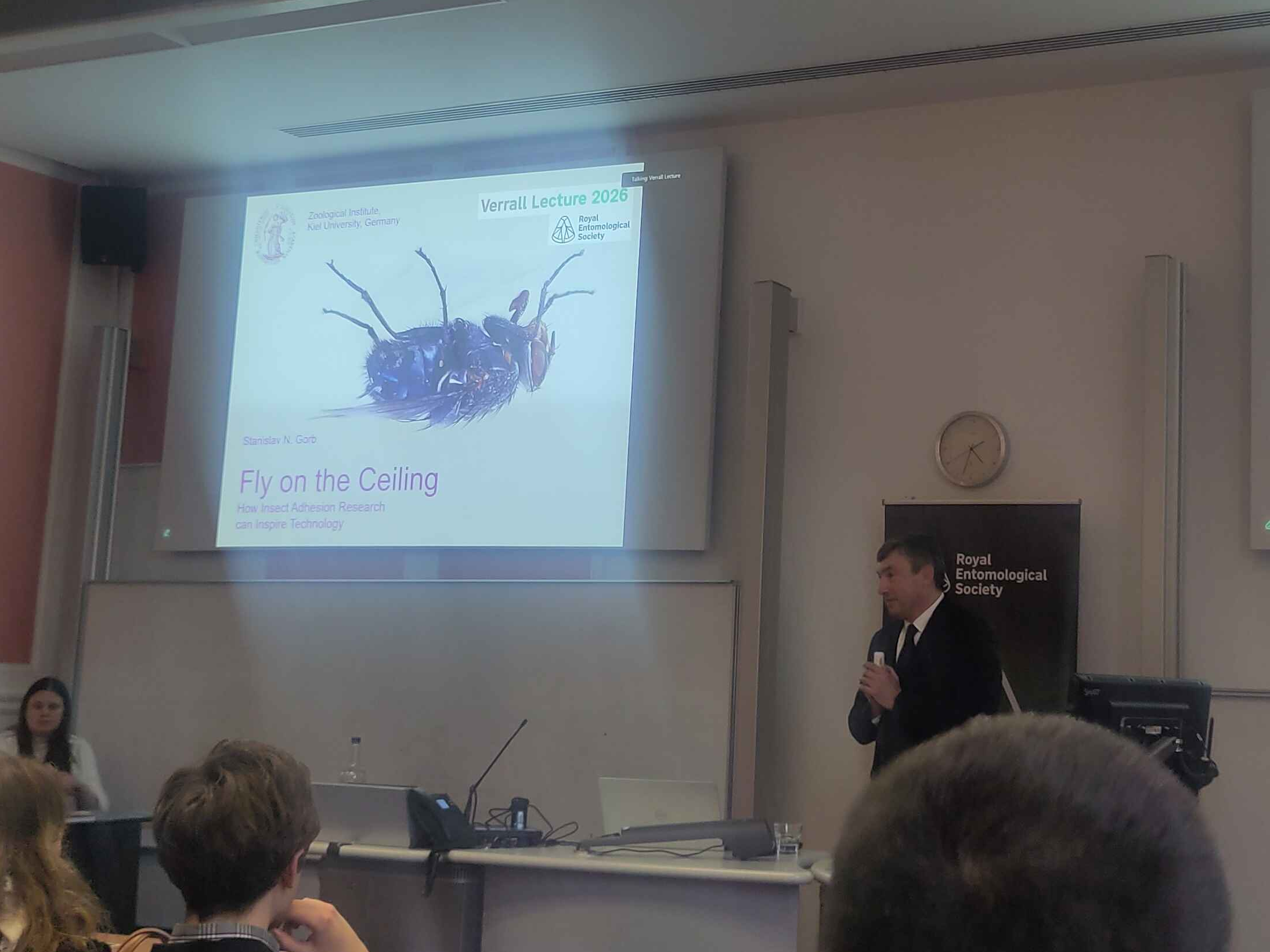
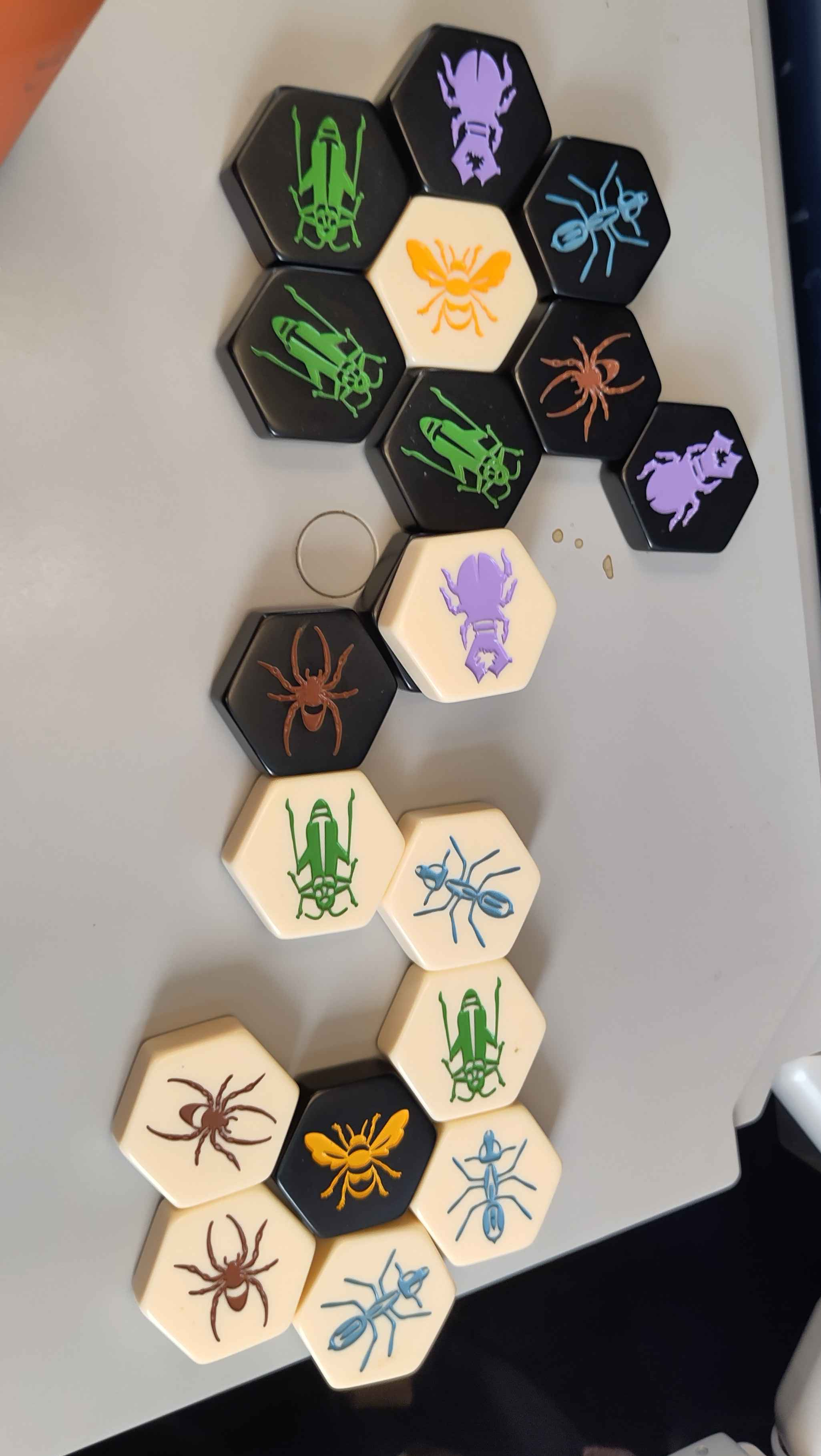
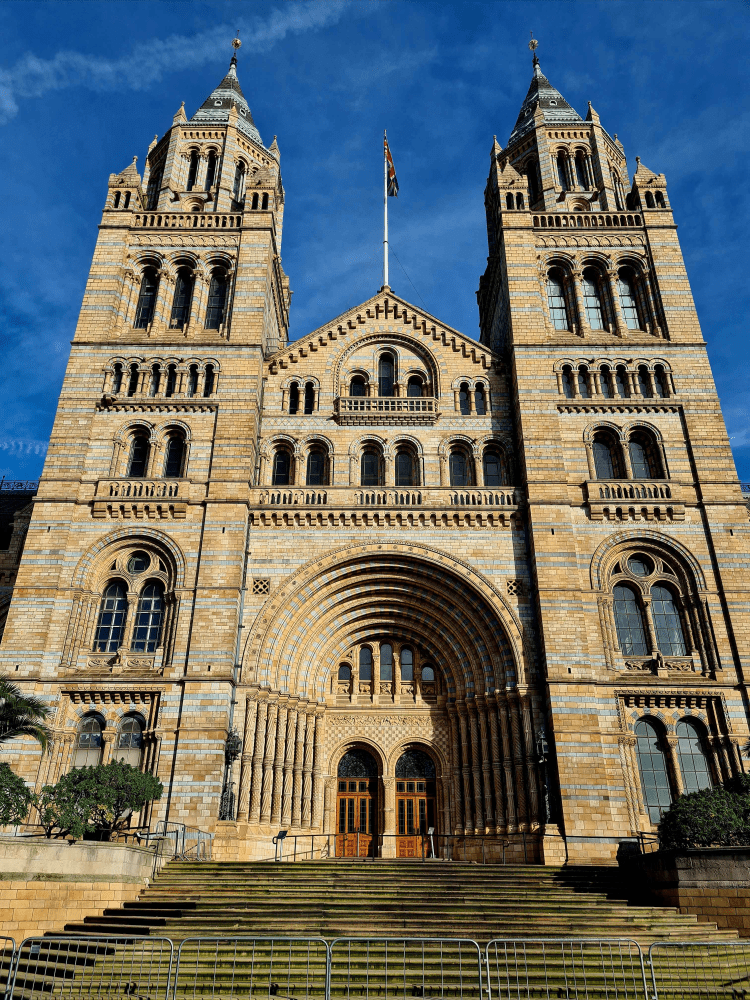
A few of us hopped on the train south to London for the annual Verrall Lecture and Verrall Supper at the start of the month! It’s an excellent annual meeting of entomologists centred around a standout talk and excellent company. We even took the chance to have a look around the Natural History Museum (and disappointingly found the insect section was closed)! A great time was had by all.
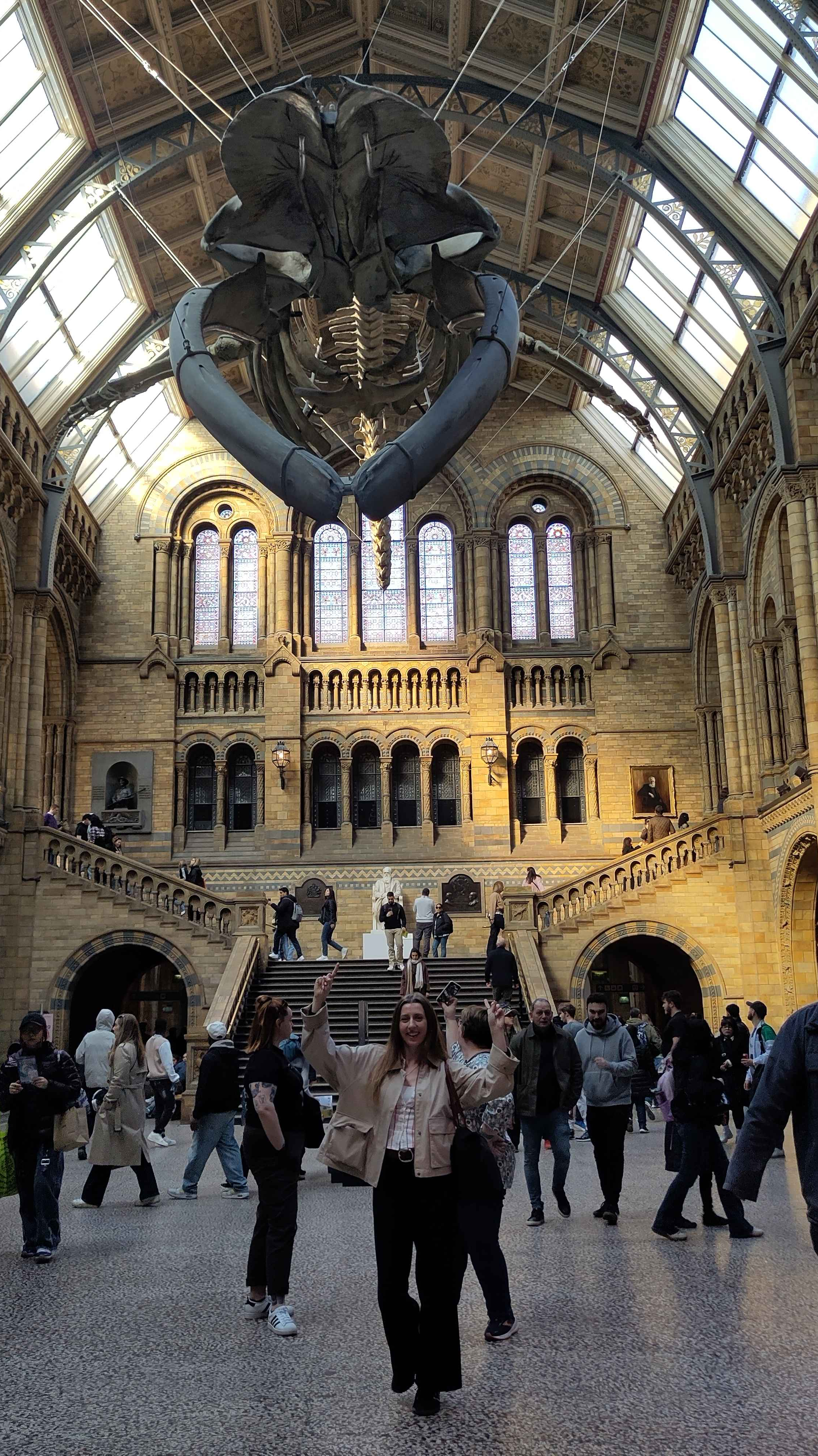
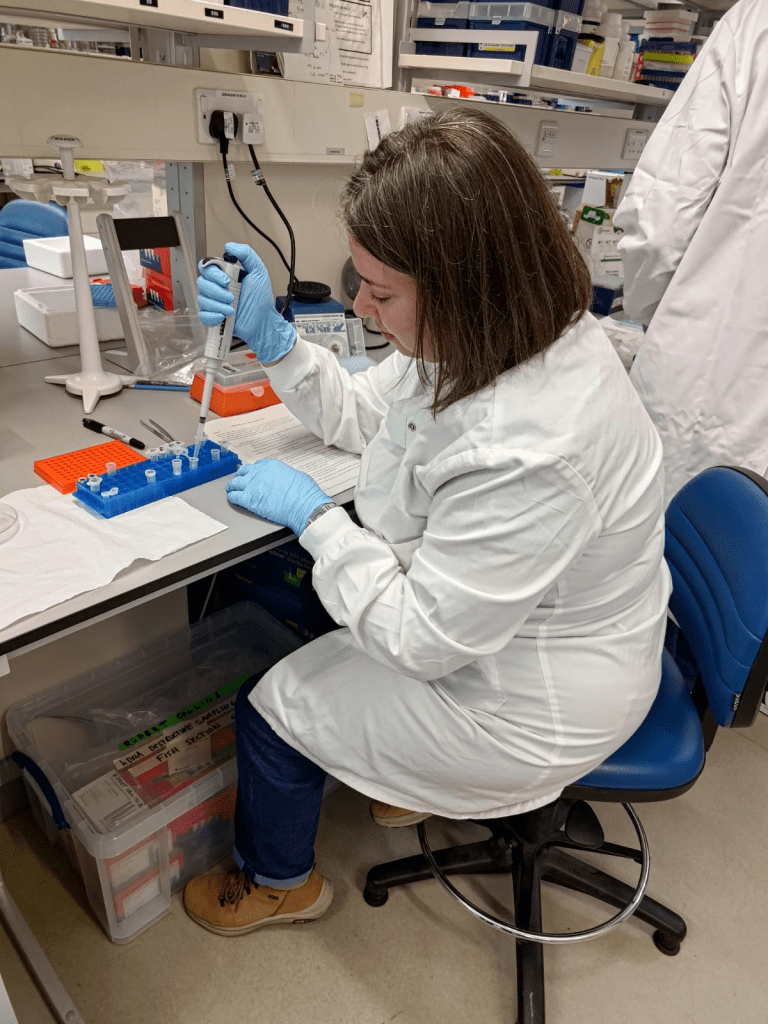
Mia spent a week behind the scenes at the Natural History Museum in London from Monday 2 March, learning the complete workflow of transforming new and historic specimens into genomic data and phylogenetic trees as part of a “Integrative Biodiversity Discovery” course. During the NERC-funded course, she explored the museum’s research material, collected a live millipede from the Nature Discovery Garden and prepared a voucher specimen. Using cutting-edge technologies in the molecular laboratories, she assessed DNA quality and sequenced the millipede’s genome. Mia then built a bioinformatics pipeline to resolve phylogenies and reconstruct an evolutionary tree. The experience provided an excellent opportunity to learn from leading experts and engage with other PhD students applying molecular techniques in biodiversity research.
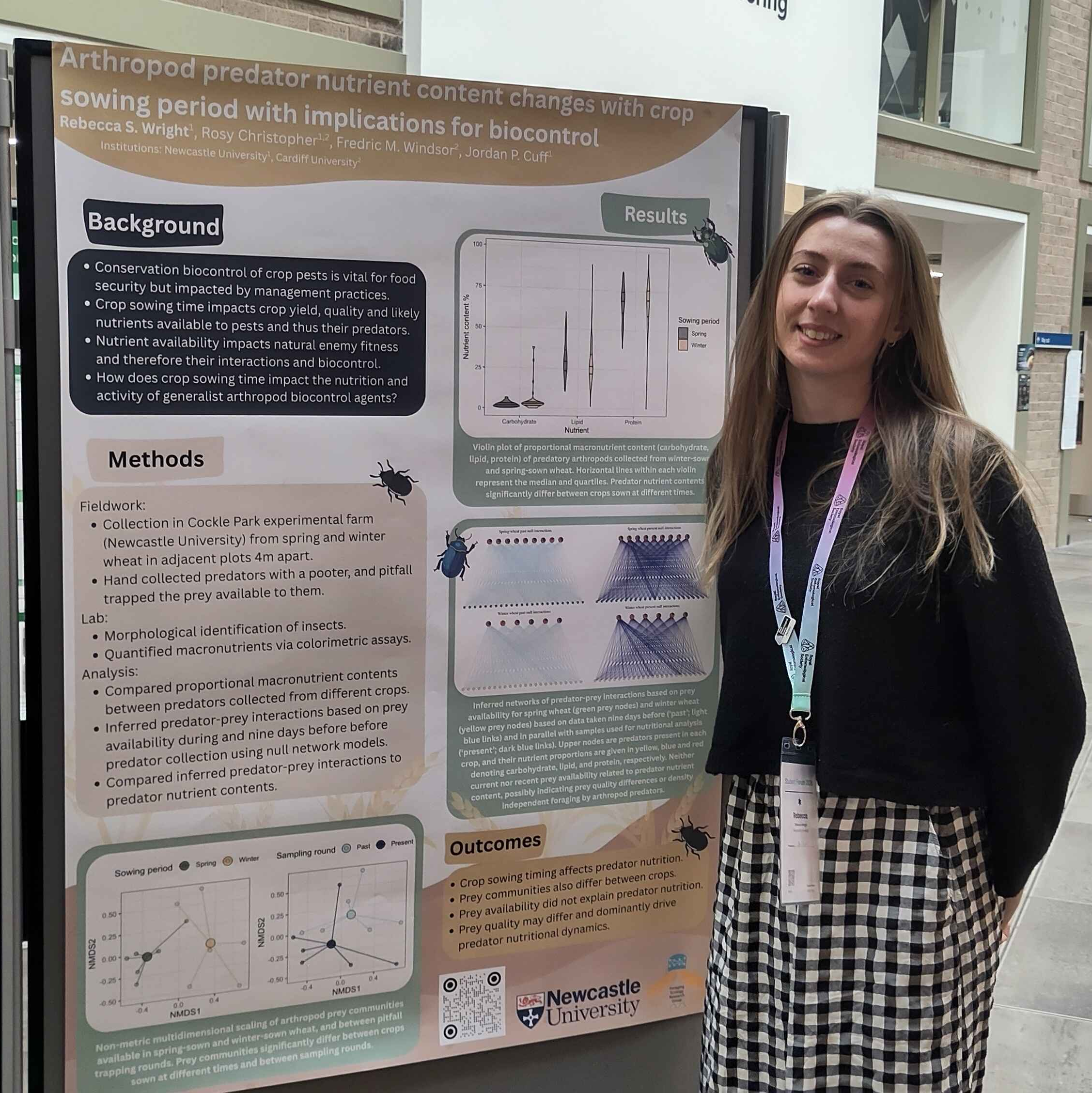
At the end of the month, we had the immense pleasure of the Royal Entomological Society Student Forum joining us up here in Newcastle! Co-organised by Rosy, her fellow RES Student Representatives and the RES events team, it was an incredible couple of days in our nice shiny Stephenson Building! Ben gave an exceptional talk, and both Dheeraj and Rebecca presented posters (Rebecca also gave a flash talk). We’re looking forward to many of us hopefully making it along to next year’s (wherever that may be)! A special massive congrats to Ben for winning a talk prize for his talk about his PhD research!
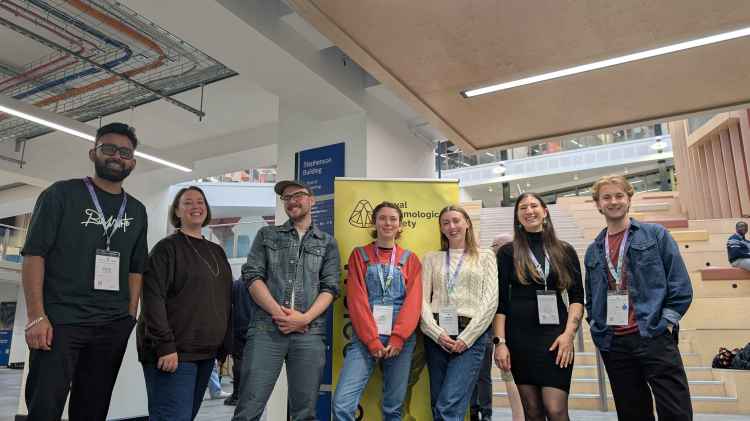
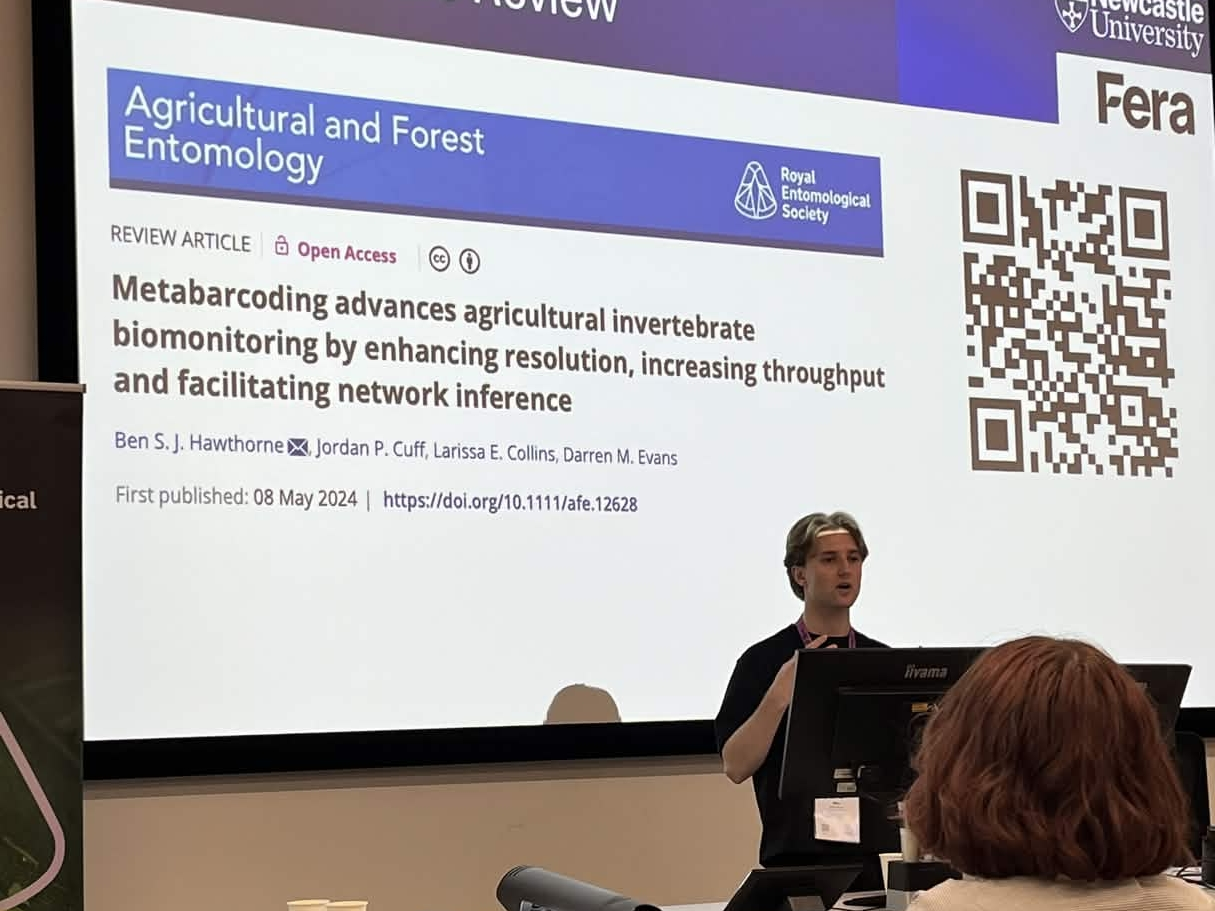
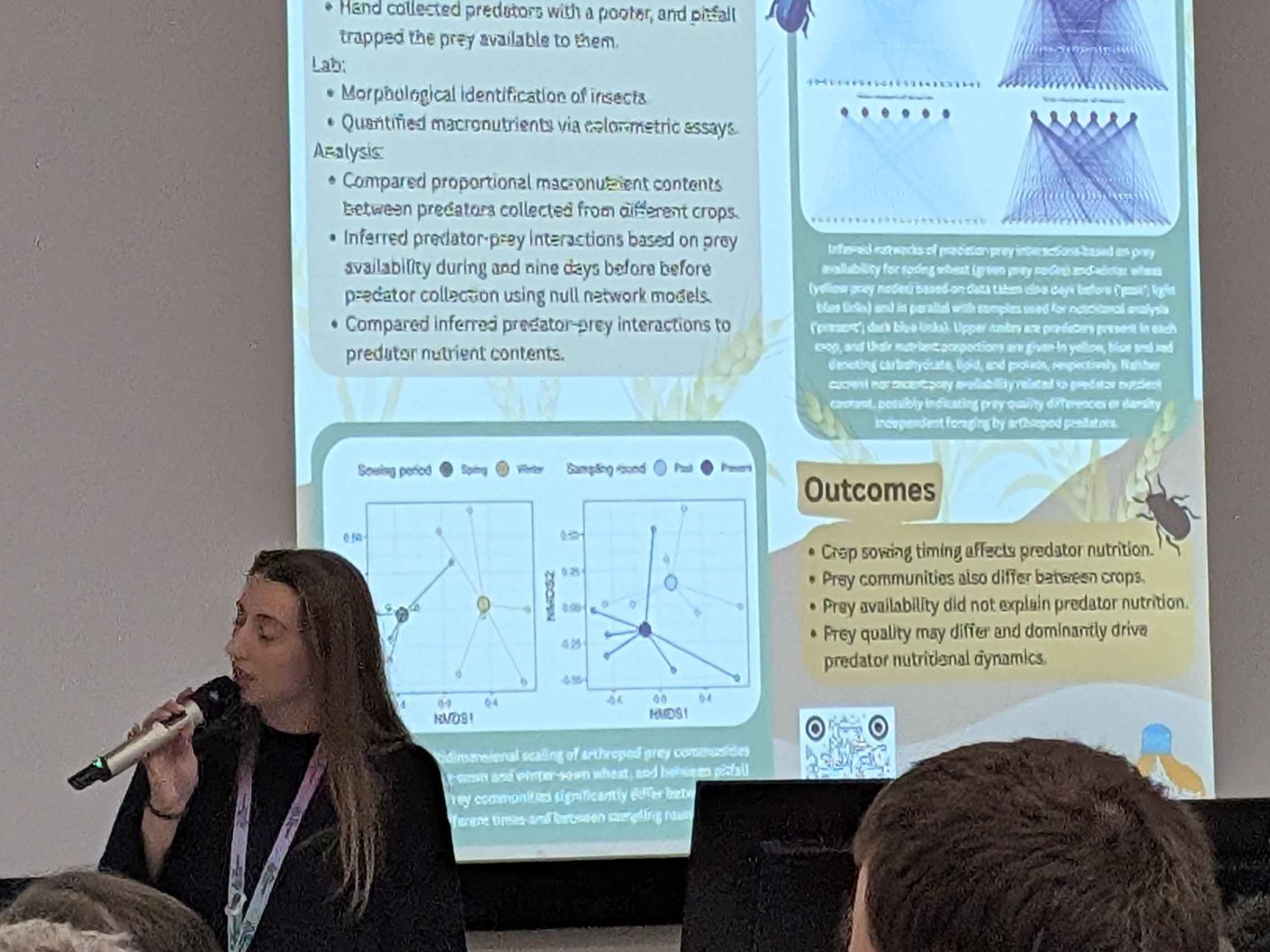
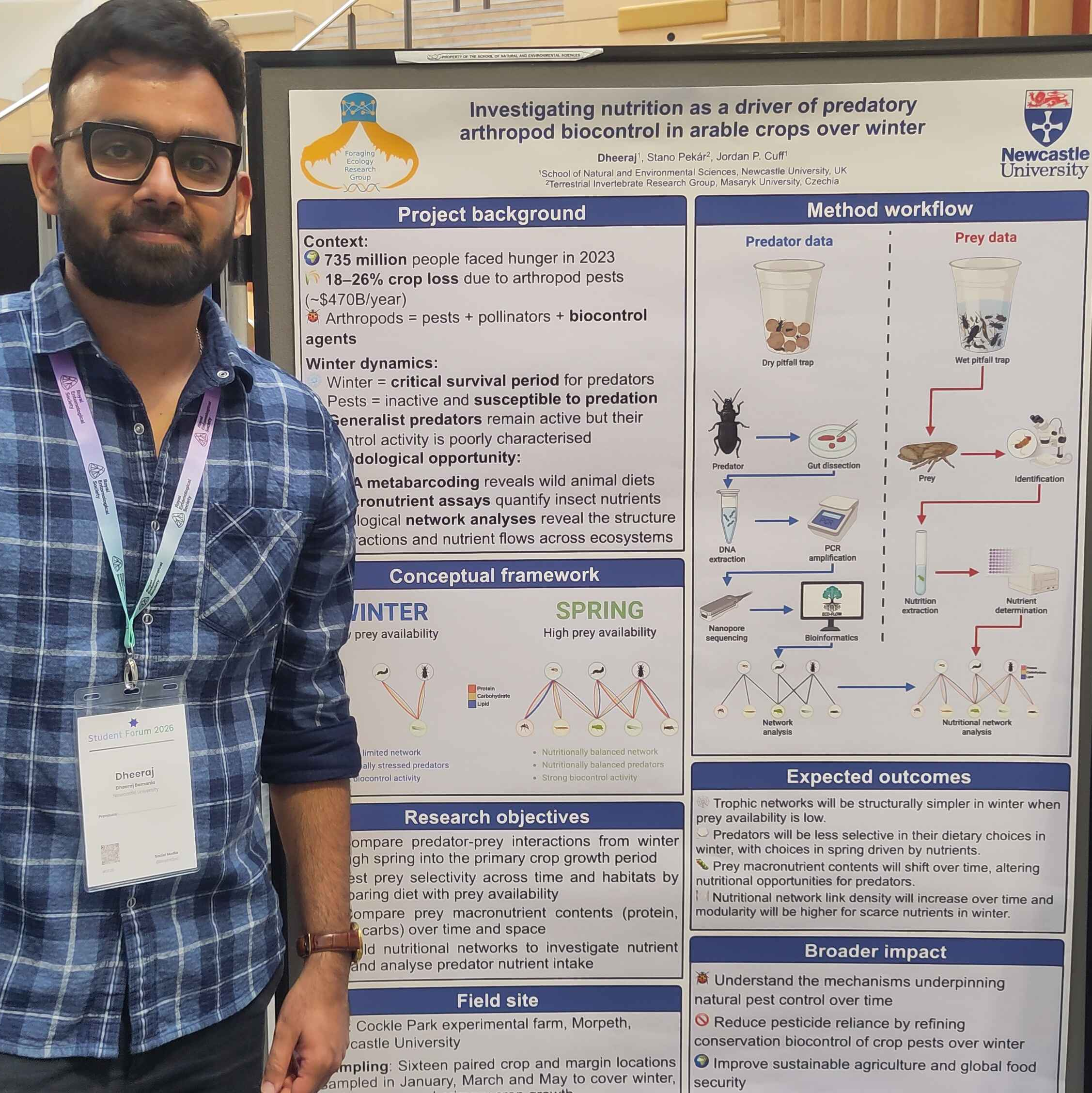
We’ll hopefully see some of you at the European Congress of Entomology in Tours, France this June! There are a few of us going, with Ben, Rosy and Jordan giving talks and Mia presenting a poster, so come check out our latest research! If you’re going and want to meet up, just get in touch – we’d love to chat with as many people as we can while we’re there!

Taxon of the month
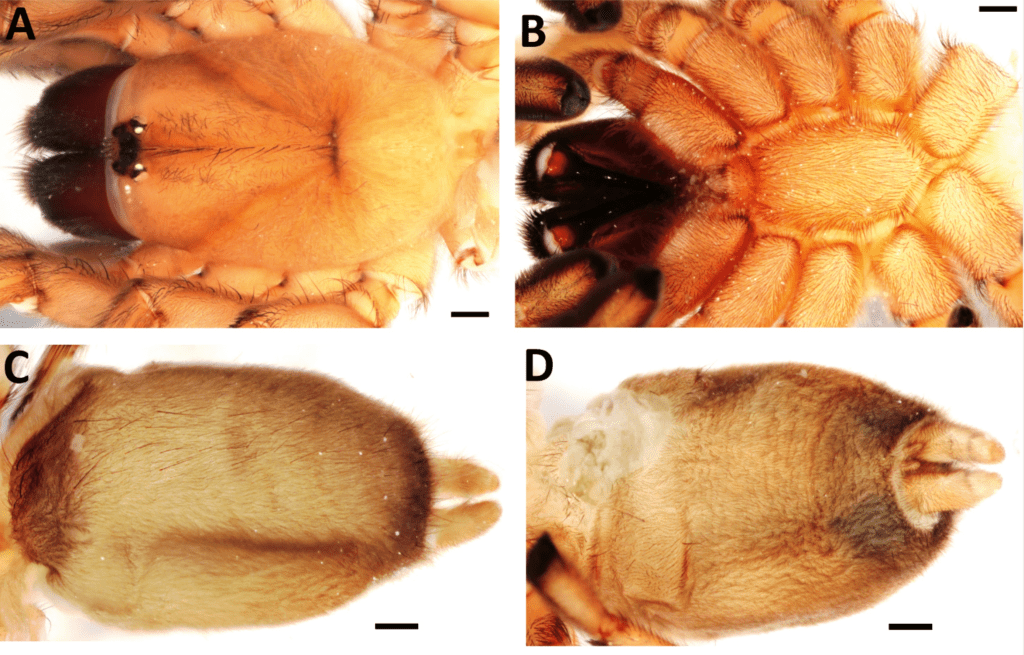
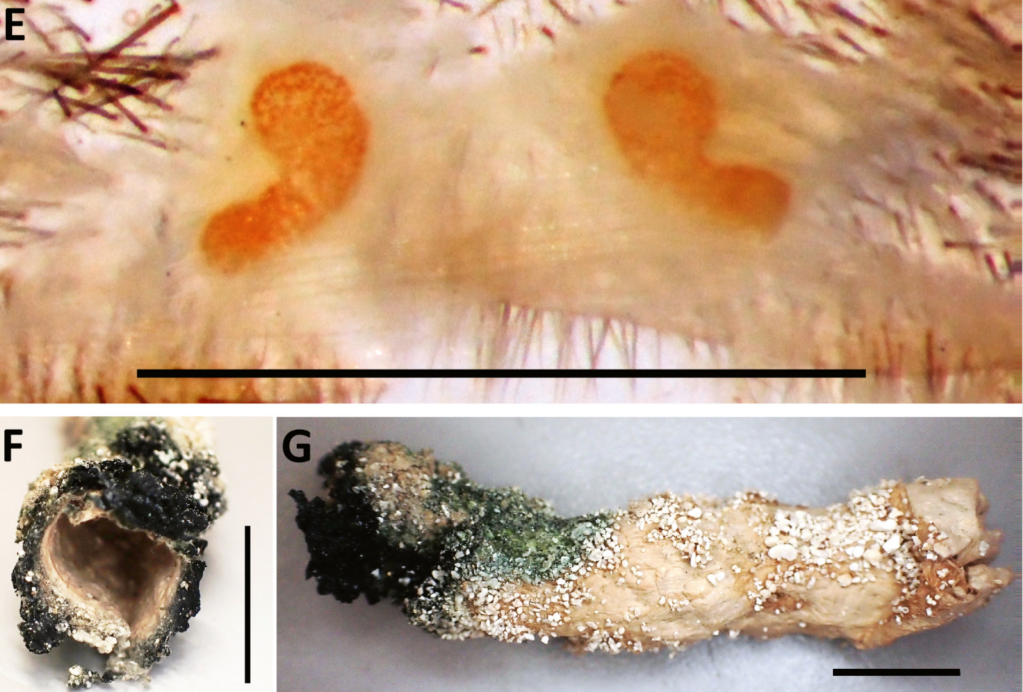
Our taxon of the month is the trapdoor spider Idioctis marevallum (Araneae: Barychelidae)!
This species, new to science, has just been reported for the first time in a paper published in Arachnology which was overseen by long-time FERG-friend Max Tercel, who found and collected the spider on Ilot Vacoas and Ile aux Fouquets in the Mauritian archipelago. The species is particularly notable for being an intertidal trapdoor spider, allowing its burrow to be submerged at high tide! Check out the images below to see not only the stunning spider, but its super cool burrow. A fascinating species and a nice example of the weird and wonderful adaptation of species to challenging environments!
Research spotlight
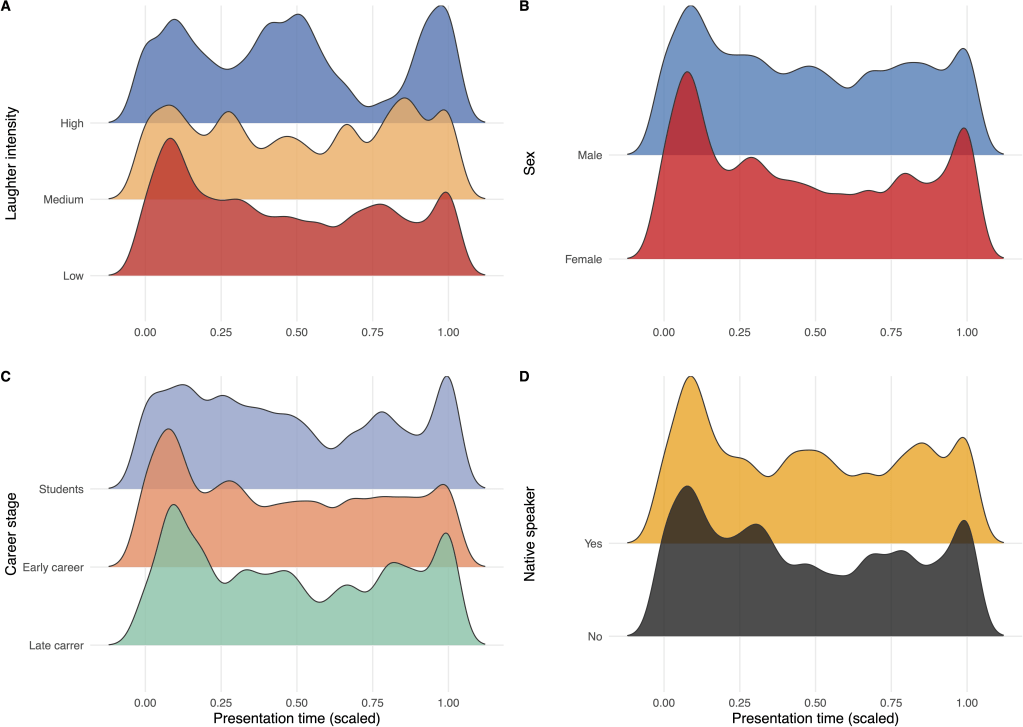
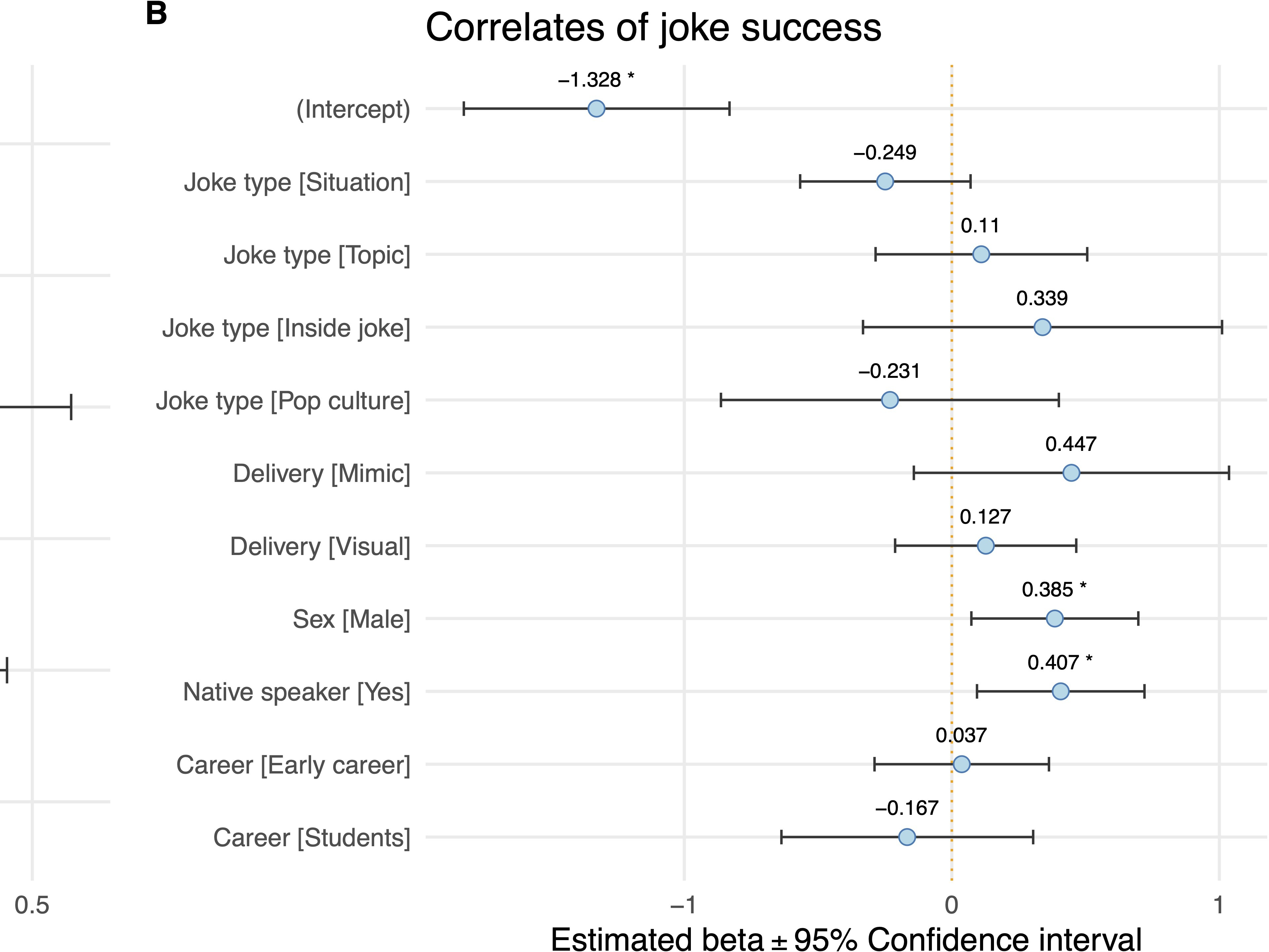
This month, we want to highlight a couple of papers! First, this paper from Stefano Mammola and co-authors: Statistically significant chuckles: who is using humour at scientific conferences?
Many of us here in FERG love to spruce up our scientific talks with jokes, and we all certainly appreciate a well-placed joke during a full day of conference! It’s easy to forget how humour (and the confidence attached to it) intersects with personal characteristics like career stage, linguistic fluency and gender. This paper takes a deep dive into the placement of and responses to jokes across conferences, and the outcomes are fascinating! Perhaps we can all consider how our own behaviour at conferences can better promote equity and inclusion, both in how we tell and receive jokes.
Second, Will found this paper from Dennis Upper in 1974, which contains some excellent insights relevant to scientific writing: The unsuccessful self-treatment of a case of “writer’s block”
 Foraging Ecology Research Group