Dietary Interactions in Ecology Through Sequencing (DIETS) Symposium
21st – 24th July 2026, Durham University, UK

We had a great first year for DIETS in Durham, UK! Check out our blog post for a FERG perspective on the event: DIETS 2026
Planning is already underway for a second DIETS symposium, to be held in the Czech Republic in 2028!
DIETS 2026
Trophic interactions underpin the function, stability and diversity of our ecosystems, rendering their study vital for understanding, protecting and monitoring biodiversity. The last two decades have seen the rise and dominance of molecular methods for the analysis of wild animal diets, with widening adoption introducing greater diversity in practices, and opportunities for advancement and collaboration.
The Dietary Interactions in Ecology Through Sequencing (DIETS) Symposium, held in Durham University 21st-24th July 2026, was an in-person symposium focused on the molecular analysis of trophic interactions. By sharing recent and ongoing research and ideas, DIETS catalysed collaboration and advancement in this field whilst also identifying consensus on various practical aspects of molecular dietary analysis.


DIETS took place across four days, including a one-day workshop, a local excursion and two days of talks from global researchers using molecular methods to study trophic interactions.
Plenary speakers
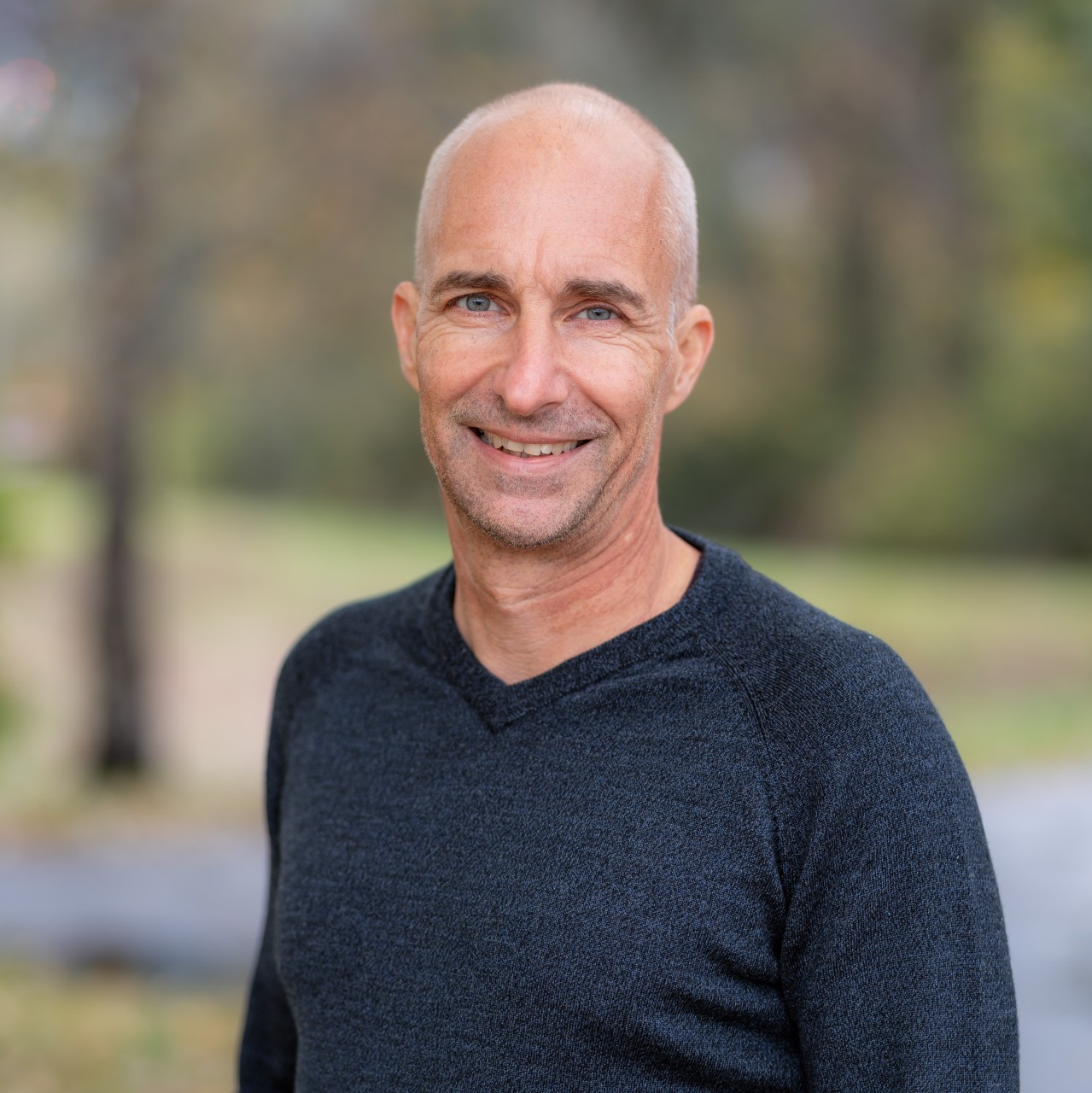
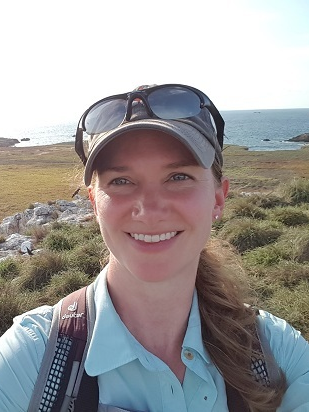
Michael Traugott
Universität Innsbruck, Austria
“25 years of analysing trophic interactions molecularly: key learnings and future prospects”
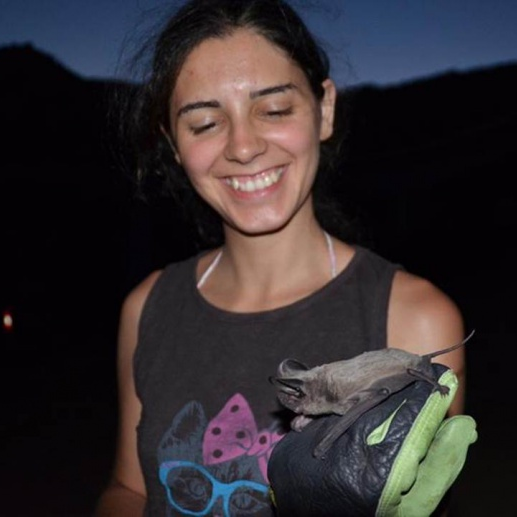
Vanessa Mata
Cibio, Portugal
“DNA metabarcoding of small vertebrate diets: promises, pitfalls and ways forward”
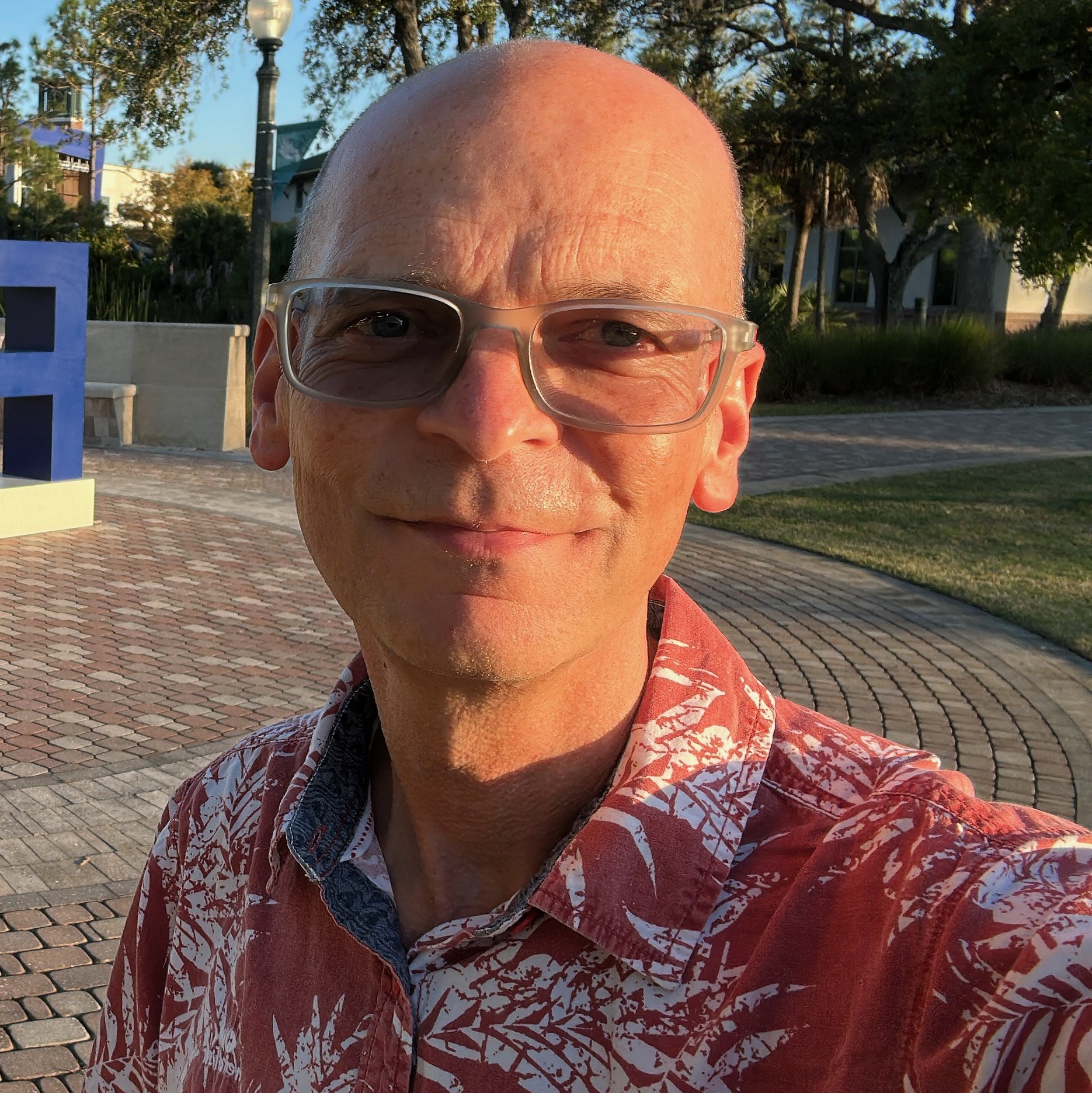
Simon Creer
Prifysgol Bangor, UK
“What can environmental DNA tell us about biodiversity and ecological interactions across diverse biomes?”

Schedule
21st July: Workshop on containerised bioinformatics for dietary metabarcoding via nanopore sequencing
Hosted by Dr Chris Wyatt and Fernando Duarte Frutos (Eco-Flow Team, University College London)
The advancement of molecular dietary analysis has closely tracked developments in sequencing technology. Nanopore sequencing represents one of the most widely acclaimed advances of recent years, with its associated long-read sequencing being awarded Nature‘s ‘method of the year 2022’. The variable read length capabilities of nanopore sequencing, paired with its low capital costs and portability, make it an accessible and attractive prospect, yet it remains scarcely applied to molecular dietary analysis, in part due to its divergent bioinformatic needs.
The Eco-Flow team at University College London, led by Dr Chris Wyatt, have developed a containerised (i.e., semi-automated) bioinformatics pipeline for the analysis of nanopore metabarcoding data. Eco-Flow is a BBSRC-funded project aiming to make bioinformatics more accessible and usable for agri-ecology and the wider scientific community.
This workshop introduced, demonstrated and provided hands-on experience with running this nanopore metabarcoding bioinformatics pipeline. The workshop provided an introduction to running nf-core pipelines locally and on high-performance computing clusters (HPCs), alongside debugging pipelines and the basics of nextflow. All of this knowledge was then applied to running a practical example of nf-core based on both RNA-Seq data and the metabarcoding pipeline.
22nd July: Symposium
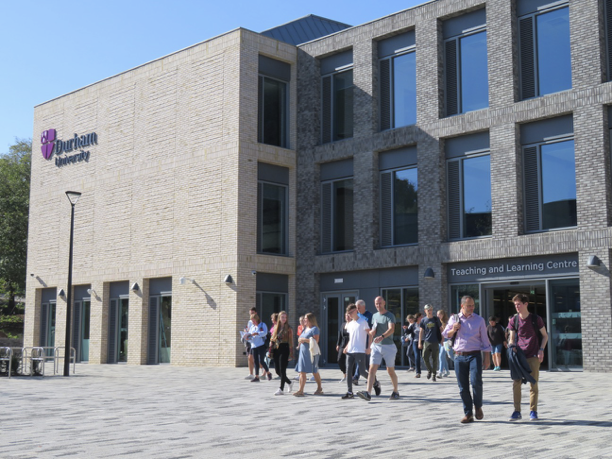
All sessions of the first day of the main symposium took place in the Teaching and Learning Centre, Durham University, unless otherwise stated (in italics).
| Time | Activity |
| 9:00 | Registration |
| 9:30 | Welcome and housekeeping |
| 10:00 | Talk session 1: Ecosystem services |
| 11:00 | Break |
| 11:30 | Breakout session 1 |
| 12:30 | Lunch |
| 13:30 | Poster session |
| 14:00 | Plenary 1: Michael Traugott |
| 14:30 | Talk session 2: Innovation and optimisation |
| 15:30 | Break |
| 16:00 | Breakout session 2 |
| 17:00 | Mixer |
| 18:30 | Plenary 2: Vanessa Mata, Durham Cathedral |
| 19:00 | Plenary panel discussion, Durham Cathedral |
| 19:30 | Conference dinner, Durham Cathedral |
23rd July: Symposium
All sessions of the second day of the main symposium took place in the Teaching and Learning Centre, Durham University.
| Time | Activity |
| 9:00 | Talk session 3: Anthropogenic impacts |
| 10:30 | Break |
| 11:00 | Breakout session 3 |
| 12:00 | Lunch |
| 13:00 | Plenary 3: Simon Creer |
| 13:30 | Talk session 4: Trophic and broader ecological networks |
| 15:00 | Poster session |
| 16:00 | Breakout summaries and open discussion |
| 17:00 | Conference close |
Talk sessions
22nd July: Talk session 1: Ecosystem services
| Time | Speaker | Title |
| 10:00 | Domagoj Gajski | Winter biocontrol in pear orchards |
| 10:15 | Beth Jetson | Development and validation of a novel metabarcoding primer set for investigating mosquito predator–prey interactions |
| 10:30 | Alma Liss S. Quinones | Birds, Bats and frogs eat many Afrotropical cacao pests, but also potential pollinators: Exploring the trade-off between services and disservices by insectivores |
| 10:45 | Will Dawson | Noisy eaters! Building belowground invertebrate trophic networks using ecoacoustics and metagenomics |
22nd July: Talk session 2: Innovation and optimisation
| Time | Speaker | Title |
| 14:30 | Sophia Coveney | Optimising dietary DNA metabarcoding for two species of sea turtle in a tropical ecosystem |
| 14:45 | Andreanna Welch | Read counts from diet DNA metabarcoding can be a noisy but useful proxy of biomass consumed |
| 15:00 | Majid Moradmand | Hidden in the Gut: Is Parasitoid Detection in Insectivorous Predators a Result of Accidental Consumption? |
| 15:15 | Jordan Cuff | Dietary RNA: integration of RNA data offers a potential paradigm shift for molecular dietary analyses |
23rd July: Talk session 3: Anthropogenic impacts
| Time | Speaker | Title |
| 9:00 | Mia Croft | Artificial light at night drives nutritional dynamics and network structure by altering optimal foraging |
| 9:15 | Tamsyn Uren Webster | How does metal pollution impact freshwater communities? |
| 9:30 | Robert Almqvist | Using DNA metabarcoding to investigate links between diet and reproductive success in rural and urban blue tits |
| 9:45 | Eugenio Carlon | Integrating DNA metabarcoding and biotelemetry to link diet and movement ecology of tawny owls (Strix aluco) across an urban gradient |
| 10:00 | Thomas Howells | From ashes to interactions: tracking plant–pollinator recovery after wildfire |
| 10:15 | Tom Smith | Utilising DNA metabarcoding to characterise the diet of the Alpine newt (Mesotriton alpestris) in its non-native British range. |
23rd July: Talk session 4: Trophic and broader ecological networks
| Time | Speaker | Title |
| 13:30 | Yuval Zaltz | Cave spider trophic dynamics, network structure and competition: cave zone, taxonomy, hunting mode and bat presence drive trophic interactions |
| 13:45 | Domagoj Gajski | Specialisation towards dangerous prey leads to miniaturisation and accelerated evolution |
| 14:00 | Abdulrahman Al-hashimi | Beyond tradition: DNA metabarcoding resolves dietary composition of Arabian ungulates towards their conservation and management |
| 14:15 | Efrat Gavish-Regev | House guests or house pests? Molecular dietary analysis uncovers non-ant prey in the diet of the myrmecophilous scorpion Birulatus israelensis |
| 14:30 | Crinan Jarrett | Diets on the flyway: broad-scale patterns in migratory bird diets in their non-breeding grounds |
| 14:45 | Rosy Christopher | Friend, foe or freeloader: using molecular methods and community science to investigate the ecological outcomes of a potential arachnid-plant commensalism |
Breakout sessions
For the breakout sessions, two parallel facilitated discussions took place. The goal was to discuss current challenges, opportunities and best practices related to each of these themes. No prior knowledge was required, all experience levels were encouraged to contribute to discussions and participants did not need to have worked on a specific topic to contribute.
| Groupings | Breakout session 1 | Breakout session 2 | Breakout session 3 |
| Group 1 | Predatory dietary analysis | Experimental controls and data filtering | Reference data and open research |
| Group 2 | Omnivorous dietary analysis | Merging methods | Multi-marker metabarcoding |
Topics covered in each breakout session:
- Predatory dietary analysis: The analysis of predator diets using molecular methods offers powerful insights into dynamic animal-animal interactions. There are many challenges associated with this approach though, especially due to the phylogenetic proximity of predator and prey in many cases. This breakout session covered these challenges and ways of overcoming them (relevant example paper: Cuff et al., 2023).
- Omnivorous dietary analysis: The analysis of omnivorous diets using techniques like DNA metabarcoding is crucial for understanding the various direct and indirect interactions between plants, animals and beyond. It is not, however, without its specific challenges, particularly linked to secondary consumption and false inferences, which this breakout session covered (relevant example paper: Tercel et al., 2021).
- Experimental controls and data filtering: Stringent molecular dietary analysis workflows often include experimental controls, such as negative controls, blanks, positive controls, mock communities or spike-ins. These can help identify contaminants, biases and other shortfalls when using methods like DNA metabarcoding, but there are inconsistencies in their application. This breakout session covered different types of controls, what they show and how they can inform data filtering (relevant example papers: Zinger et al., 2019; Littleford-Colquhoun et al., 2022; Drake et al., 2022).
- Merging methods: Sometimes molecular dietary analysis alone isn’t enough to collect the data we need, or using it in combination with other methods can vastly improve our insights into the natural world. Merging different data types together is not, however, straightforward, and there are many challenges and considerations involved, which this breakout session covered (relevant example papers: Evans et al., 2016; Cuff et al., 2022).
- Reference data and open research: To relate sequences to taxonomic identities, we rely on reference databases of sequences from identified samples. These reference data can, however, be mislabelled, poorly resolved taxonomically, or contain sequencing errors or sequence/taxonomic conflicts. Making our data and the processes underpinning it findable, accessible, interoperable and reproducible is key to ensuring we use, analyse and re-use data responsibly, but this isn’t trivial. This breakout session covered the challenges and pathways to overcoming them (relevant example papers: Keck et al., 2023; Takahashi et al., 2025).
- Multi-marker metabarcoding: The parallel use of multiple PCR primer pairs is a valuable approach to mitigating PCR biases and targeting multiple distinct taxonomic groups. It is not, however, without its complications and costs. This breakout session discussed these nuances and best practices (relevant example paper: da Silva et al., 2019).
24th July: Excursion to WWT Washington
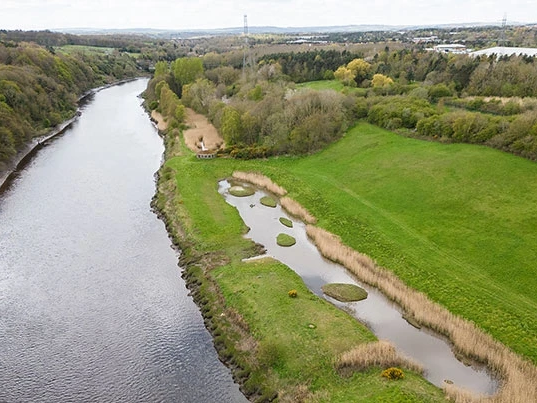
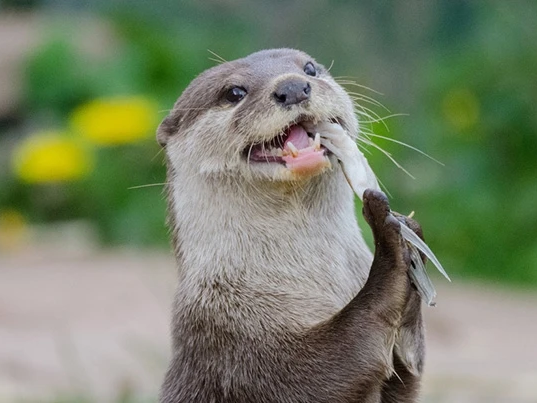
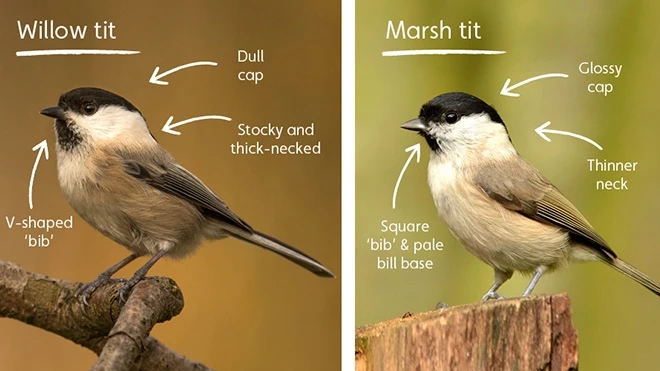
An optional excursion to Washington’s Wetland Centre, a premier wetland conservation centre, was run on the final day. This was an ideal time to reflect on the conference in the beautiful surroundings of a thriving wetland landscape. Trophic interactions unfolded before our eyes (rather than in a sequencer) between a range of birds, arthropods and small mammals. Chilean flamingos, otters, willow tits and a wide range of waterbirds were found throughout the site, representing wildlife from across Britain and beyond.
There were opportunities to watch otter feeding and other guided activities for close-up encounters with some fantastic wildlife, including pond dipping for aquatic invertebrates. The site boasts a range of interesting habitats, including a saline lagoon on the banks of the river Wear. Visiting in July, the peak for wetland biodiversity and activity, provided plenty of opportunities to relate the topics of the conference to the natural world, whilst also deepening connections between delegates.

Organising Committee