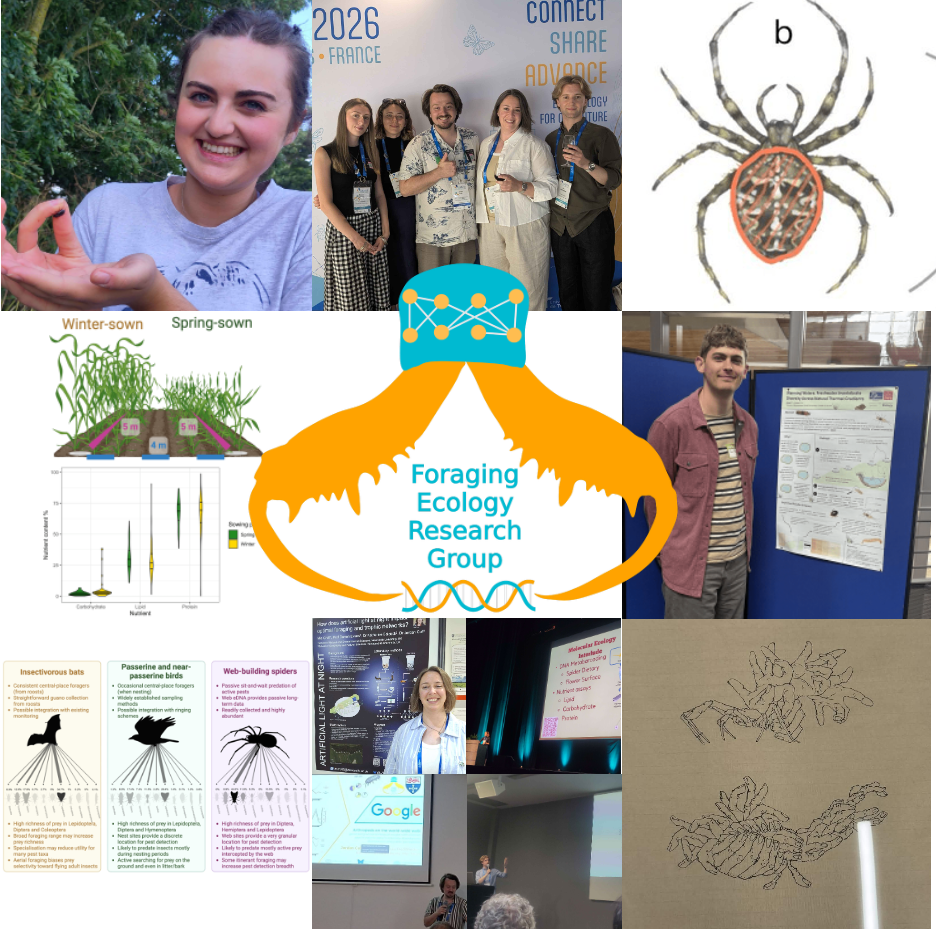
It’s been an incredibly busy time with conferences, meetings, fieldwork and publications, hence a later-than-usual entry to FERG News! Check out some of what we’ve been up to in June below, and we’ll have an equally exciting update to share in the coming weeks for July too!
If you want to keep up with our latest updates, you can sign up to email alerts below!
FERGers and friends
First up, we are incredibly sad to be saying goodbye to Lucy, who is finishing her postdoc and moving onto an incredible position with OptiGene! Lucy’s been working closely with OptiGene as part of her postdoctoral research, so it’s a natural progression and a really exciting opportunity to continue developing the diagnostic assays that Lucy has been mastering so far. Since we’ve been working closely with OptiGene on the SporeDetect project that Lucy was working on, we’re excited to continue collaborating with Lucy in this new capacity!
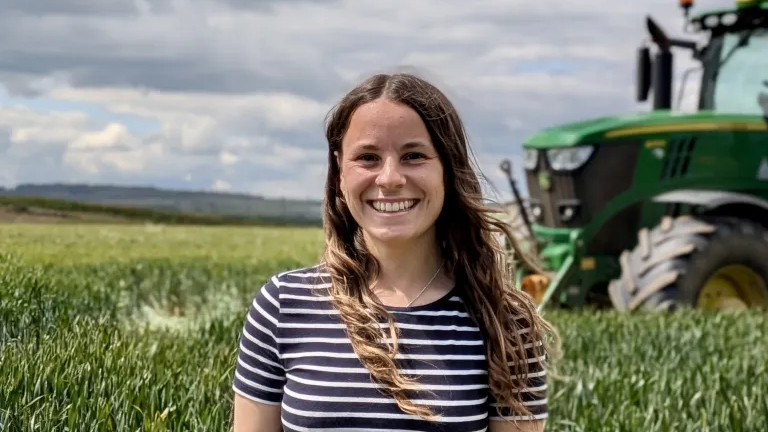
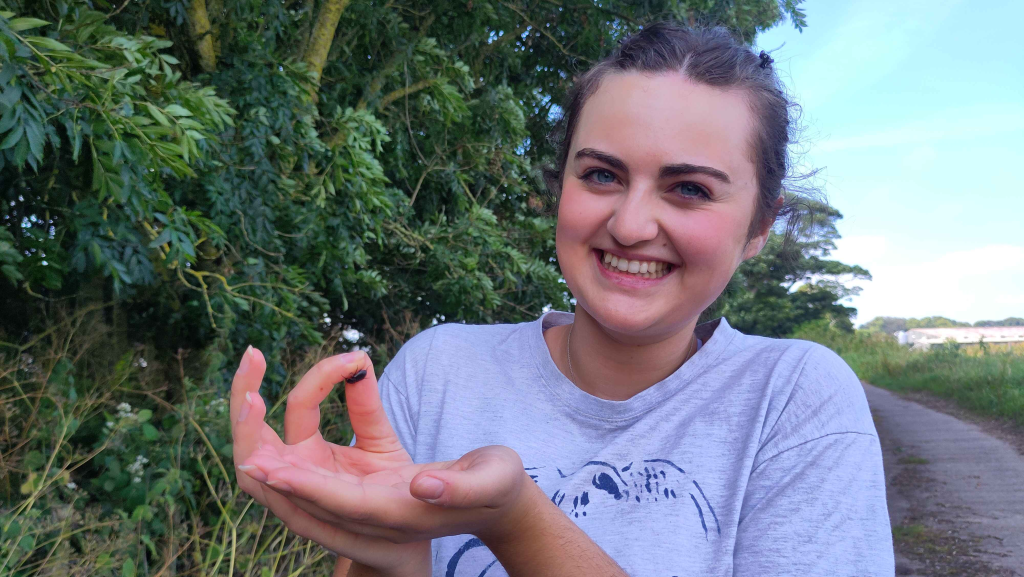
It’s not all goodbyes though! Annabel Smyth is joining us for the summer to assess how arthropod predator nutrient content and nutritional niches shift with distance into agricultural fields. This is a Rank Prize-funded undergraduate vacation scholarship, so Annabel will be with us for eight weeks, running a couple of rounds of field experiments alongside feeding trials and biochemical assays!
Outputs and outcomes
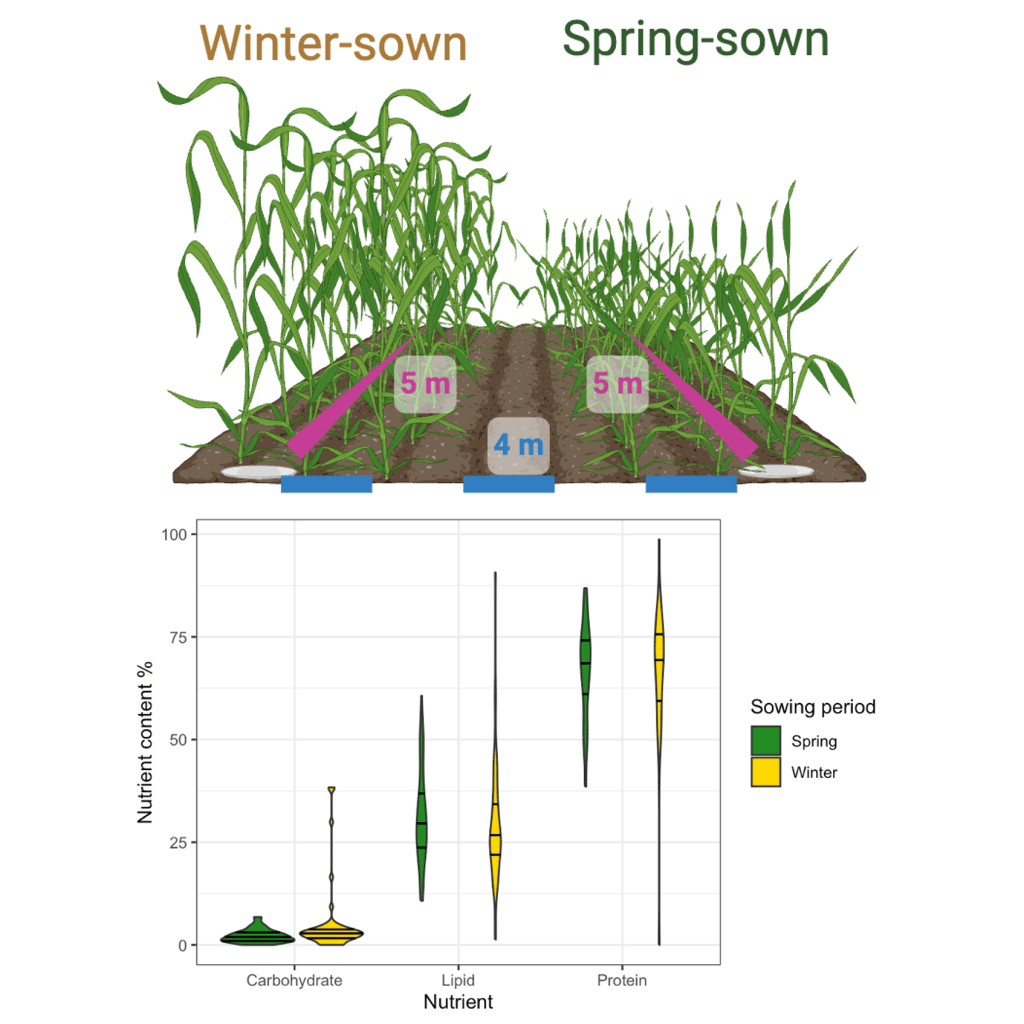
A paper that Rosy and Rebecca have co-led as part of Rosy’s MSc and Rebecca’s third year project has been published in Bulletin of Entomological Research! This paper demonstrates that the sowing timing of crops can significantly alter the nutrient content of arthropod predators over really small spatial scales. The paper assesses whether this is driven by concomitant changes in prey availability, which it doesn’t appear to be, indicating a far more complex story potentially involving changes in prey quality and density independent foraging. This is Rebecca’s first paper and Rosy’s first first-author paper, so massive congratulations to them both!
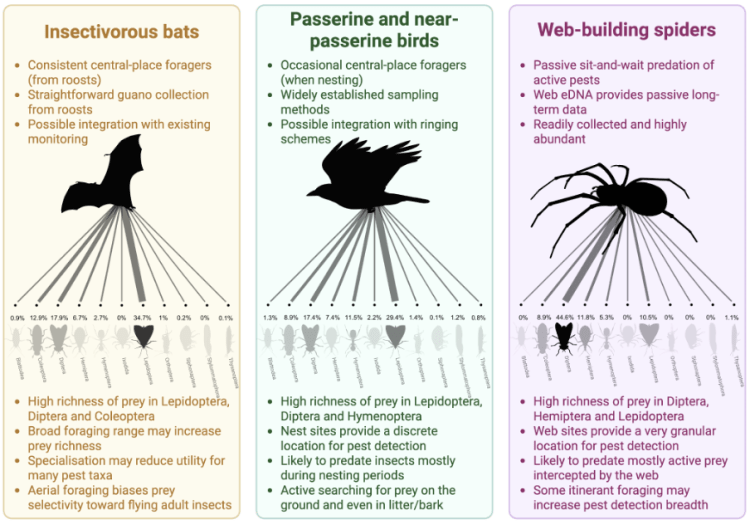
We’ve also published a new preprint on EcoEvoRxiv from our recent Scottish Government-commissioned collaboration with Forest Research and Fera Science Ltd.: Evaluating the potential of molecular dietary analysis of predators for the detection of emerging plant pests. The preprint highlights the potential for using dietary analysis of predators for the detection and monitoring of emerging plant pests. Keep an eye out for the paper appearing in a peer reviewed journal soon! If you want to read more than just the preprint, check out the full Scottish Government report, which includes a lot of juicy details that didn’t make the paper.
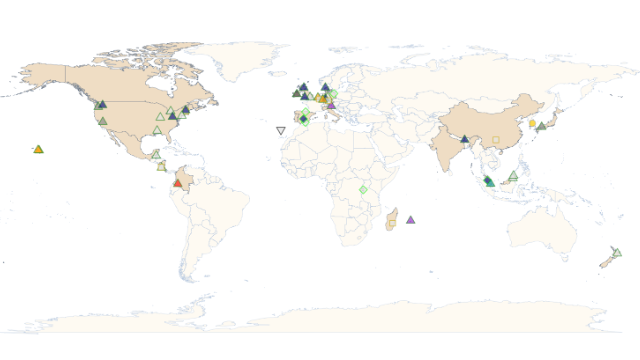
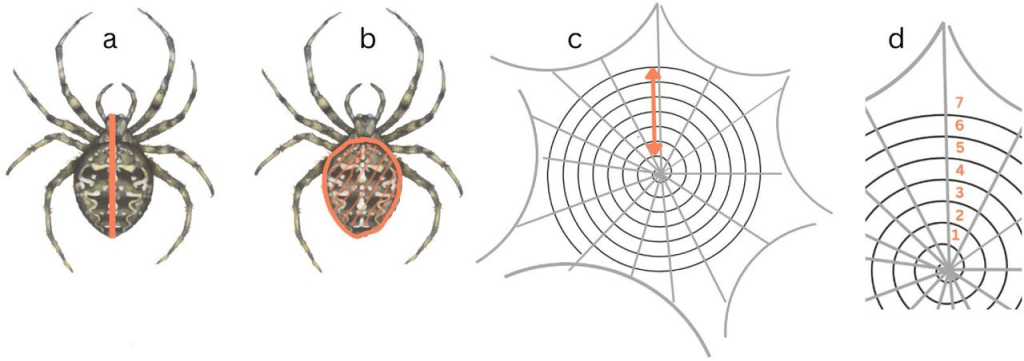
Rounding off the month, we had another preprint out which was led by Bram Vanthournout as part of a massive intercontinental investigation of urbanisation effects on spider ecology and morphology: Urbanization effects are trait-specific and city-dependent across a widespread spider’s global range. This preprint shows that urbanisation effects are trait- and context-dependent, likely influenced by local factors such as heat island intensity, microclimate, or prey availability. Linking within- and between-city variation will improve understanding of species phenotypic responses to urban environments. Keep your eyes peeled for the peer-reviewed paper in the coming months!
FERG in the wild
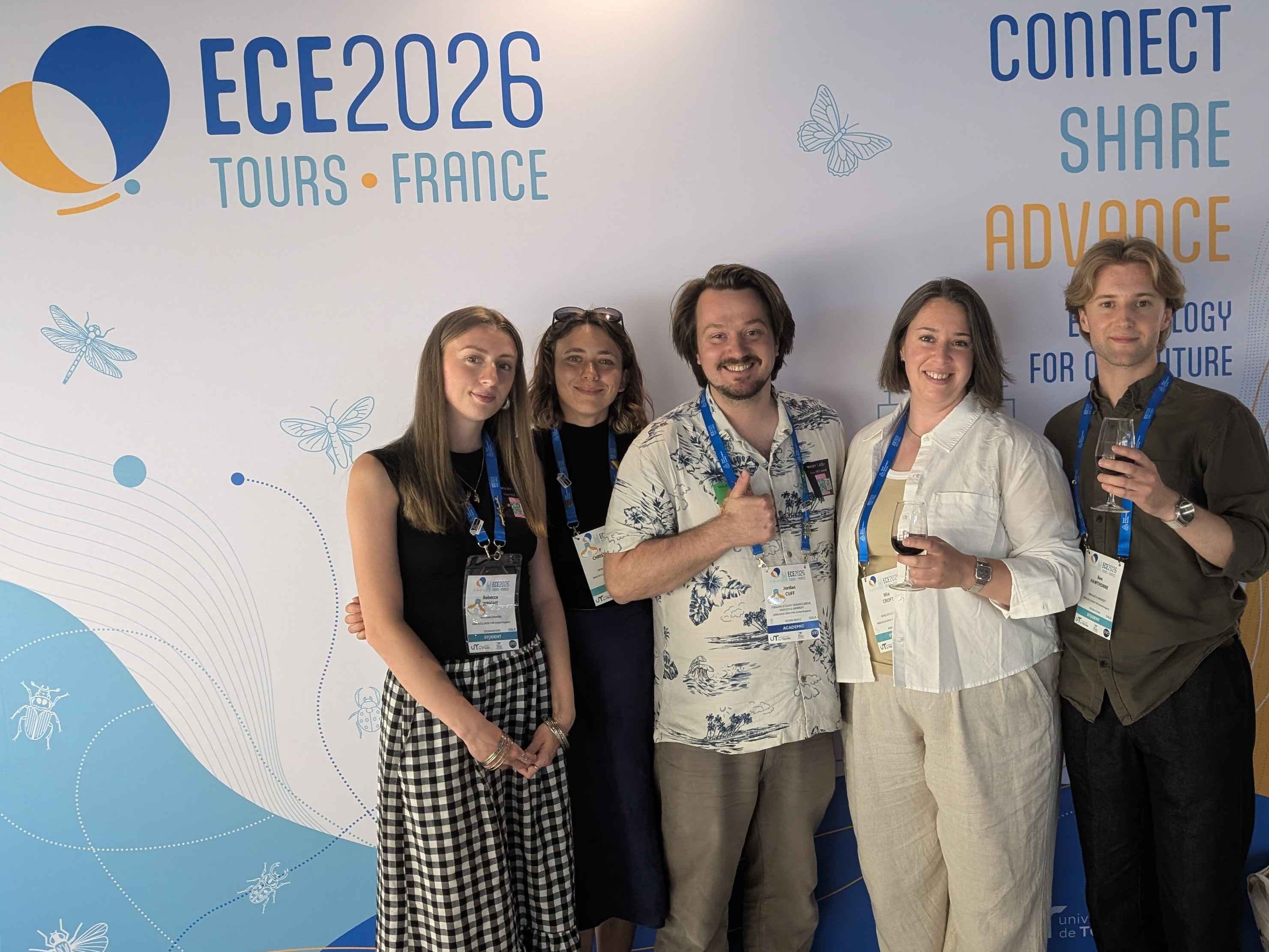
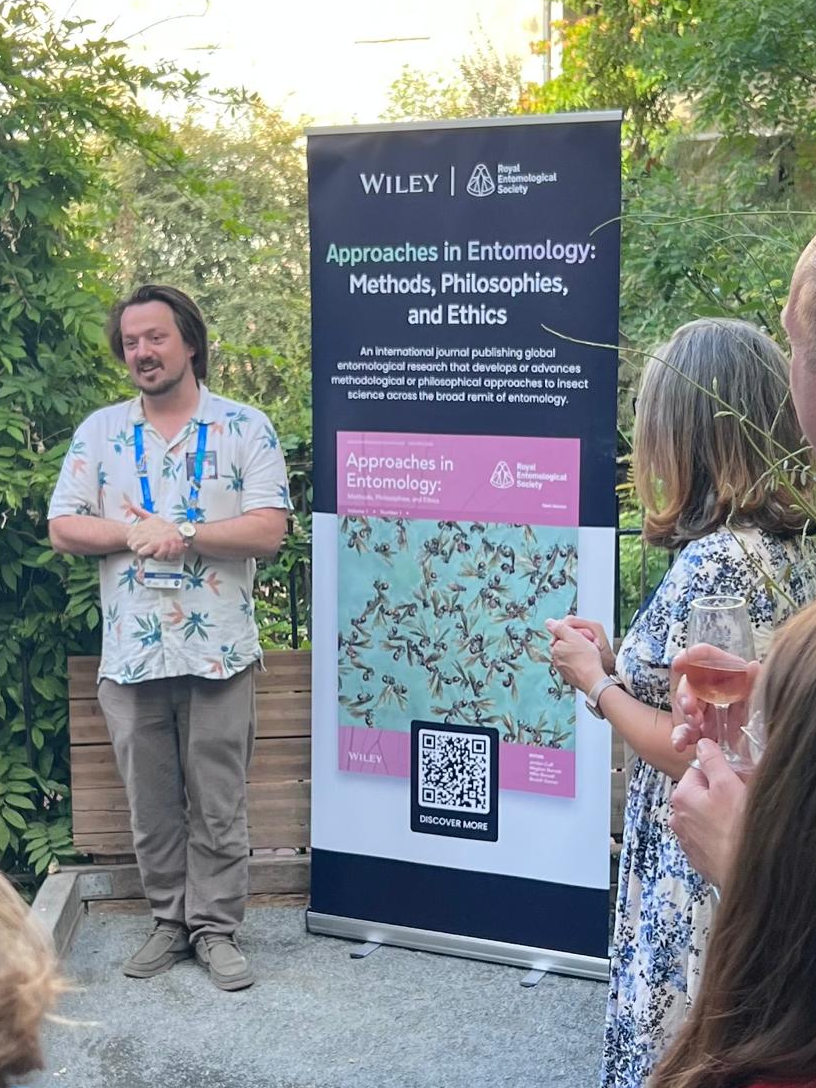
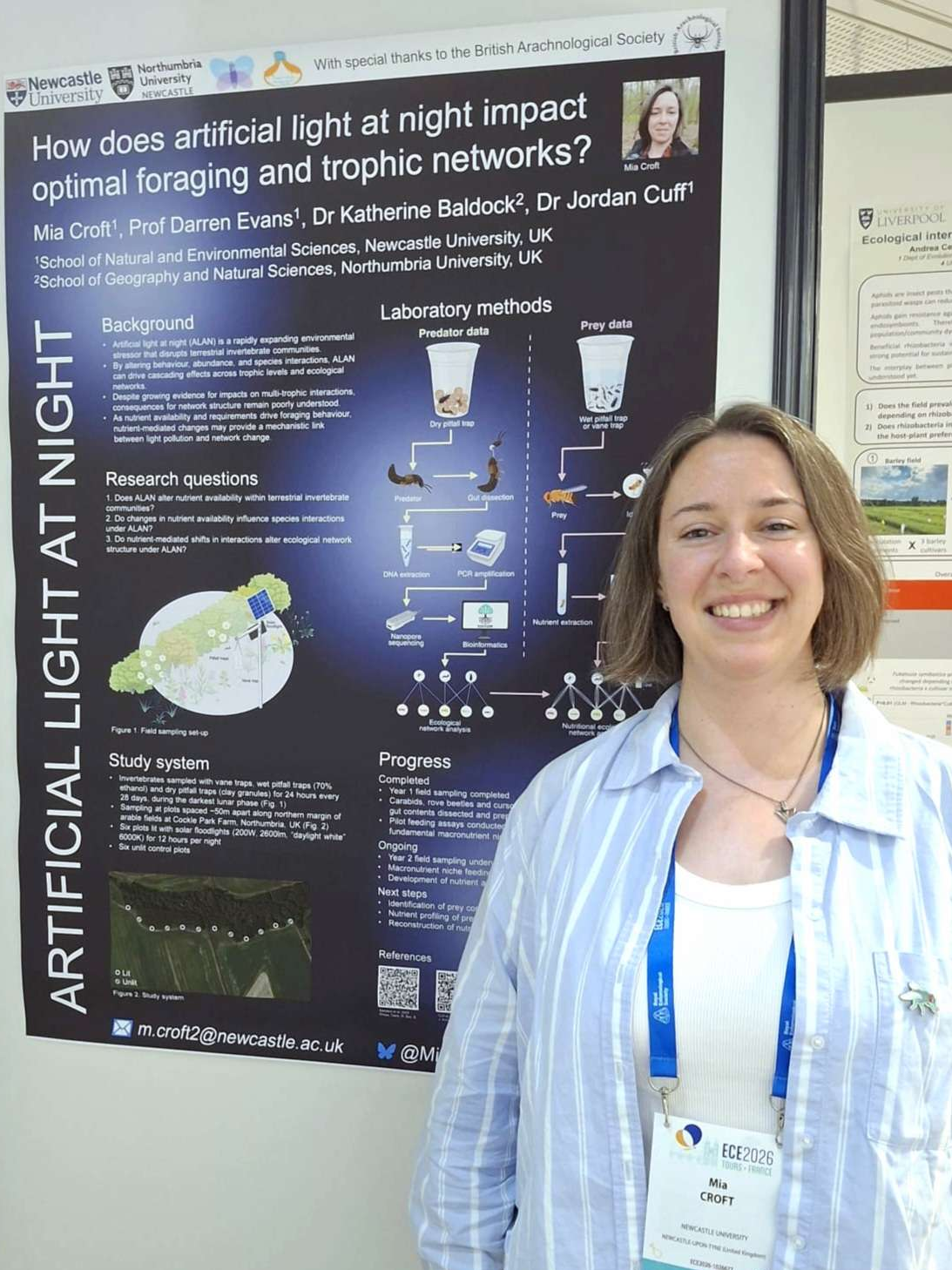
A few of us have ended the month over in Tours, France for the European Congress of Entomology! Check out our dedicated post about the conference for the full scoop but, needless to say, we had a fantastic time! Ben, Mia, Rosy and Jordan presented some of their work, there was an official launch party for the new Royal Entomological Society journal, Approaches in Entomology, and all sorts of other exciting discussions, events and presentations. We’re already looking forward to the next one!
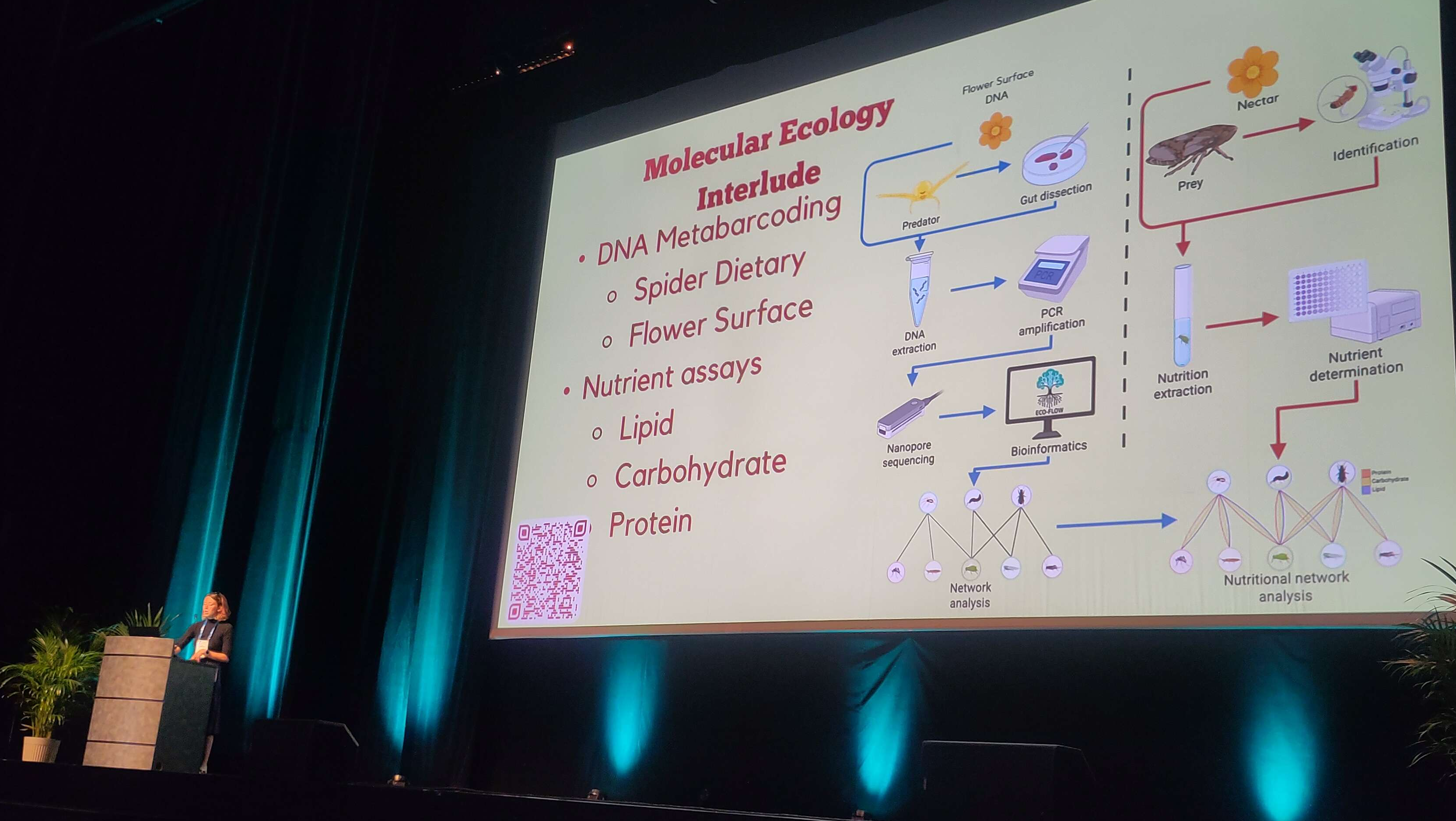

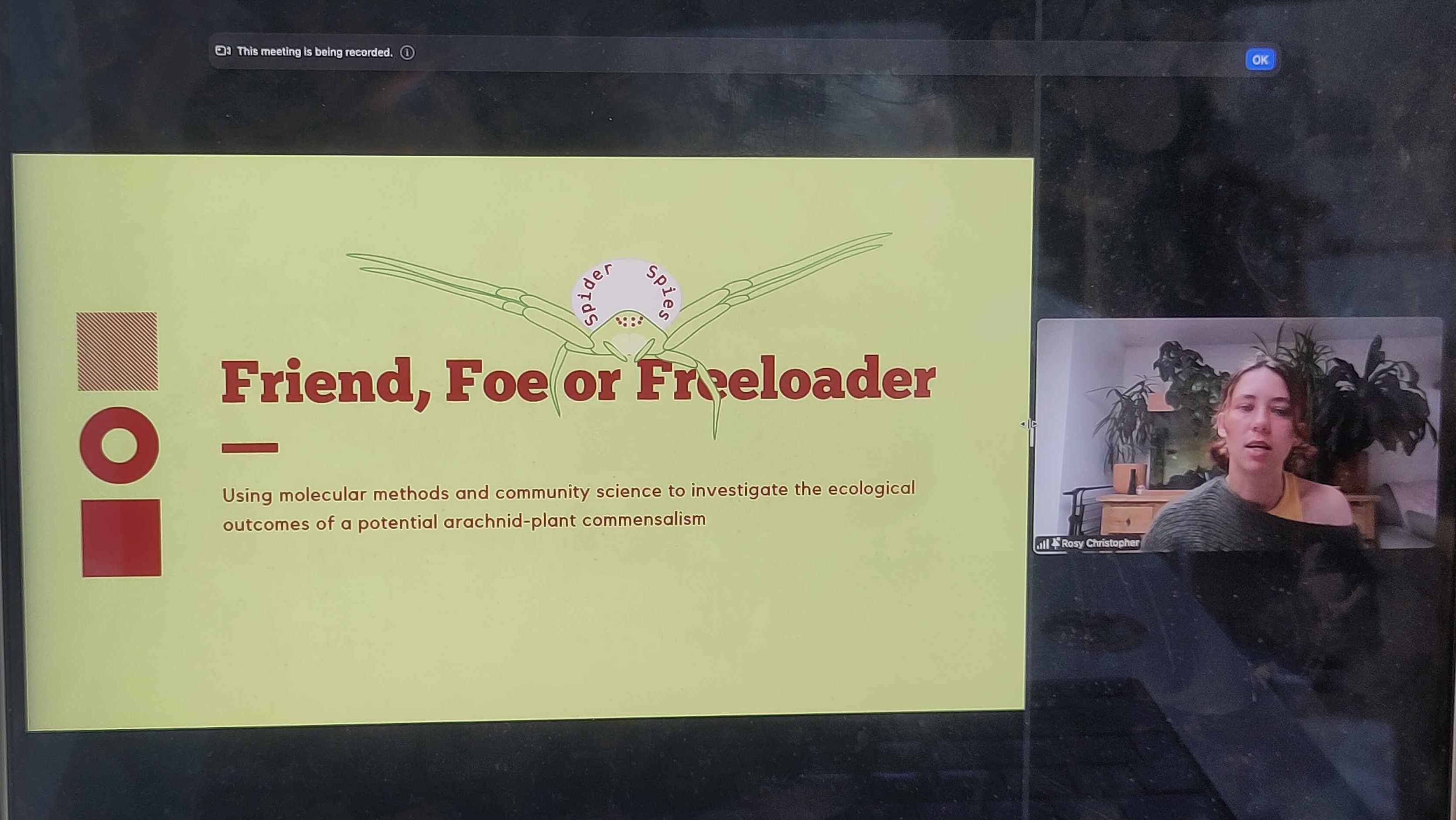
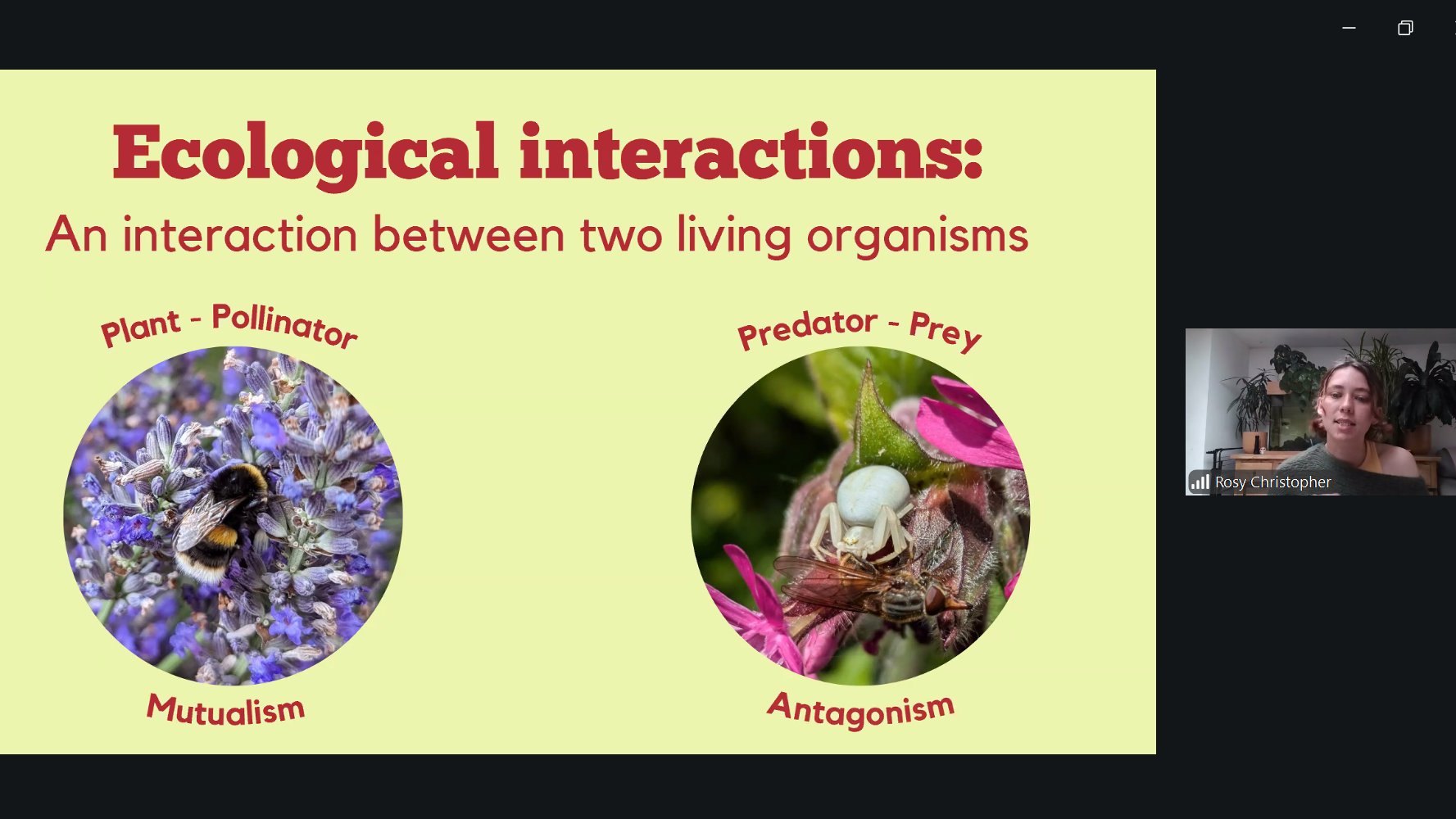
Rosy didn’t just present at ECE though – she did a world tour this month! Rosy presented a talk about her PhD research and particularly the community science component, Spider Spies, for the EntoLive webinar series, which you can watch online! She also presented a similar talk for the British Arachnological Society’s Annual General Meeting.
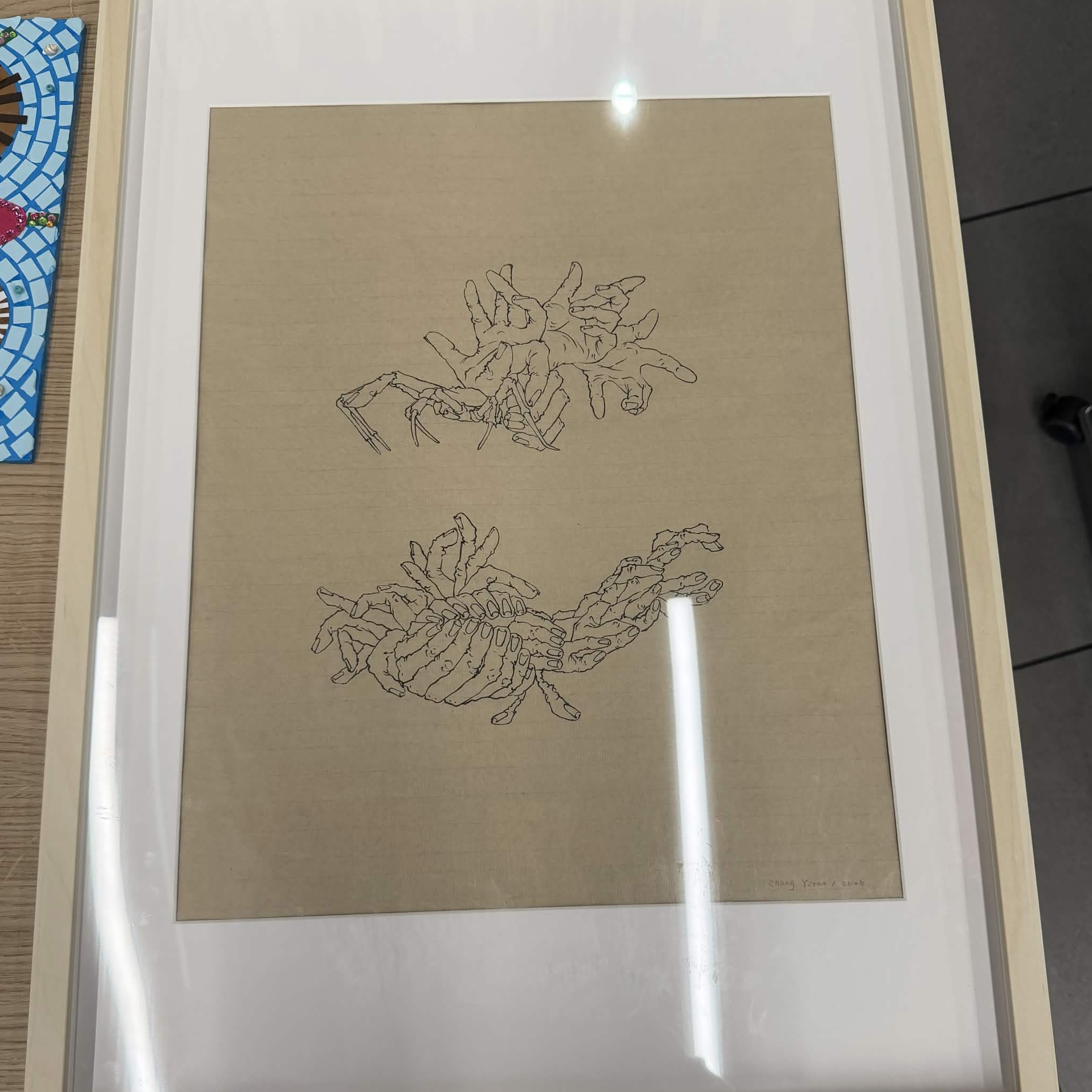
Ben gave a fantastic talk at Newcastle University’s School of Natural and Environmental Sciences annual symposium, SNESFest, about some of his PhD research! Yiran also presented at SNESFest for the ‘Art of Science’ exhibition! She shared an output from her Postbug project, which explores speculative relationships between humans and insects within ‘more-than-human’ futures. The works are inspired by the behaviours and morphological adaptations of arthropods, transforming the human hand into hybrid organisms that blur distinctions between human and nonhuman life. This is leading Yiran to produce incredible and thought-provoking work like the image below!
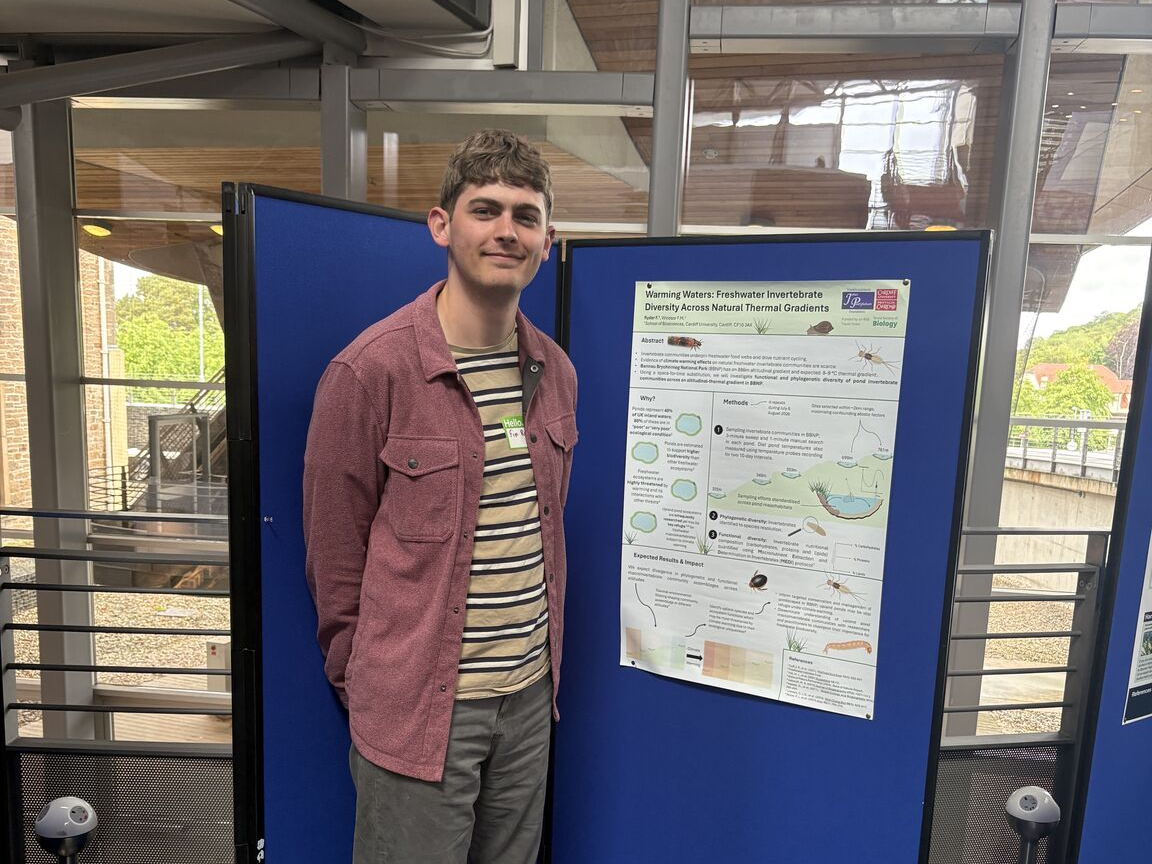
We also had the exceptional pleasure of having Fin come to visit this month! Fin came up from Cardiff to get to grips with our macronutrient analysis protocol, which he ran on a range of freshwater arthropods alongside Bethan, Dheeraj and Mia, who were analysing some of their own samples in parallel. It was a great opportunity to try out some new things too, which we’ll hopefully be able to report back on soon! Fin’s travels didn’t stop there though! He also made it up for the Freshwater Biological Association ASM 2026, hosted by Edinburgh Napier University to present a poster!
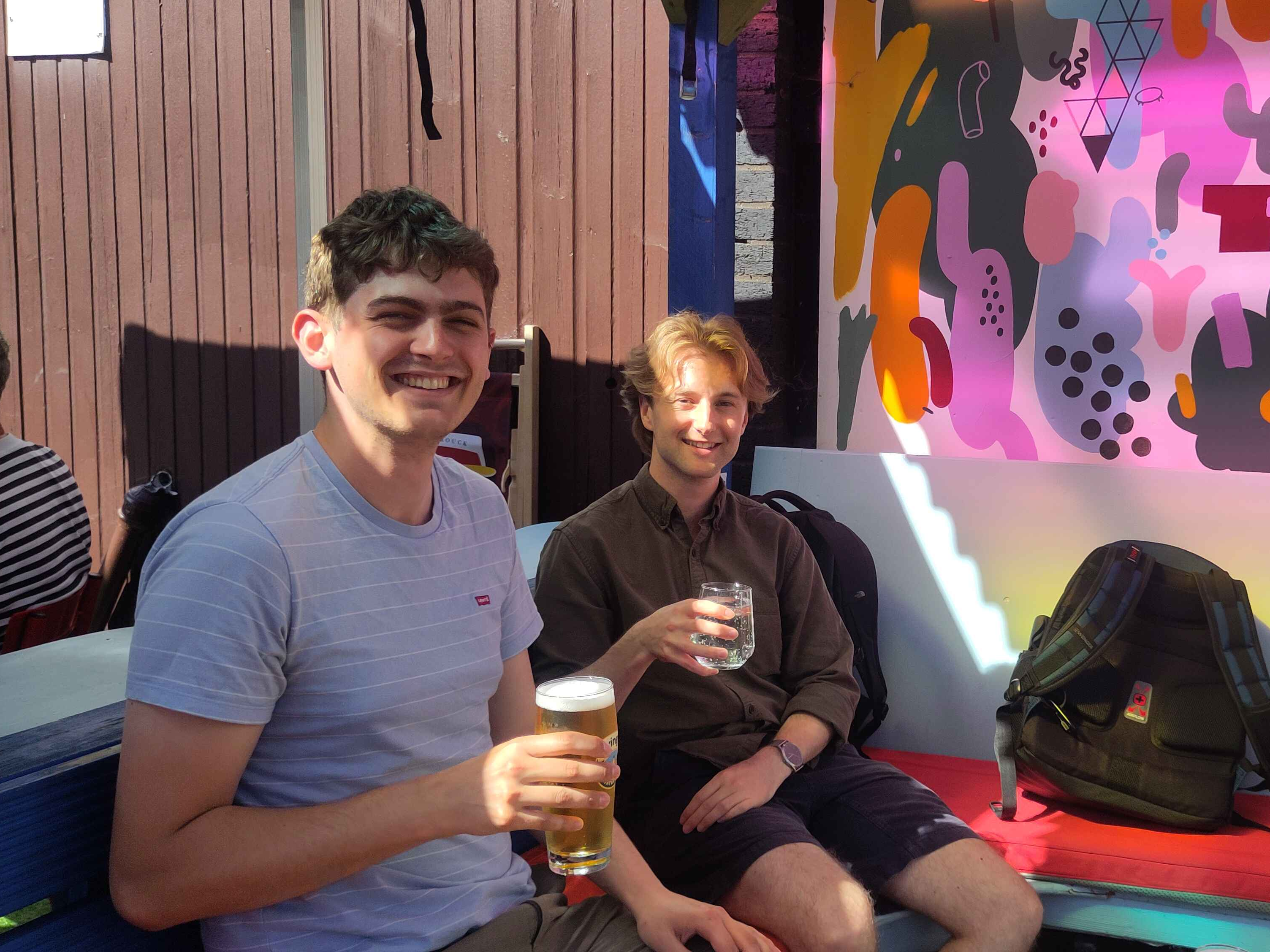
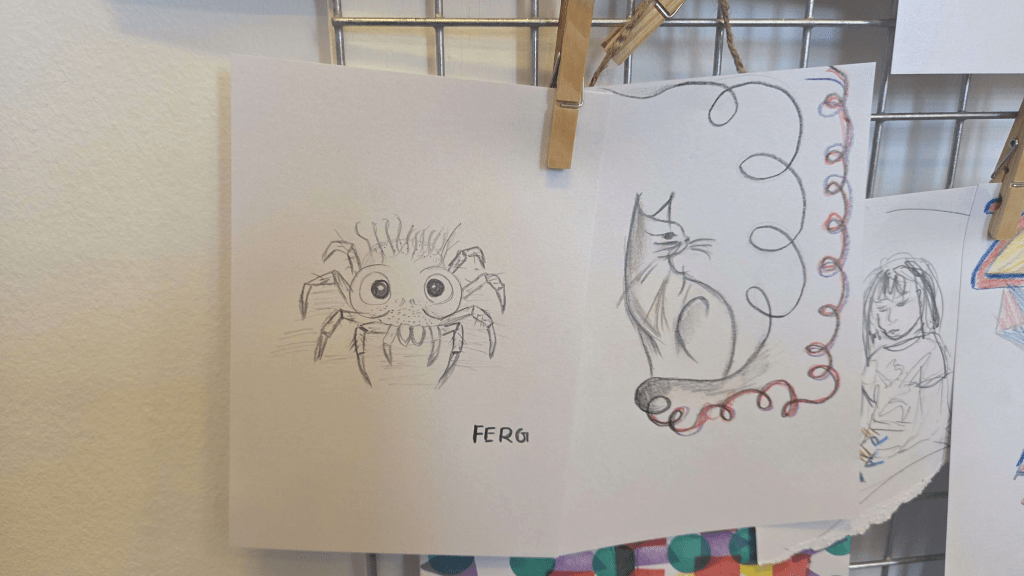
Dheeraj has been busy in the lab this month, getting ready to metabarcode his predator arthropod samples, but he did make it along to the Baltic Centre for Contemporary Art, where he left a small FERG-inspired piece of artwork behind!
Research spotlight
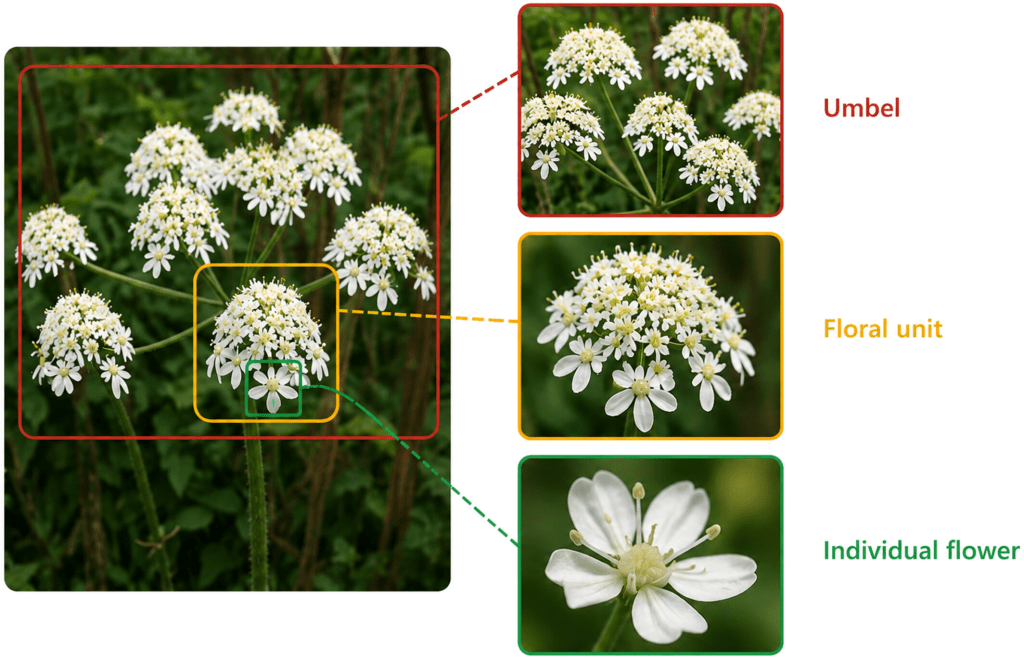
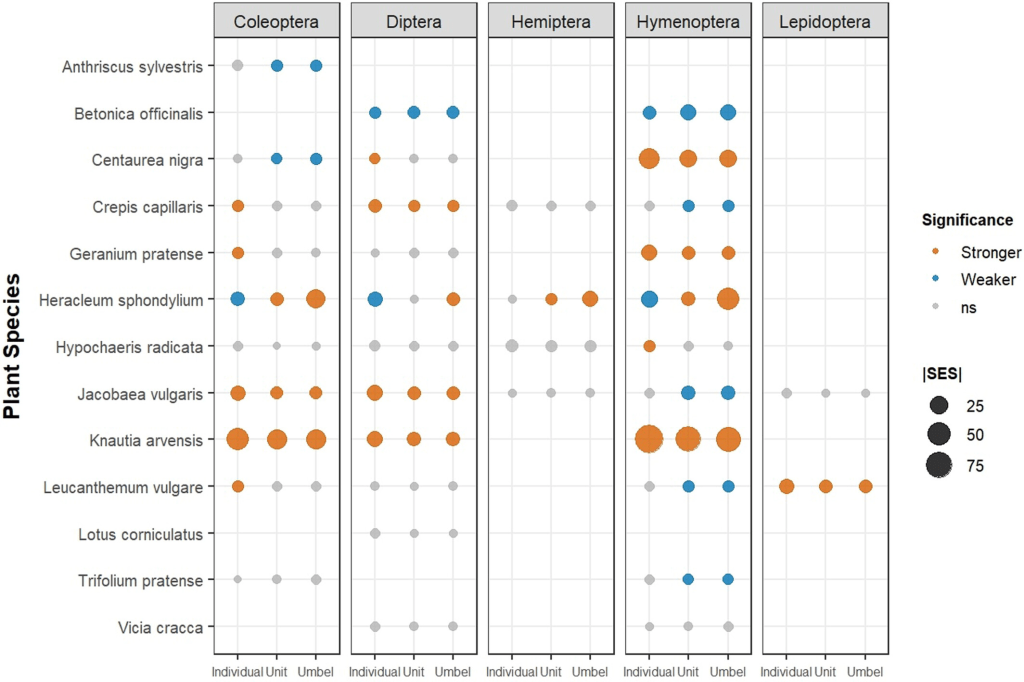
This month, we want to highlight this paper from Han Yan and co-authors: Alternative definitions of floral resource availability alter inferred plant importance in plant-pollinator networks
This study assesses how quantifying floral abundance differently has large effects on plant-pollinator null network properties and, consequently, inferences of resource preference based on those null networks. Using common hogweed and insect pollinators, Yan et al. assessed resource preferences based on counts of umbels, floral units and individual flowers, and showed substantial changes to the results of null network analyses across the three. This nicely extends our work similarly demonstrating that differences in prey availability data impact inferred preferences in predator-prey networks.
Taxon of the month
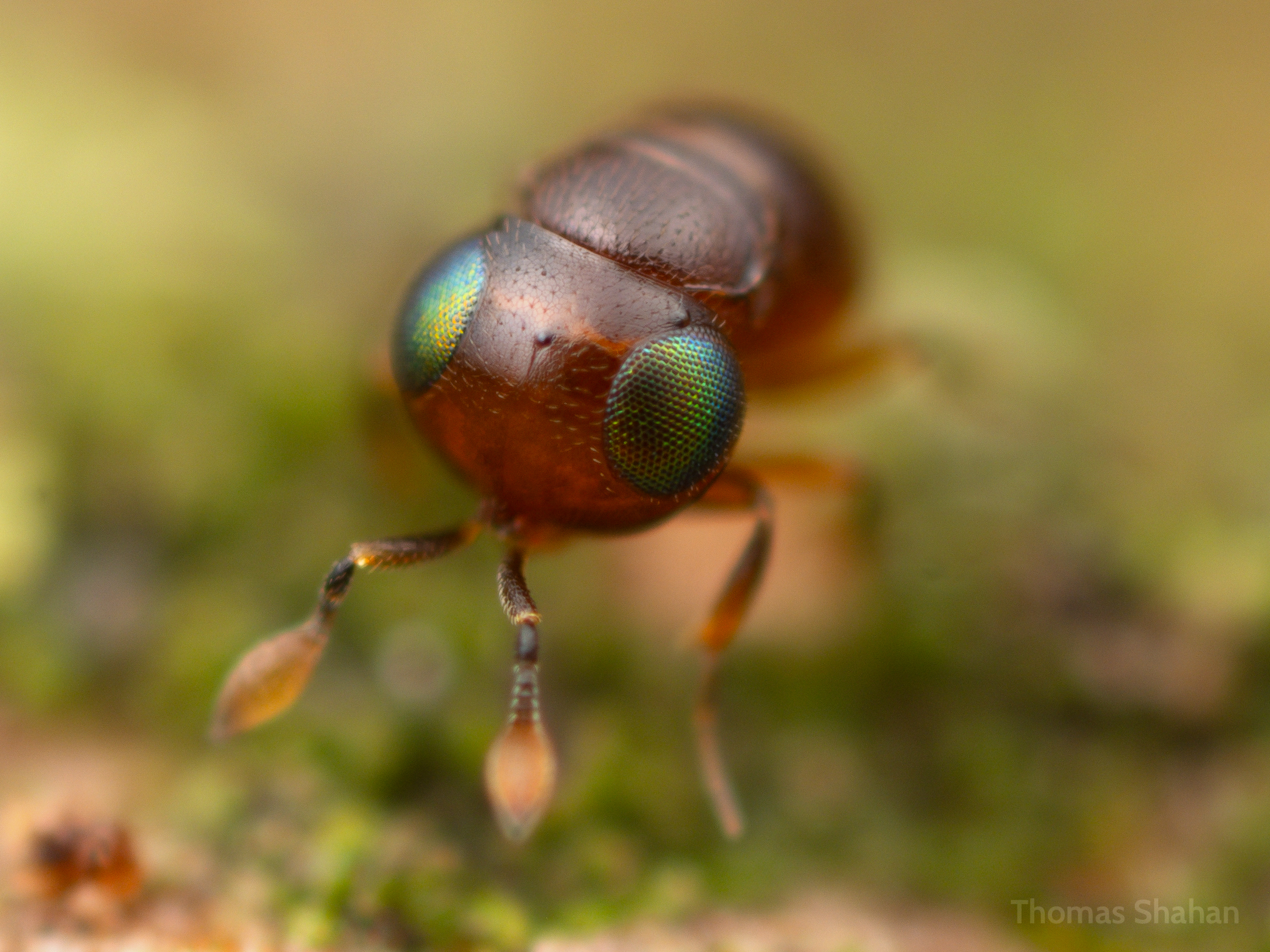
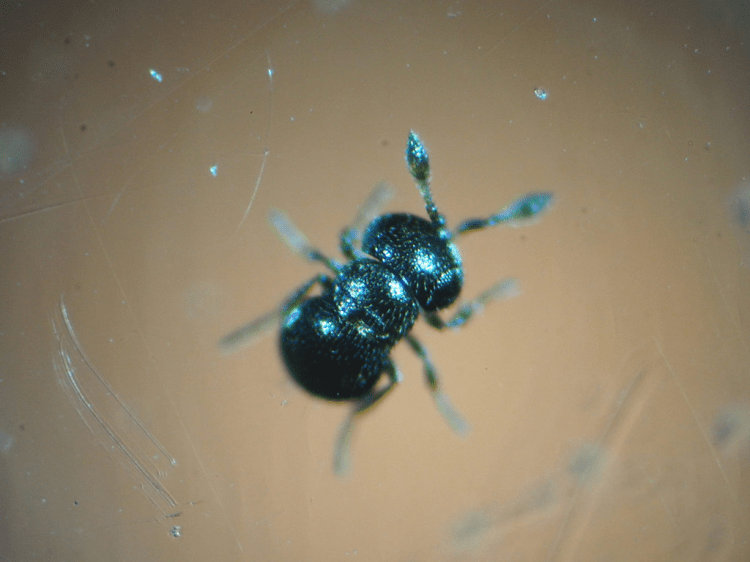
Our taxon of the month is the wasp genus Baeus!
Baeus wasps are parasitoids of spider eggs and are notable for their incredibly small size (< 1 mm) and the wingless forms of their females. Many think they look ‘flea-like’ given their size and winglessness! Females can phoretically disperse on spiders, waiting for the spider to deposit its eggs and then parasitising them. They are endoparasitic, so fully developed adults will emerge from the egg when finished, ready to start the cycle all over again.