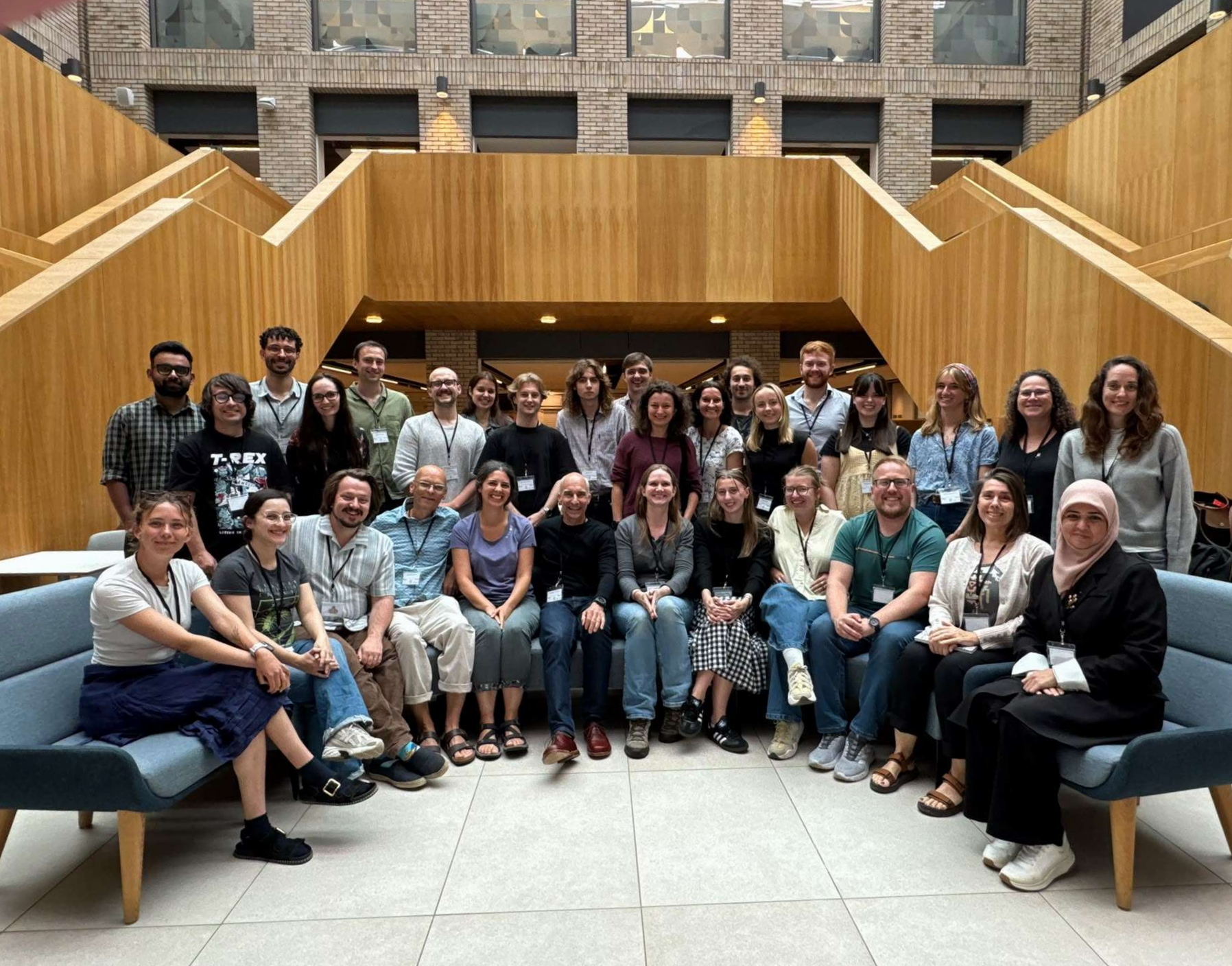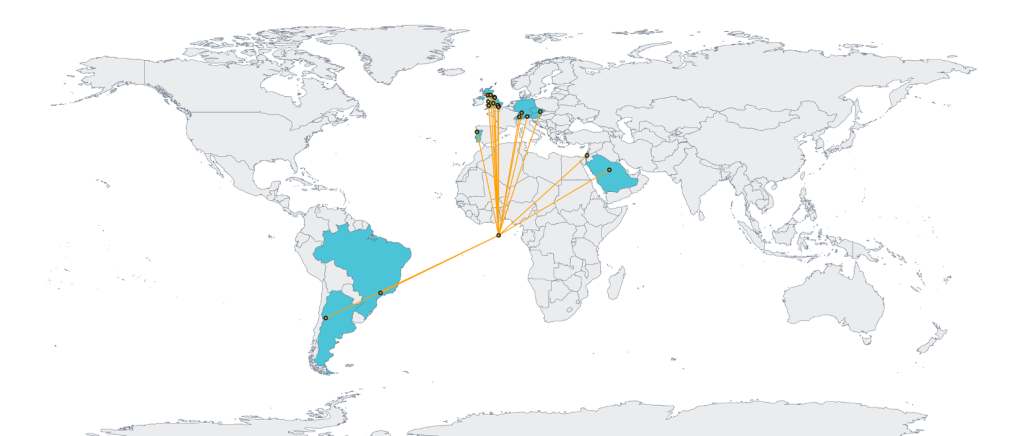
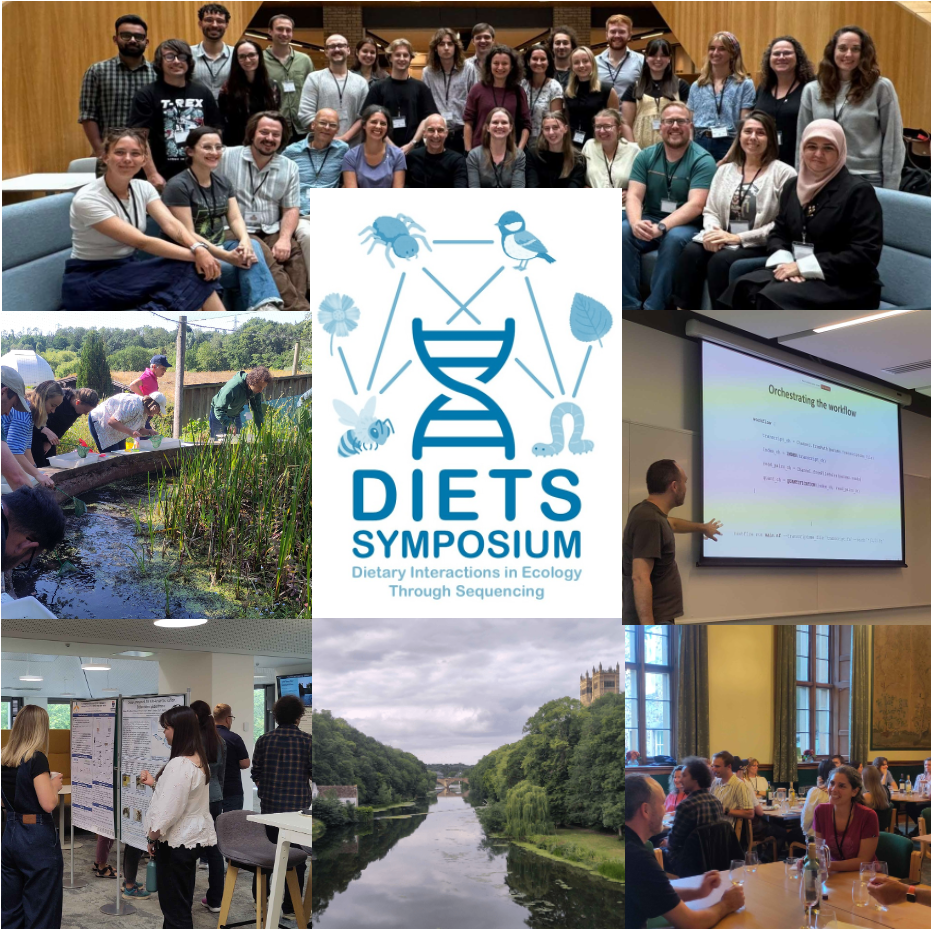
After months of planning and build-up, we just held the first Dietary Interactions in Ecology Through Sequencing (DIETS) Symposium! Mia and Jordan co-ran the symposium with Andreanna Welch and Beth Jetson from Durham University – a dream team! It went incredibly well and we had an absolute blast. Read below for some of our thoughts, reports and insights!
A bit of history
As a bit of background, the last related event was arguably the 3rd Symposium on the Molecular Analysis of Trophic Interactions at SLU, Uppsala, Sweden in 2017. This was an incredible event which brought together tens of people working on the molecular analysis of trophic interactions. This iteration of the conference was particularly interesting given it was joined with the 3rd Symposium on Ecological Networks (EcoNet, which we co-hosted here in Newcastle last year)! A follow-up was planned in Canada in 2020 but, much as most things that year, those plans were disrupted by the COVID-19 pandemic. Now, almost ten years on from the last event, we thought it was the perfect time to start it up again!
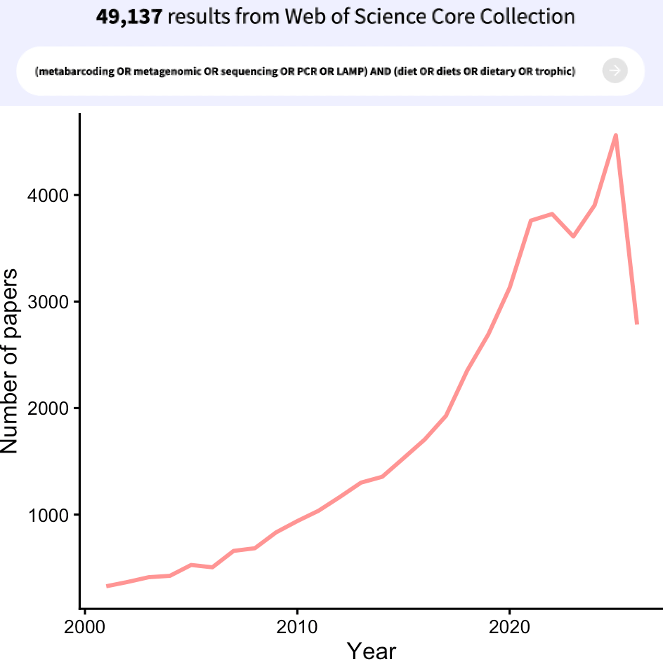
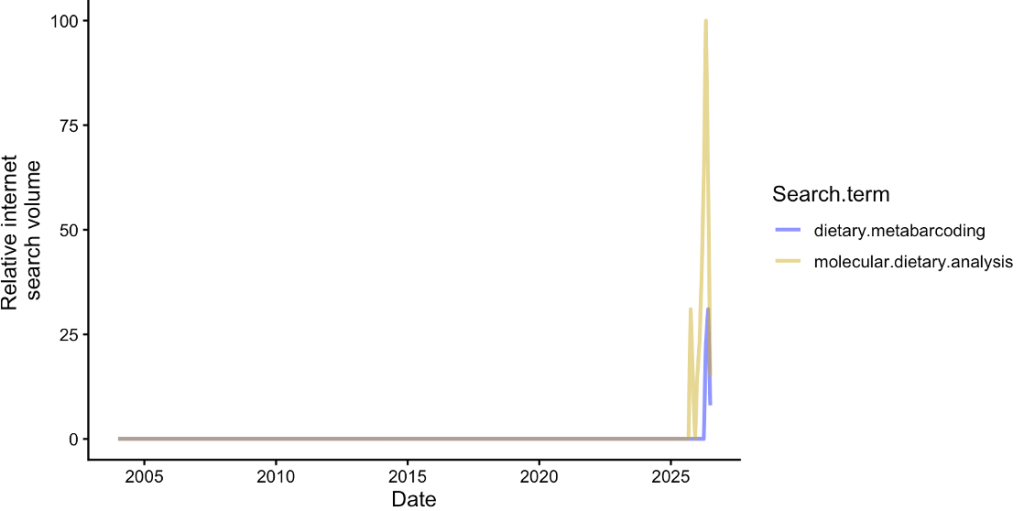
We’re also at a time of unprecedented interest and uptake of molecular methods for the analysis of trophic and wider ecological interactions. According to a quick Web of Science search, we’ve seen an almost exponential (bar a couple of blips) increase in the number of papers mentioning molecular methods and trophic interactions. Similarly, we’ve see an incredibly sharp increase in the number of people Google searching dietary metabarcoding and molecular dietary analysis (so sharp, in fact, that it renders everything before this year negligible in comparison). International standards are also being introduced for the analysis of environmental DNA, establishing a precedent for consideration of best practices in the adjacent practice of molecular dietary analysis. All of this to say that we felt it was the perfect time to come back together as a community.
The historic setting
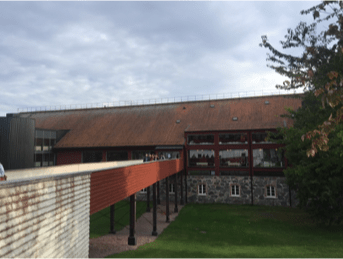
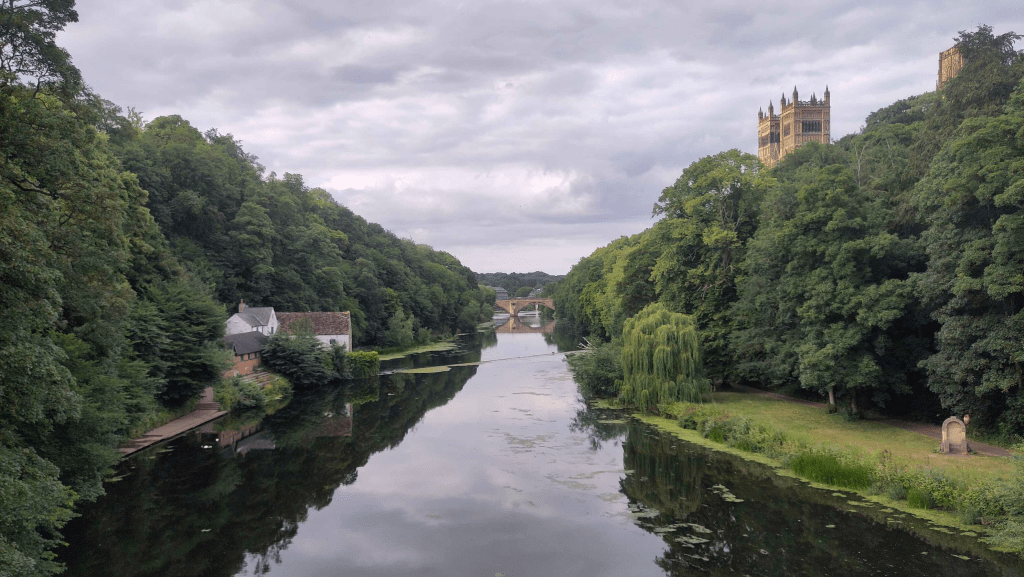
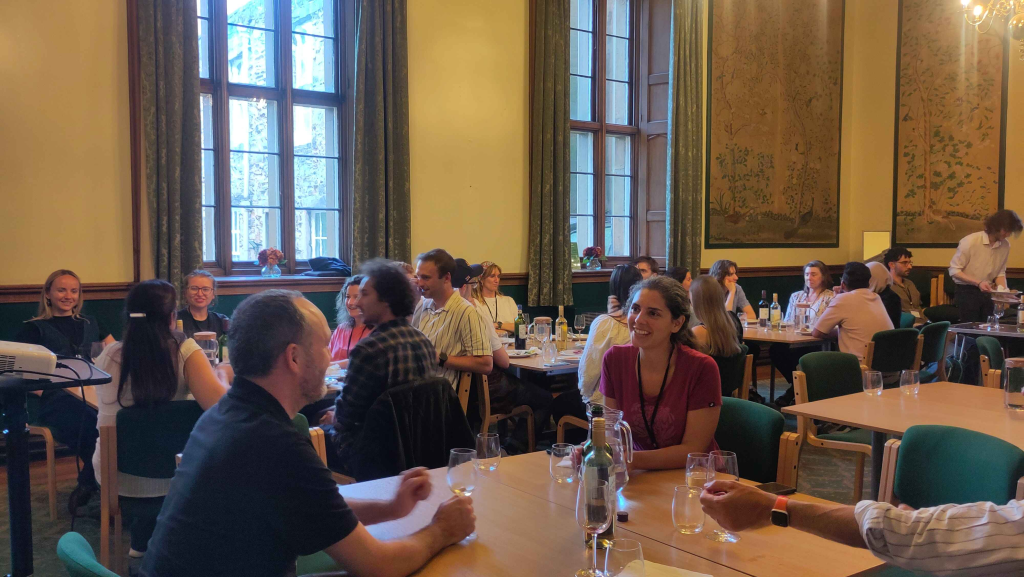
The DIETS Symposium was held in the beautiful historic city of Durham, just a stone’s throw away from Newcastle and home to Andreanna and Beth’s research group and labs. Durham was an ideal choice given its historic charm and nice walkable size, not to mention the excellent conferencing facilities on offer within the university. We even managed to hold the conference dinner and one of the plenaries in Durham Cathedral, a significant historic building and UNESCO world heritage site!
Eco-flow workshop
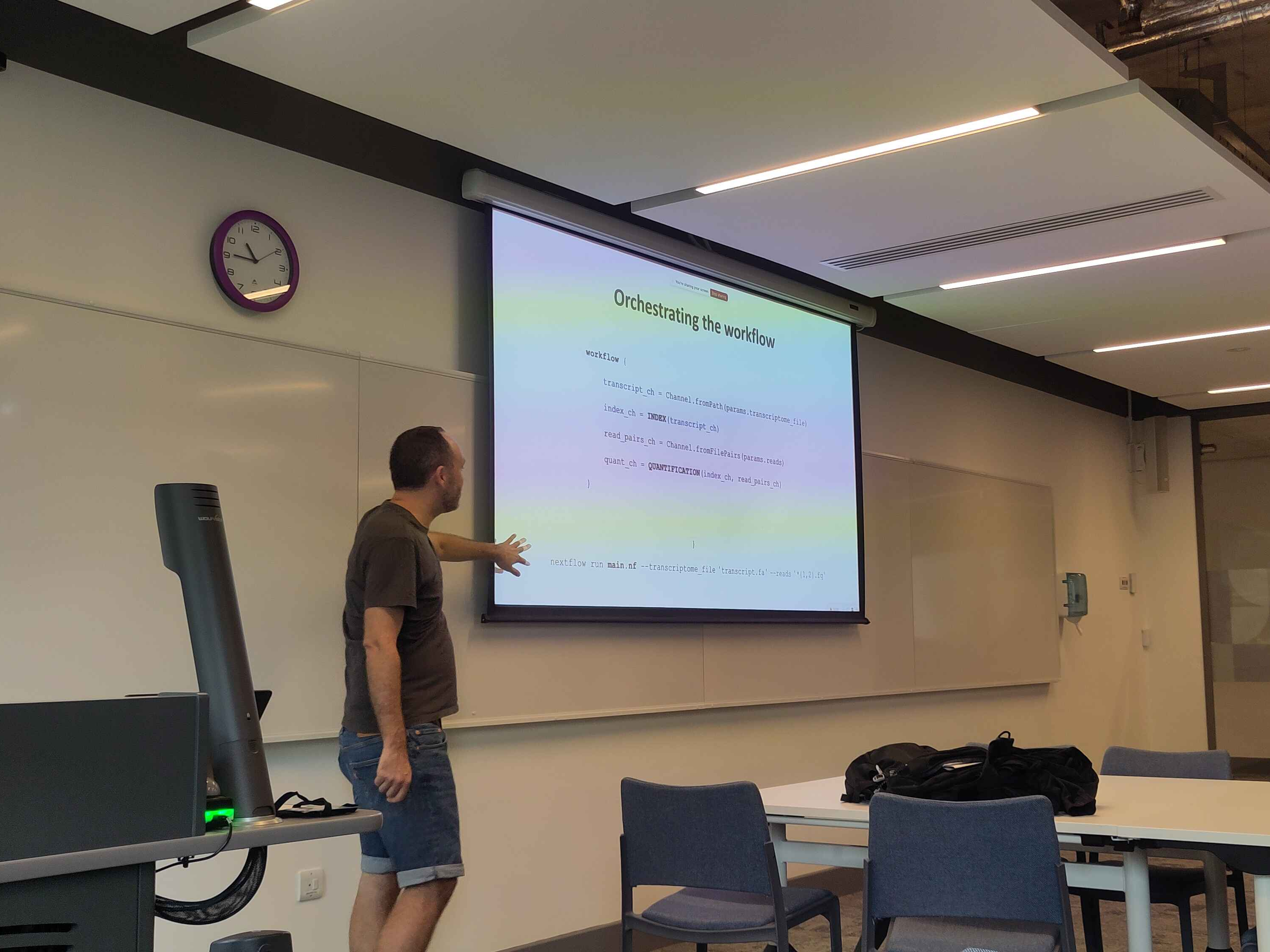
To kick the conference off, we had an incredible one-day workshop from University College London’s Eco-flow team, specifically Chris Wyatt and Fernando Duarte Frutos! They talked through how to use command line, run Nextflow pipelines and how to use a new containerised bioinformatics pipeline they have been developing with Jordan which analysed nanopore-based metabarcoding sequencing data and produces nice, tidy and usable ecological data. This pipeline goes a significant way toward making metabarcoding more accessible and usable by less experienced researchers, and reducing volatility surrounding the constantly evolving bioinformatics steps surrounding nanopore sequencing. The workshop was met with great enthusiasm, and even some constructive input on how to refine the pipeline further!
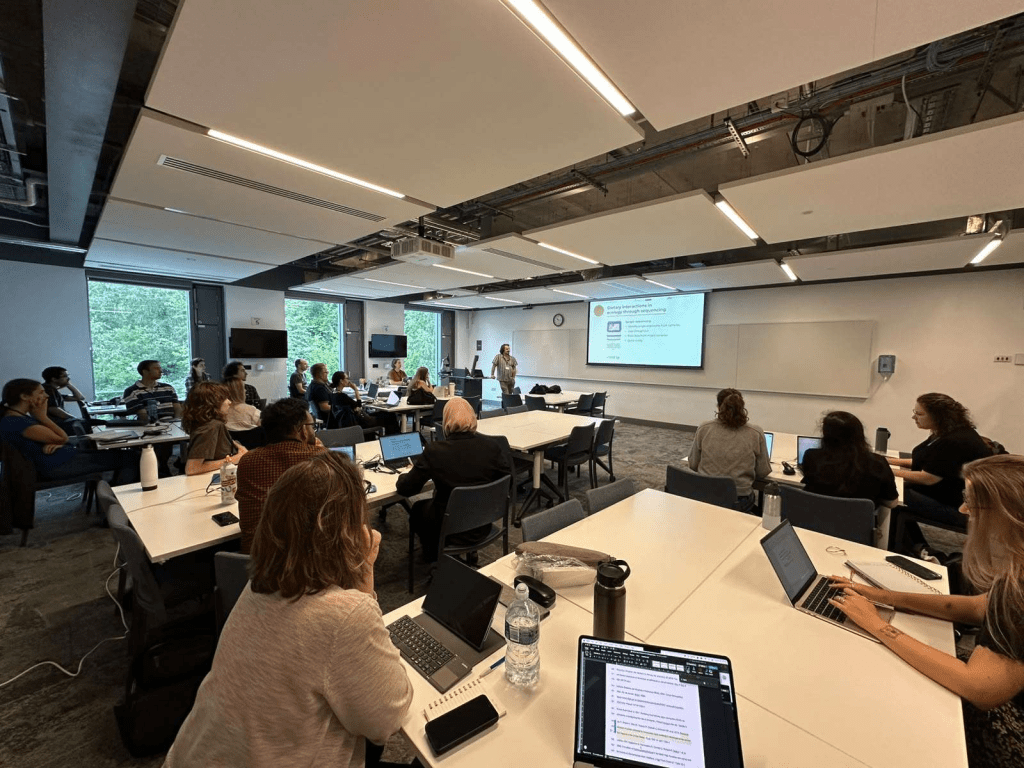
Presentations, posters and plenaries
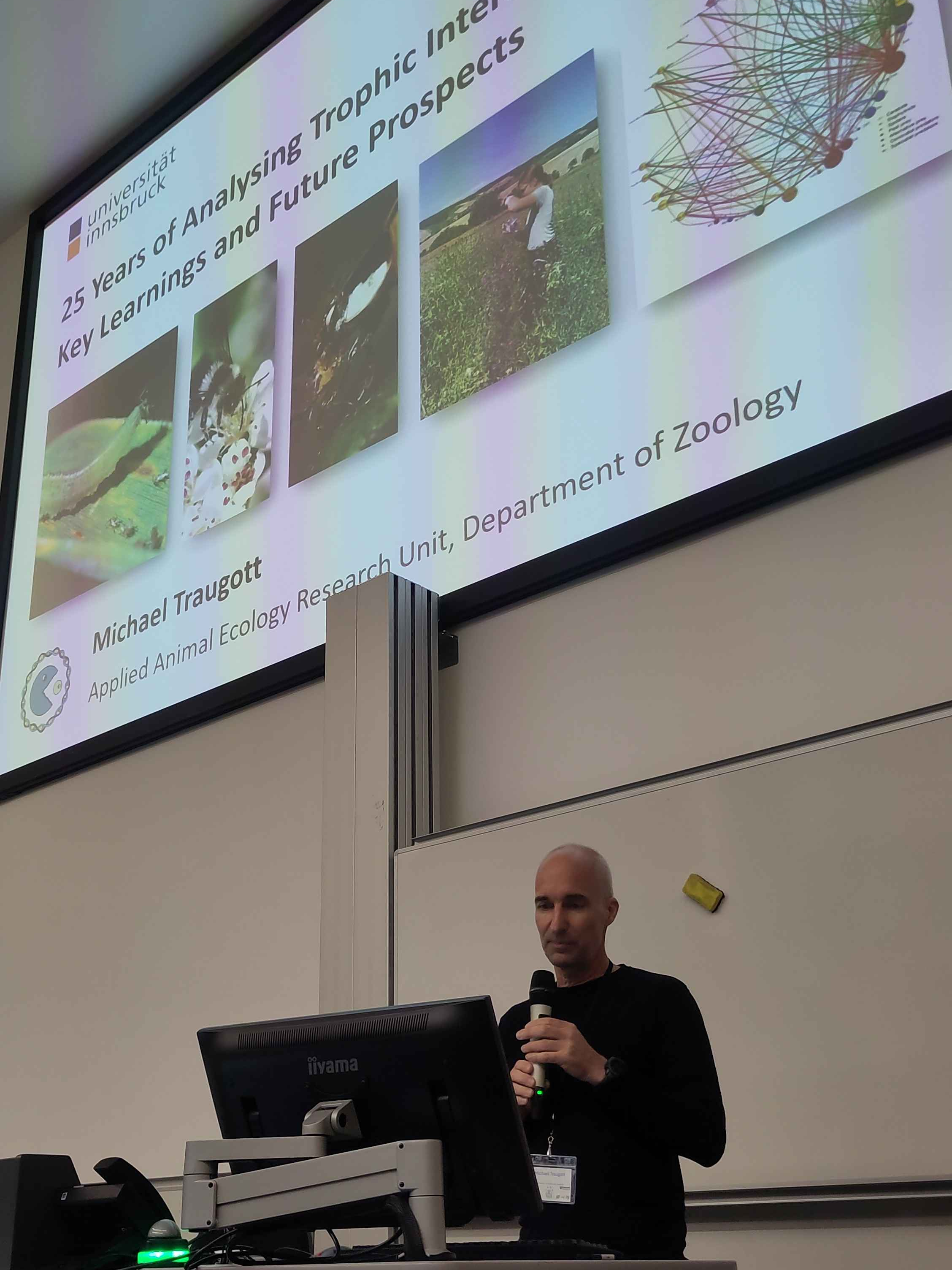
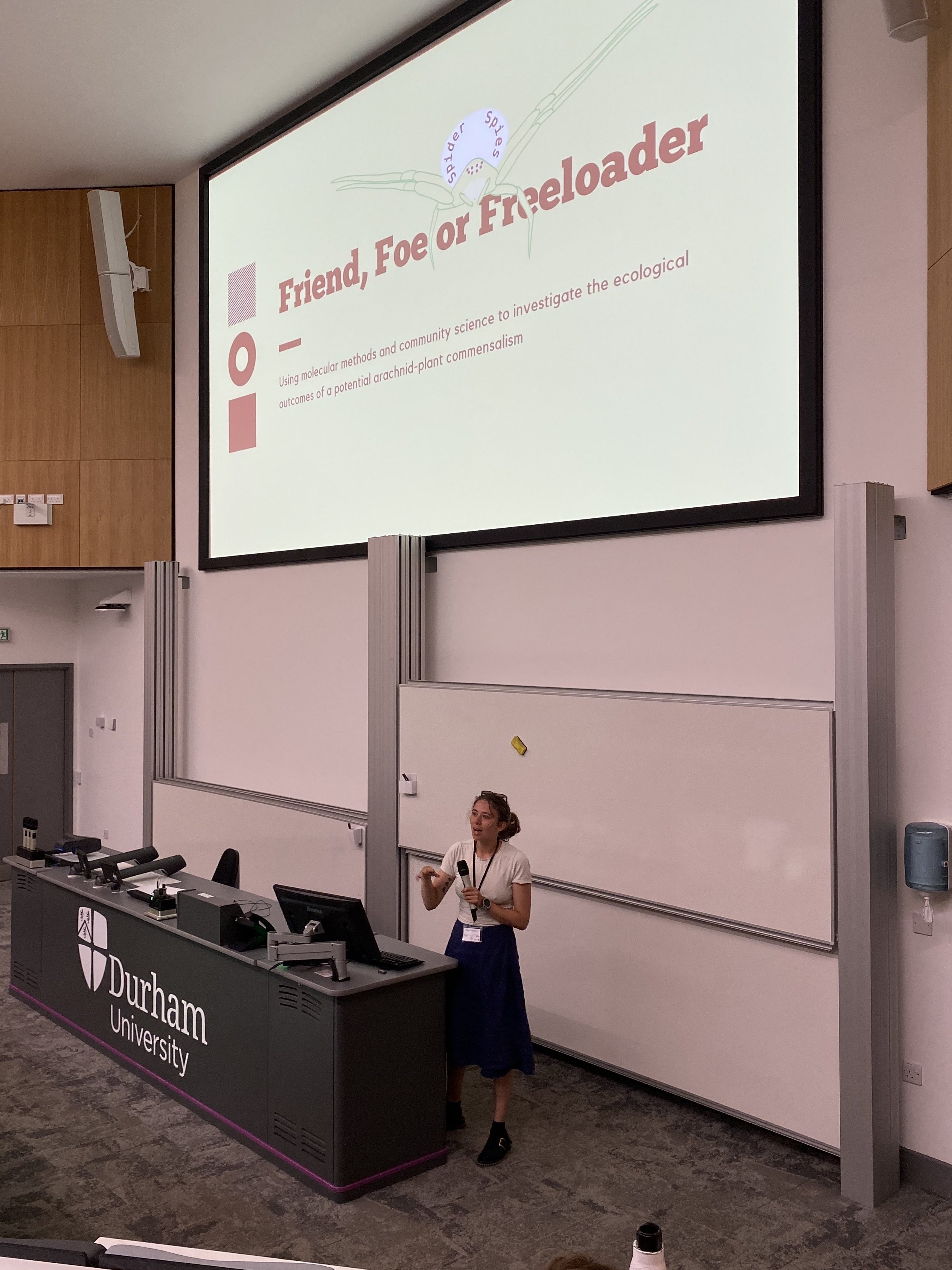
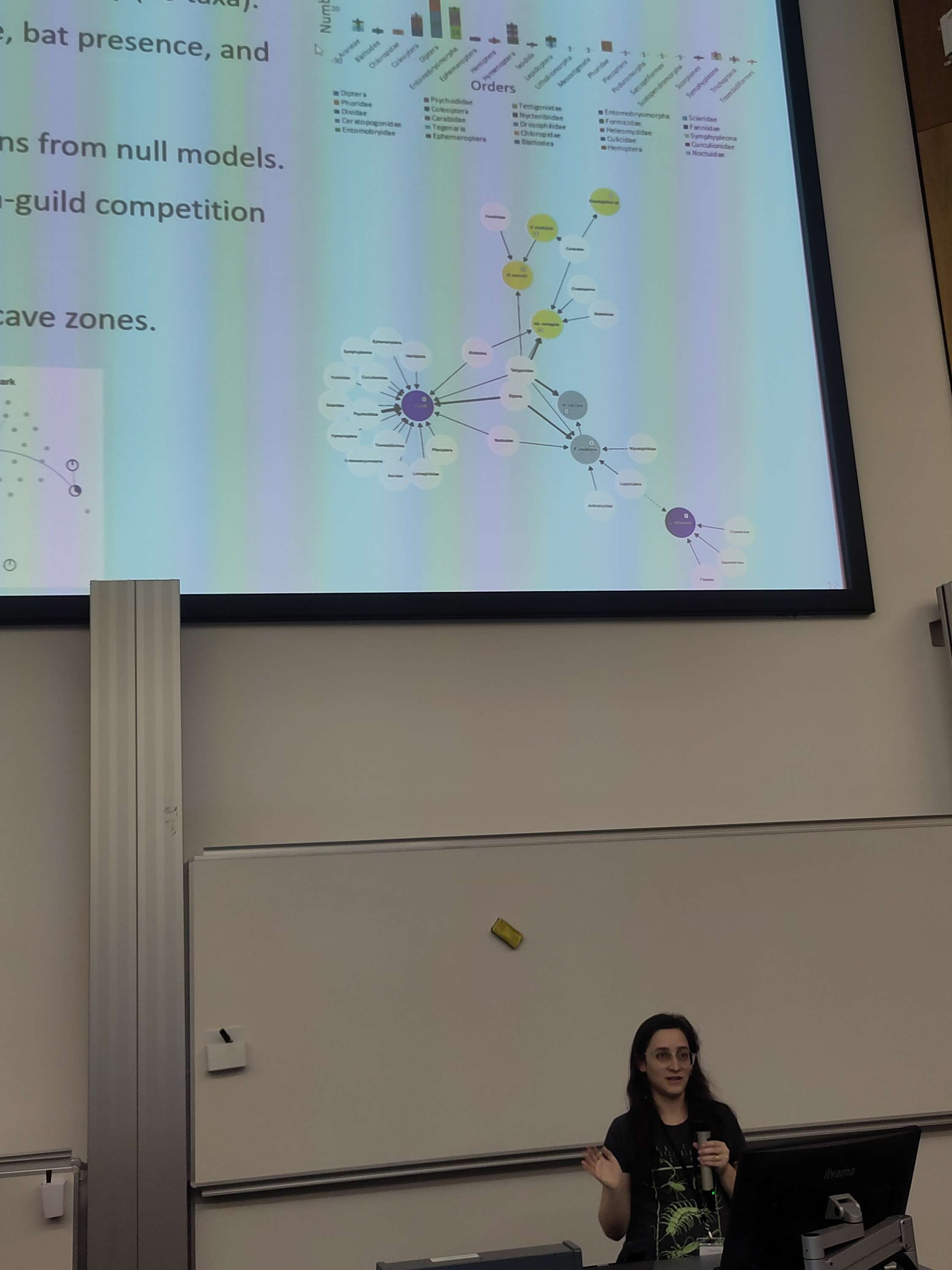
The main two days of the symposium were filled with exceptional talks and posters! We had plenary talks from Michael Traugott, Vanessa Mata and Si Creer, which provided valuable perspectives on the past, present and future of molecular ecology. This stimulated a lot of energetic discussion throughout the conference and nicely contextualised all of the super cool research that everyone else presented!
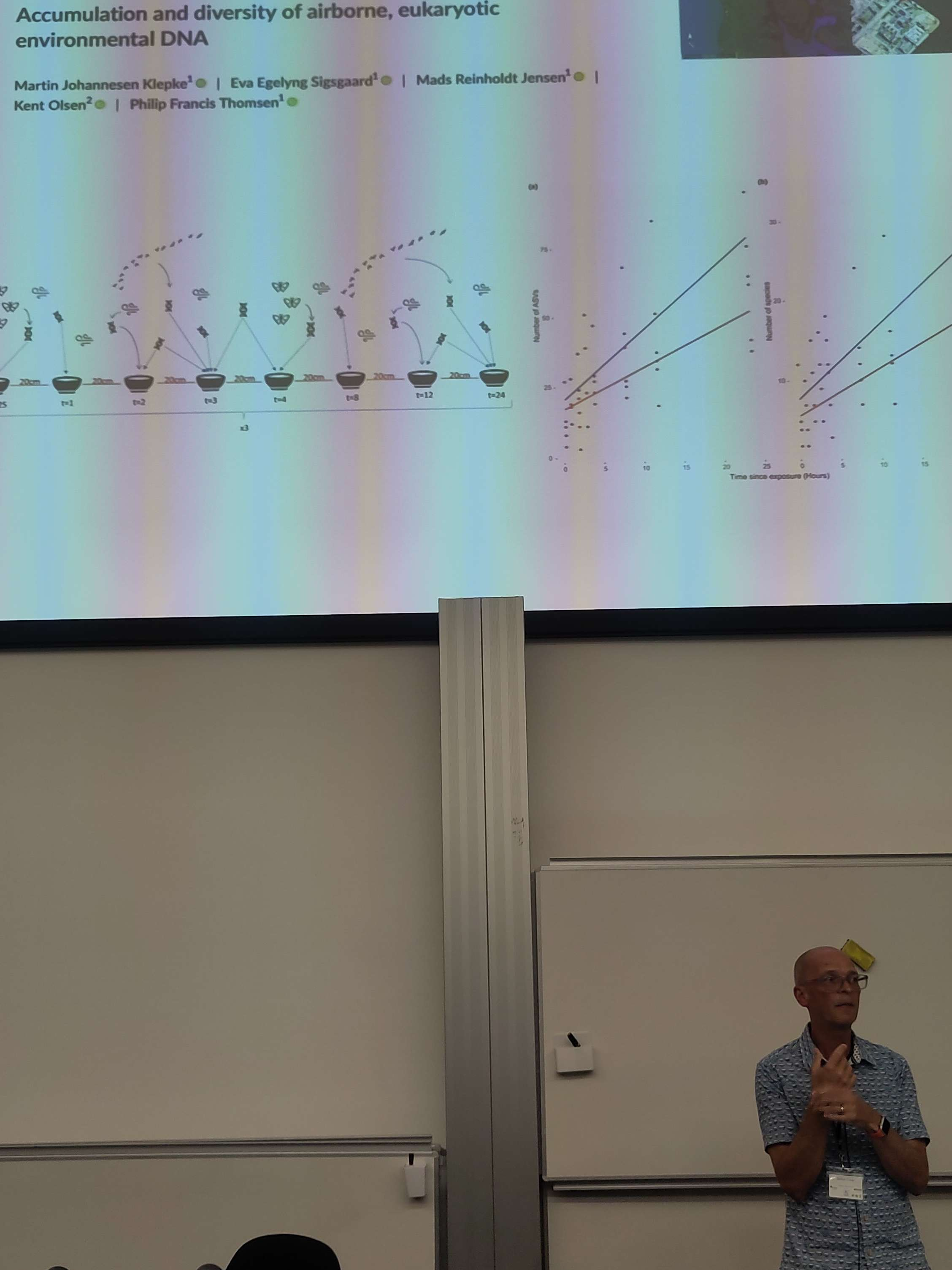
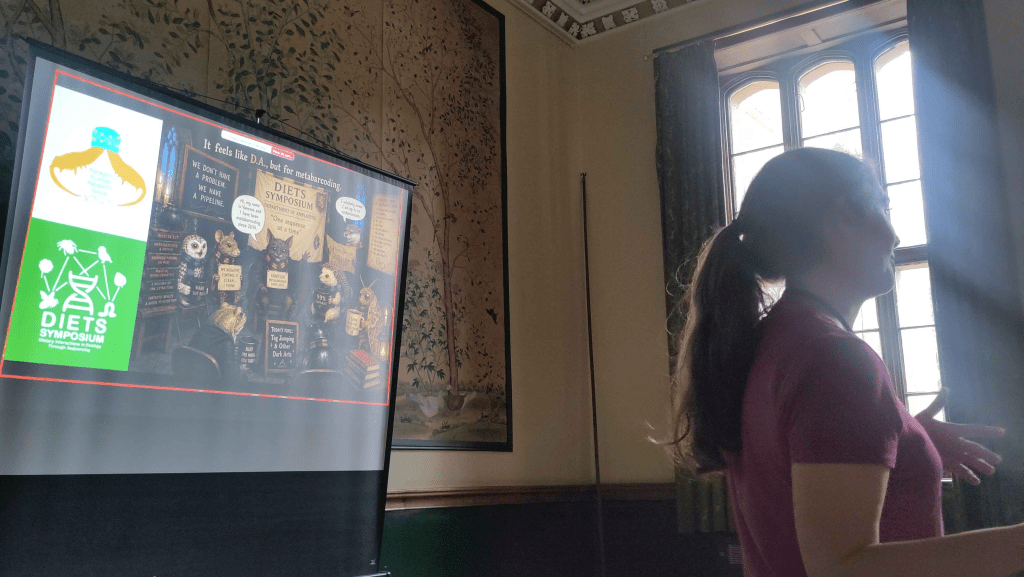
We had a really broad range of talks across a really nice span of career stages, from master’s students to established professors. The talks were arranged in four sessions: “ecosystem services”, “innovation and optimisation”, “anthropogenic impacts” and “trophic and broader ecological networks”, which covered everything from charismatic marine vertebrates to cryptic soil mesofauna. FERG was nicely represented, with Will, Mia, Rosy and Jordan all giving talks across the symposium, but also exceptional talks from various friends and collaborators.
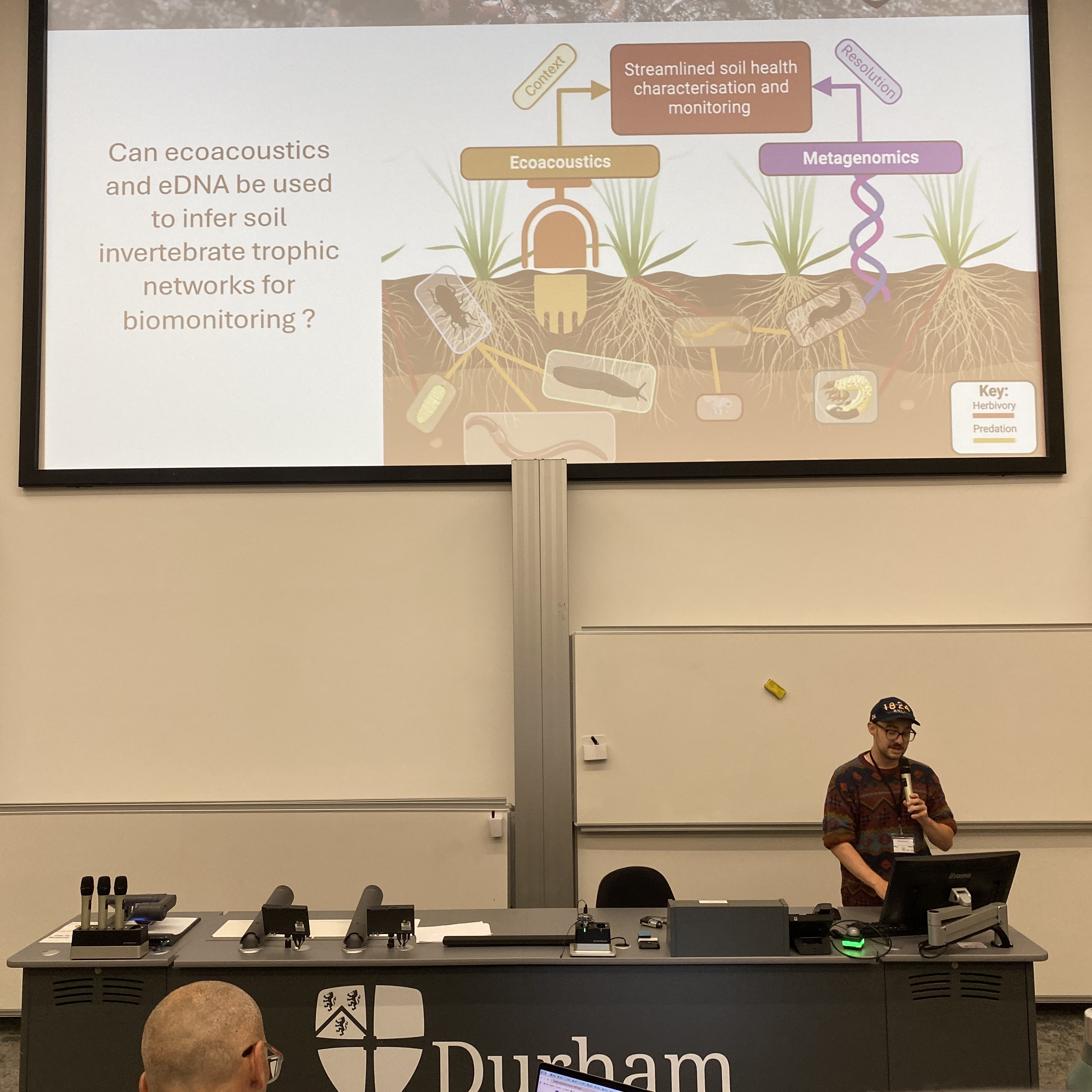
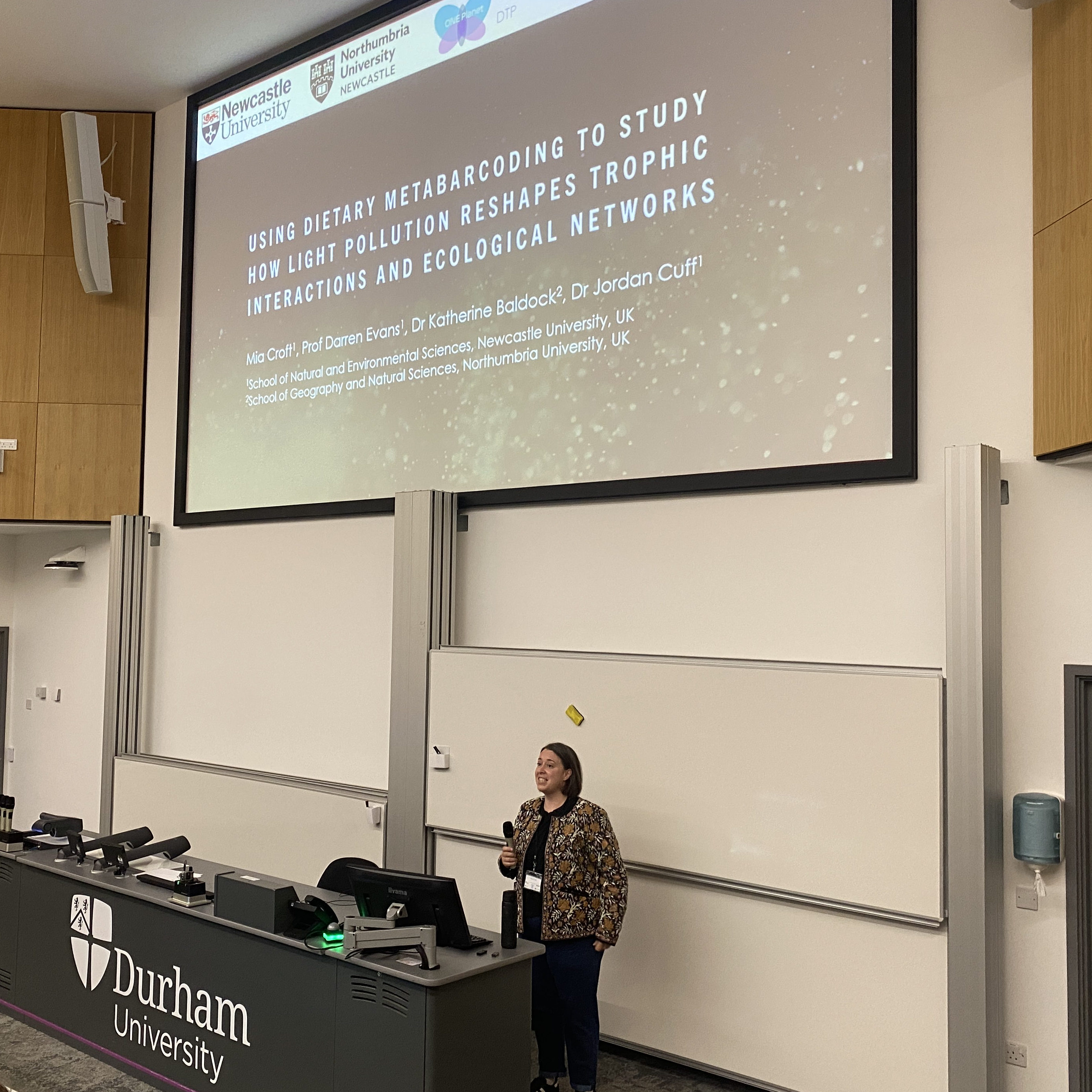
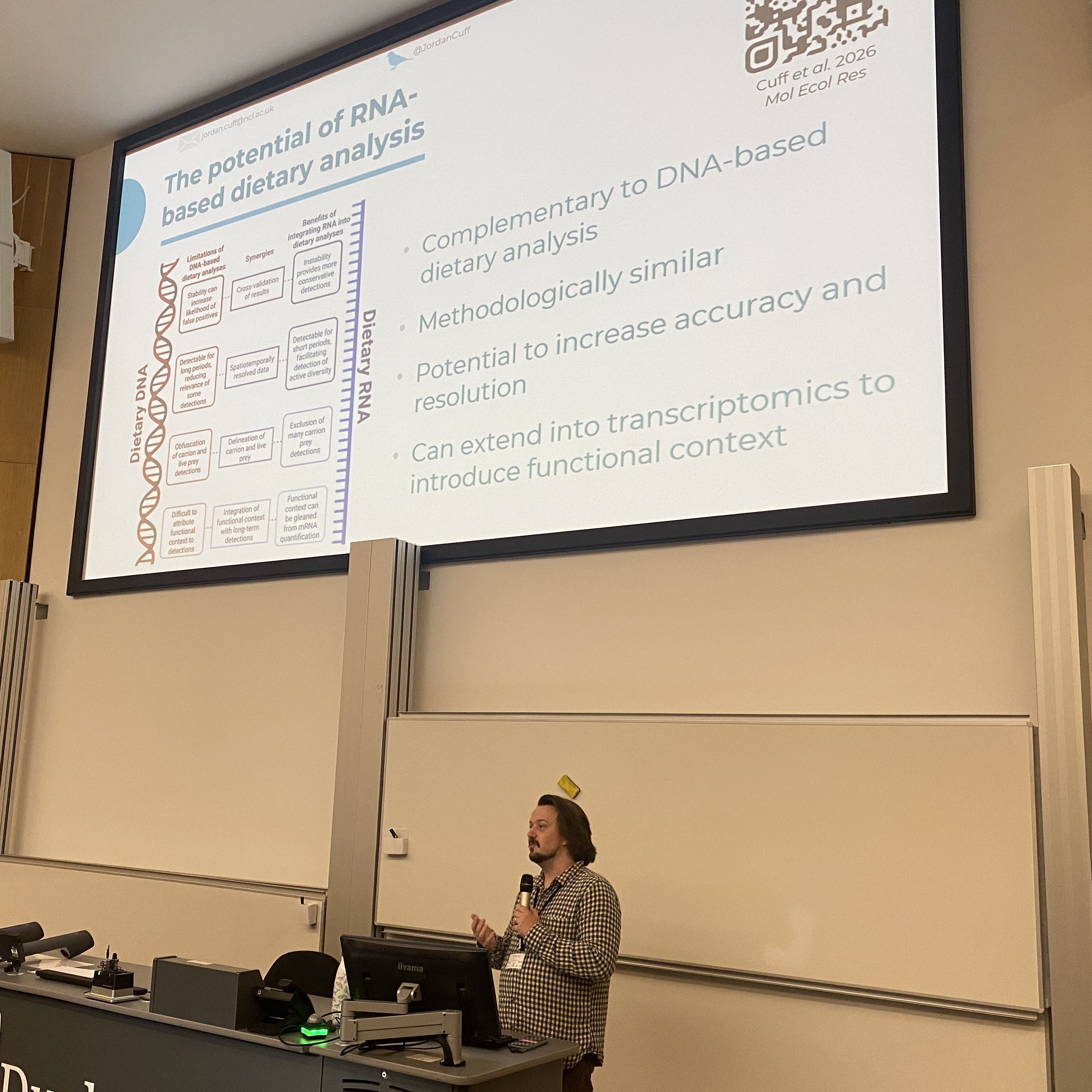
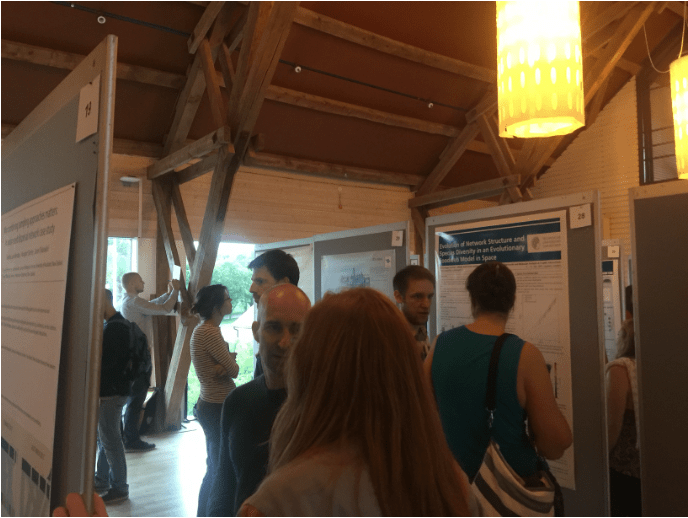
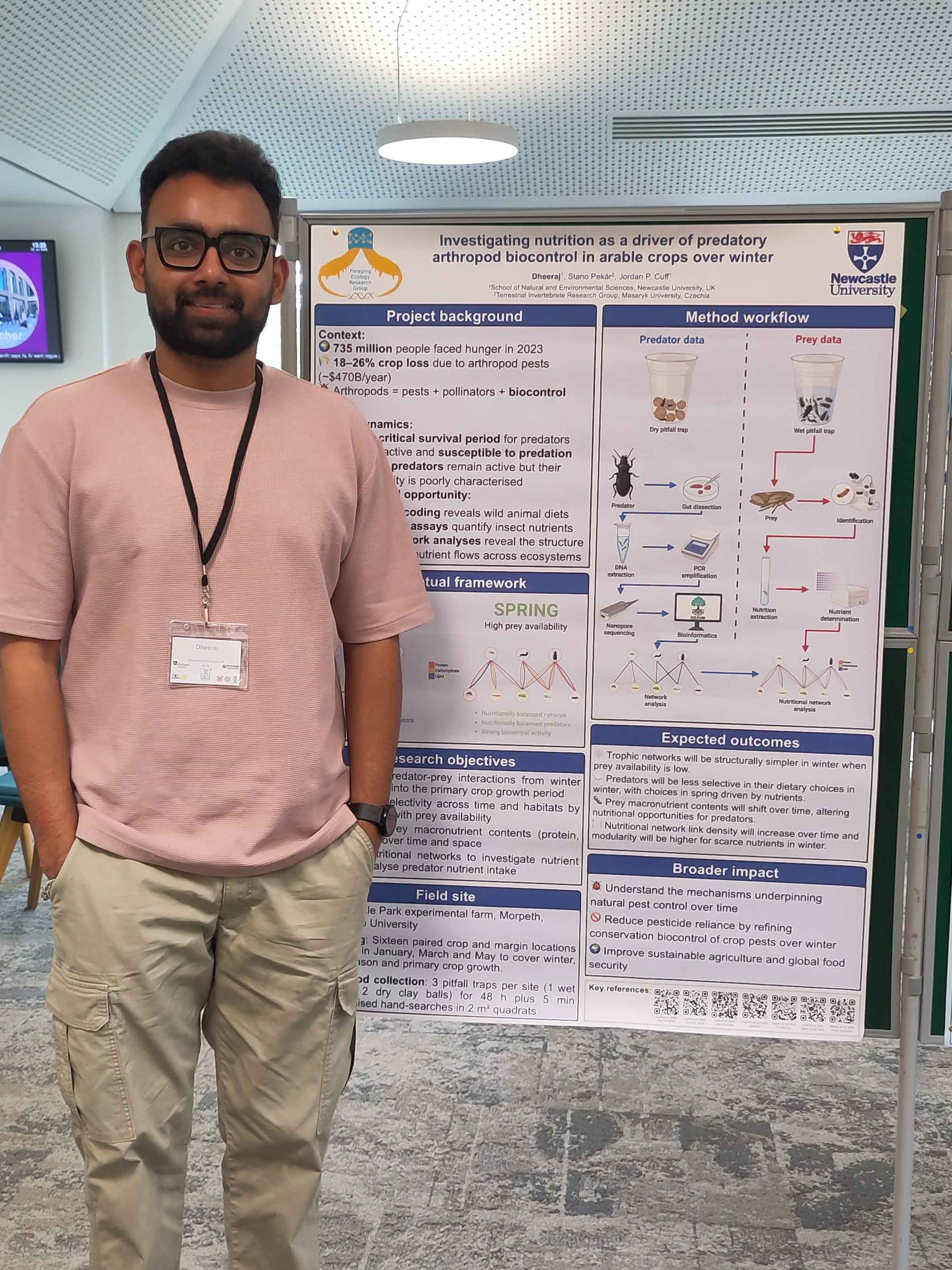
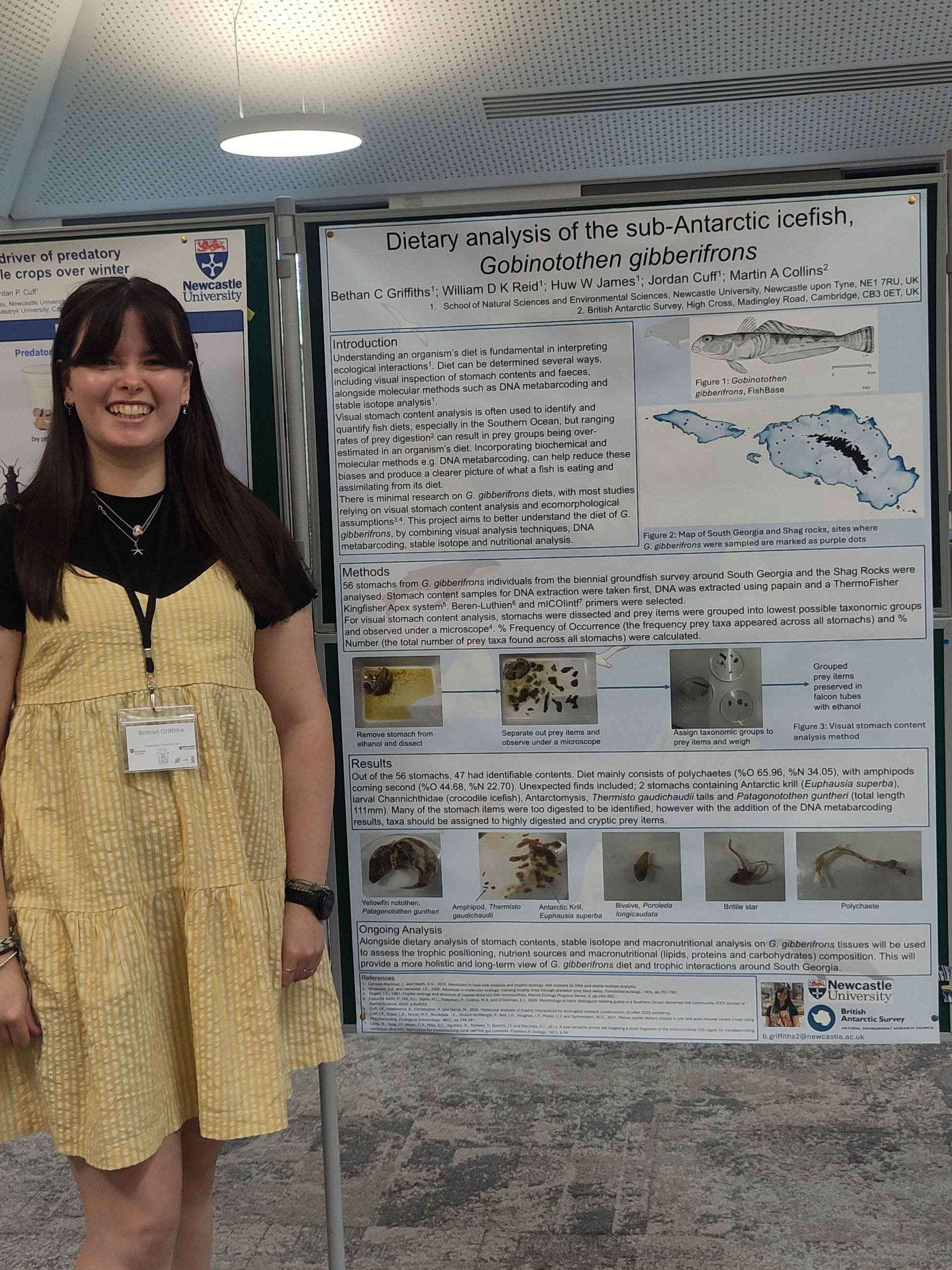
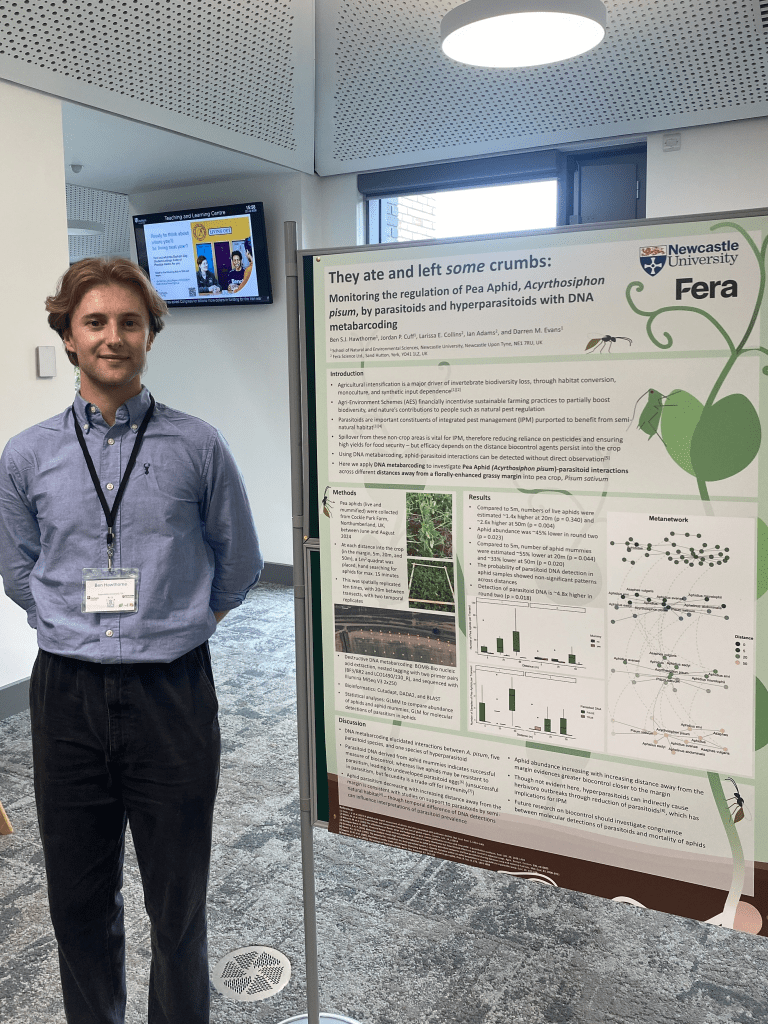
We had poster sessions throughout the symposium which provided a great opportunity for people to mix and mingle, but also continue hearing from researchers doing really cool work related to molecular dietary analysis! From FERG, Dheeraj, Bethan and Ben all presented posters on their work, and it was great to see so much interest and excitement surrounding them!

Break-out sessions
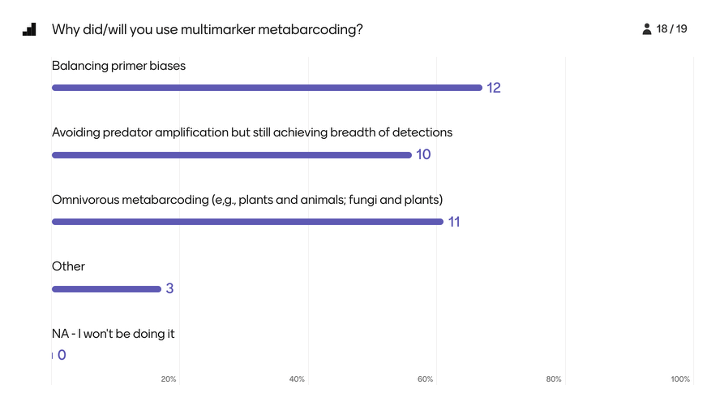
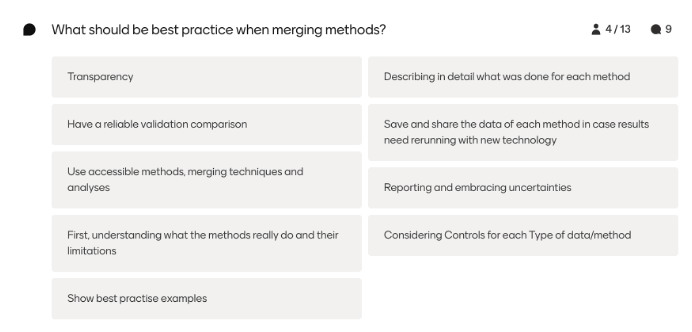
Throughout the talks and excitement of the conference, we had six break-out sessions in which we focused in on different topics as smaller groups to understand the current challenges, best practices and advances for each. Across predator dietary analysis, omnivore dietary analysis, experimental controls and data filtering, merging methods, multimarker metabarcoding, and open research and reference data, we had some really insightful discussions with incredible contributions from all. These were often mentioned as conference highlights, with newcomers dramatically expanding their understanding of the practices involved in molecular dietary analysis, and more seasoned users finding opportunities to understand new perspectives and challenge their own practices. We’ll hopefully have more to share from these discussions in the near future!
Excursion to WWT Washington
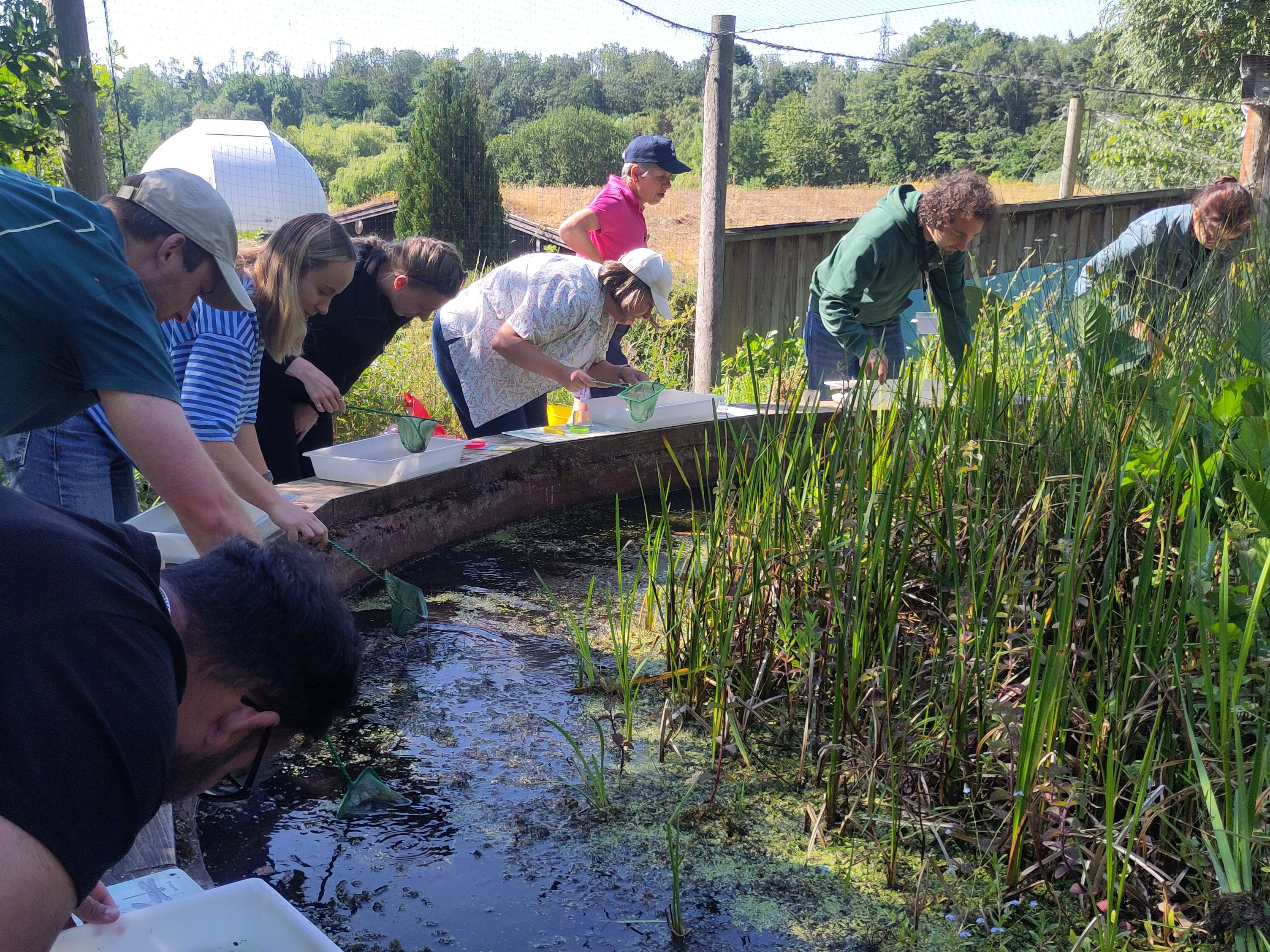
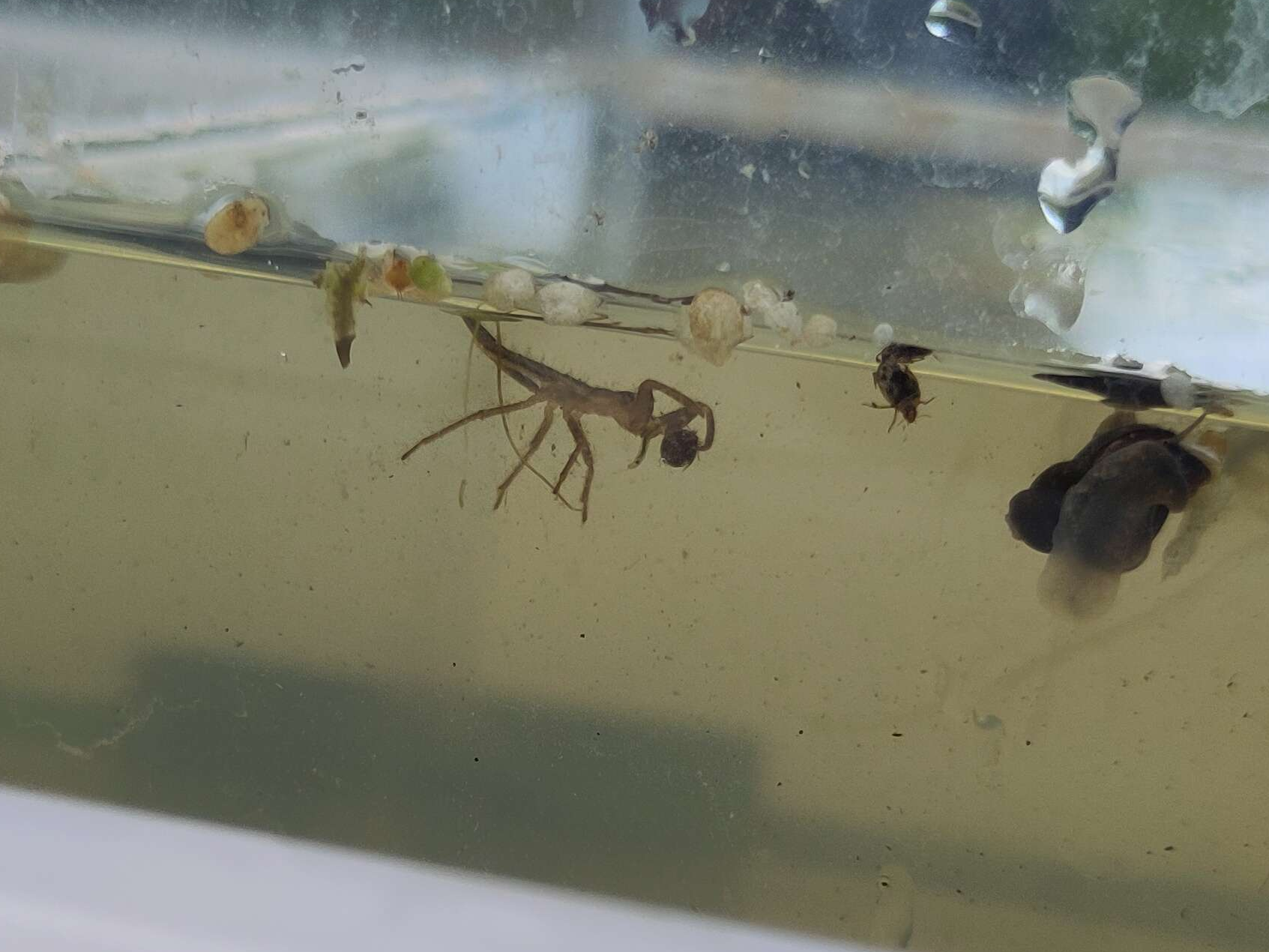
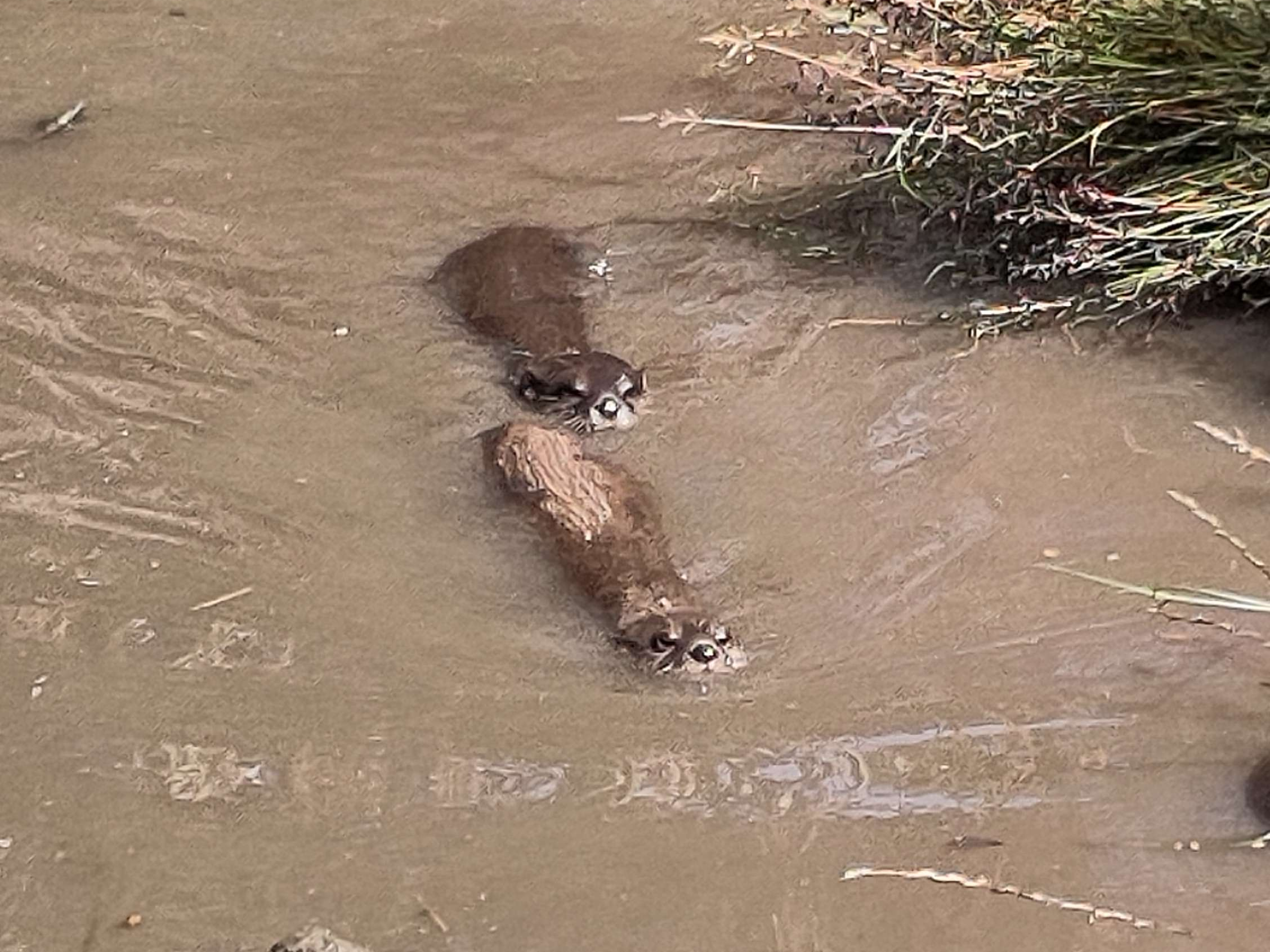
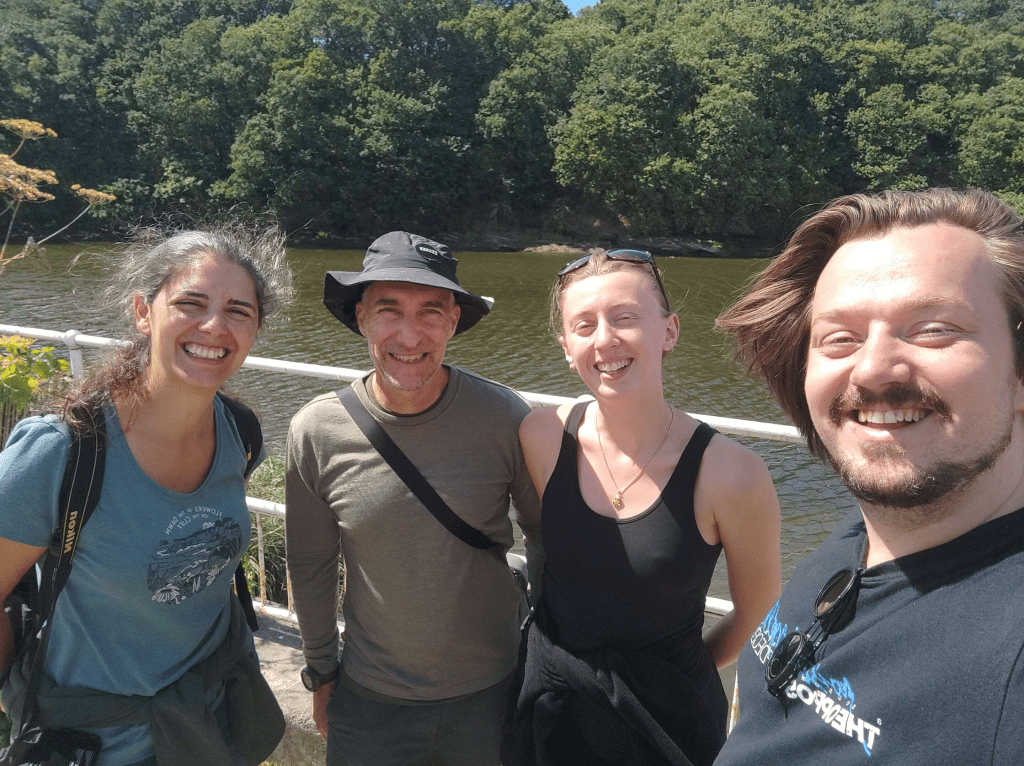
To finish the conference on a high, we took to WWT Washington’s wetlands centre, where some incredible flora and fauna can be found near the banks of the River Wear. We started off with some pond dipping, which many attendees hadn’t tried before. Among the highlights netted from WWT’s pond were a water scorpion (which demonstrated its awareness of DIETS by showing off one of its own trophic interactions), a boatman and several caddisfly larvae. We then got to see the incredible diversity of bird life on site en route to a feeding of WWT’s resident Asian short-clawed otters!
A bit of free time to explore the site took a lot of people along the banks of the River Wear. There, we got to see a saline lagoon, a relatively rare habitat in the UK (around 360 of them in total) in which saline water is separated from the sea by freshwater, creating a unique habitat vital for the survival of many species. In the UK, 36 species are associated with lagoons, of which 25 are confined to them, making them a priority habitat.
Final thoughts and next time
It was such a blast running the DIETS Symposium, and so great seeing and hearing how much others enjoyed it! We’re particularly pleased with what an open and friendly atmosphere everyone helped to foster, which allowed everyone from newcomers to established experts to contribute to conversations, break-out sessions and all other aspects of the conference. We’re particularly pleased to share that this won’t be the end for DIETS! We’re really excited to come back together in 2028 in the Czech Republic! See you there!