
Reaching out with research
Communicating our research is crucial in delivering our goals, for which outreach is vital. Not only that, but it can be a lot of fun! Below are some examples of the kinds of outreach events, activities and programmes we’ve been involved in!
Spider Spies
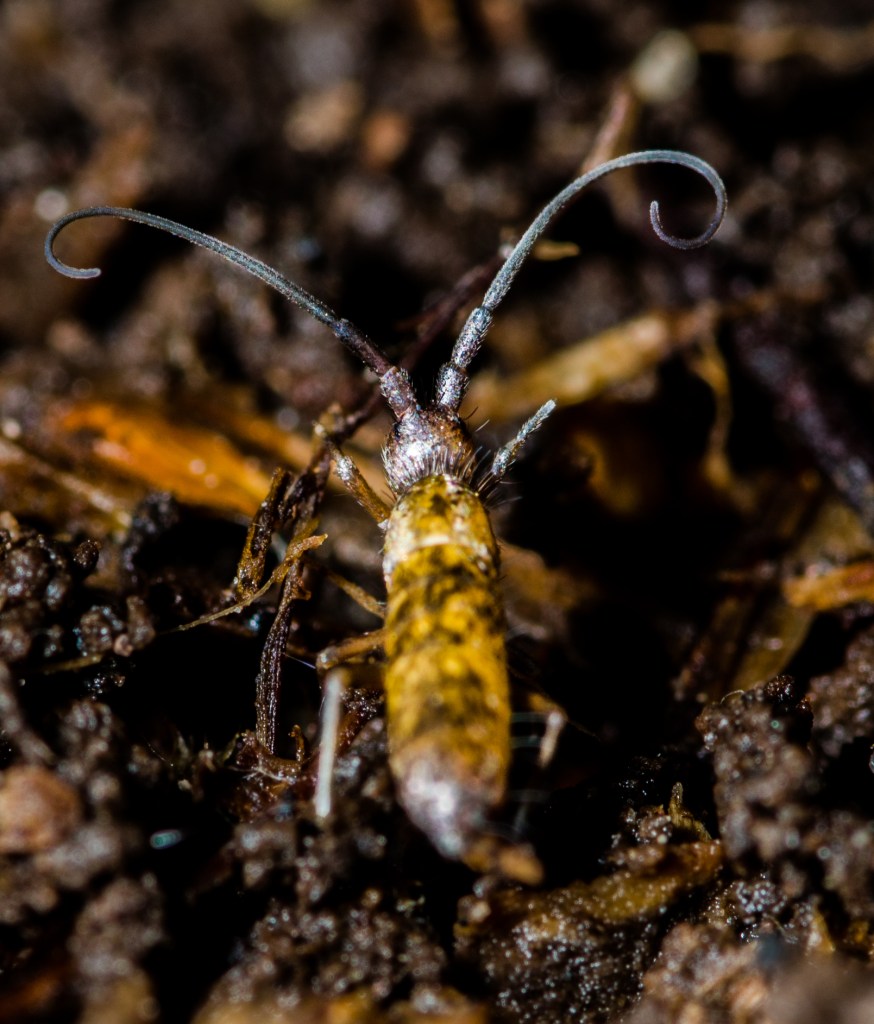
As part of her PhD, Rosy put together an outreach scheme for finding and recording interactions between crab spiders and flowers. This is continuing until summer 2026, so do submit any records, and send any spiders over too! You can read more about it on the dedicated page on this site.

Lockdown Spider Surveys
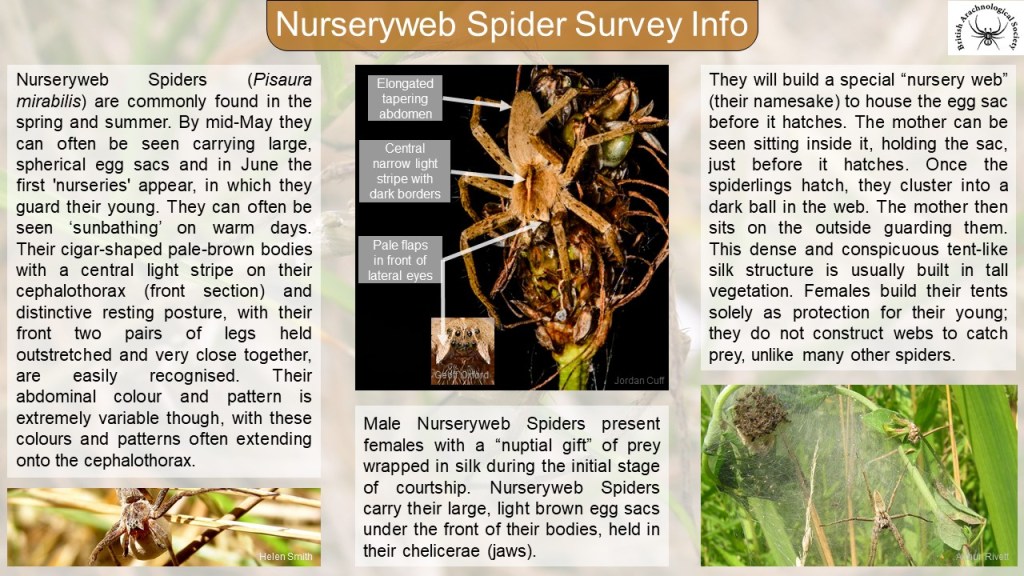
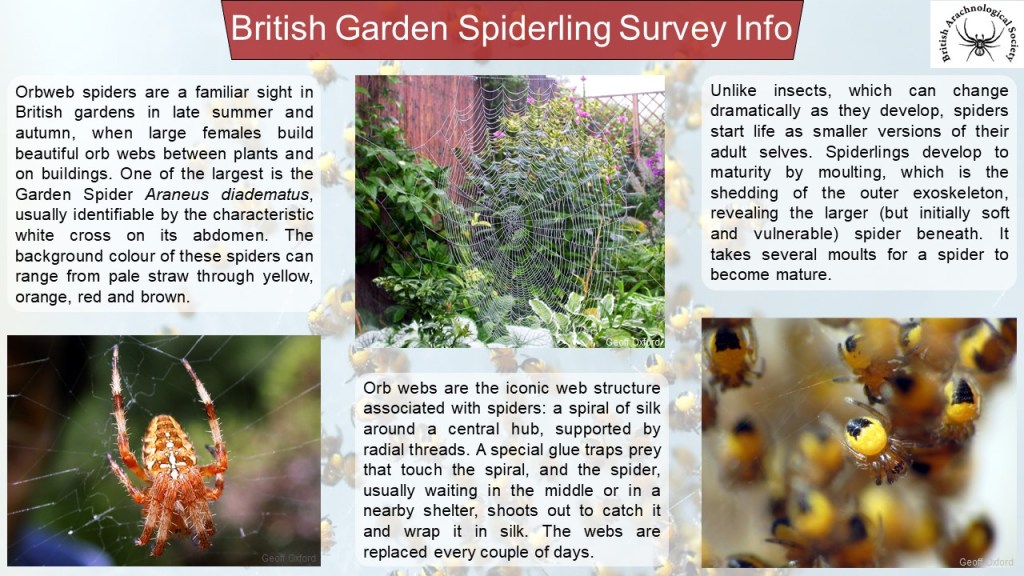
At the beginning of the COVID-19 lock-down, Jordan, alongside the British Arachnological Society (BAS), launched surveys of under-recorded spiders found in homes and gardens across Britain. Three surveys were established with fact sheets, identification tips, and instructions for participation across social media and the British Arachnological Society website.
In just the first two months, 505 social media and citizen science records were collected. Science engagement regarding arachnids often addresses phobias, and participants cited an increased interest in spiders, but also nature more broadly. Natural history is an extremely accessible science but is scarcely practiced; these surveys offered an easy entrance for anyone interested, many participants being initially unfamiliar but engaging with it multiple times (4.4, 1.2 and 1.6 records per person across the surveys). This culminated in new records, significant expansions to the known distributions of many species and an article in the BAS Newsletter.

Baked bean spider bite force
Following the success of the BAS Spider Surveys, Jordan also launched a national appeal for the woodlouse-hunting spider Dysdera crocata, informally referred to as the ‘baked bean spider’ given the resemblance of its abdomen to the tinned Heinz tomatoey legumes. The spiders were destined for some bite force experiments in collaboration with the Evolutionary Biomechanics Lab at Imperial College London. The appeal was launched on Twitter and had tens of thousands of views, resulting in specimens being sent from across the country. The data from these experiments have formed the foundation of further collaboration between FERG and EvoBiomech.

Innovation in Isolation (I3)
When the COVID-19 lockdowns began, Jordan was keen to maintain the regularly attended Cardiff Science Cafe (described below), especially given the importance of science communication during healthcare crises. He therefore co-founded Innovation in Isolation (I3) which provided weekly STEM talks via Zoom (and subsequently YouTube Live) during the first months of the pandemic. Alongside live talks (and even sometimes music), videos and other science engagement materials were shared on YouTube and social media. While Zoom sessions were regularly attended by 20-40 participants, the parallel Facebook Live videos accumulated over 100 viewers during the events, and the later uploaded YouTube videos accrued many more.

Arks of the 21st Century
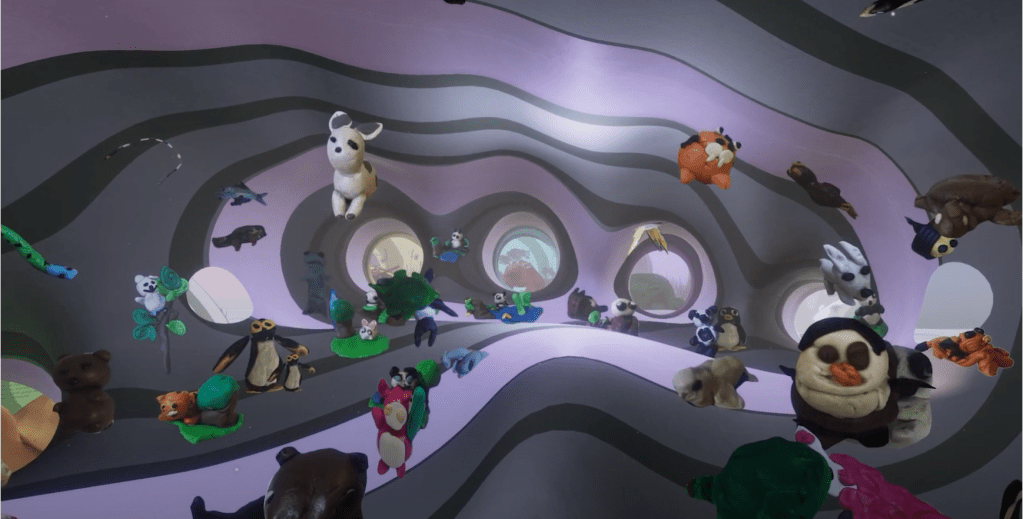
Jordan co-led a Wellcome Trust-funded public engagement project with UK biobanking charity Frozen Ark (see this video to learn about Frozen Ark’s aims). This project aims to increase awareness of biobanks and their role in combatting the global extinction crisis. This involved engagement at various events, including Cardiff’s Super Science Saturday and Cardiff Science Festival, with larger events such as the National Eisteddfod and Green Man Festival planned for August 2020. These larger events, engagements at local schools, and artistic workshops delivered to the general public, youth groups and to the Breaking the Mould Community Art/Special Needs group, were not possible due to the COVID-19 pandemic, with some instead converted to digital events, using the I3 platform (described above). The events used hands-on demonstrations to teach participants about DNA (through DIY DNA extractions), the threat to endangered species (through a map-based game), and how biobanks can help (using a bespoke tilt-table-based game). The culmination was co-designing a ‘virtual ark’ for biodiversity in collaboration with poets, visual artists and the public. Check out some of the outputs from this project here, including a video tour of the Virtual Ark!

Cardiff Science Cafe
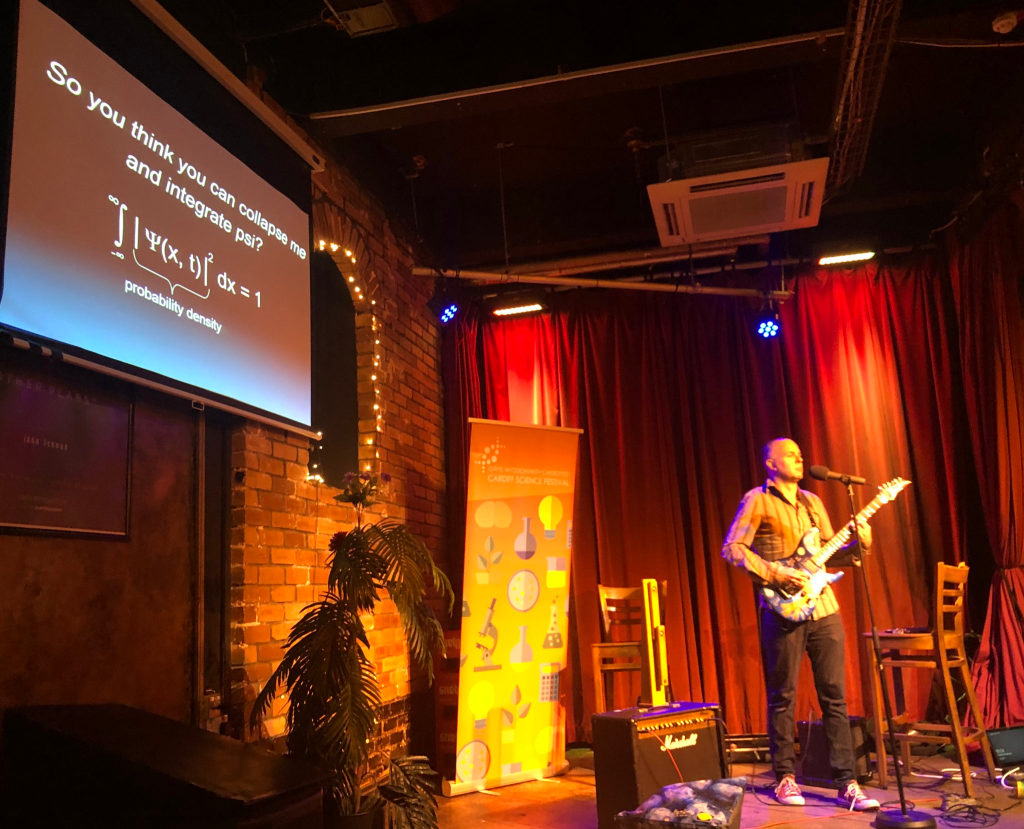
Between 2016 and 2020, Jordan co-organised a science café in Cardiff, bringing STEM presentations to lay audiences monthly. This was regularly attended by up to 70 people, packing out the central Cardiff pub, and received widespread positive reviews. Presentations spanned all aspects of STEM and included innovative communication of everything from theoretical physics to ecology.

Green Man Festival 2018: Pest vs. Pesticide
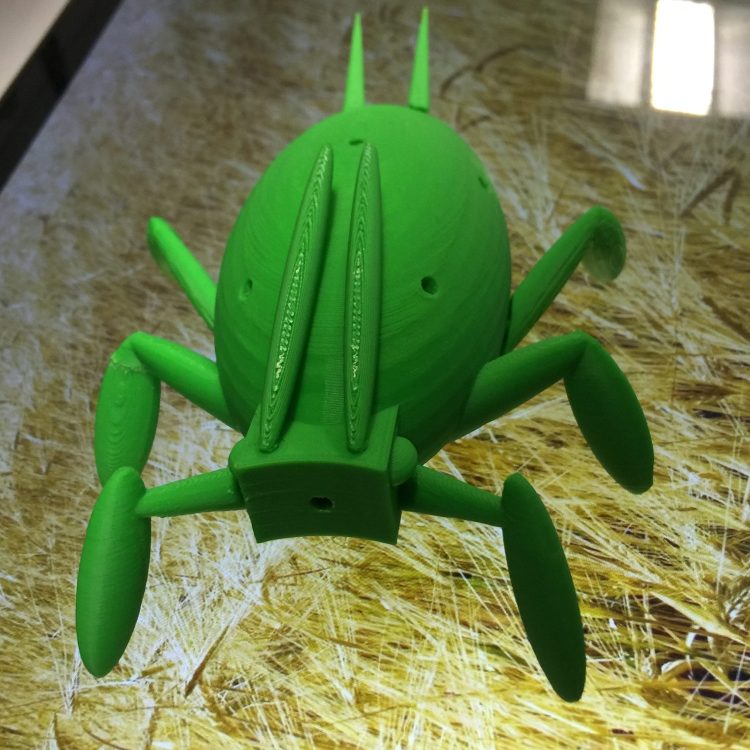
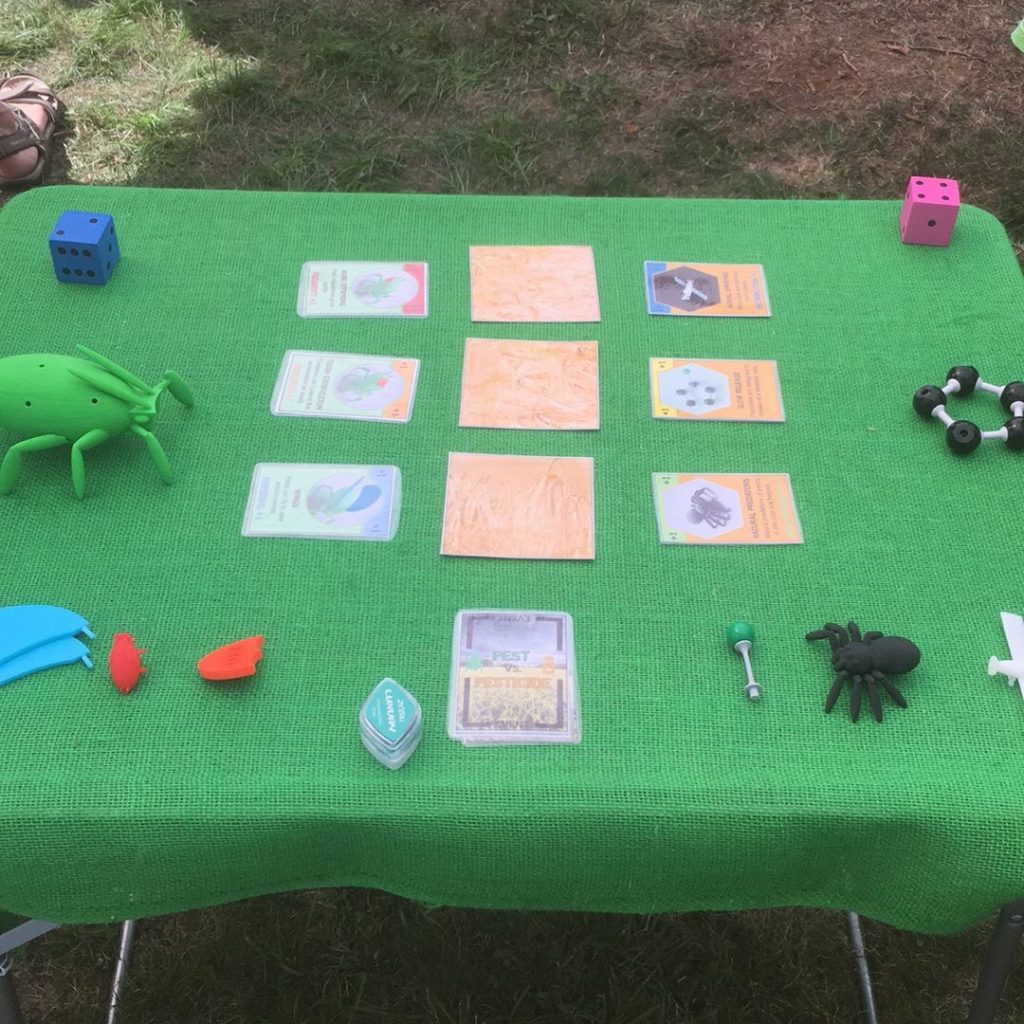
Jordan led the design and deployment of an engagement activity for Green Man Festival 2018’s Einstein’s Garden. This was one of a group of activities funded by BBSRC’s South West Bioscience Doctoral Training Partnership themed around agricultural sustainability. The team designed a bespoke 3D-printed board game titled “Pest vs. Pesticide” to raise awareness of the many trade-offs between agricultural productivity and sustainability. Combining “Mr. Potato Head” with “Top Trumps” and adding a few additional flourishes, families were eager to engage in competitively assembling the brightly coloured 3D printed models. The “pest” team had to improve their aphid’s fecundity, dispersal and defence to match a range of situations, all whilst the “pesticide” team modified the chemical composition of their agrochemical, found new ways to disperse it and added complementary biocontrol to improve efficacy, longevity and sustainability.
Different aspects of the game were introduced depending on the skill level of the participants, with age-appropriate topics such as weather, disease, innovative farming practices and genetic modification introduced accordingly. These activities were visited by an estimated 3000 people across four days. Participants were encouraged to leave feedback in the form of post-it notes and were offered packets of wildflower seeds with event logos printed on them. Feedback praised the informative, engaging and fun qualities of the activity, with requests for recurring activities elsewhere. Many participants, including adults, admitted that their understanding of agricultural practices had been challenged and their knowledge substantially expanded.


Green Man Festival 2017: Pollinator Power
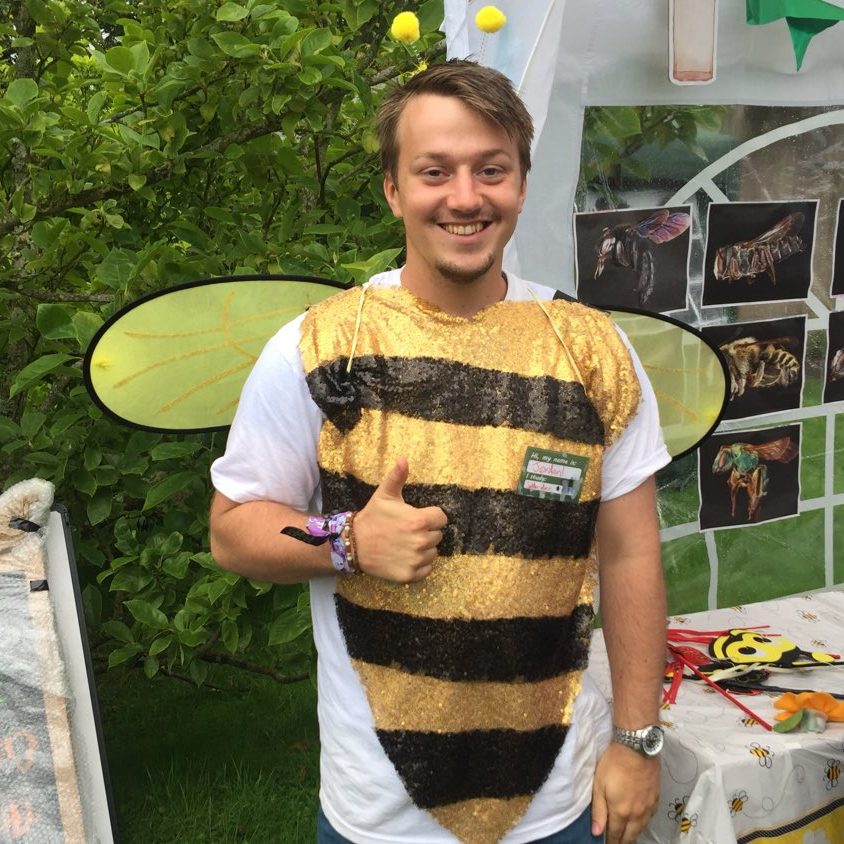
Similar to the above 2018 Green Man Festival activity, as part of the South West Biosciences BBSRC DTP, Jordan assisted in designing and running an activity as part of the “Plant Power Station” science engagement tent. In this case, the activity was based on plant-pollinator interactions. Participants were given bee masks and tasked with finding the right flower based on the smell of essential oils. Attendees also learned about the diversity of pollinators and were shown pinned specimens of a large number of bee species. Feedback for the activities was excellent, leading to the return in 2018.


 Foraging Ecology Research Group