A slightly belated update this month as we get things started for most of our field experiments for the calendar year and wrap up most of the marking for the academic year! There’s plenty going on, and even more to come soon!
If you want to keep up with our updates every month (and occasional updates in between), you can sign up to email alerts below!
FERGers and friends
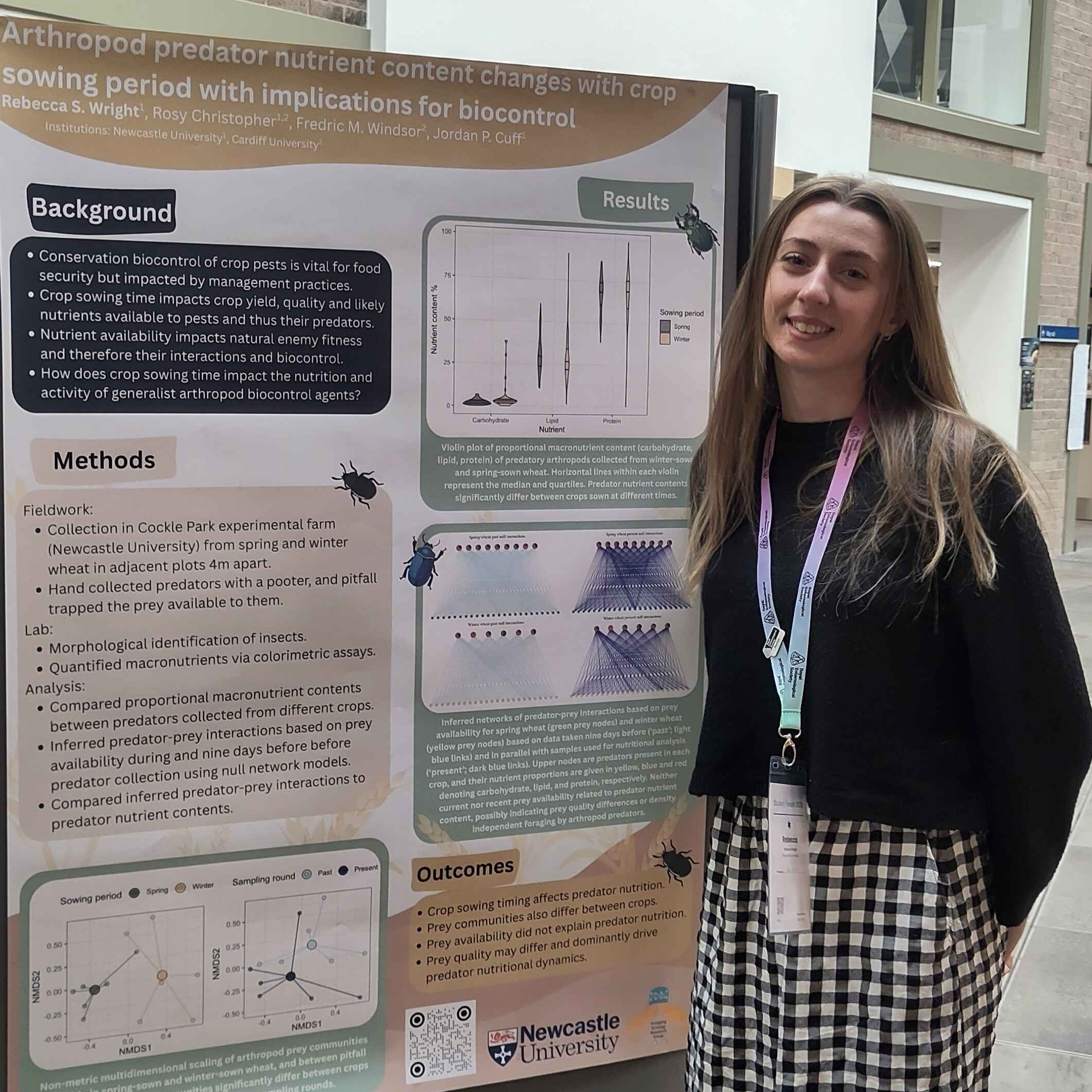
First up for this month, massive congratulations to Rebecca on securing a PhD with us for the next four years! Rebecca will be working on a Defra-funded project in collaboration with Forest Research, titled “Investigating parasitoid natural enemies of invasive forest pests for conservation biocontrol through molecular, behavioural and network ecology.” We’re really glad to be keeping Rebecca around after working closely with her over the past two years on her current and previous projects!
Outputs and outcomes
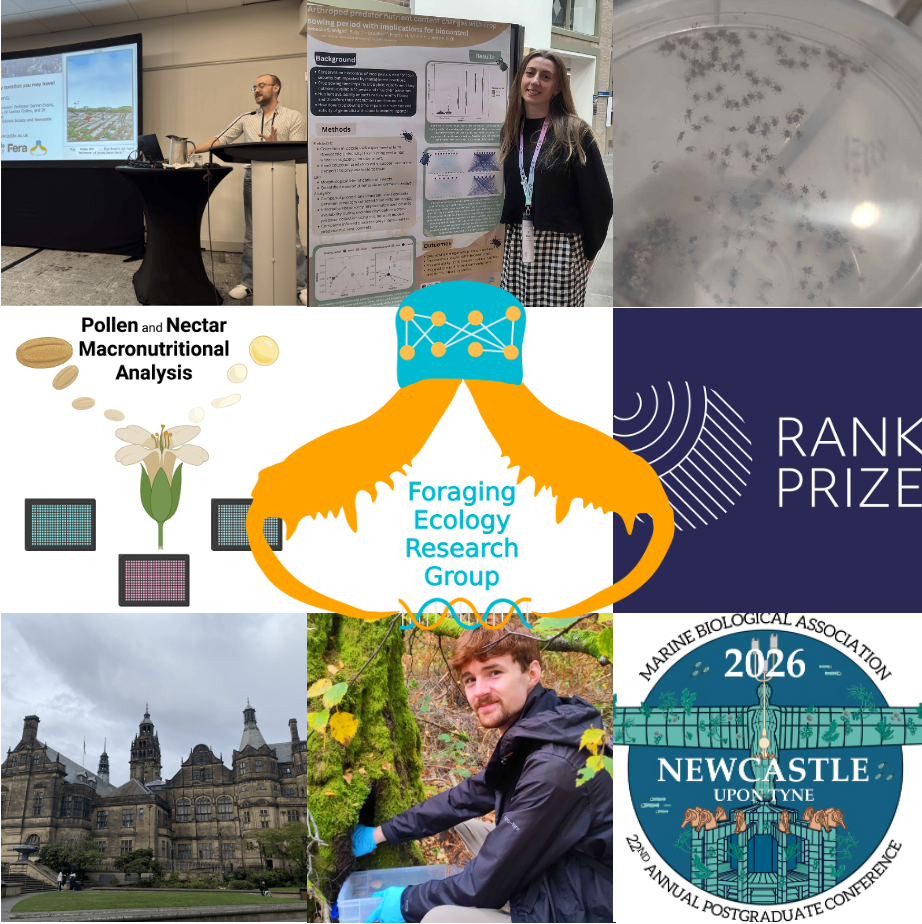
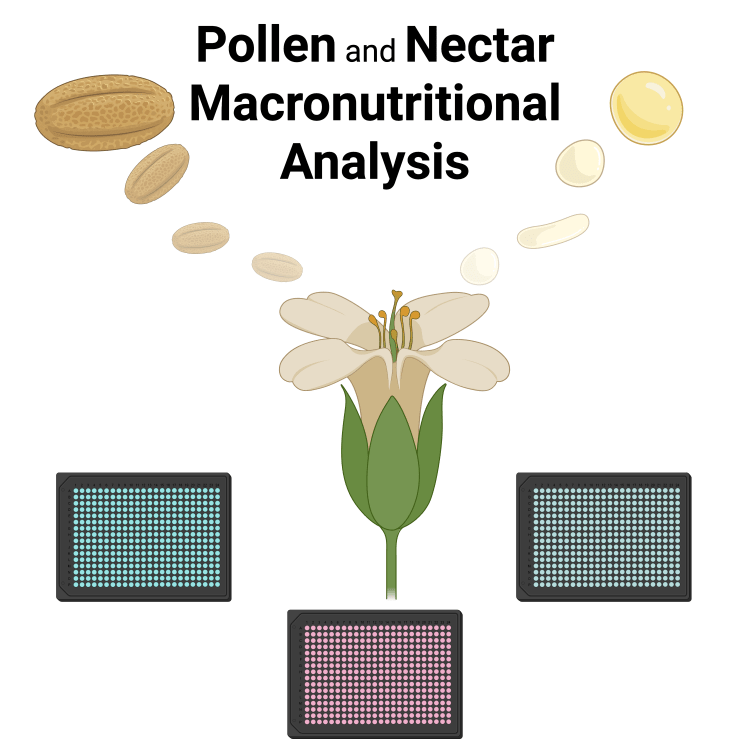
Bea published an open protocol based on the macronutrient analysis methods she developed for her PhD work! Developing, validating and applying this protocol for the analysis of carbohydrate, lipid and protein content from pollen and nectar took a considerable effort (and ~60,000 assays!), so it’s great to see this out for others to use too. The protocol has been dubbed ‘PoNeMA‘ (pollen and nectar macronutritional analysis) and the vast quantities of data that it’s generated should be published in a journal near you before long!
We’ve had a couple of papers awarded as part of Wiley’s annual certificate campaign! Ben’s review of metabarcoding for agricultural insect biomonitoring was one of the top ten most cited articles in Agricultural and Forest Entomology over the past year, as was Jordan’s paper on null network data sources in Ecological Entomology, which Ben also co-authored! Jordan’s nutritional networks paper was in the top 10 % of papers viewed in Journal of Animal Ecology, as was the paper on spider nutritional dynamics in Oikos and, again, Ben’s metabarcoding review in Agricultural and Forest Entomology! It’s always great to see that our work is being read and used, and we hope that our upcoming papers will be just as useful for the wider community!
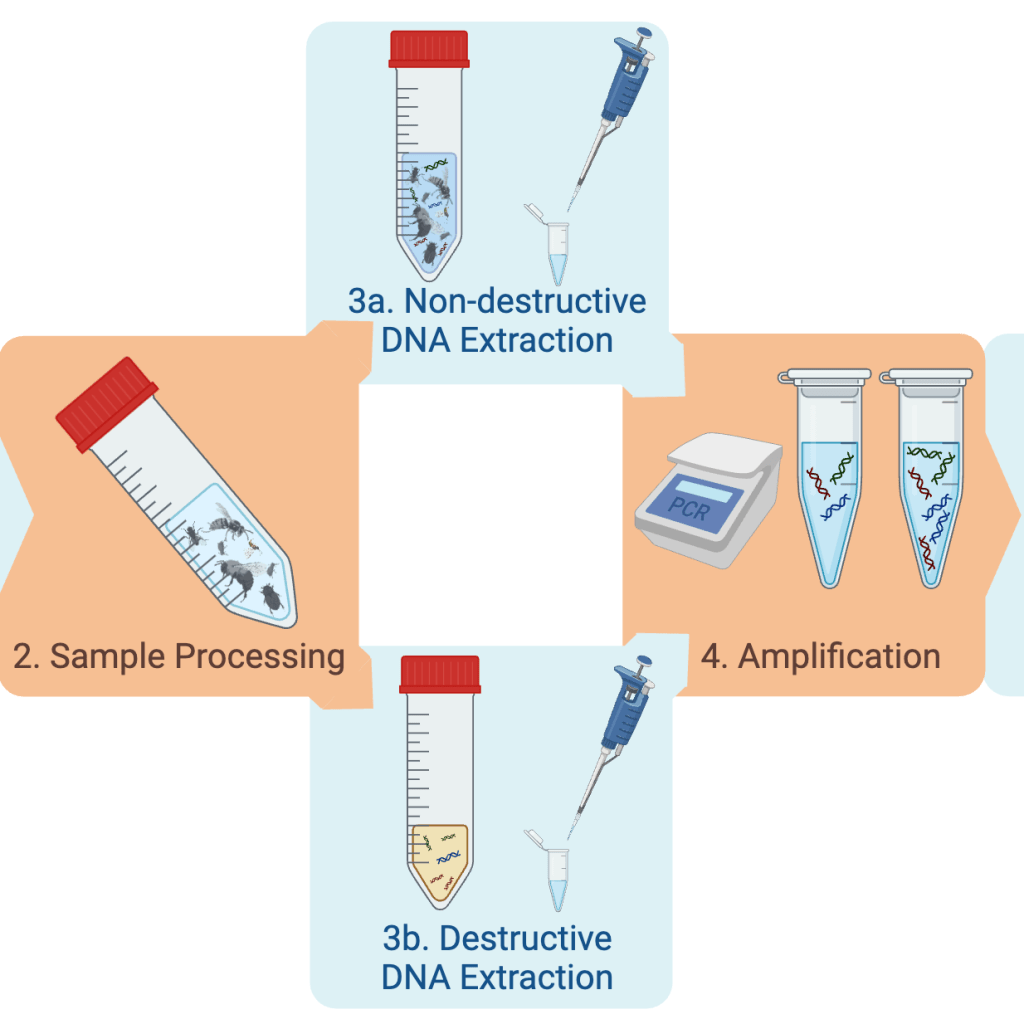
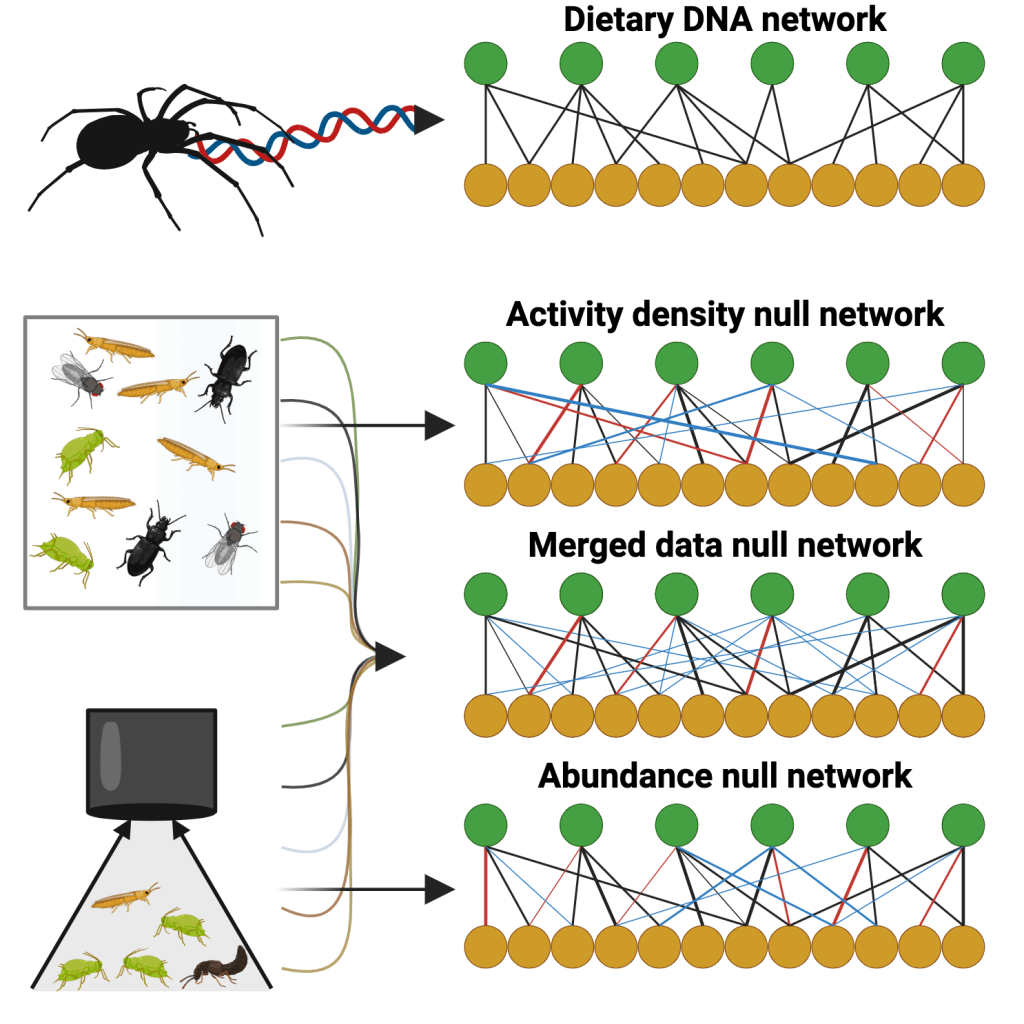
We’ve had a couple of grants come through recently, both to support our upcoming attendance of the European Congress of Entomology! Mia won an internal travel grant and the British Arachnological Society Ted Locket grant to attend the conference and present her work on artificial light and its impacts on trophic and nutritional networks! Rosy similarly won a Genetics Society travel grant to present her work on predator-plant commensalisms and their wider implications for ecological networks! It’s not long to go now and we’re excited to see plenty of fellow entomologists there!
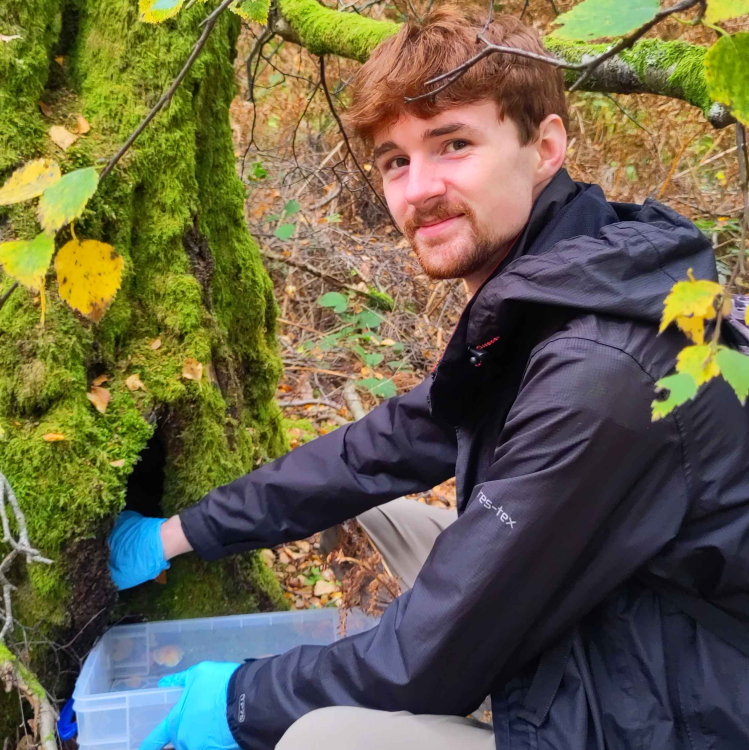
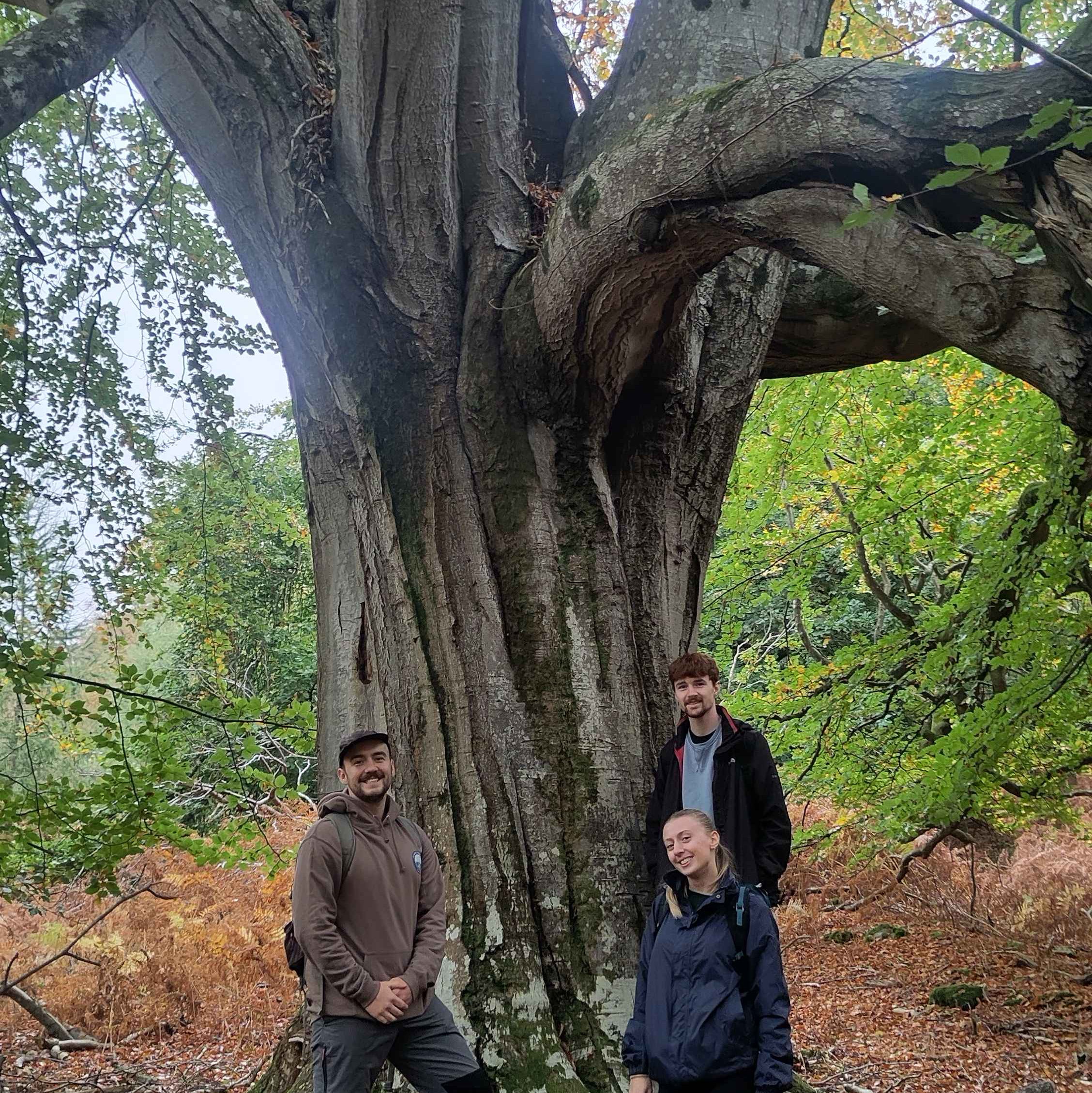
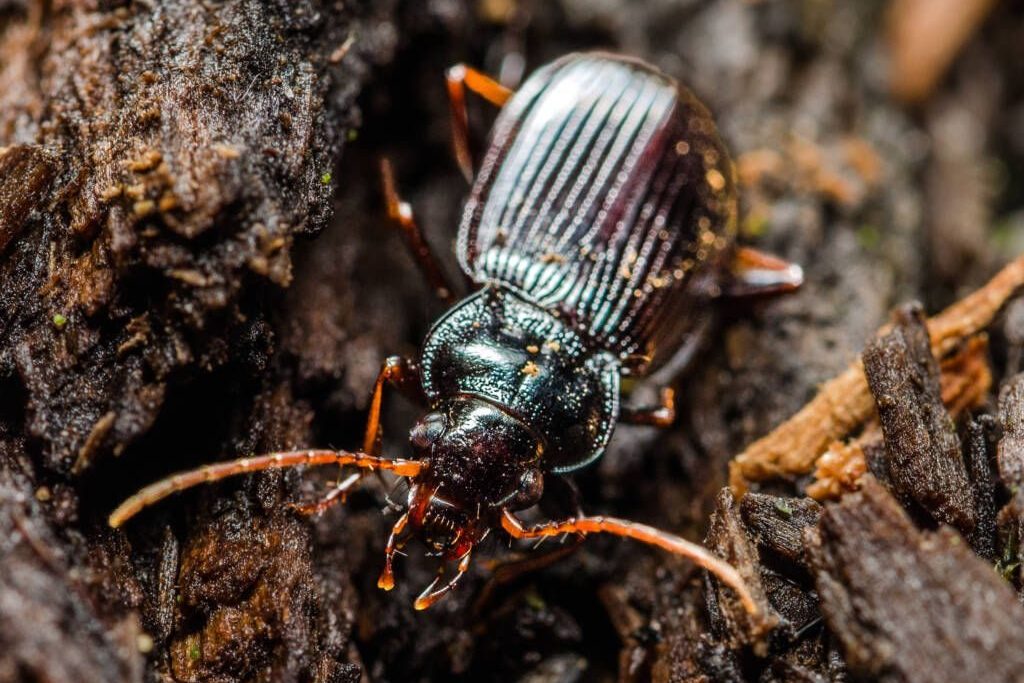
Thomas, who has been working with us over the past year, has handed in his dissertation! His project focused on earthworm diversity in tree hollows and involved collected data from the Hepple Estate and the university’s Cockle Park experimental farm. On the side, Thomas also did some nanopore sequencing of soil and tree hollow invertebrates to look at how their diversity varied across local and landscape scales. Great work, Thomas!
We’ll have someone else joining us over the summer! Annabel Smyth was successful in winning a Rank Prize Undergrad Summer Internship grant for a project titled “Nutrient limitation of arthropod predators across arable fields: implications for natural pest control”. We’ll introduce Annabel soon, and I’m sure you’ll hear more about her project along the way!
FERG in the wild
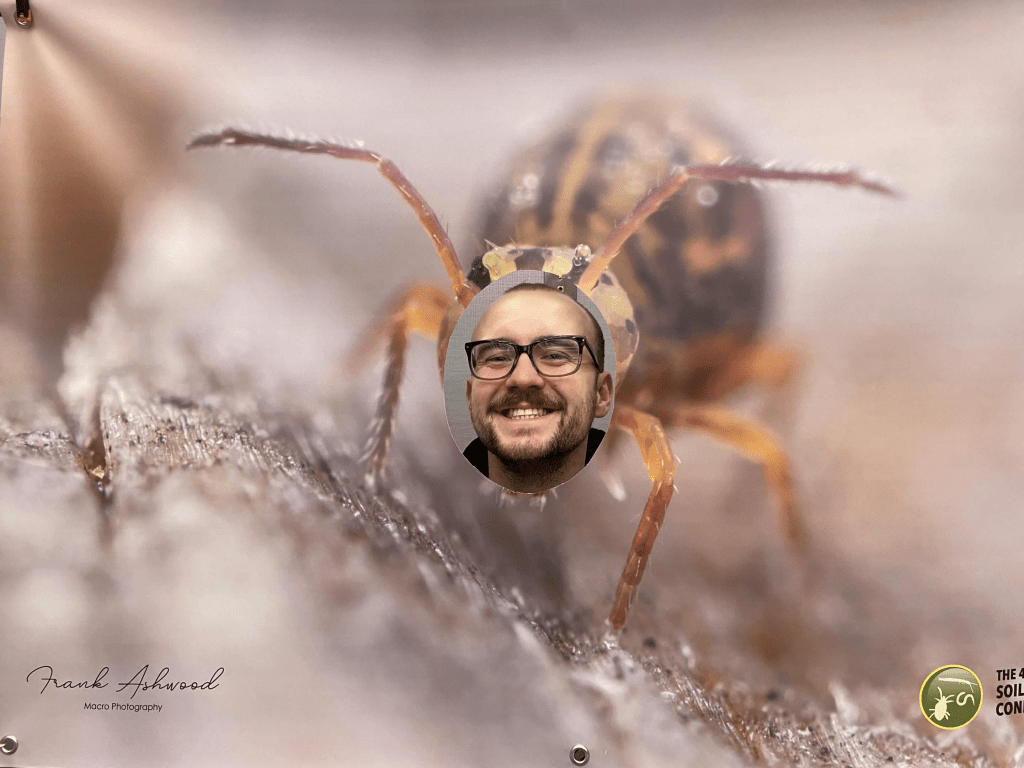
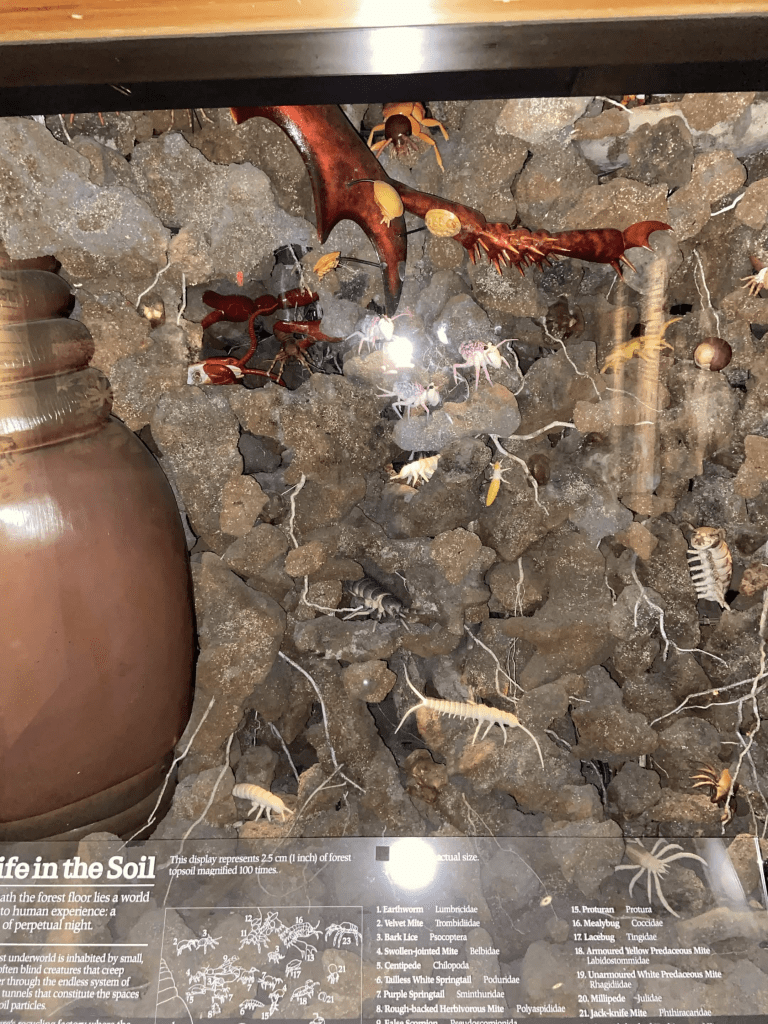
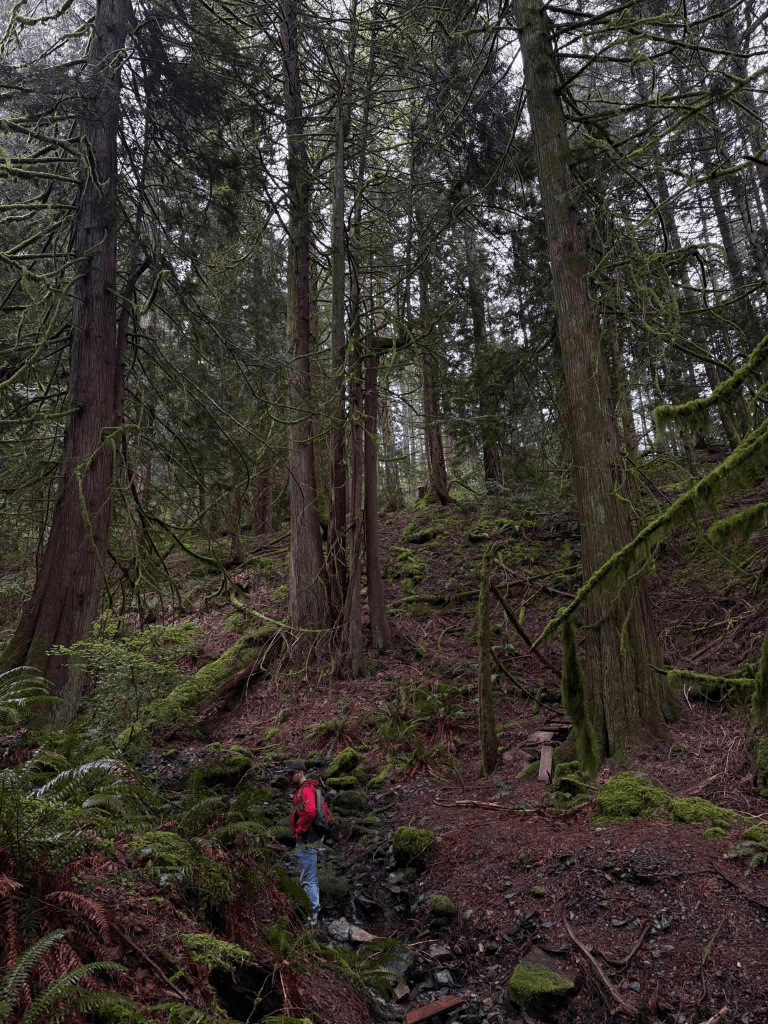
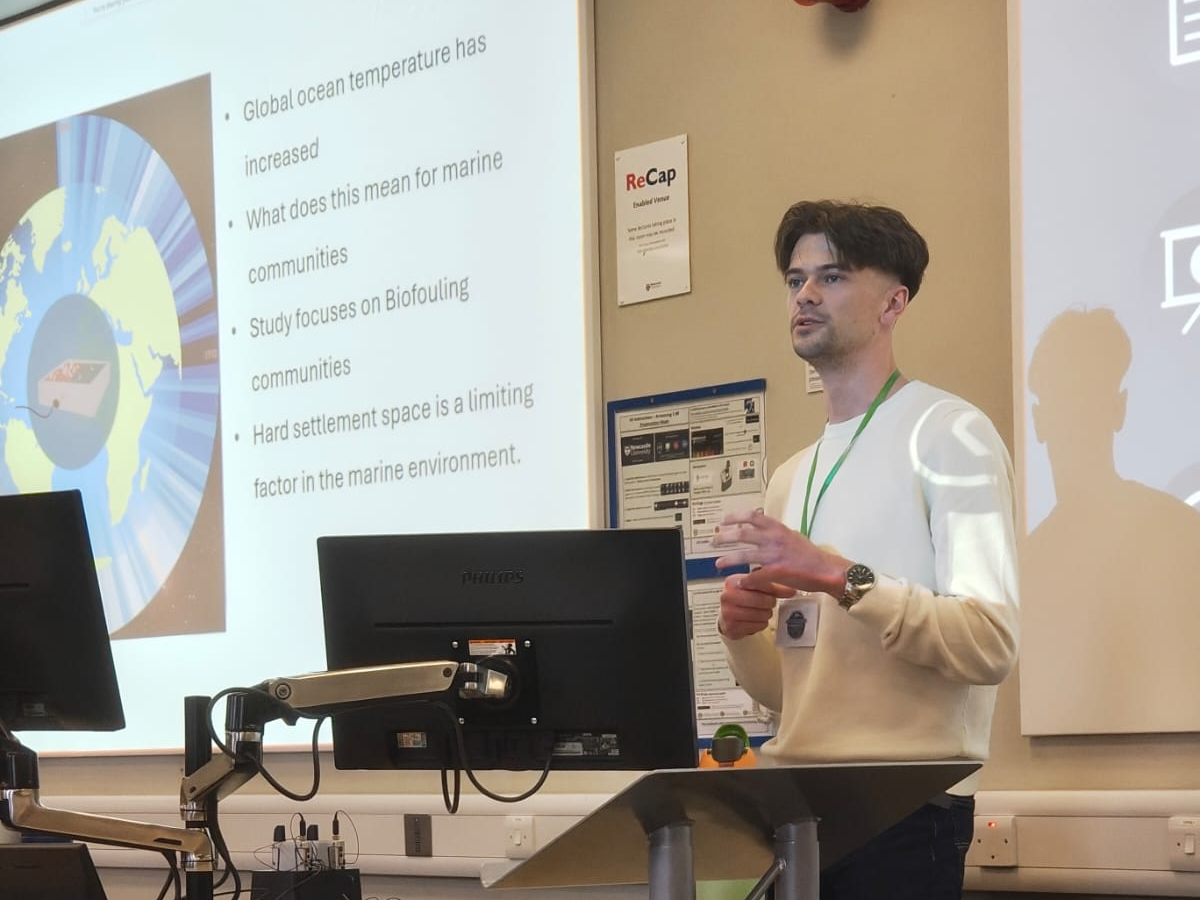
Will took to the skies to travel to the 4th Global Soil Biodiversity Conference in Victoria, British Columbia, Canada! The four day conference hosted talks on everything from soil biodiversity and monitoring to the use of new technologies in the study of soil. Will presented his PhD work, including his recently published perspective article, which went down a treat! The need for Will’s work on soil ecological networks was clearer than ever from the various conversations he had across the conference. An incredible adventure, and perfect inspiration for the next steps of Will’s work!
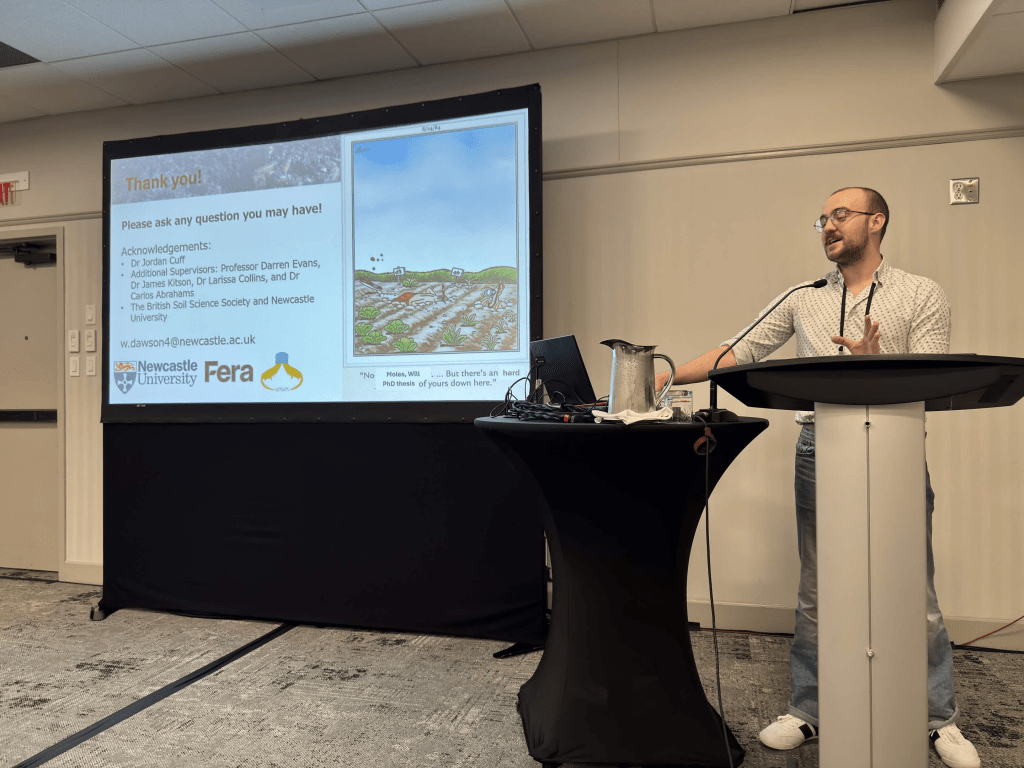
Ben was also out and about this month, taking a trip to the UK DNA Working Group Annual Meeting to give a talk about his PhD work! His talk even won a talk prize! Fantastic work, Ben!
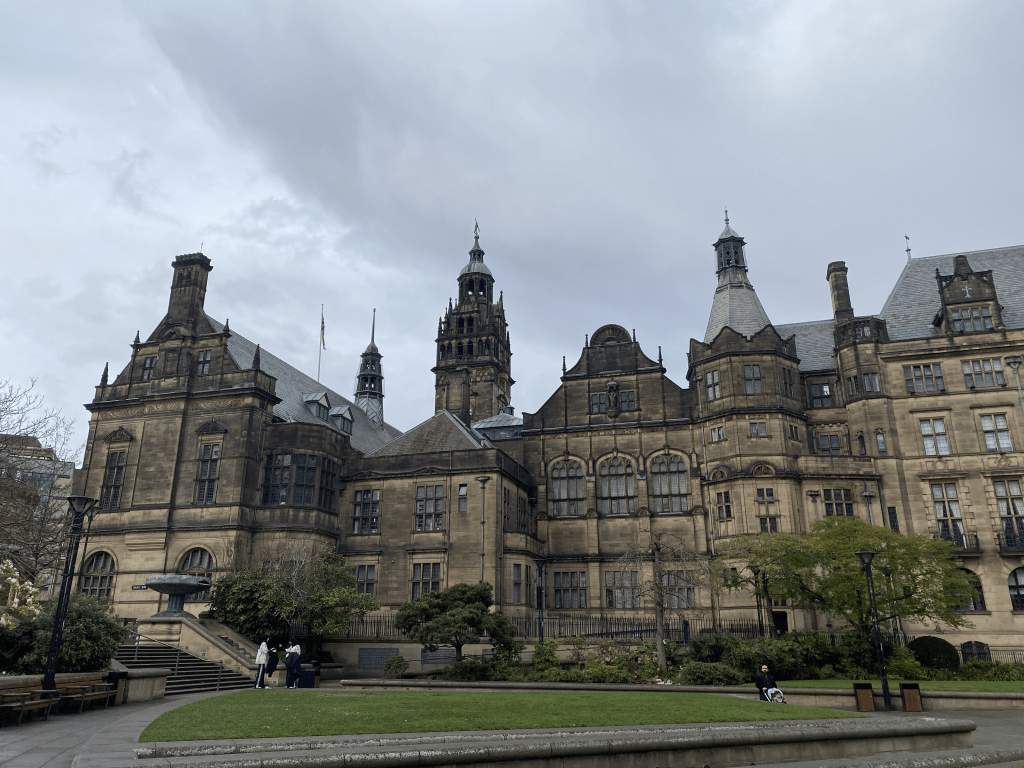
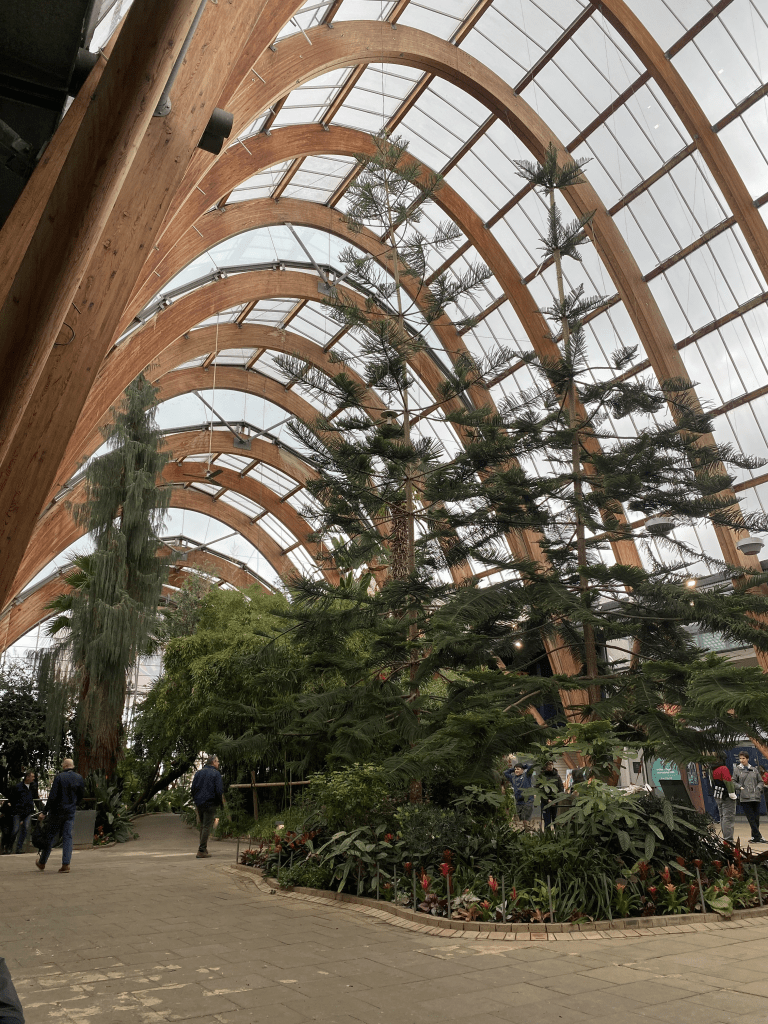
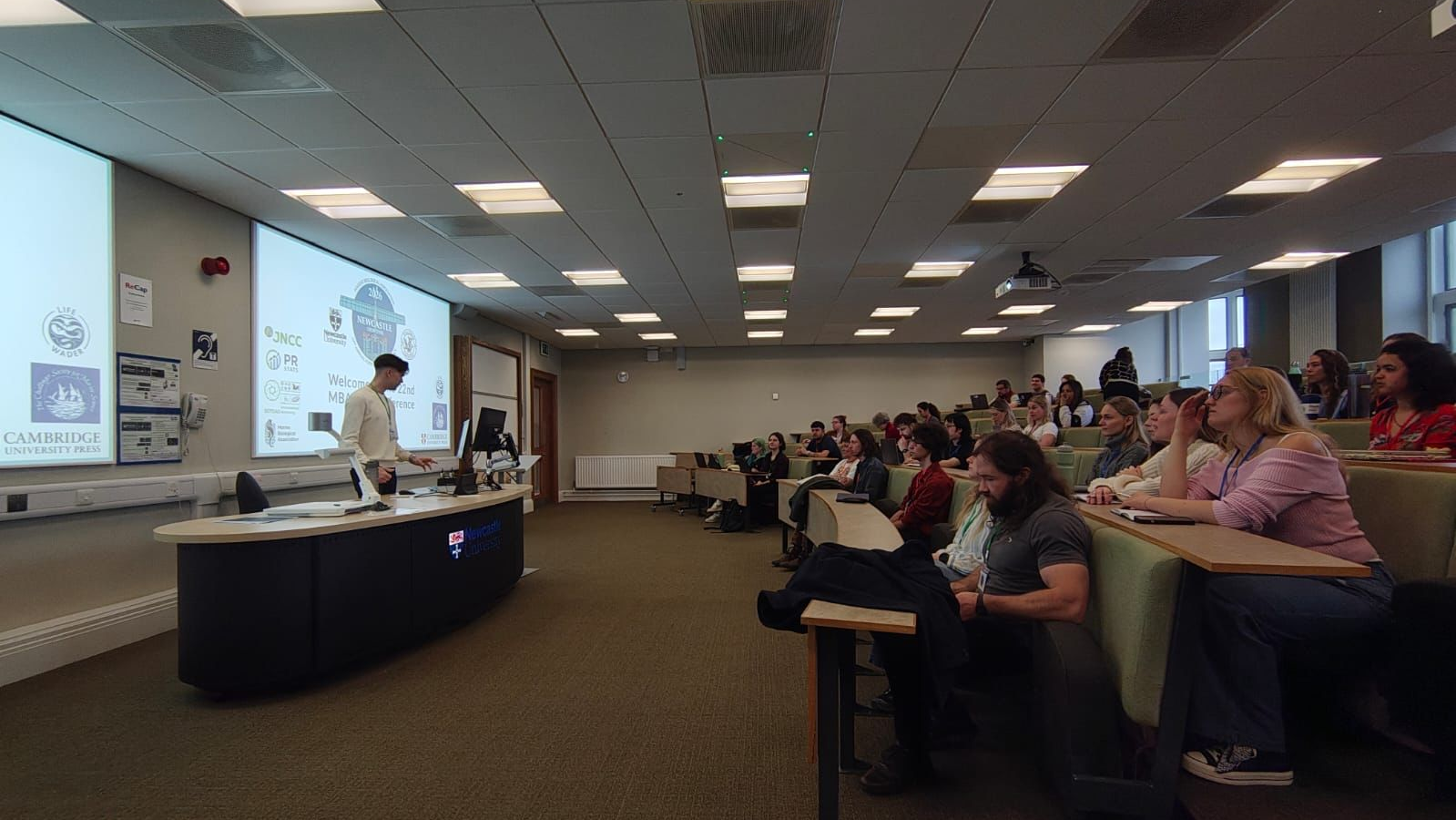
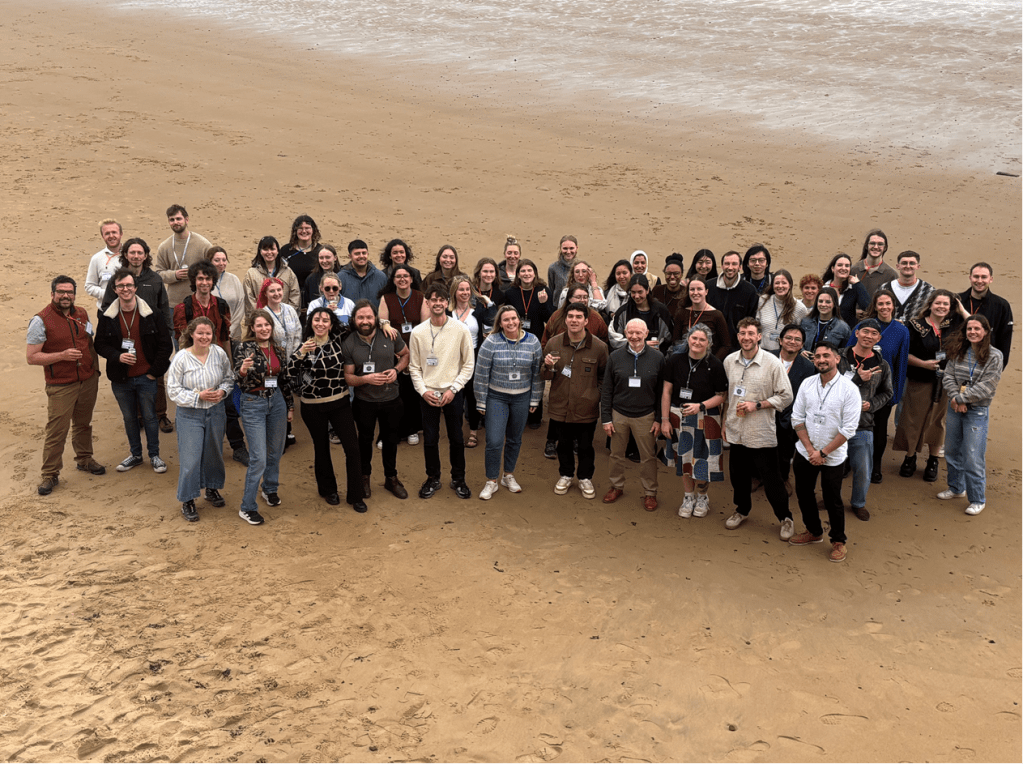
This month, Jack also hosted the 22nd Marine Biological Association Postgraduate Conference here in Newcastle! Attended by early-career marine biologists from near and far, the event was a complete success, even closing with a barbecue on the beach! Great work organising, Jack!
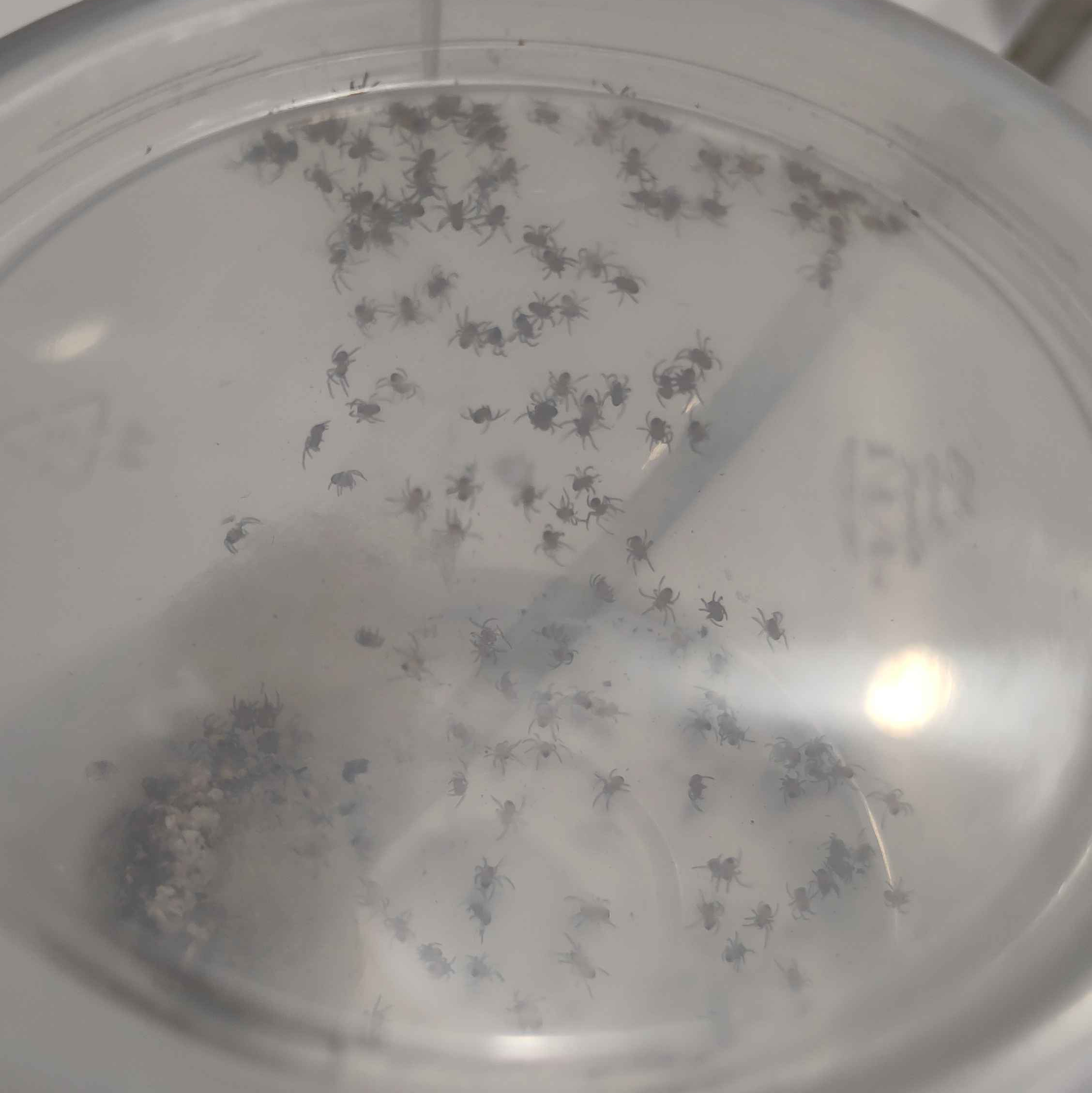
Jordan got involved in a very different type of Easter egg hunt this Easter weekend and picked up some egg sacs of the garden spider Araneus diadematus for the BBC’s Natural History Unit! Better still, when dropping them off at the BBC’s Bristol headquarters, the spiderlings emerged, as if on cue, to allay any fears that they would be camera shy! Keep your eyes peeled for these little spiderlings appearing on your TV screen in the near future (hopefully some exciting updates to come down the line).

Research spotlight
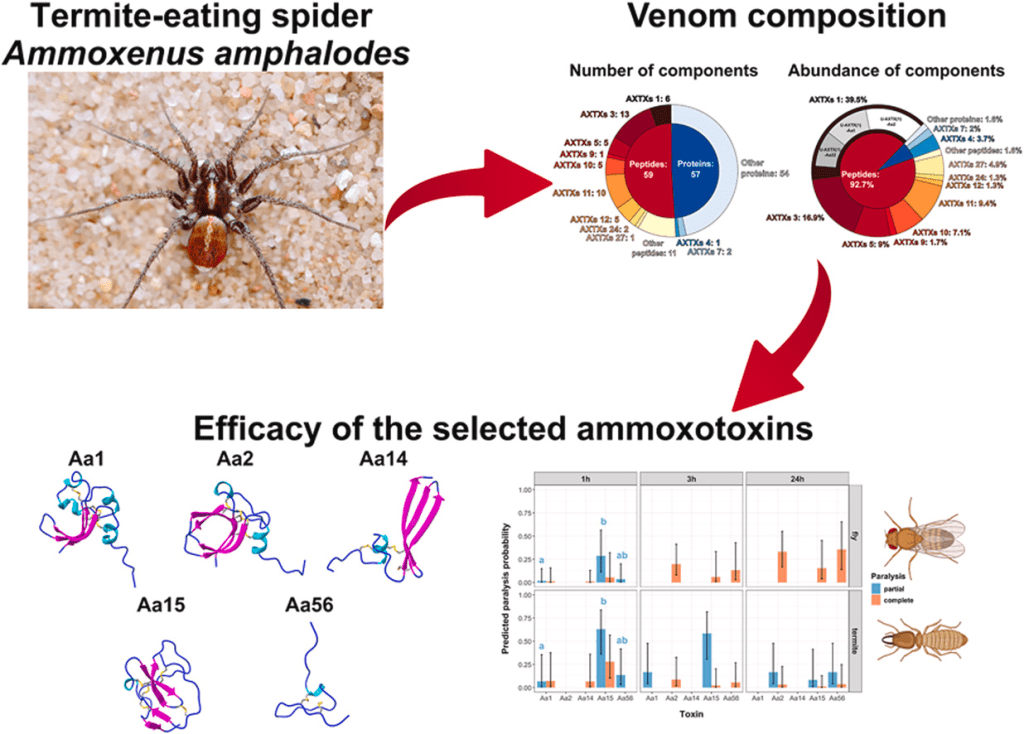
This month, we want to highlight this paper from Ondřej Michálek and co-authors: Venom proteome of the monophagous spider Ammoxenus amphalodes: a potential source of termite-specific toxins
This paper assesses the venom proteome of the termite-specialised spider Ammoxenus amphalode. Several compounds dominated the venom composition, including some that, when tested, induced reversible moderate paralysis in termites. The prey specificity of these toxins is fascinating from the perspective of evolution and adaptation of venom in dietary specialists. The downstream application of target-specific venom in biotechnology is also an exciting topic that warrants further exploration.
Taxon of the month
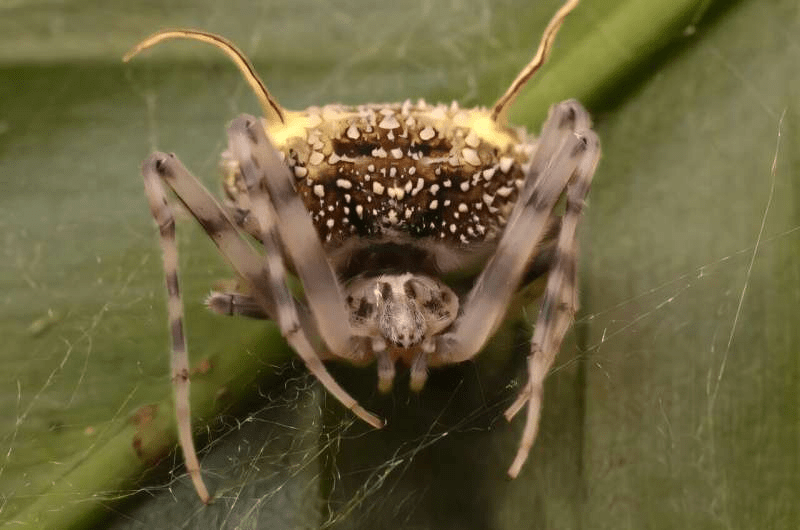
Our taxon of the month is “the Cordyceps spider”, Taczanowskia waska (Araneae: Araneidae), a newly described spider species published by David Díaz-Guevara and co-authors in Zootaxa. This is a novel case of mimicry of an araneopathogenic fungus (Cordycipitaceae: Gibellula) and, alongside being visually compelling, has some implications for wider ecological interactions.