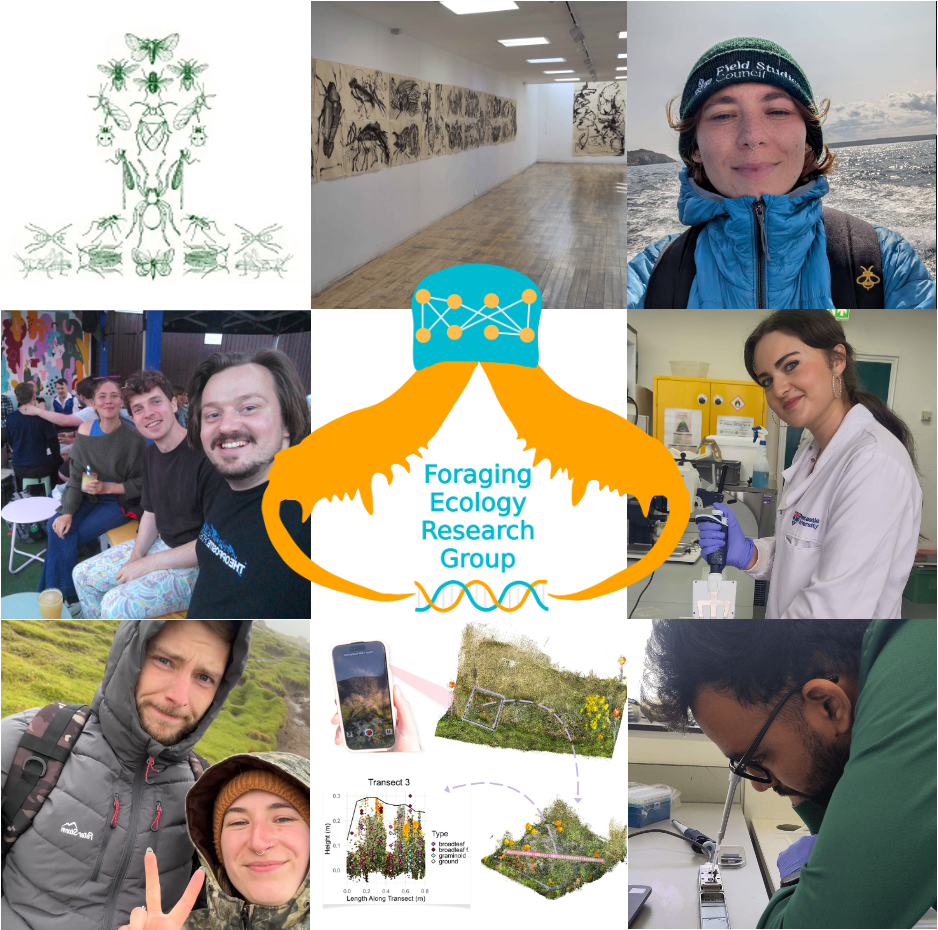
It’s been a busy month for FERG! The recent heatwaves have coincided with the peak of our fieldwork, the end of several projects, and a whole host of new outputs… Check out our latest updates below!
If you want to keep up with our latest updates, you can sign up to email alerts below!
FERGers and friends
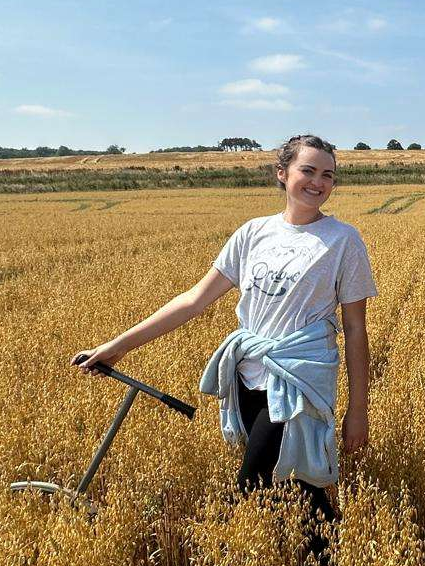
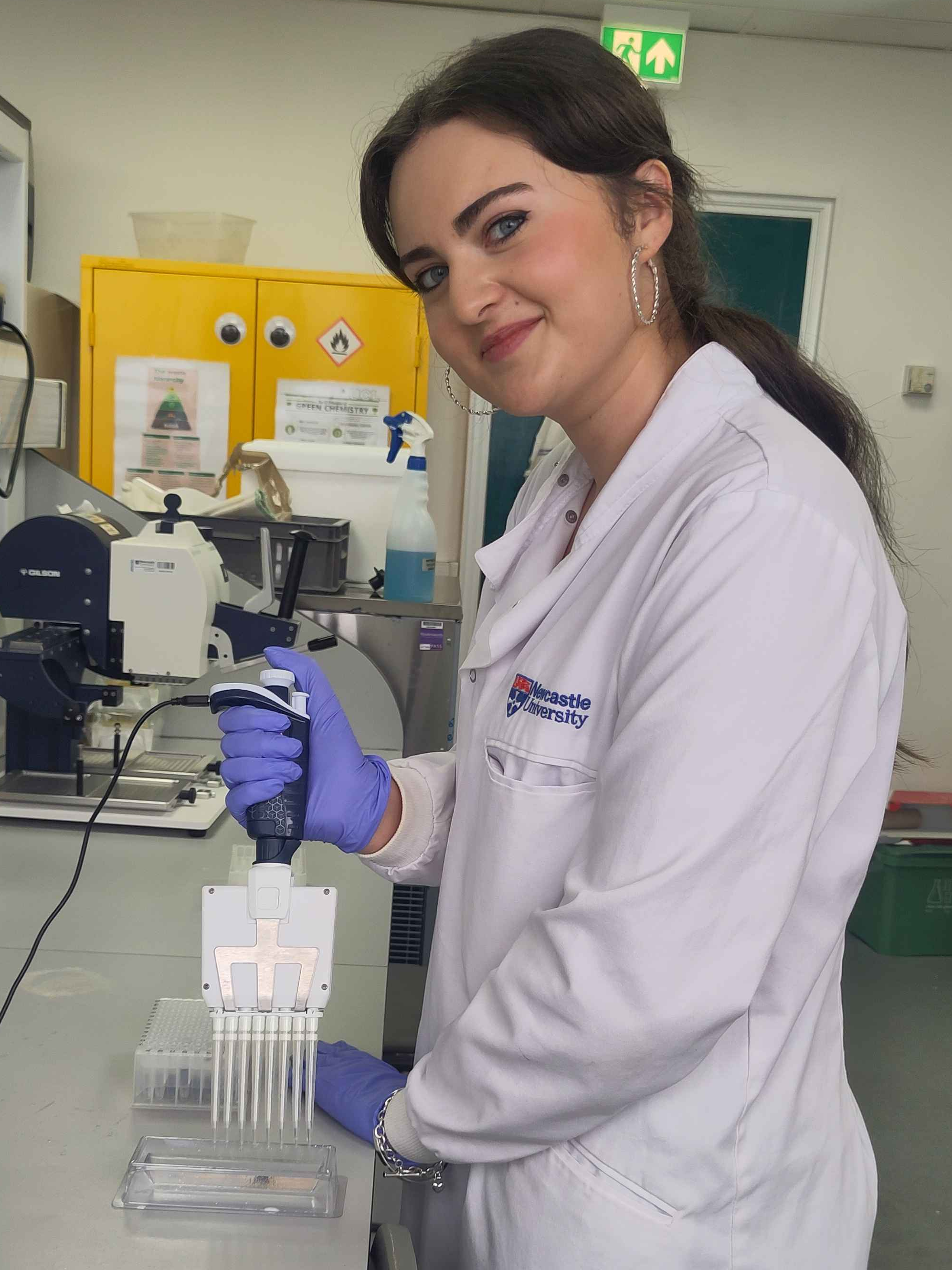
Over the last couple of months, we’ve had the immense pleasure of having Annabel with us as a summer intern! Annabel secured funding from The Rank Prize to support summer research on the nutritional limitation of arthropod predators in arable crop fields. The research has come together wonderfully and will certainly be making its way to a journal near you soon enough! We will miss Annabel greatly as she starts her third year project elsewhere in the university!
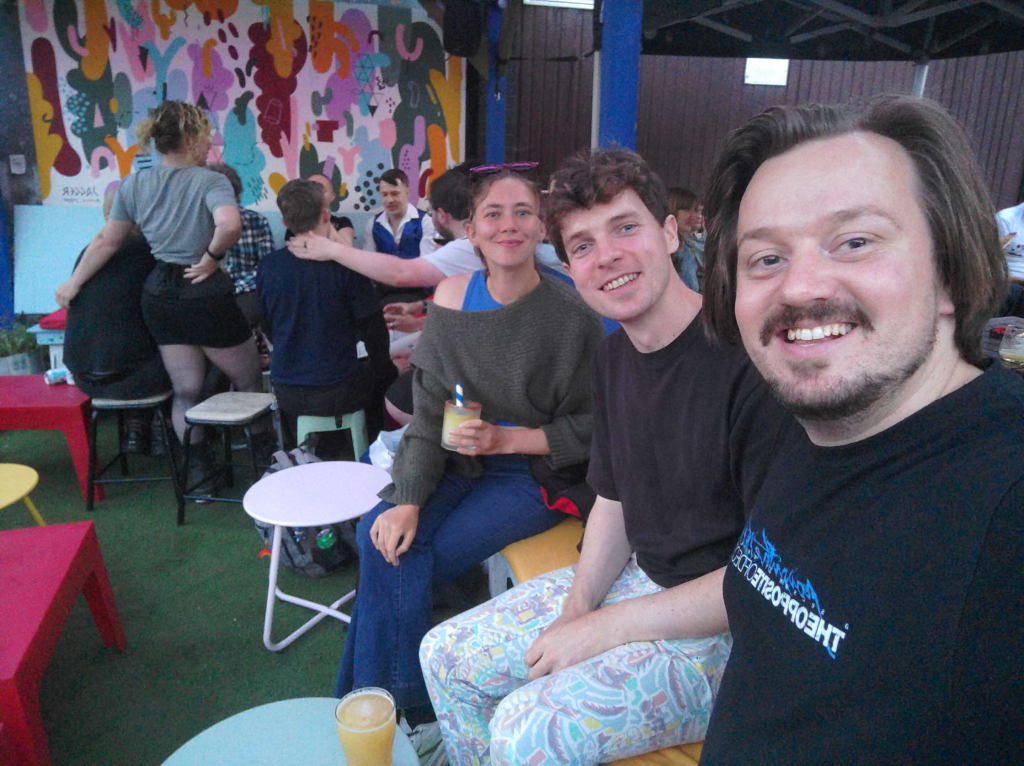
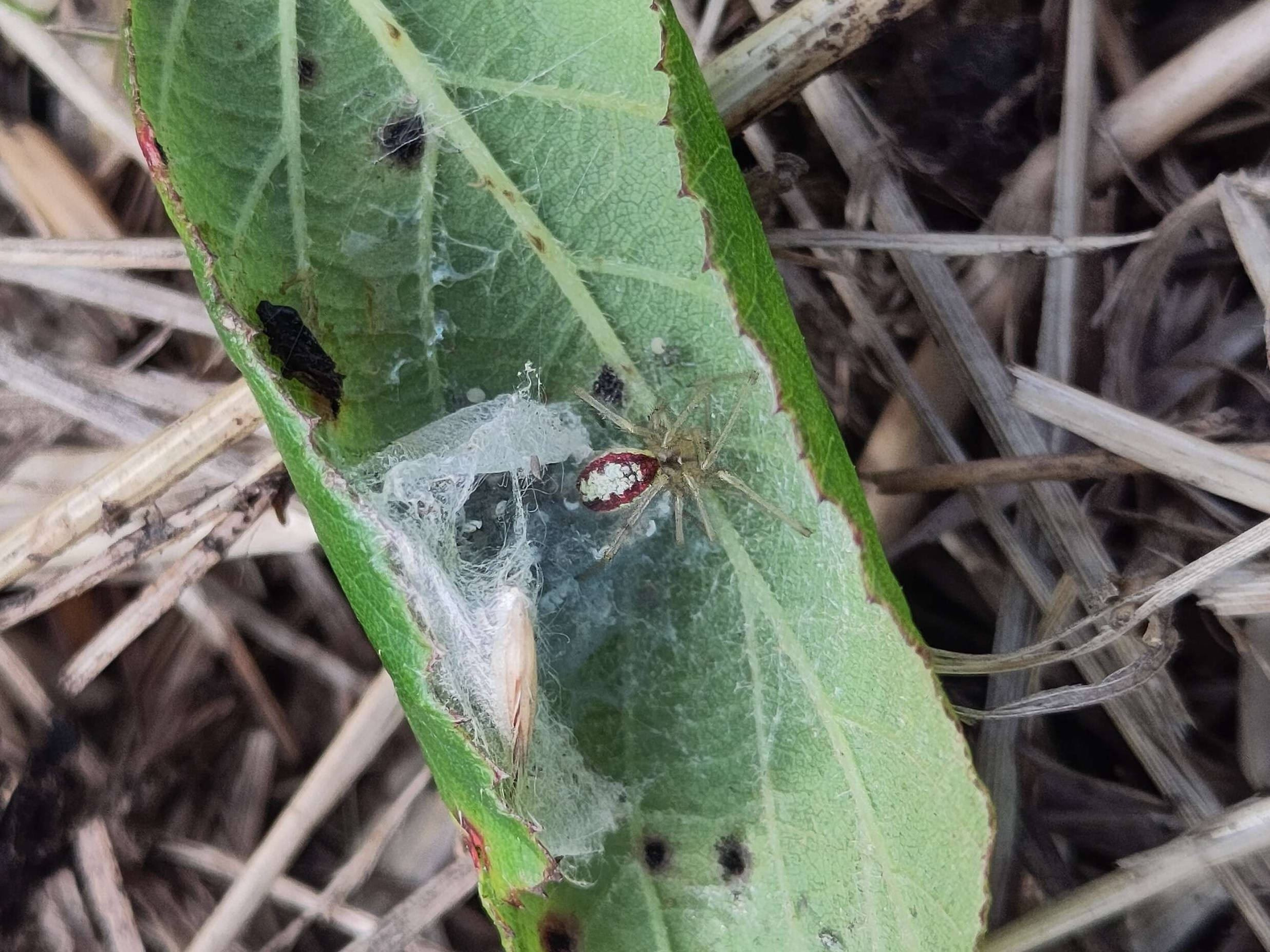
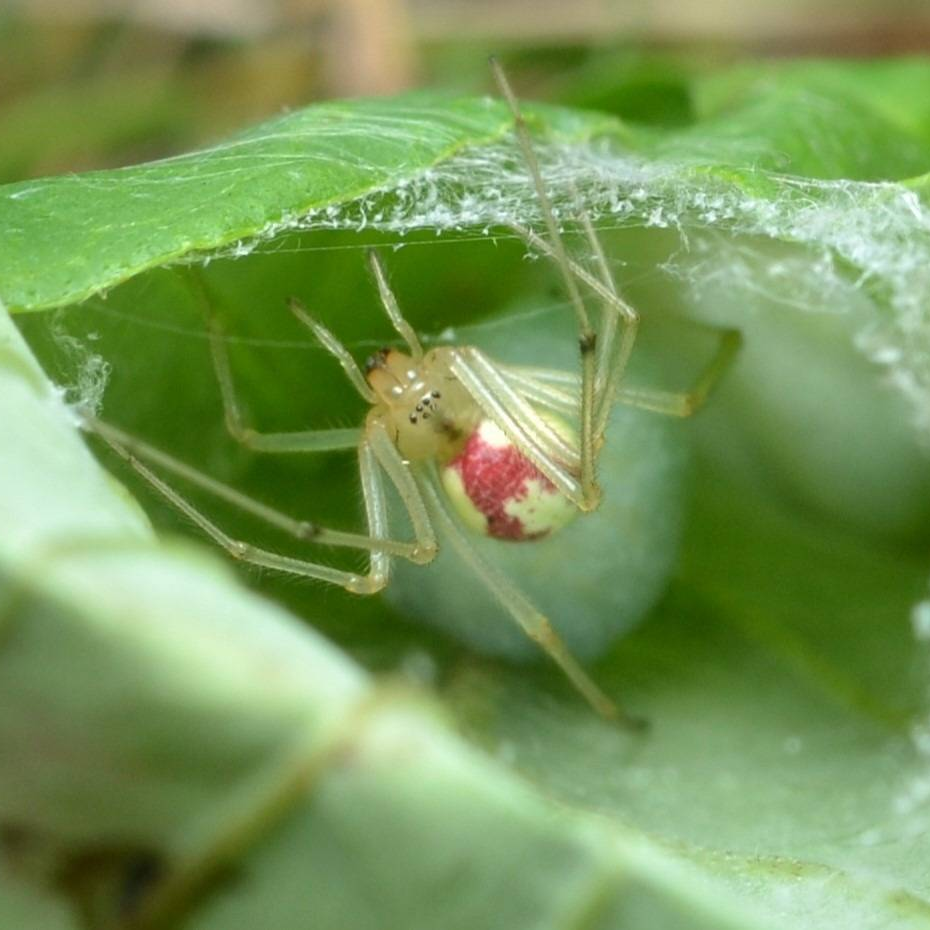
We had a couple of delightful visits from Jack Smith of the BBC’s Natural History Unit over the last few weeks! It was great showing Jack some of the cool critters we’re working on, particularly our ongoing work on the candy-striped spider, Enoplognatha ovata! Keep your eyes peeled for some of our many-legged mutual friends when BBC’s Hidden Planet airs next year!
Outputs and outcomes
Ben has been leading an exciting project behind the scenes, which has just made its public debut! The “What is an entomologist?” project, which Ben is running alongside other Royal Entomological Society Student Representations, past and present, including our very own Rosy, is showcasing and celebrating the diversity within the entomological community through digital and physical displays. If you’re an entomologist, why not add a profile to the project? Great work, Ben, Rosy and everyone else involved!
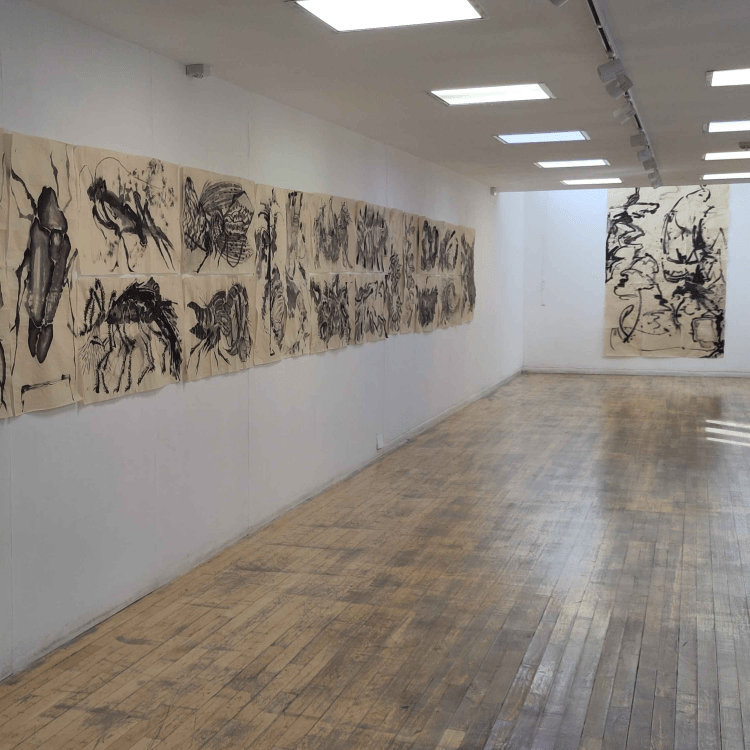
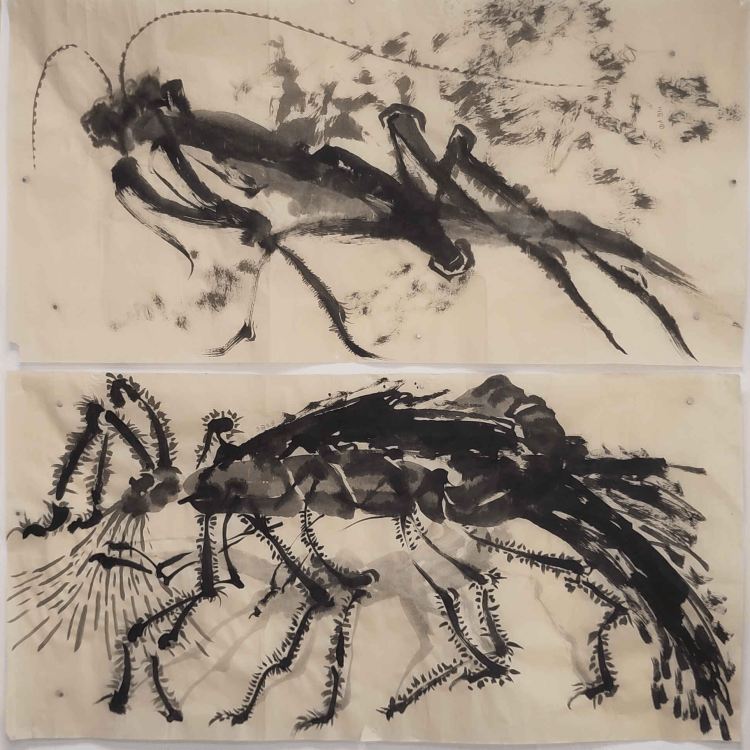
Yiran’s work towards her ‘Postbugs’ project, exploring the integration of human and non-human characteristics through the morphologies of insects, was on display in the university’s Hatton Gallery as part of the fine arts postgraduate degree show! Yiran’s work invited visitors to immerse themselves into the entomological world that Yiran has been creating. The images below give a taste of the exhibition, but nothing can do the real thing justice!
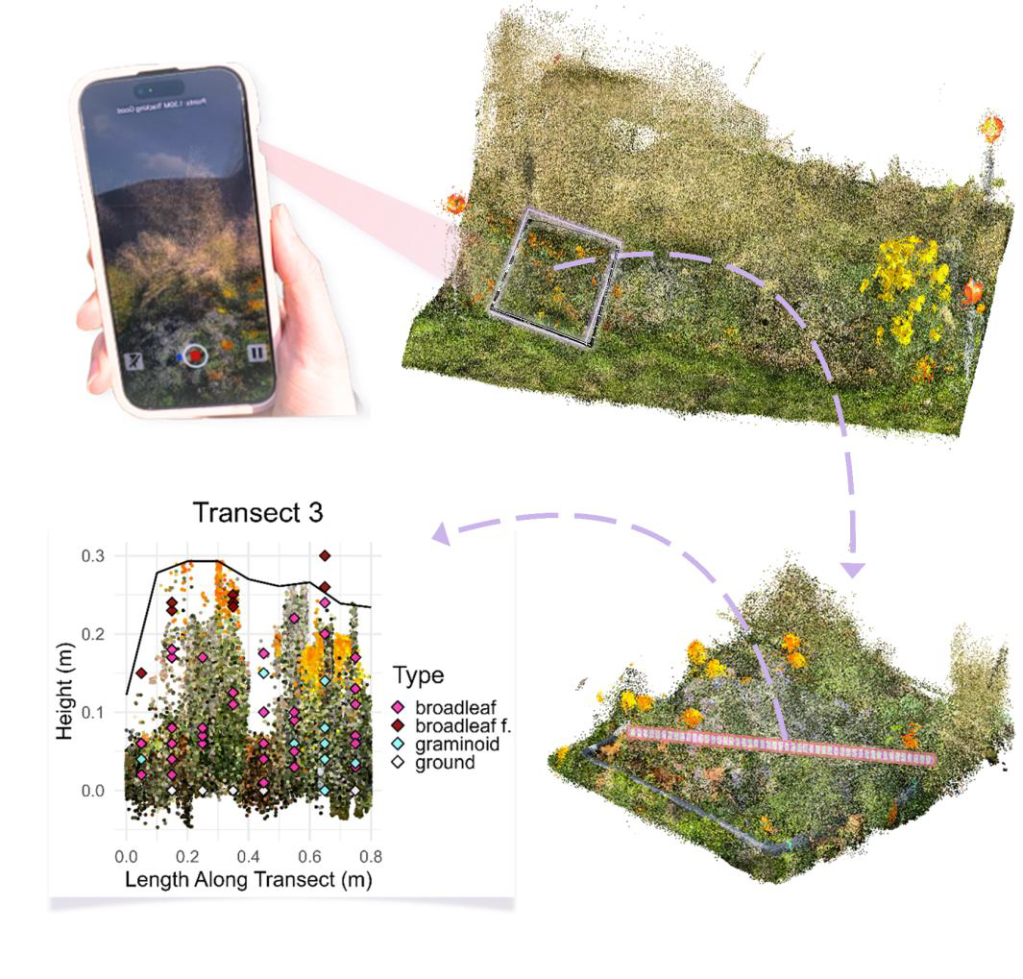
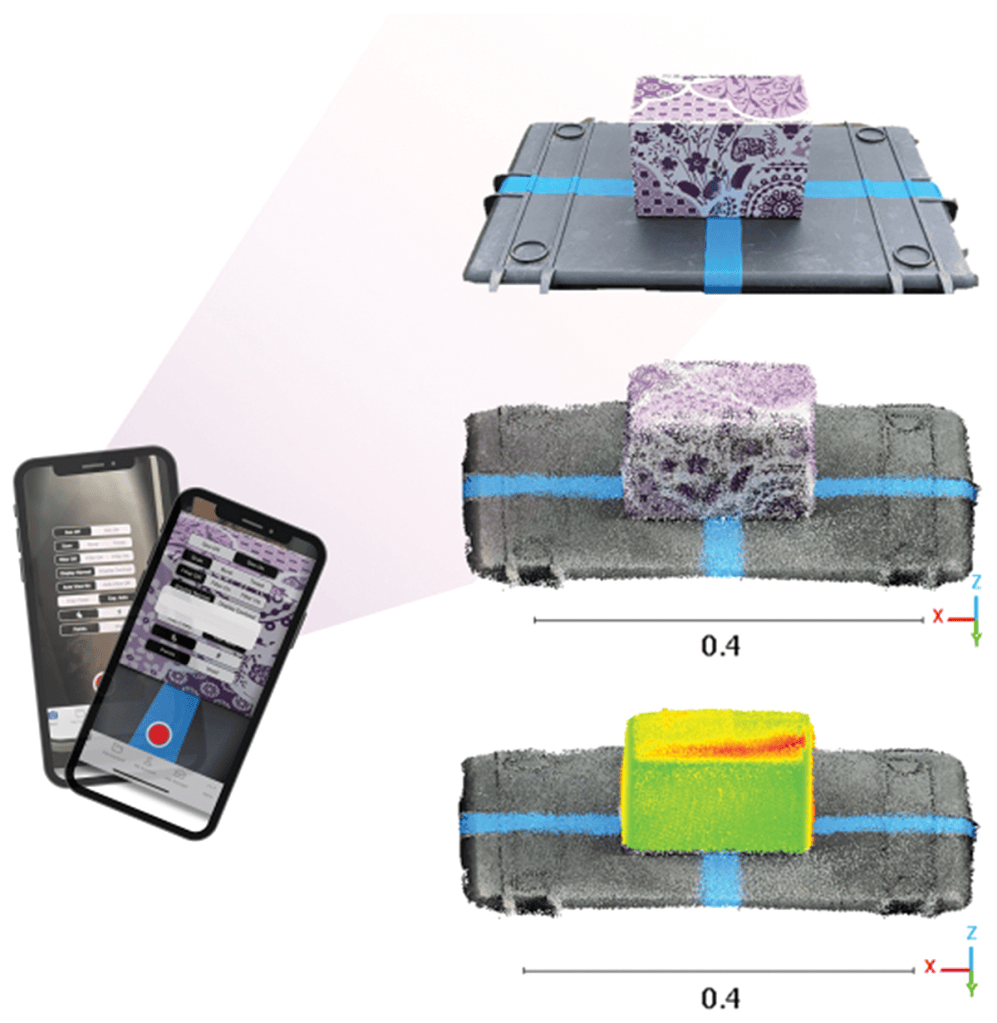
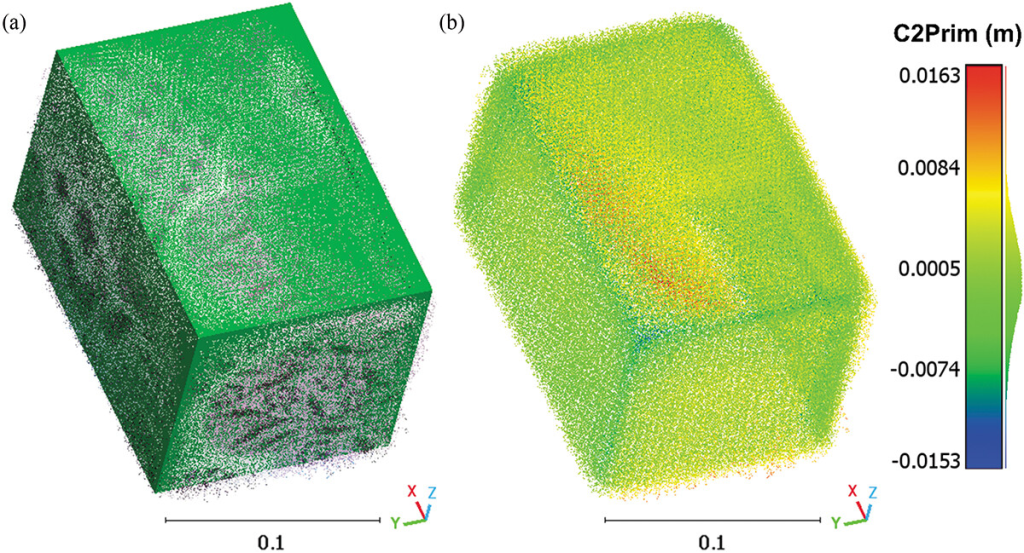
Broghan published a preprint from her PhD work, now live on EcoEvoRxiv: iPhone lidar can accurately capture fine-scale understorey vegetation structure! This preprint demonstrates and validates the use of iPhone lidar scanning for the generation of various vegetation structure metrics. This lays the foundation for the rest of Broghan’s PhD research, which will likely be hot on its heels! But, wait… There’s more below!
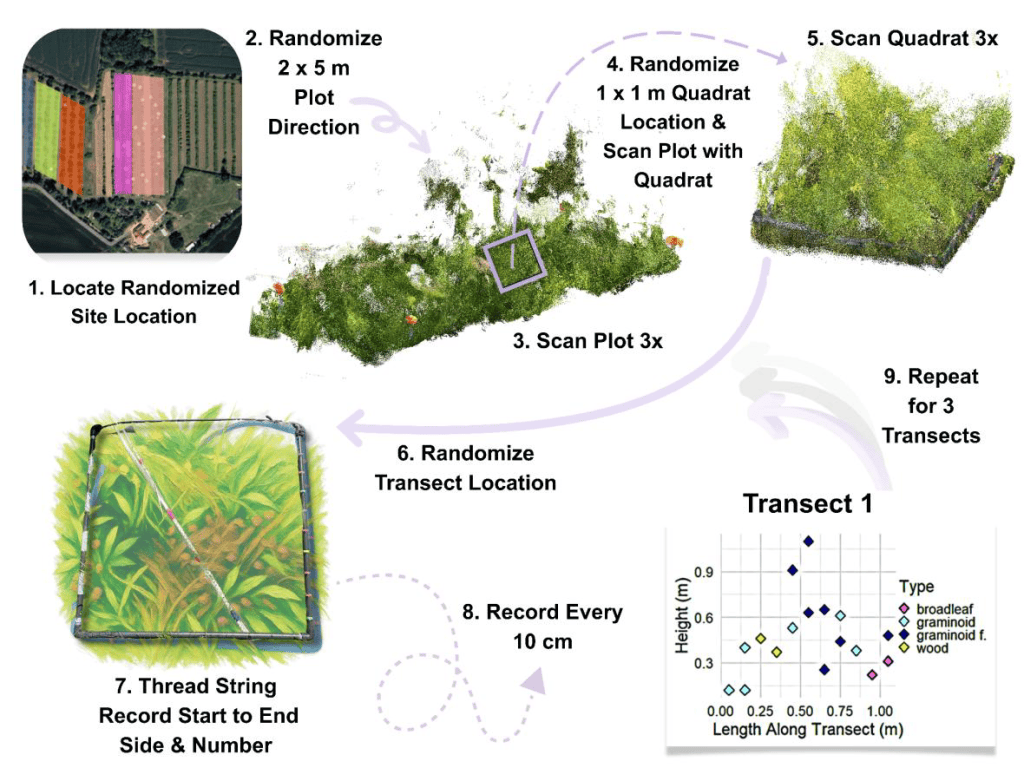
Broghan’s had a very productive month! She has also published the first paper from her PhD work: A comparison of lidar accuracy across iPhone models, with implications for reproducibility and cross-study comparison. This paper demonstrates consistency in lidar scanning between iPhone hardware versions, but also highlights that human choices, such as the use of different apps, can impact the structural data which can be derived from these scans. Keep your eyes peeled for more from Broghan in the near future!
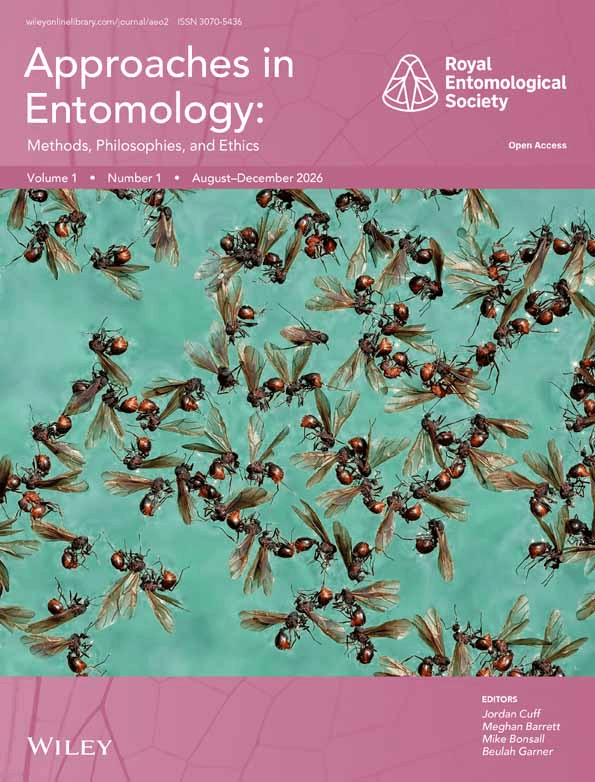
As we shared earlier in the year, Jordan has led the development and launch of a new Royal Entomological Society journal, Approaches in Entomology! To mark the beginning of this journey, Jordan, alongside fellow editors Meghan Barrett, Beulah Garner and Mike Bonsall, wrote an editorial presenting the key mission for the journal: to provide a home for research across the breadth of entomology related to how and why we study arthropods. This is now published, alongside the first couple of articles in the journal – check them out to get a flavour of what’s to come!
FERG in the wild
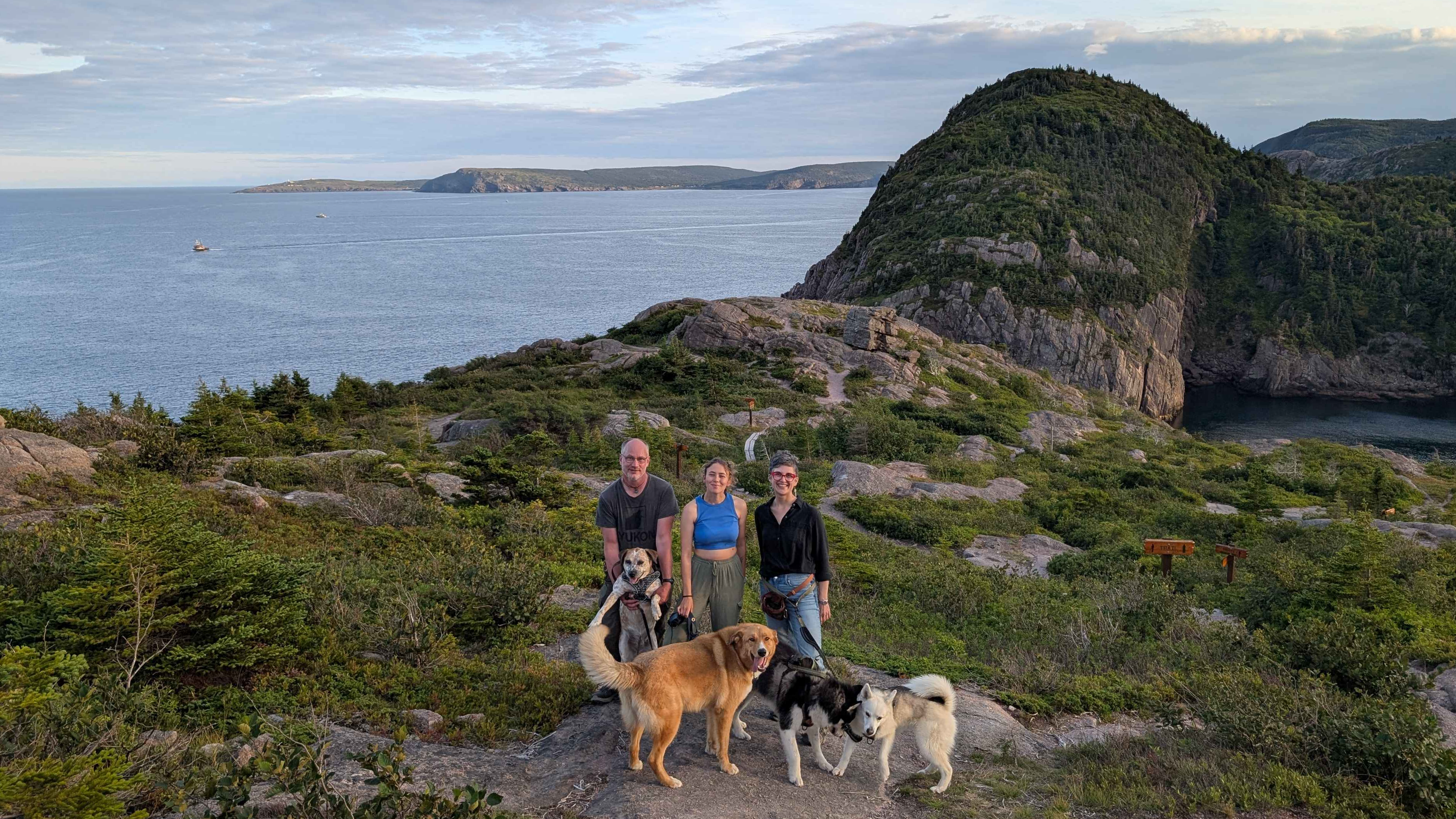
This month, Rosy’s finished up her UK fieldwork and hopped straight on a flight across the Atlantic to Newfoundland, Canada! Funded by a Genetics Society Heredity Fieldwork Grant, Rosy has been collecting candy-striped spiders from their invasive range in Canada to compare to their ecology here in the UK, where they are native. This will not only expand our understanding of candy-striped spider ecology, but also allow Rosy to answer some fundamental questions about ecological invasions. Rosy’s being hosted by Sean McCann and Catherine Scott, both exceptional arachnological researchers known the world over for their work on spiders, including the discovery of marauding by candy-striped spiders. We’re really excited to see what this work reveals, and we’re sure that Rosy will have plenty to share about her time over there!
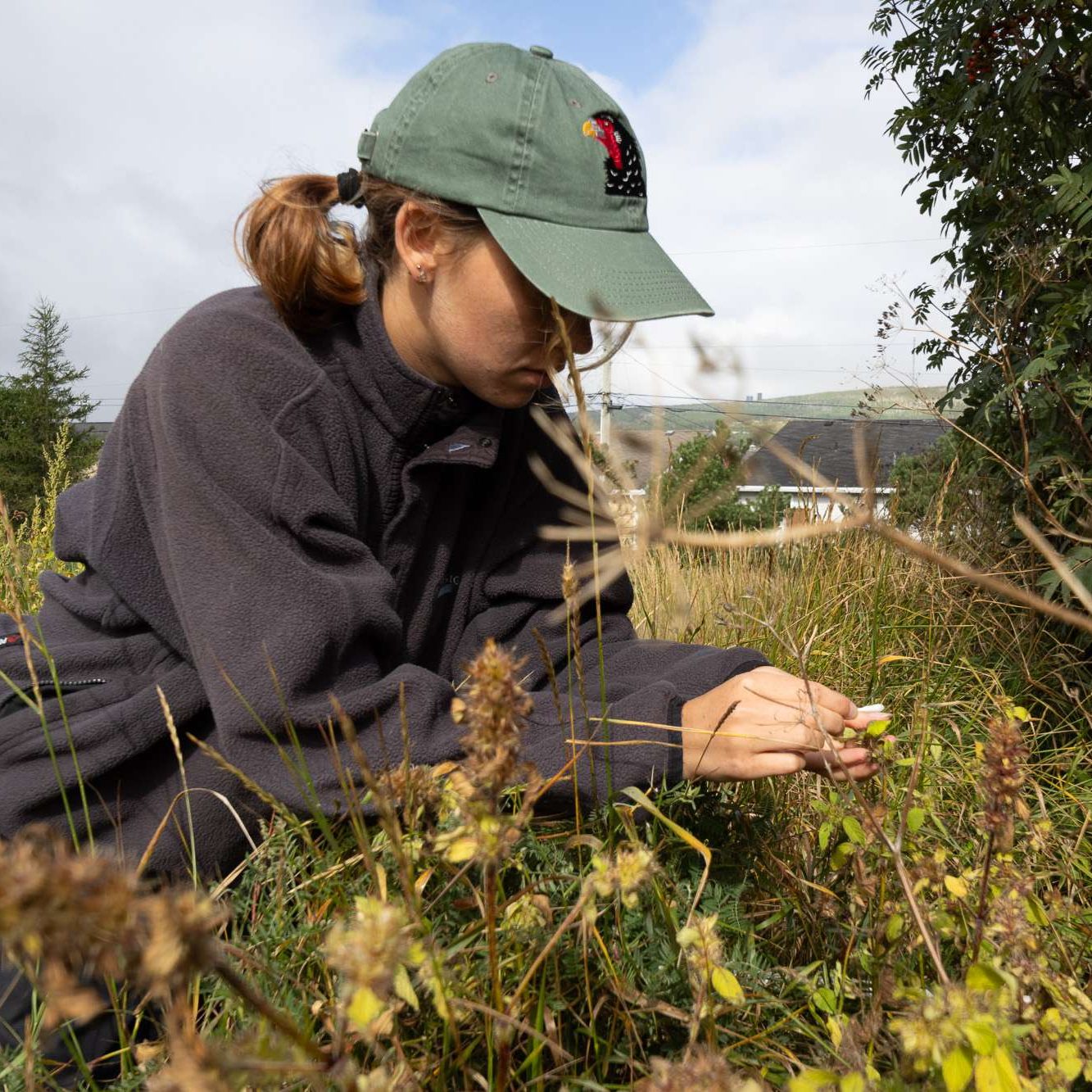
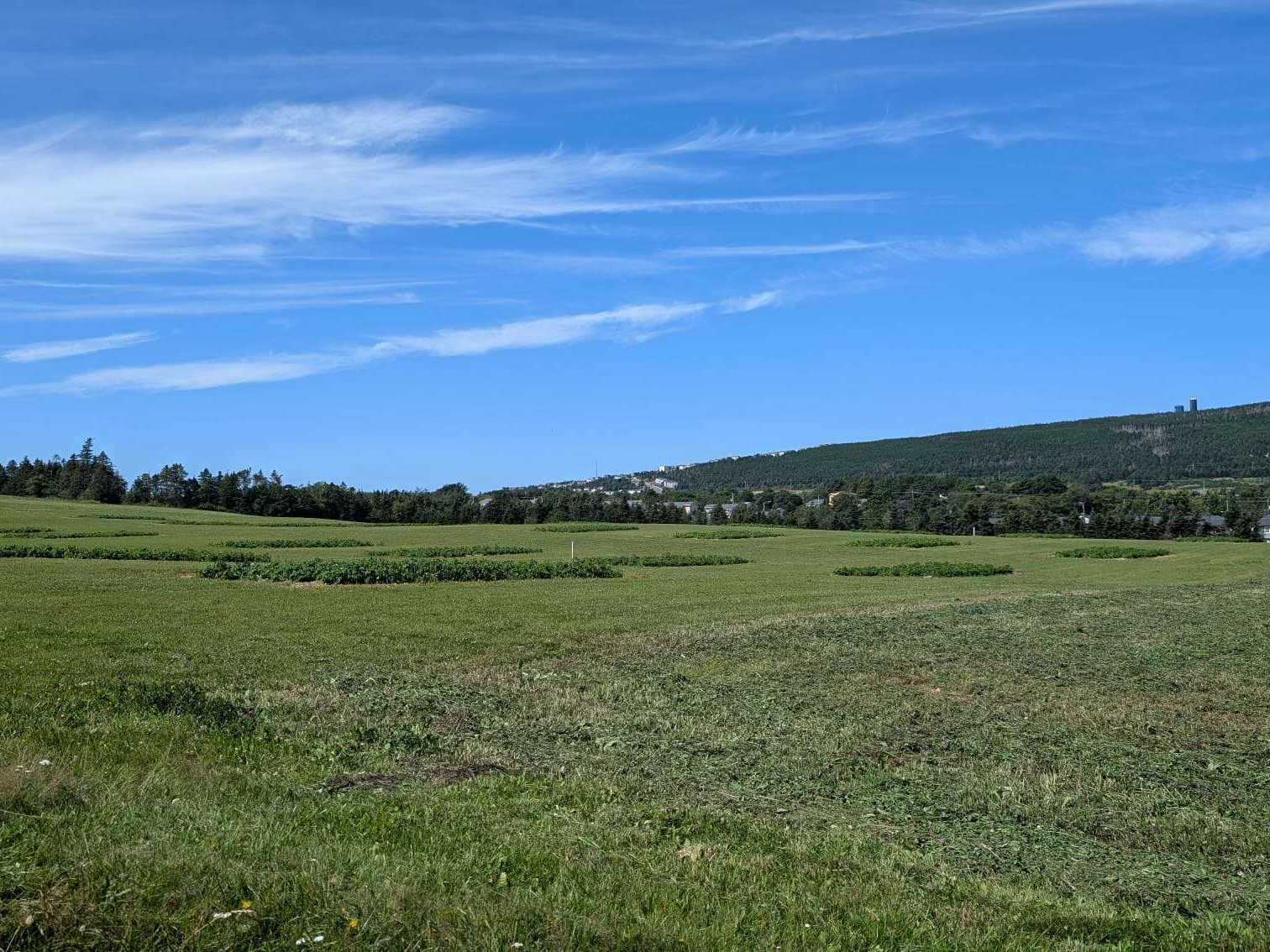
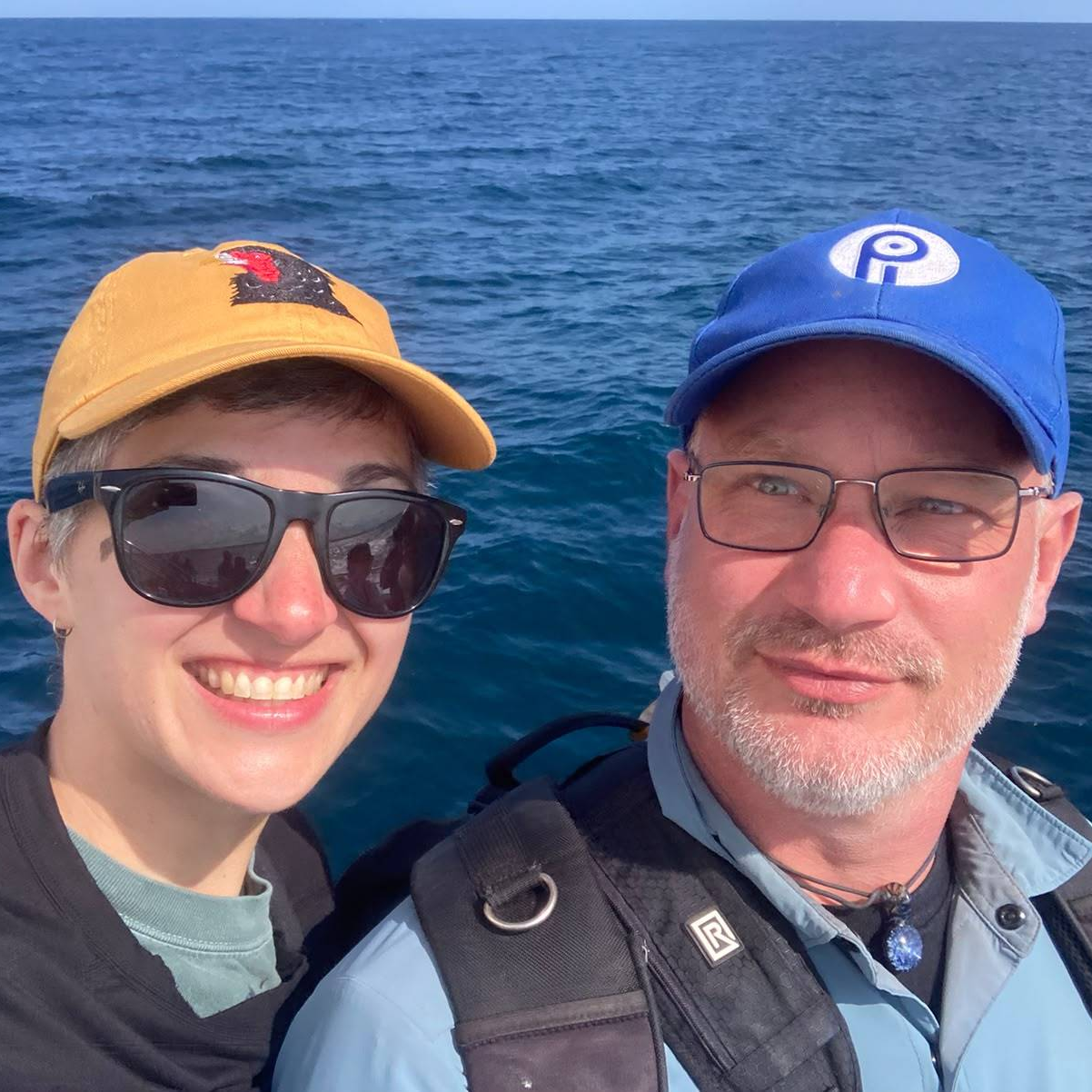
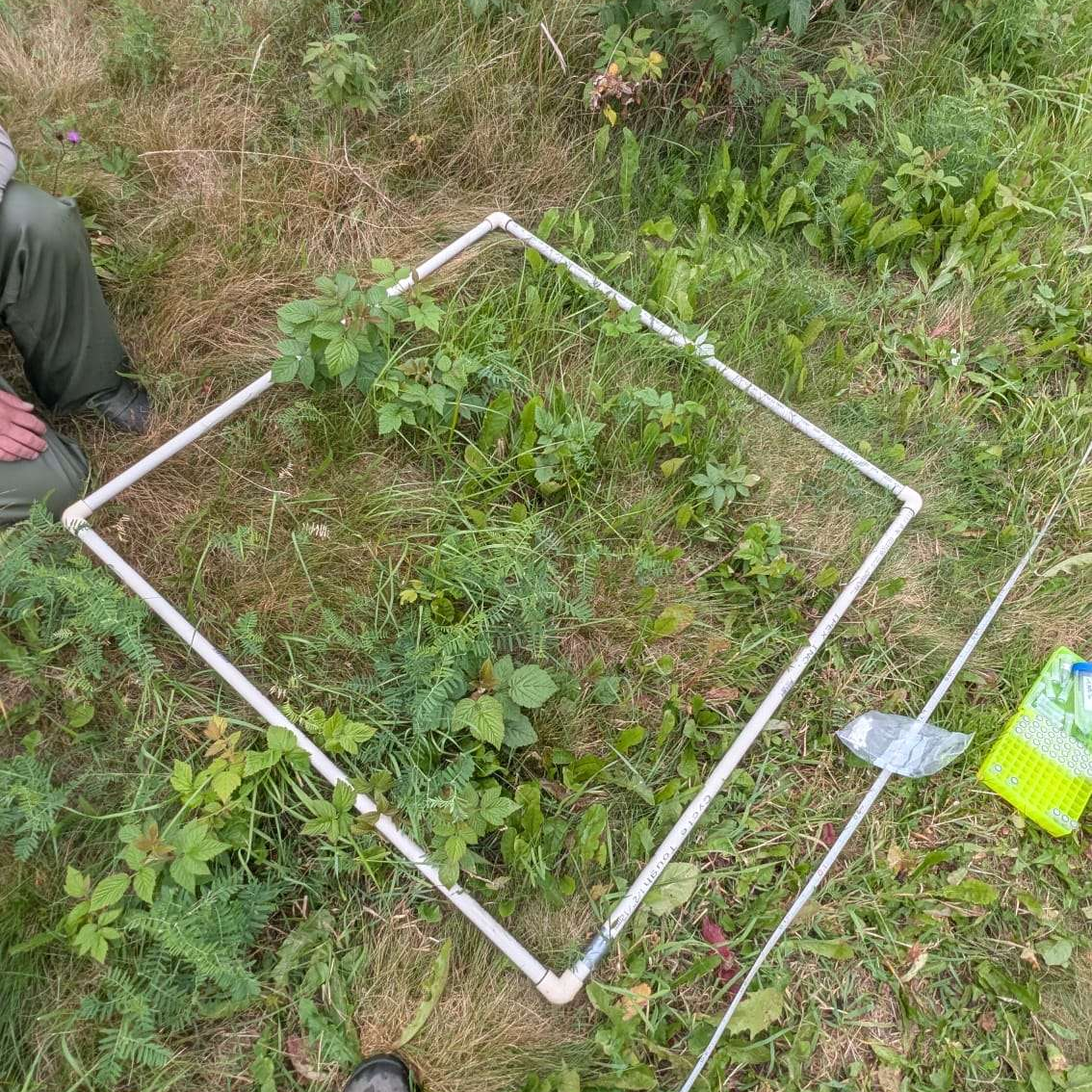
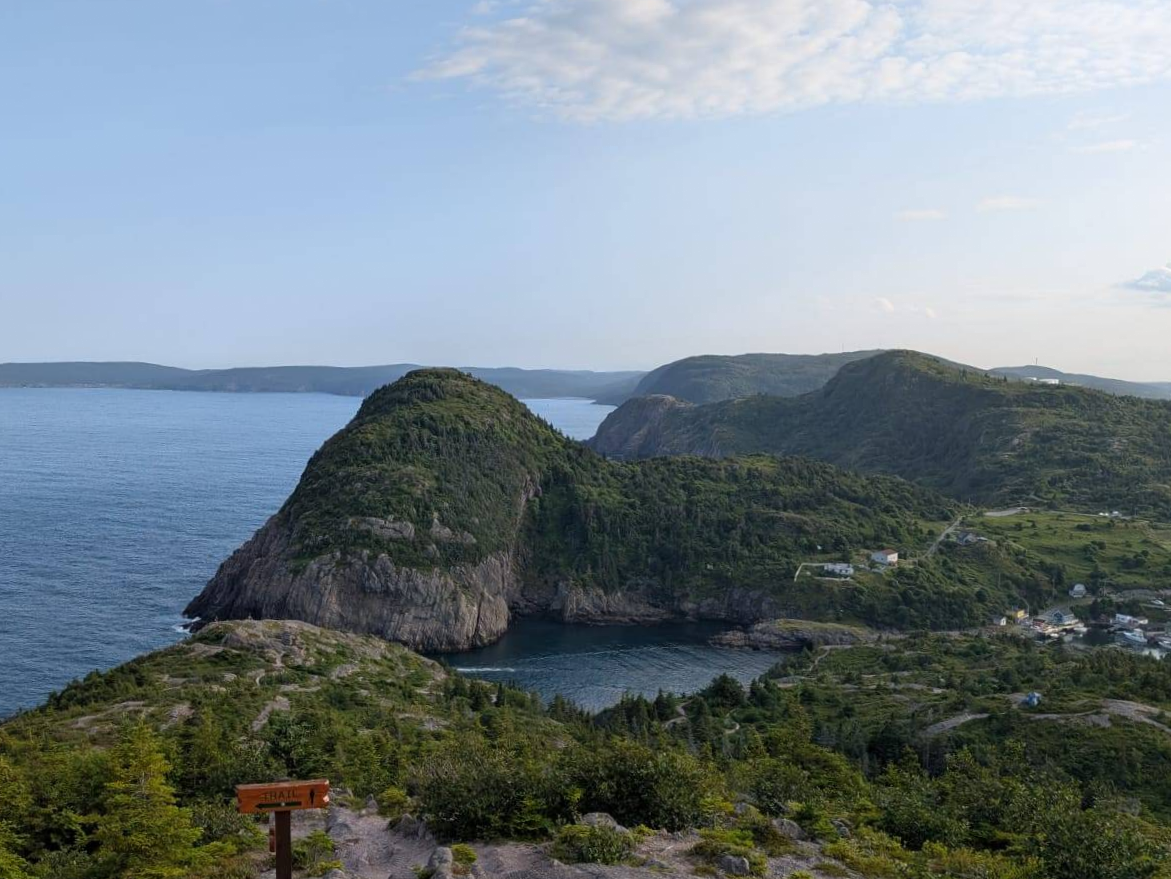
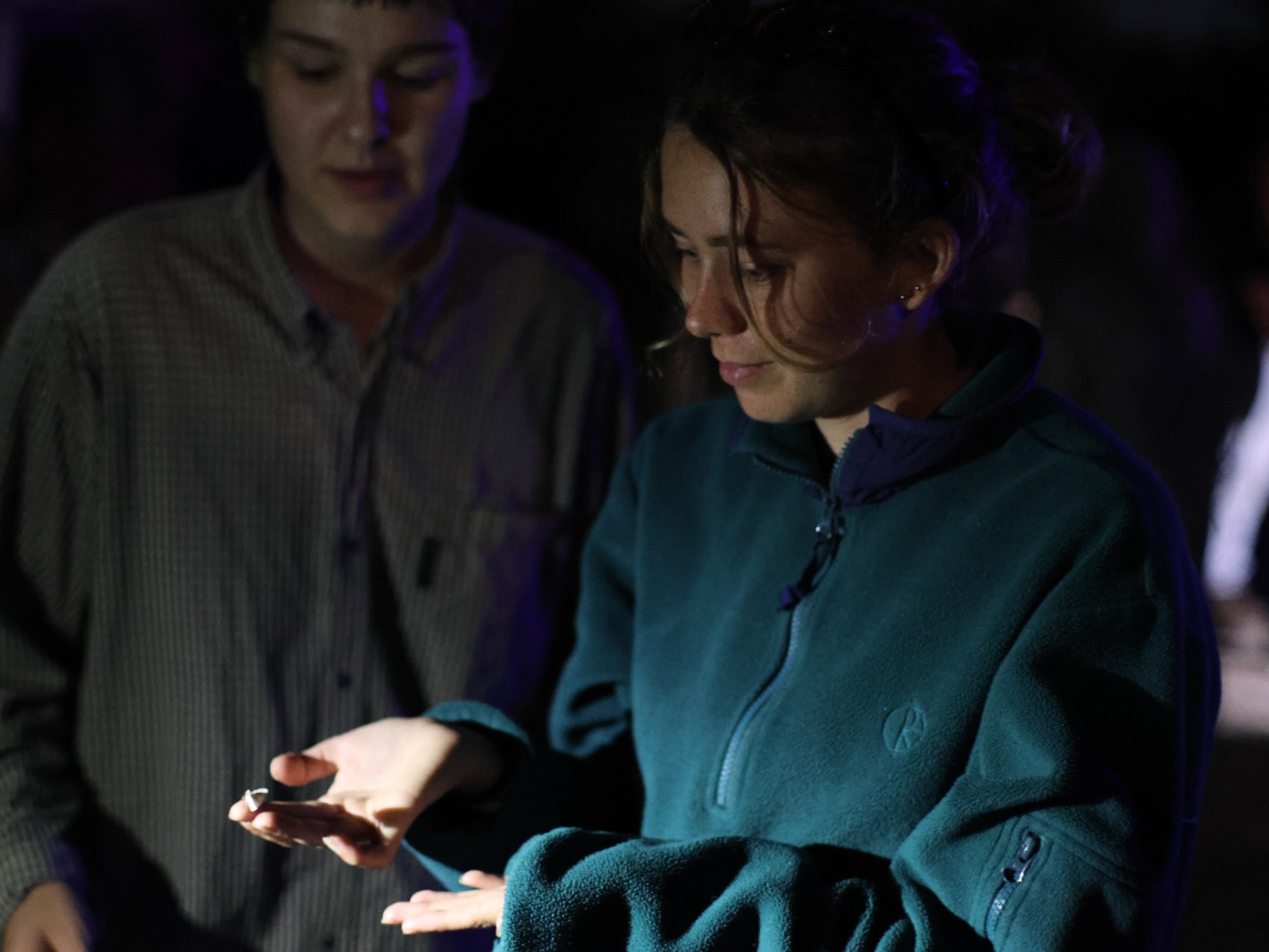
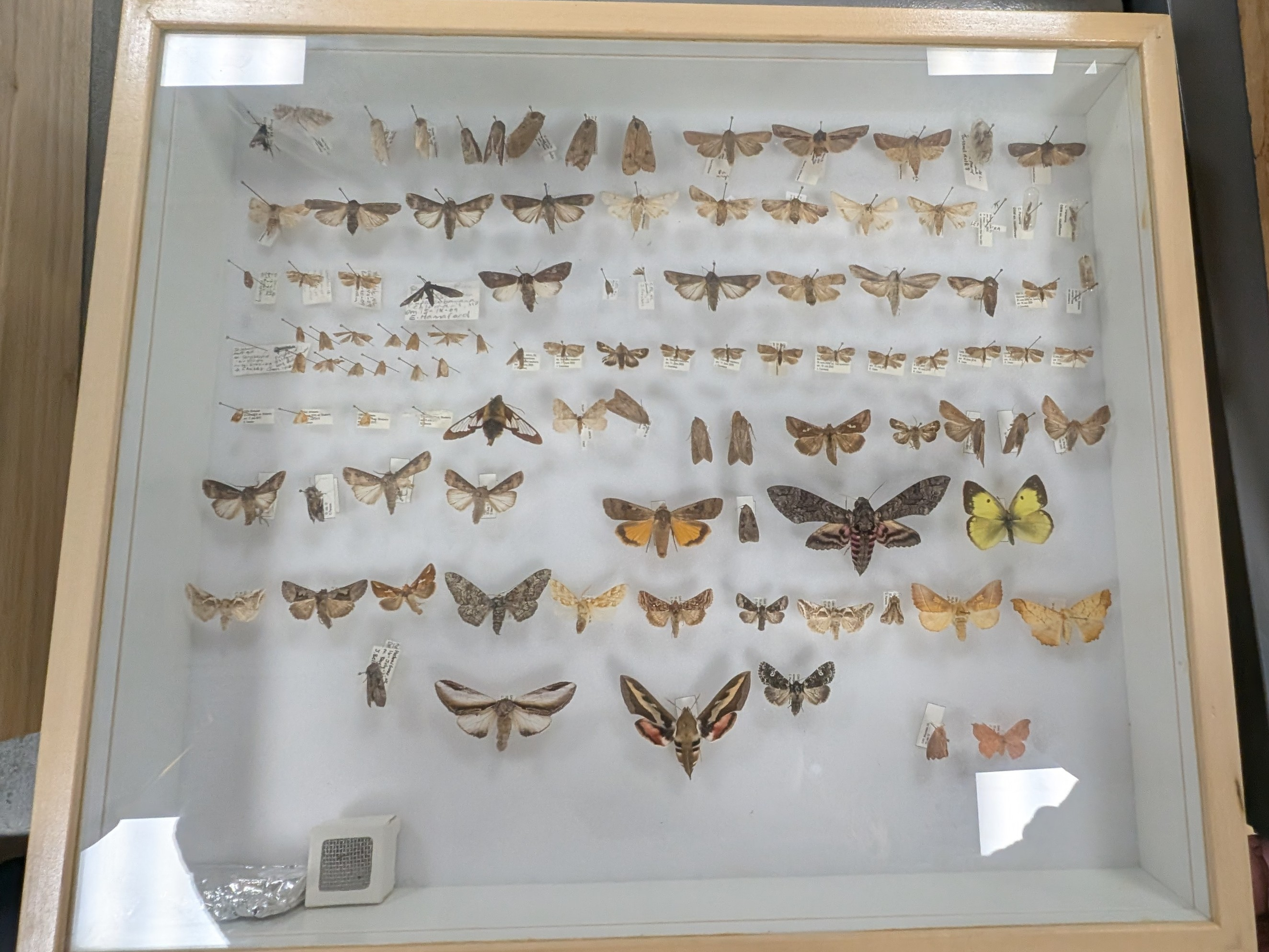
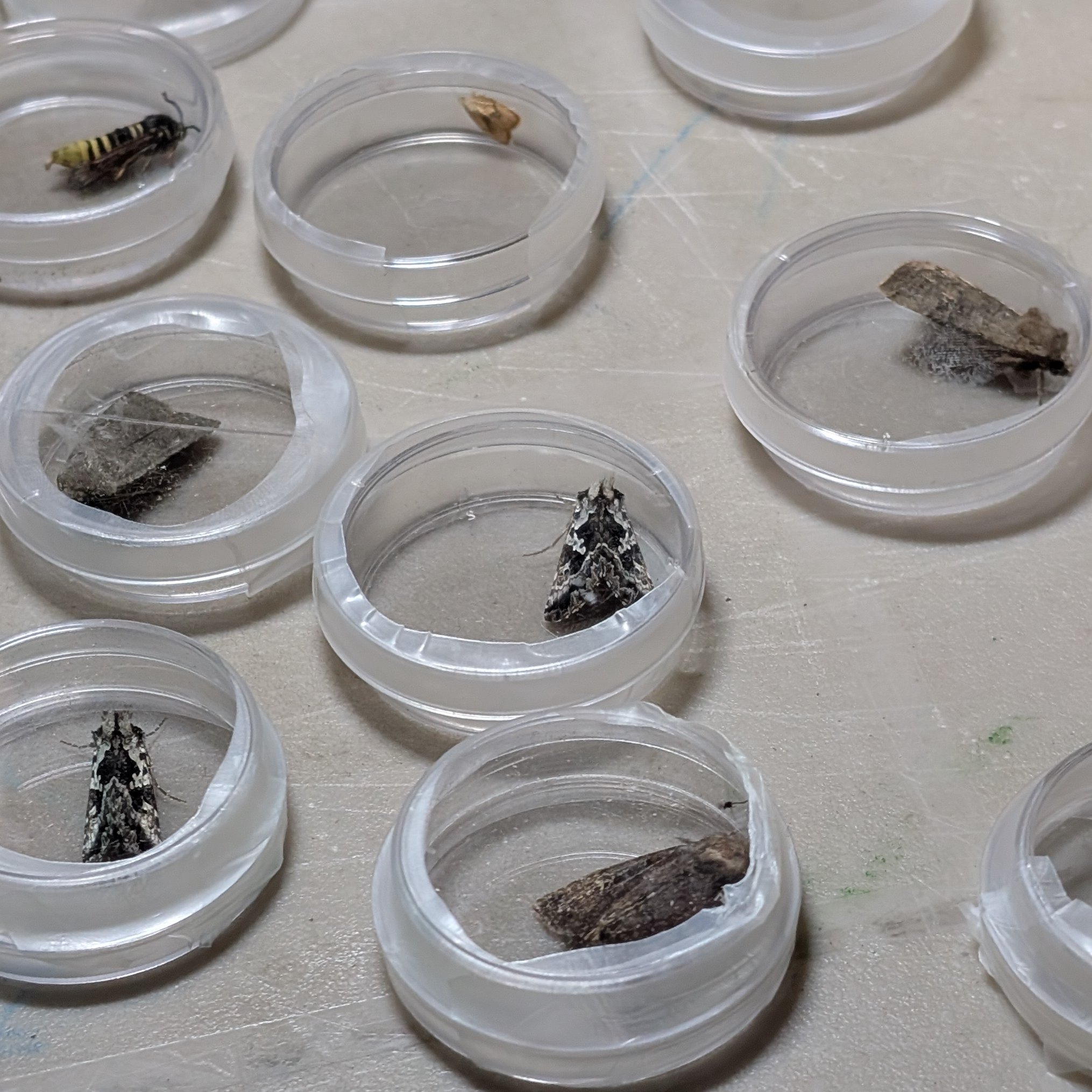
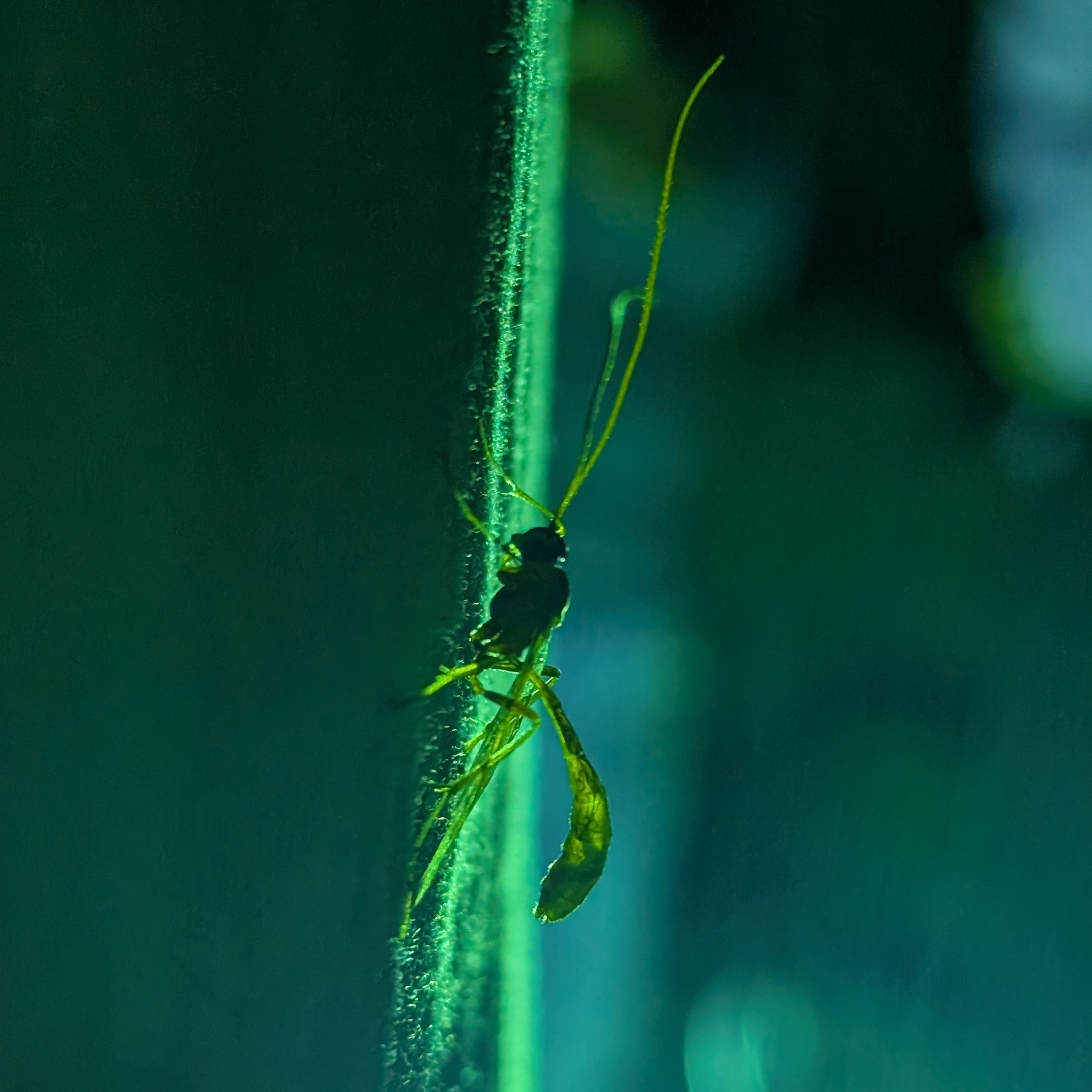
Whilst out there, Rosy has even been getting involved in science communication! Alongside her hosts, Sean McCann and Catherine Scott, Rosy got stuck in with ‘Moth Night’, during which members of the public are encouraged to handle, identify and learn about moths. It was great fun, and some non-moths even snuck in for the fun!
Shannon has returned from the last field season of her PhD! Shannon’s fieldwork, out on the Faroe Islands, has involved a few months of pollinator surveys, flower swabbing and ancient DNA adventures, returning home with plenty of samples to keep her busy for the remainder of the PhD! Now for the exciting journey of finding out what’s going on with these pollinator communities from the DNA they’ve left behind!
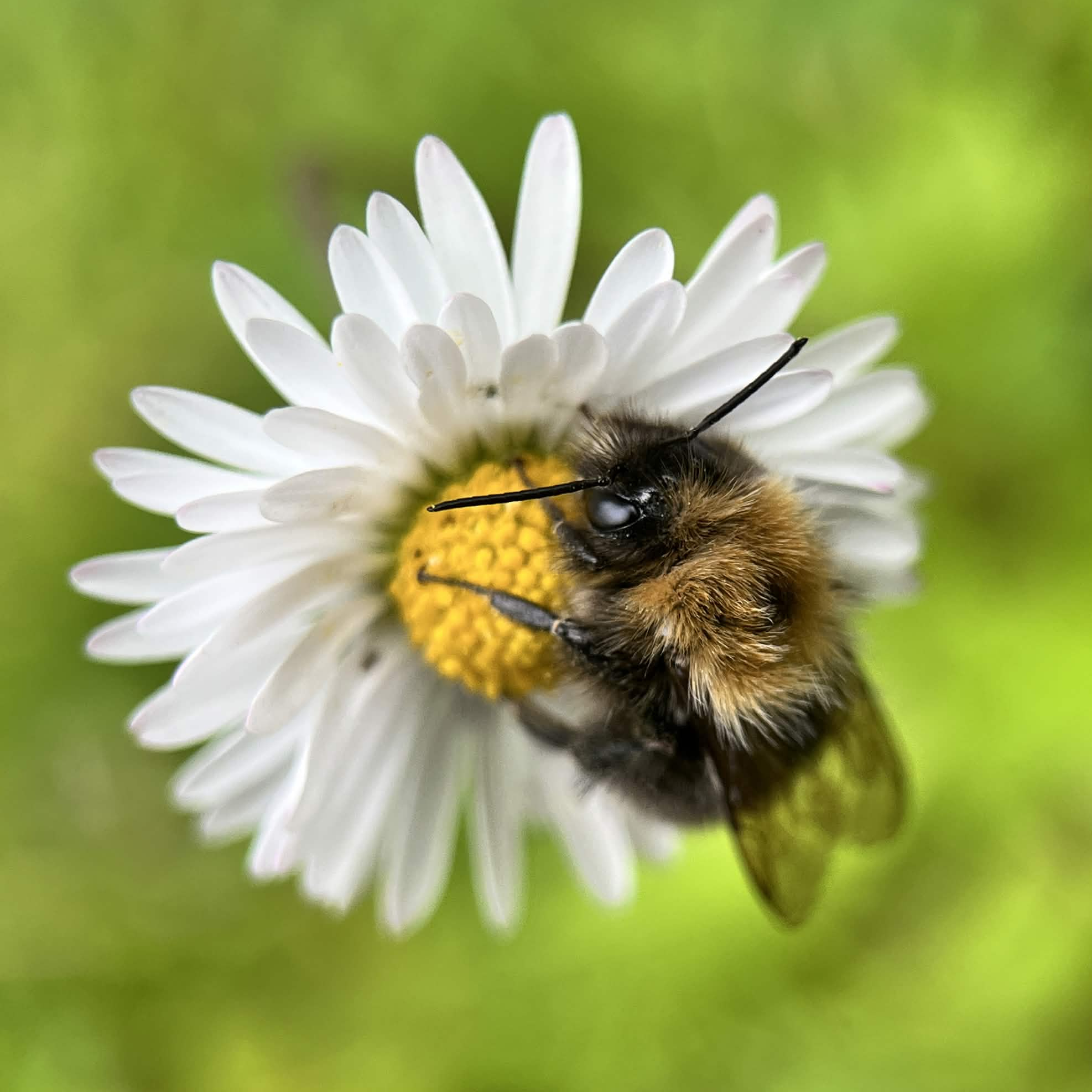
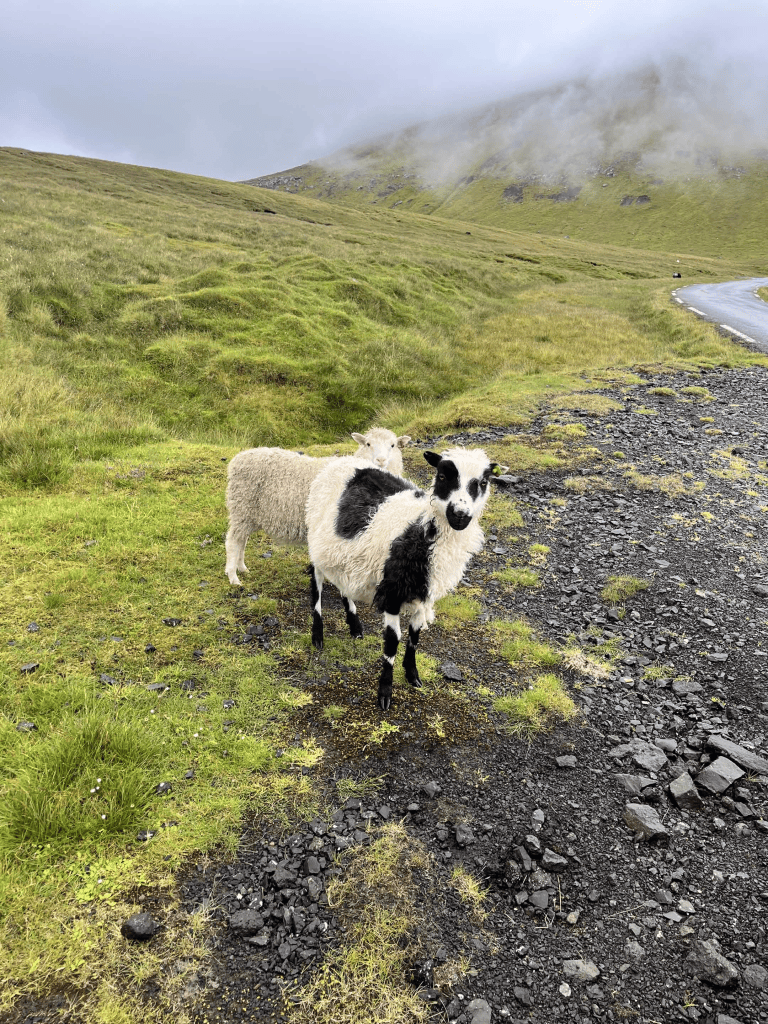
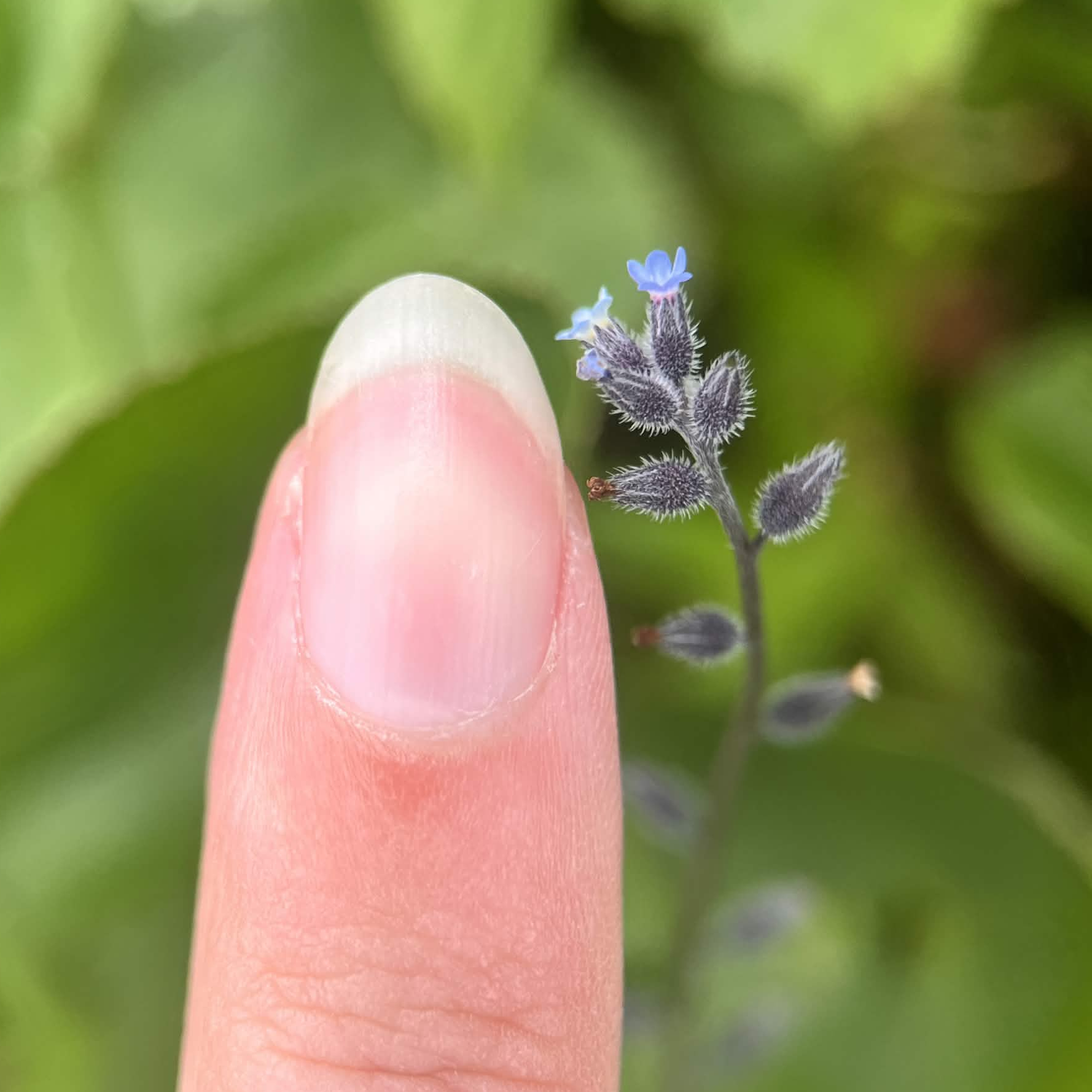
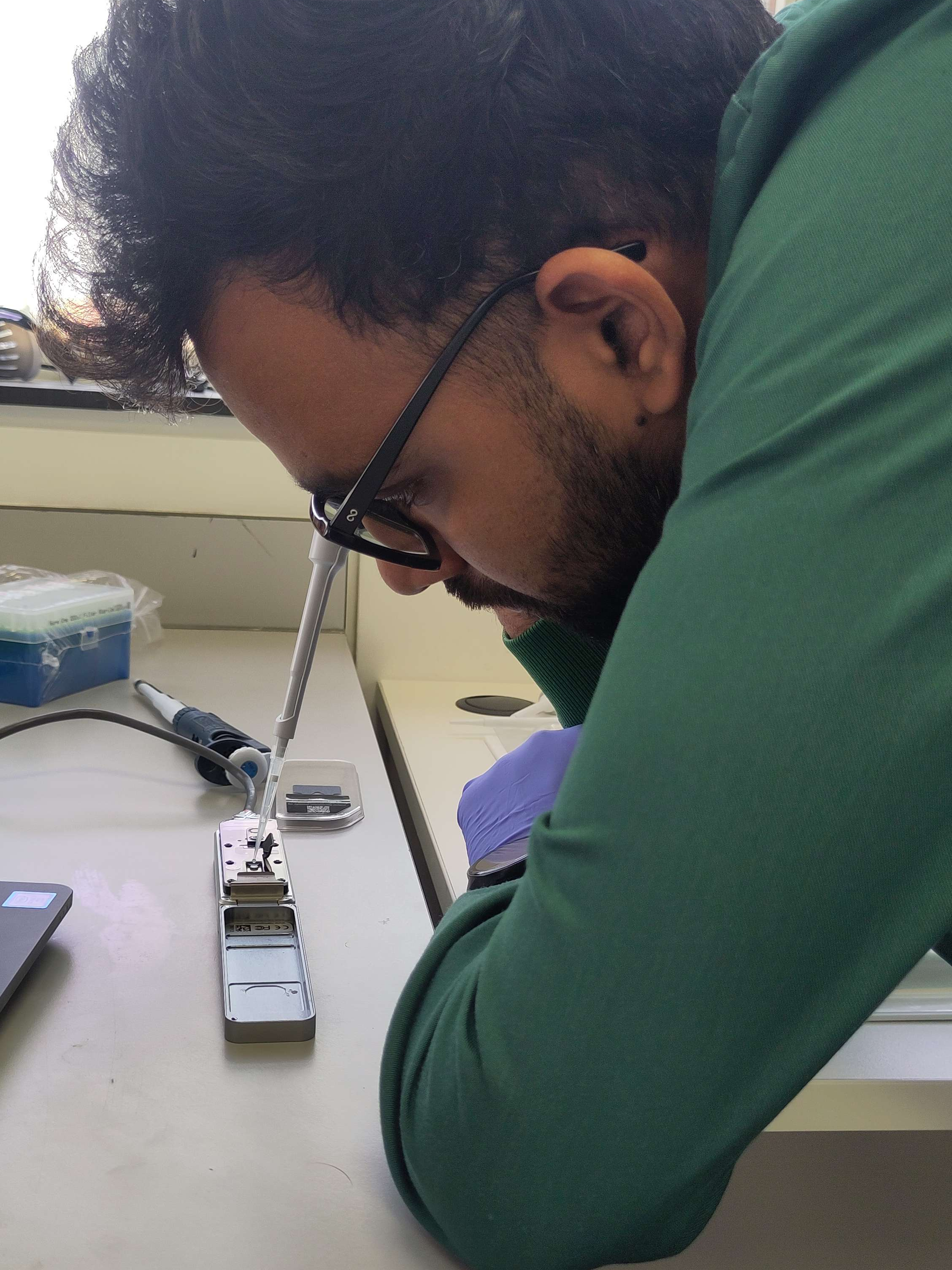
Bethan and Dheeraj, in the run-up to finishing their MRes projects, both reached an exciting milestone in any molecular project at the start of August – loading the sequencer with their precious DNA libraries! To make matters even more exciting, we received our shiny new Oxford Nanopore Technologies MinION Mk1D just ahead of time. Stay tuned for more updates on both Bethan’s and Dheeraj’s projects, which have generated some really exciting data! Now on to submitting those dissertations!

Research spotlight
This month, we want to highlight this super cool paper from Isabela Conti and the research group of FERG-friend Raul Costa Pereira:
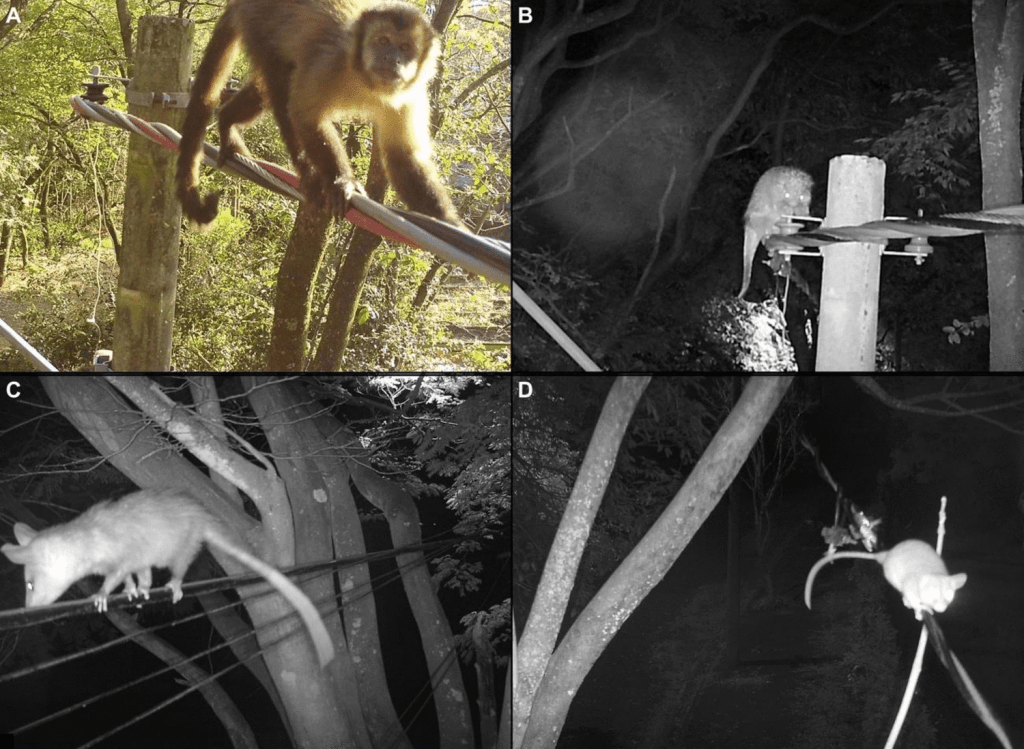
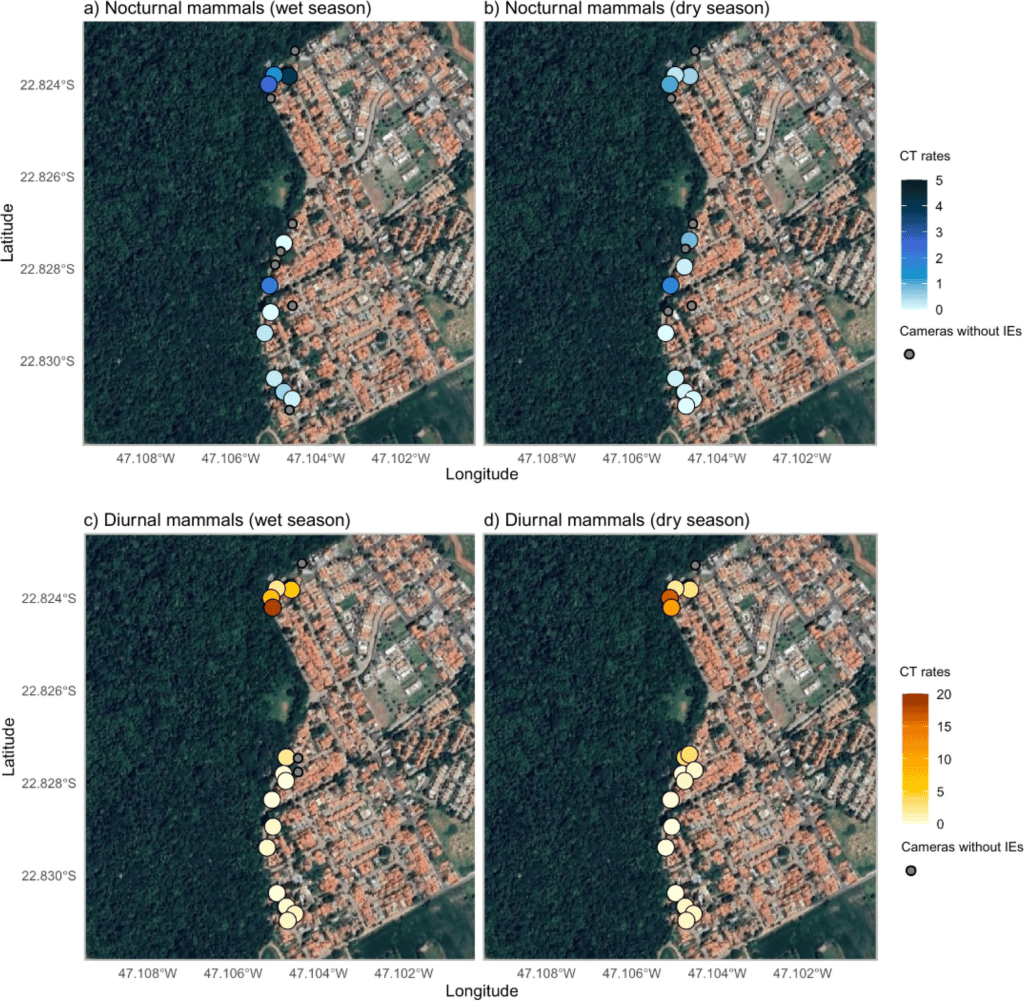
Activity patterns of arboreal mammals that move using power lines in a Neotropical urban ecosystem
Overhead powerlines can be a highway of activity for mammals in areas of discontinuous tree canopies, despite risks of electrocution! We very poorly understand the importance of powerlines for these species though. This study used arboreal camera traps to track the use of powerlines by mammals around one of the largest urban forests in Brazil. Across 9,158 records of four species (predominantly the black capuchin monkey, Sapajus nigritus), seasonally consistent species-specific activity patterns emerged which were consistent with activity in natural habitats. This is a really compelling insight into how human structures are used by nature!
Taxon of the month
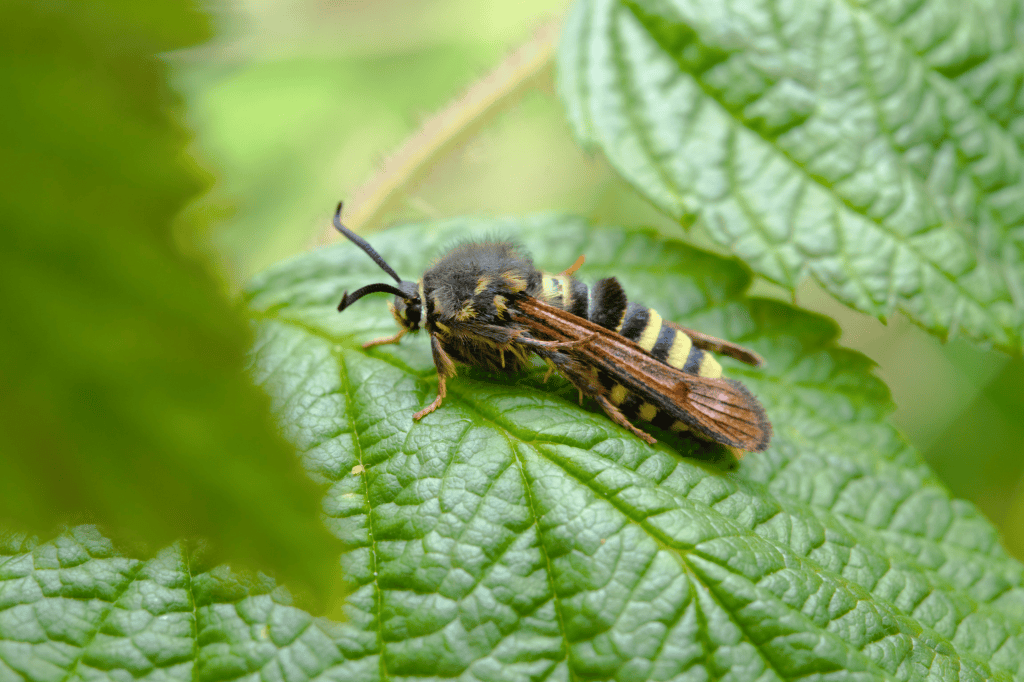
Our taxon of the month is the raspberry crown borer, Pennisetia marginata! A moth from the family Sesiidae, these insects are found across much of North America, including the southern parts of Canada (and have been introduced to Hawai’i). Excitingly, Rosy has had some close encounters with these beautiful moths during her time in Newfoundland! They get their name from their habit of feeding on the root stock and root crowns of Rubus plants (notably, raspberry) during their larval stage, with many taking up to two years to complete their life cycle. The adults are clear-winged day-flying moths with some striking mimicry of yellow jacket wasps.