
This year has been an incredible year of growth, collaboration and success for FERG, and certainly one we’ll look back on fondly! The group has grown (significantly!) just as we all have as researchers. We’re excited for another incredible year ahead! First though, we’ll recap some highlights from 2025…
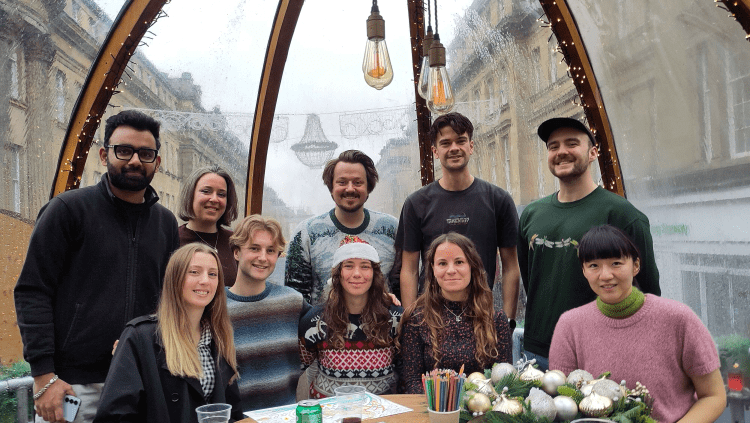
The people of FERG
The group’s grown a lot in the past year, with many new arrivals, but also Maggie’s departure after successfully finishing her PhD! The group’s more interdisciplinary then ever before, from Lucy’s pesky phytopathogens, through Jack’s submerged sea squirts all the way to Yiran’s post-human insect art! A lot of us are, as ever, focused on arthropods, trophic interactions and/or molecular analyses, but it’s the diversity of our interests and ideas that makes every meeting, outing and adventure an opportunity to learn and grow!

Outputs and outcomes
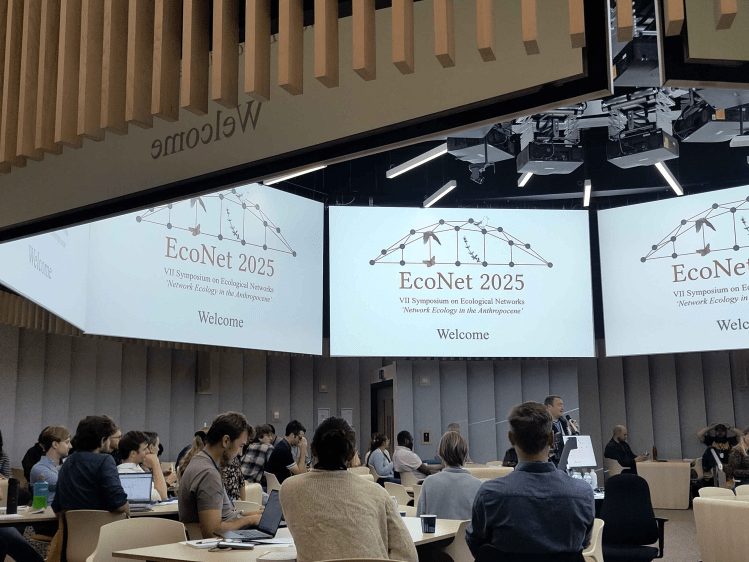
We had a really productive year with so many exciting things coming from and achieved by the group! We’ve had a few different awards come through, including Bea winning the talk prize at EcoNet 2025 and Jordan being awarded the Royal Entomological Society Wallace Award. We’ve also had some really exciting funding successes, including the NERC-FAPESP-funded Global Partnership project with Raul Costa Pereira’s group in Unicamp which will pick up pace in 2026.
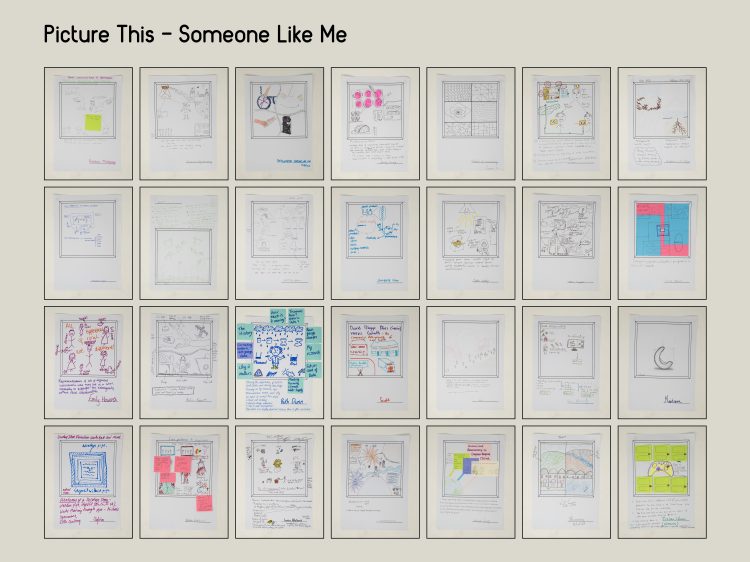
Several of us have led other successful grant applications, from Rosy’s Genetics Society funding to sample the Canadian population of the candy-striped spider, through Ben’s Royal Entomological Society EDI project funding, to Ainsley’s British Ecological Society and other various funding successes for his and Phoebe Lewis’s growing Picture This project, alongside other training and travel grants across the group!

It’s been a great year for papers across the group, with a number of papers that will guide our future research coming to fruition in 2025! The Agricultural and Forest Entomology special issue on advances in insect biomonitoring for agriculture and forestry which Jordan edited and which included a review on the integration of DNA metabarcoding with traditional insect monitoring led by Ben, alongside an article and editorial led by Jordan.
Shannon, Will, Basem, Ainsley and Jack all published exceptional research on everything from invasive bumblebees in the Faroe Islands to the thermal ecology of insects! We published some exciting new papers with both existing and new international collaborators, too, including a dive into the interface between predator gut physiology, foraging and nutrition, and nutritional inequities exacerbated by ecological invasions!


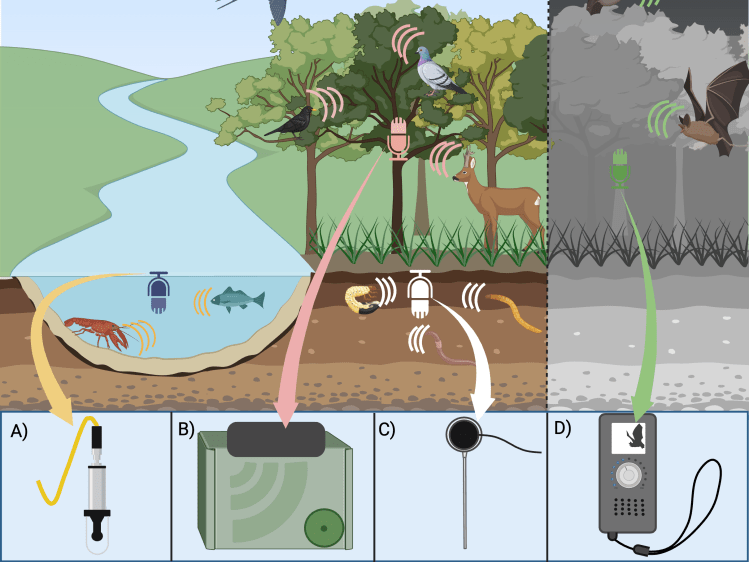
As strong advocates for open research, we have also shared our research in the forms of preprints, protocols and open datasets throughout the year! This provides a taste of some upcoming papers and research from across the group, including Will’s review of ecoacoustics for detecting and inferring predator-prey interactions, through an opinion piece on the potential for RNA dietary analysis, to Rosy and Rebecca’s work on how crop sowing time impacts arthropod predator nutrition. We have some really exciting open protocols coming together quickly that we’re excited to share!

With even more things submitted or rapidly coming together, 2026 is set to be an even bigger year for outputs! Keep an eye out for some really exciting research in journals and preprint repositories in the coming months!
Impact and outreach
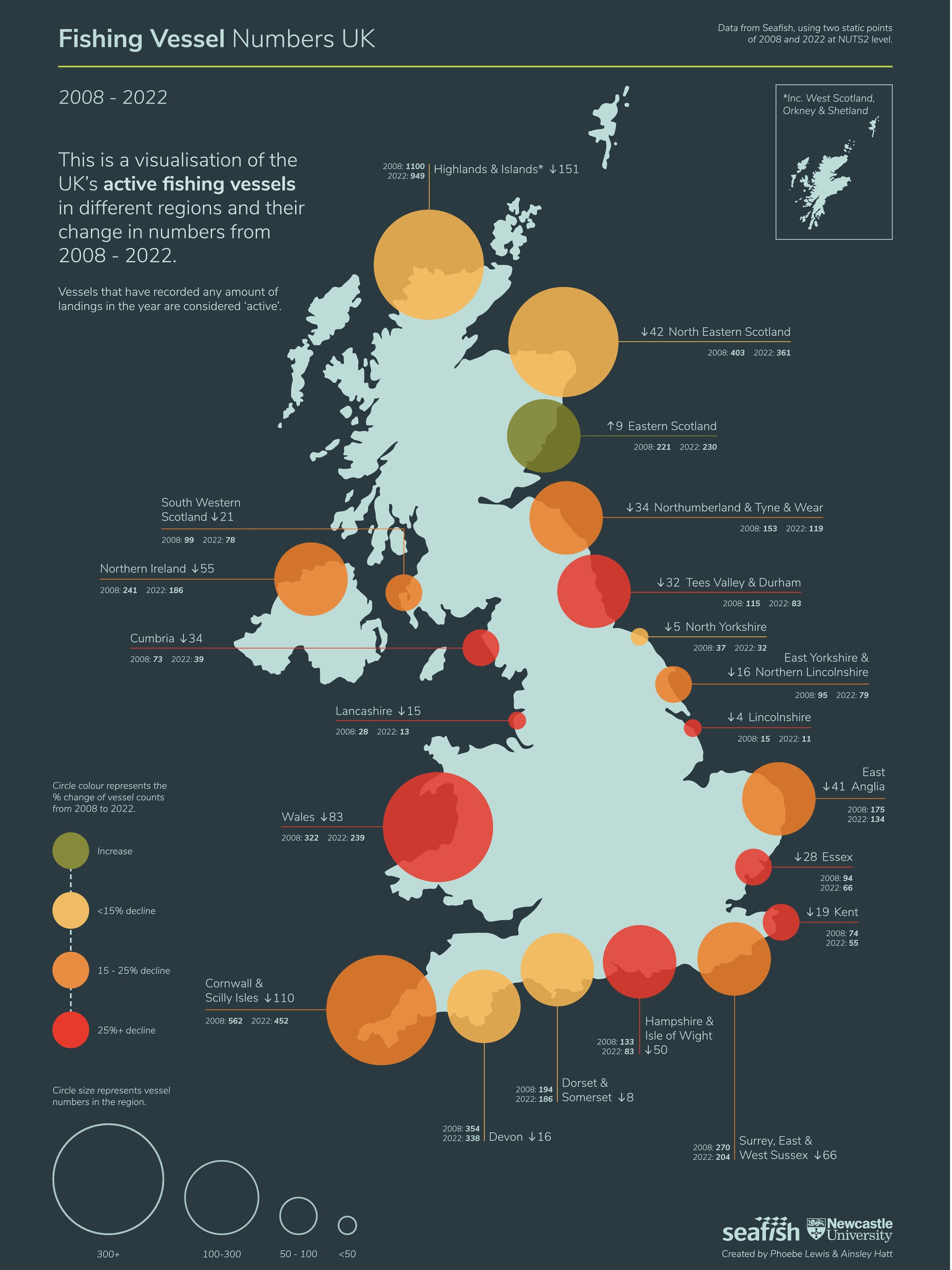
We’ve been appearing in various society newsletters, magazines and other places, from Antenna and the British Arachnological Society Newsletter, to Fishing News and The Conversation, sharing our ongoing work and other snippets related to our research! Ainsley and Jack’s paper on the decline of UK fisheries also made headlines a few times across the year!
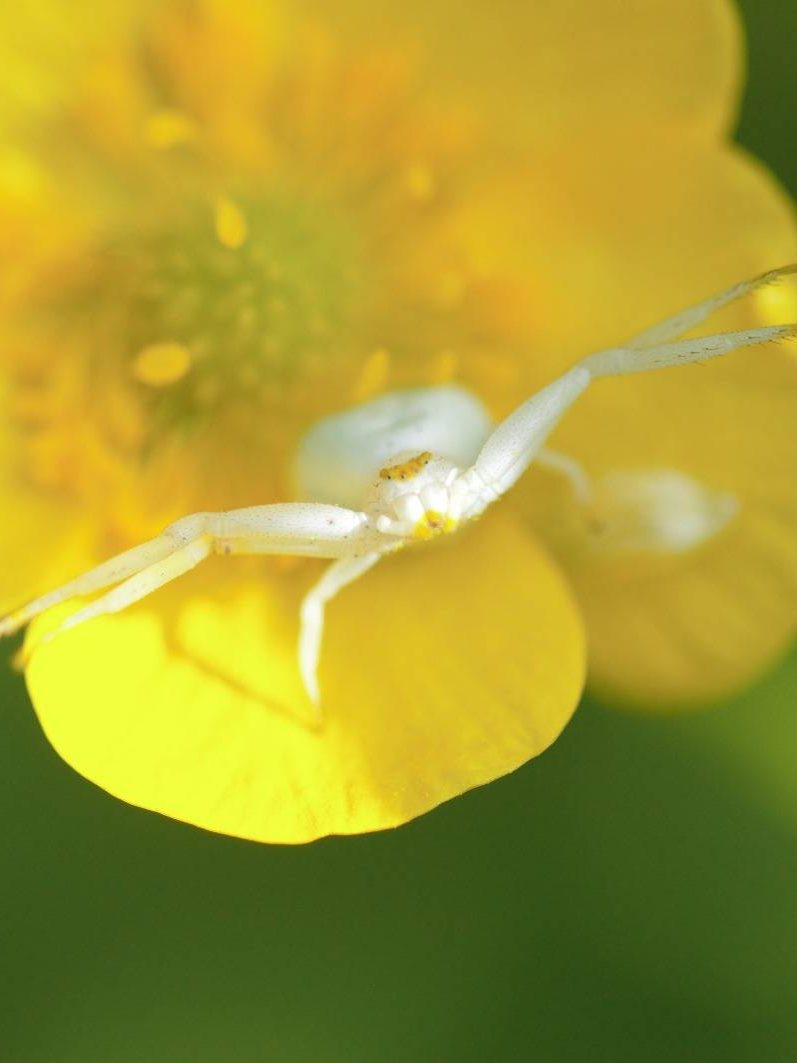
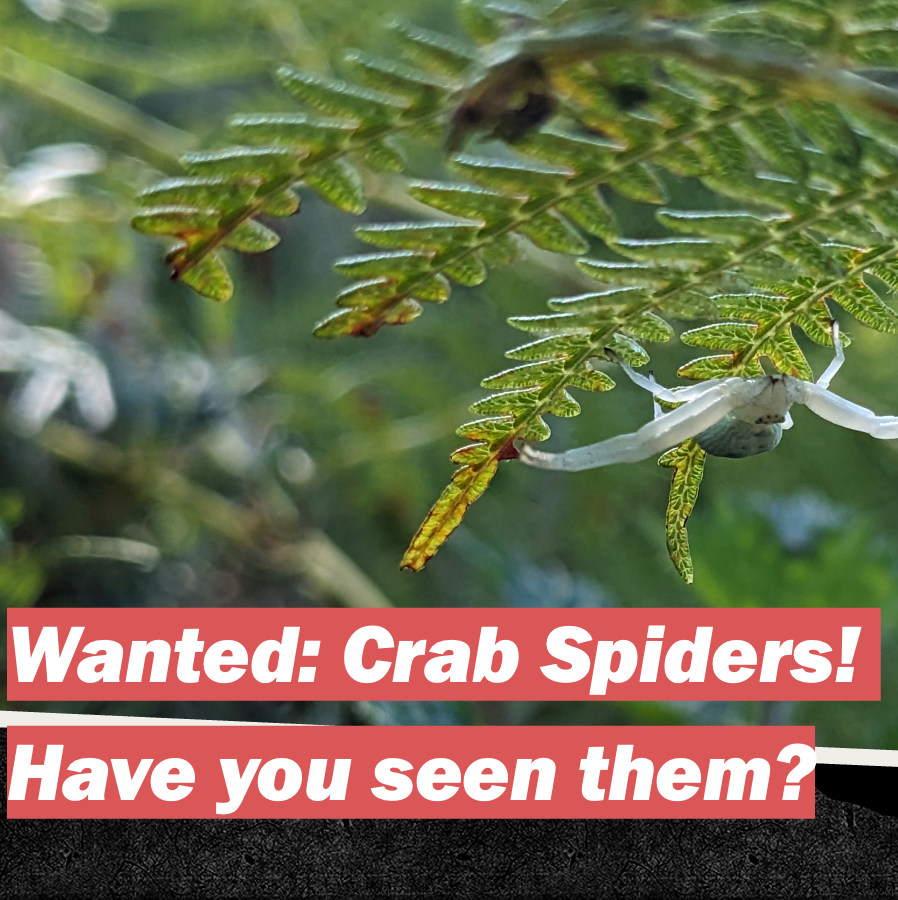
This year also saw the launch of Rosy’s community science scheme, ‘Spider Spies‘, which has been an excellent source of crab spider data this year! It will be running again next year, so keep your eyes peeled for crab spiders in the spring! On the topic of engagement, in March, Yiran delivered an experimental performance exploring the fluid boundaries between human and insect life forms through stories centred on interspecies relationships and sympoiesis.

Alongside our favourite magazines, newsletters and even some tabloid press, we managed to wax lyrical about our research in the epicentre of UK policy – the Houses of Parliament! Ainsley attended the All-Party Parliamentary Group event “Future UK Fisheries”, and Jordan separately went along to a meeting of the Bees, Pollinators and Invertebrates All-Party Parliamentary Group!


Adventures and outings
From Hawaii, Norway and Canada, to Exeter, Oxford and Edinburgh, we’ve been sharing our research far and wide at conferences and events this year through talks and posters! We’ve been to society conferences, international symposia and local workshops, all of which have enthused us, connected us with other researchers and inspired us to do what we do.
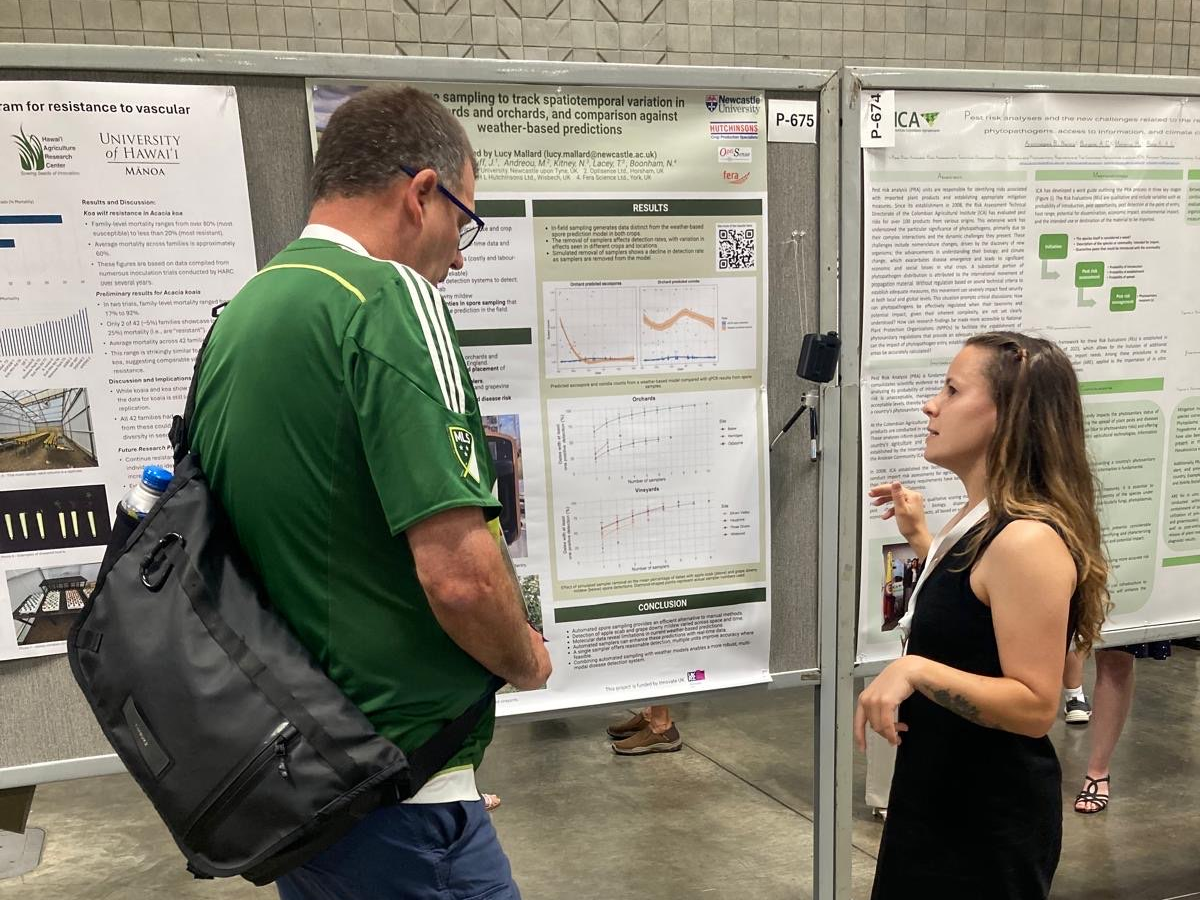
We also co-hosted a conference up here in Newcastle: EcoNet 2025! Network ecologists from far and wide gathered in Newcastle to exchange ideas, discuss their research and, for a small subset, attend a workshop focused on the molecular analysis of trophic interactions! Jordan, Ben, Rosy and Max Tercel ran a two-day whistle-stop tour of dietary metabarcoding, from sample to sequencer! Stay tuned for an imminent announcement about another similar event nearby…

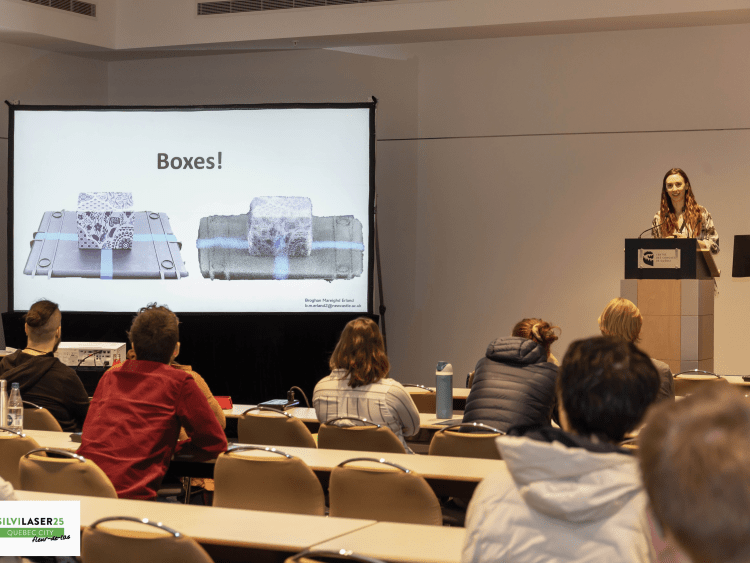
We’ve also been busy in the field this year, with some projects just starting up, like Mia’s, for which she built and deployed custom artificial lighting rigs for her work on artificial light and optimal foraging, whereas other projects have been finishing up, like Broghan’s, which had her scanning vegetation with drones and phones to determine how vegetation structure influences arthropod foraging. From Rosy’s field site down in Cornwall, to Jack’s up and off the coast of the Isle of Cumbrae, we’ve been sampling the whole of the UK, and with Eva collecting in Taiwan and Bethan working on sub-Antarctic fish, we’re studying cool critters from across the globe!


Fun activities
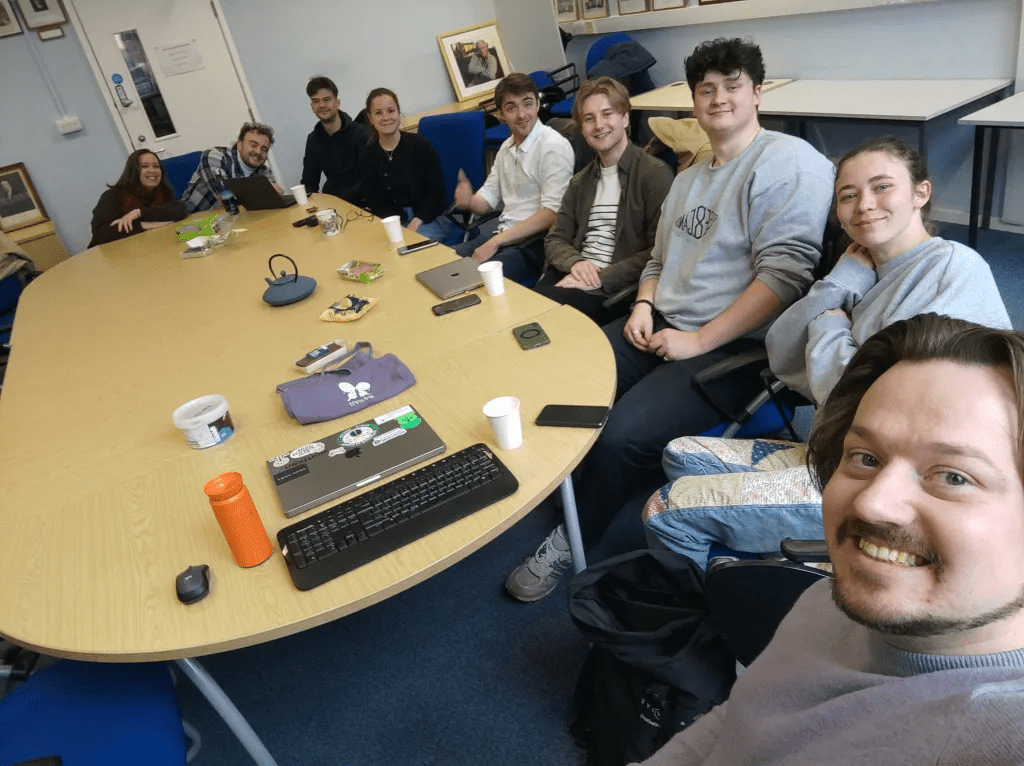
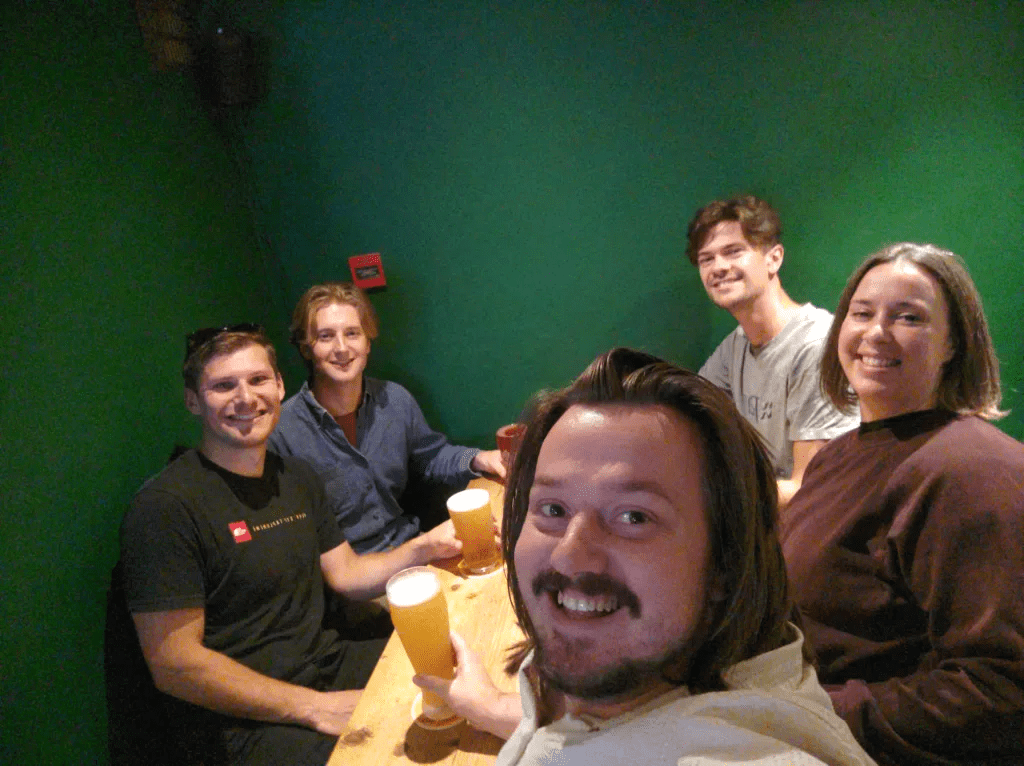
We’ve had a lot of fun as a group this year, from writing retreats and away days, to preprint pizza and publiCAKEtion. You’ve read a lot to get this far, so we’ll show rather than tell this time, but see our ‘group activities‘ page for more of the details!




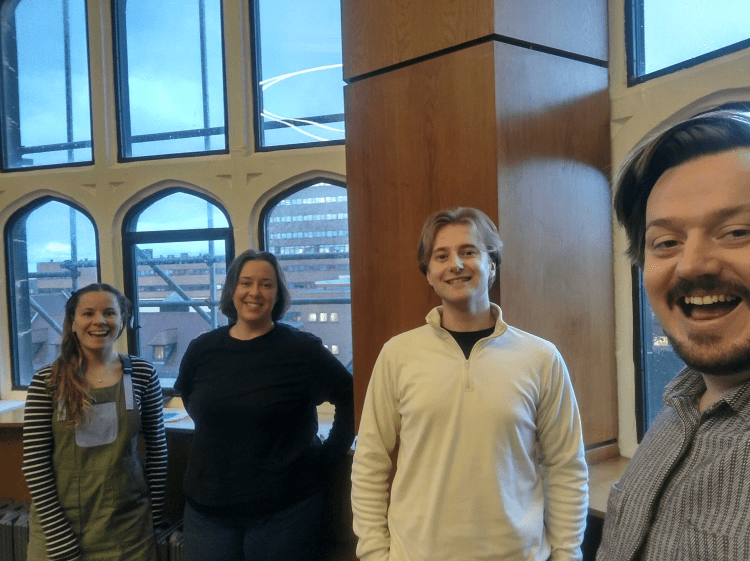


Things that inspired us this year
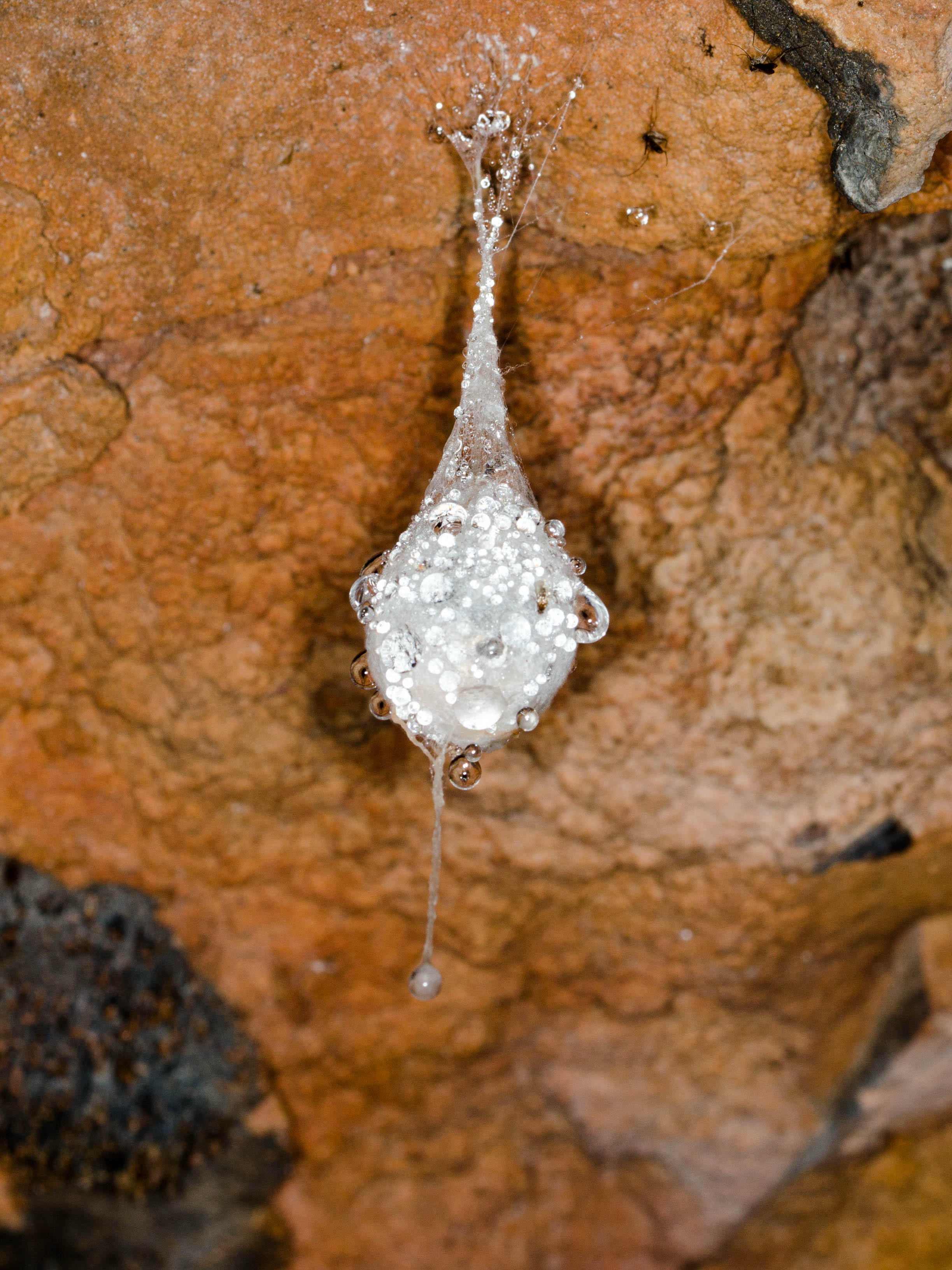
Every month in FERG News we try to highlight a paper that inspires us or makes us think about our work a little deeper. We thought this might be a nice opportunity to reflect on the things that have inspired us throughout 2025. Given that many of us work with, or are otherwise enamoured with, spiders, there have been some great spider papers and news stories that have wowed us this year. From advances in spiderweb (or not!) eDNA, through the largest web recorded, to an awe-inspiring (and award-winning) image of a web, spiders and their own silken artwork provide boundless inspiration.

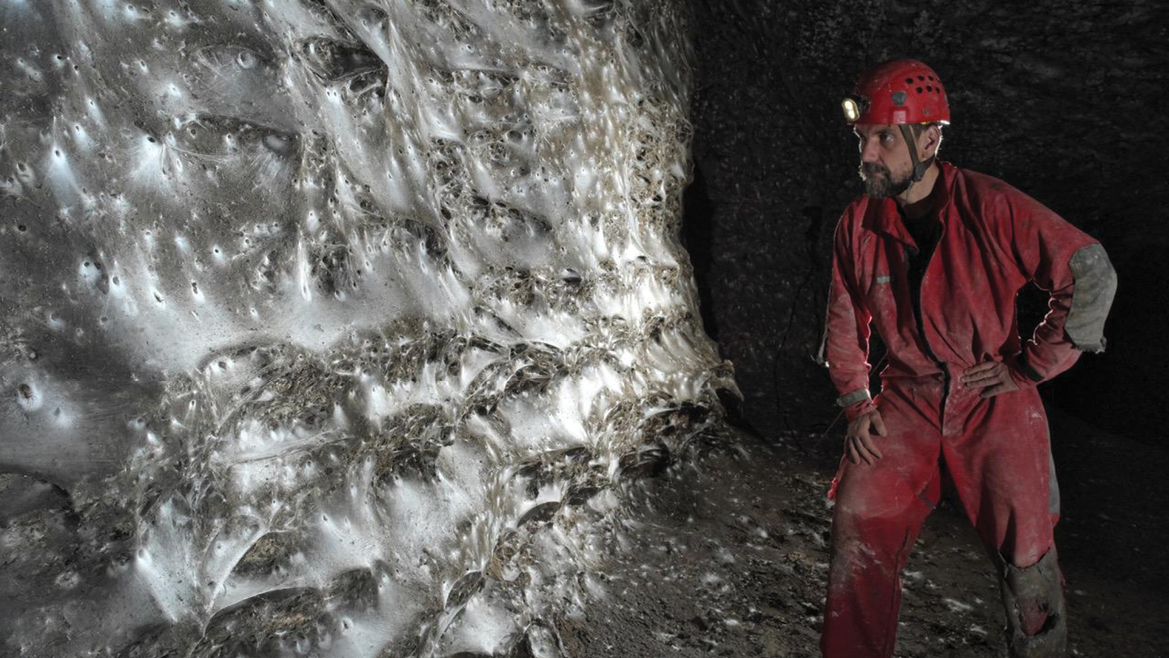

It’s not just research, spiders and science that inspire us, though! We often share fun artistic creations that make us stop and think. A great example of the fun things some of us encounter on social media can be found in the insects that Mato Handmade makes from old coffee pods – what a great way of recycling! Betsy Duckworth’s “Insects From Nature: The Art of Found Objects” also similarly offers a nice take on the value and utility of everyday things all around us. Jordan has taken inspiration from the poem ‘The Cave’ by Paul Tran over the last year (and most recent years).
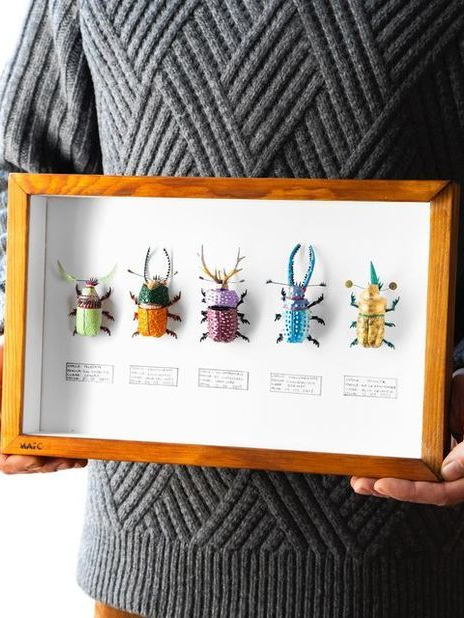
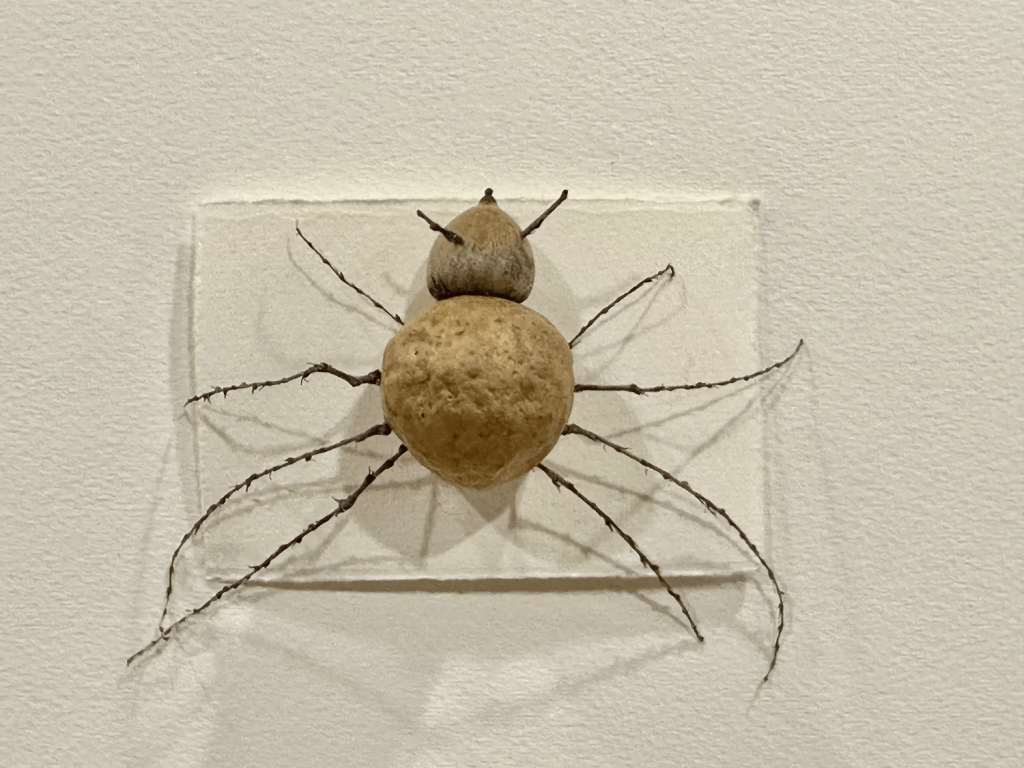
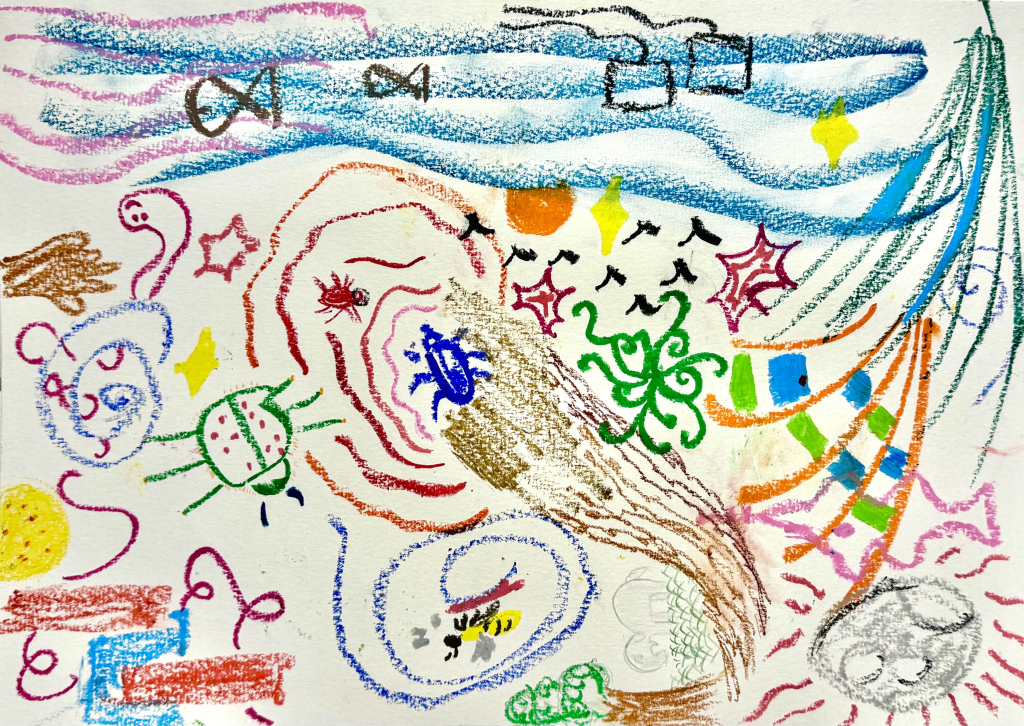
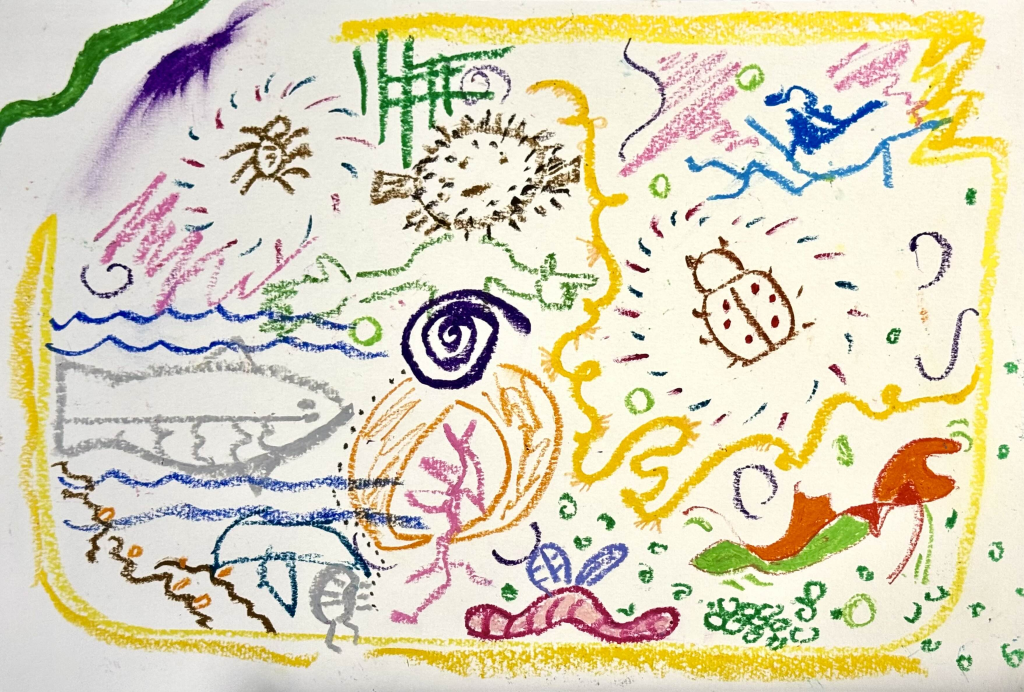
And, on art, below are some pieces we collaboratively and iteratively created as a research group (guided by Yiran) on the theme ‘Nature and Us’.
Looking ahead to 2026
After an incredible year behind, we’re even more excited for the year ahead! All of the exciting things about will be continuing (and some concluding) over the next year, alongside some new things starting up! We’re hoping Eva will be able to join us later in the year to do some molecular analysis of her leaf litter arthropod samples, and Dheeraj, Bethan and Fin will all be getting stuck into their research in 2026. We have some exciting announcements to come very soon, and we’re sure that 2026 will be an incredible journey!
If you want to keep up with our updates next year and beyond, you can sign up to email alerts on our home page or below!
Fun with FERG
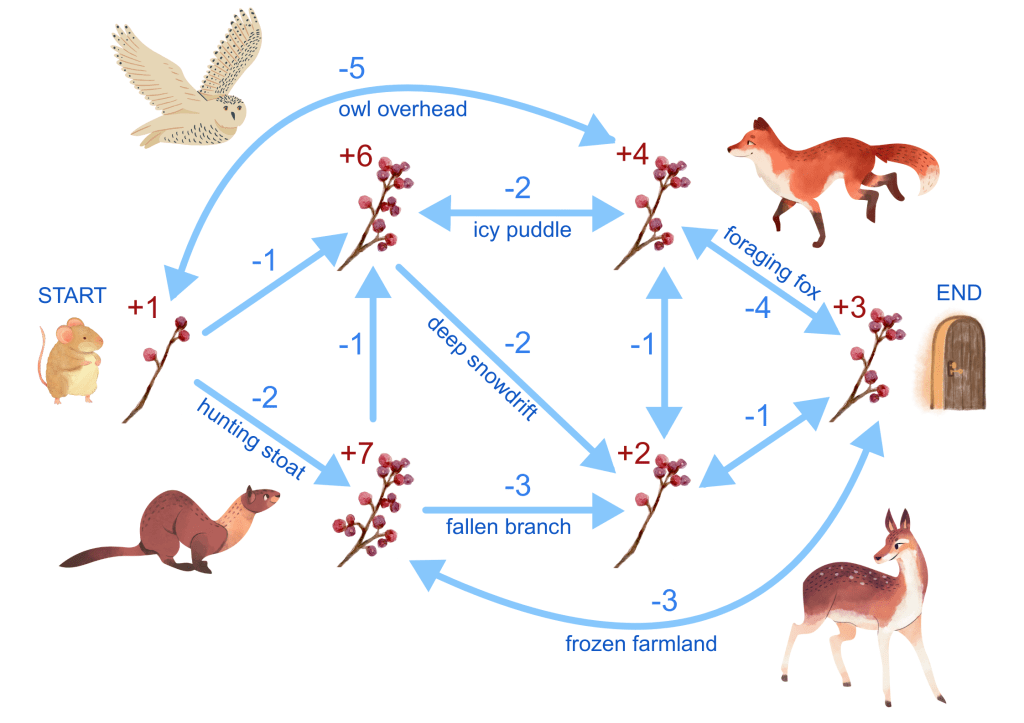
As with most of our FERG News posts, we have a fun activity for you to do too! Mia designed a festive foraging puzzle to try out!
The mouse is moving through a winter landscape, trying to eat enough berries to meet her energetic demands. She can gain energy from berry patches (positive numbers); however, each path she takes has energetic costs (negative numbers). She can take paths as many times as she likes on her route from the start to the end, always paying the energetic costs, but she can only collect berries (gain energy) from each patch once. Some routes are unidirectional and some are multidirectional, denoted by arrows. She must not go into negative energy or she will starve. The mouse needs to finish with a balance of +12 energy at her door to survive the day.
The solution is at the bottom of the page!
Fun with FERG: solution!

 Foraging Ecology Research Group
Well this is an unbelievably inspiring read! Well done to the whole team, I am definitely stealing preprint pizza and publiCAKEtion 🙂
LikeLiked by 1 person
Thanks, Nicola! You’ll have to join us for the next one! 😀
LikeLike