Spring has now truly sprung, just as many of us have swung into action for this year’s field experiments! We’ve had a few other year-round or winter-based field experiments wrapping up too, and it’s been a busy month for papers, preprint and protocols!
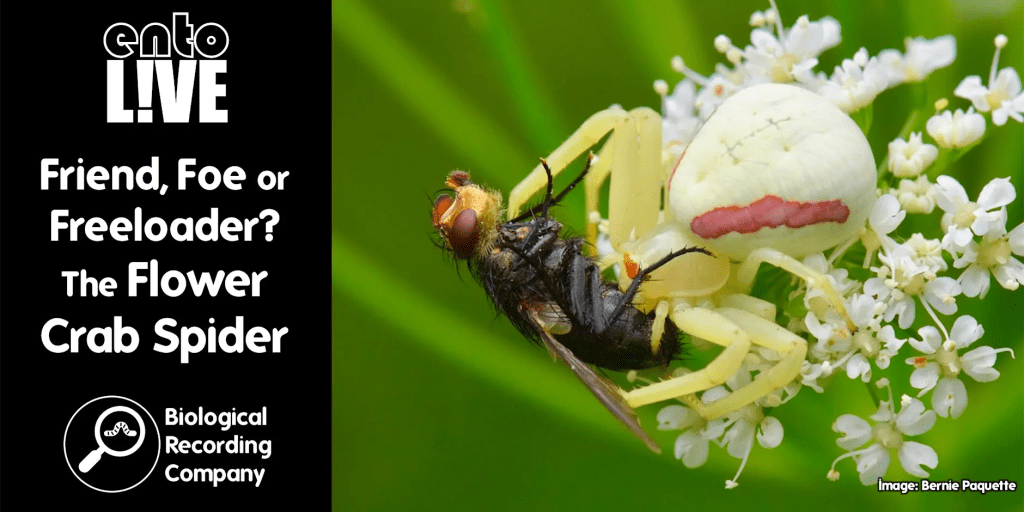
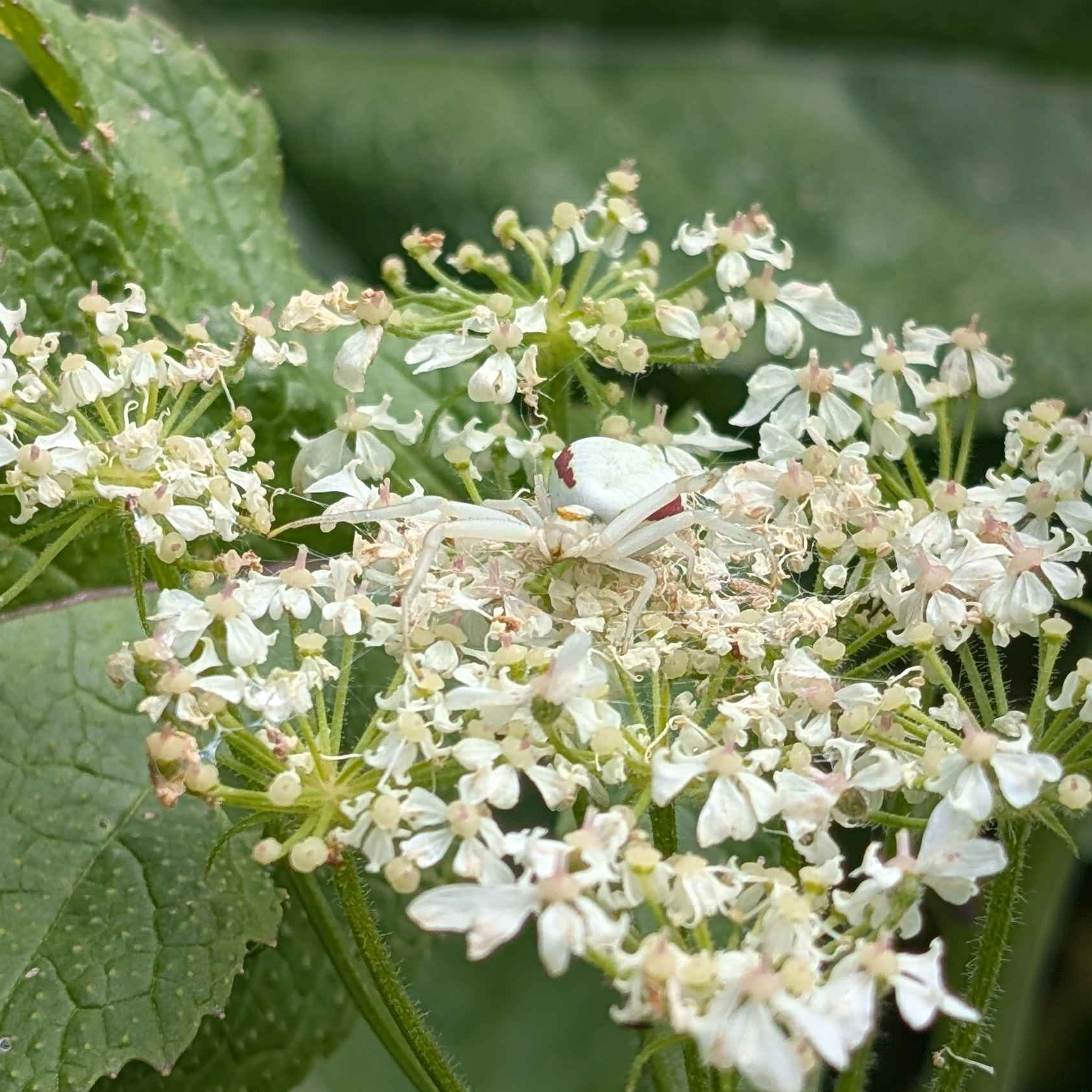
There’s still time to register for Rosy’s online talk about her PhD for EntoLIVE tomorrow (2nd June), so make sure you register to attend/get the link afterwards! It’s also not too late to contribute records to Rosy’s Spider Spies project! Keep your eyes peeled for flower crab spiders while you’re out and about – any pictures (and, if possible, the spiders themselves) will be greatly appreciated!
If you want to keep up with our updates every month (and occasional updates in between), you can sign up to email alerts below!
Outputs and outcomes
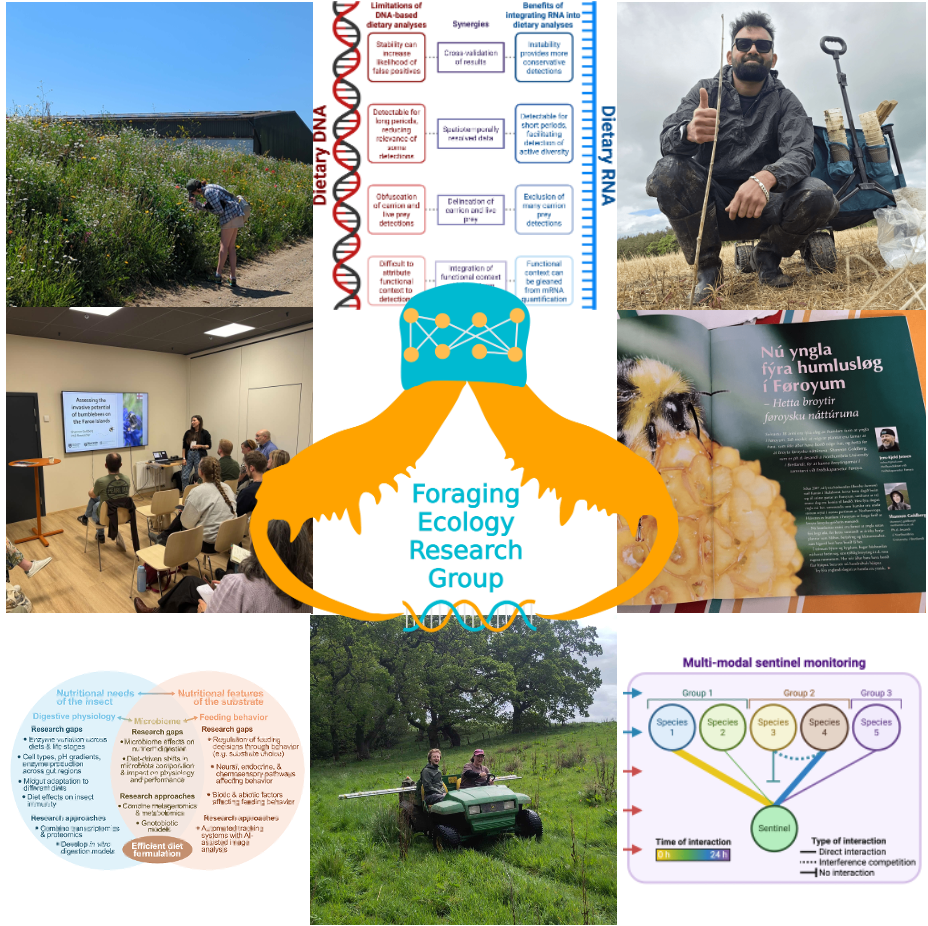
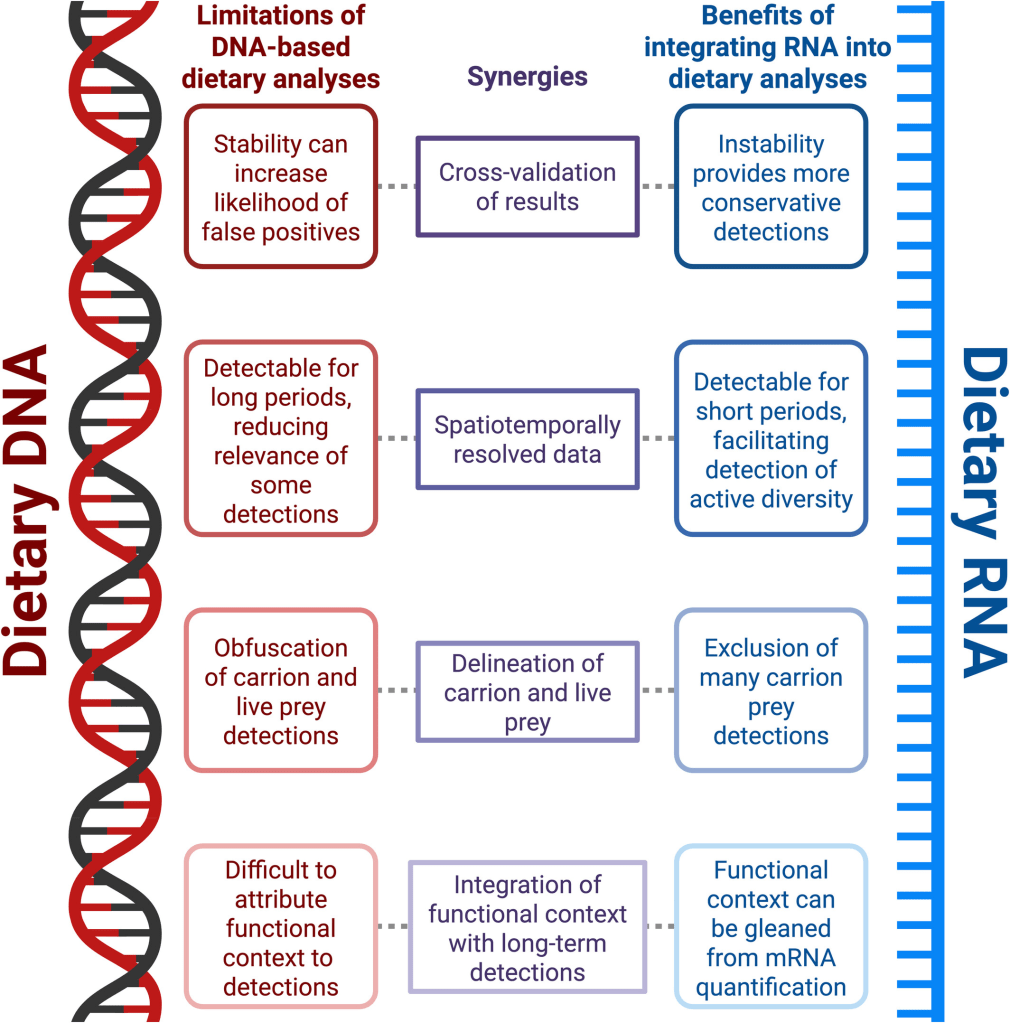
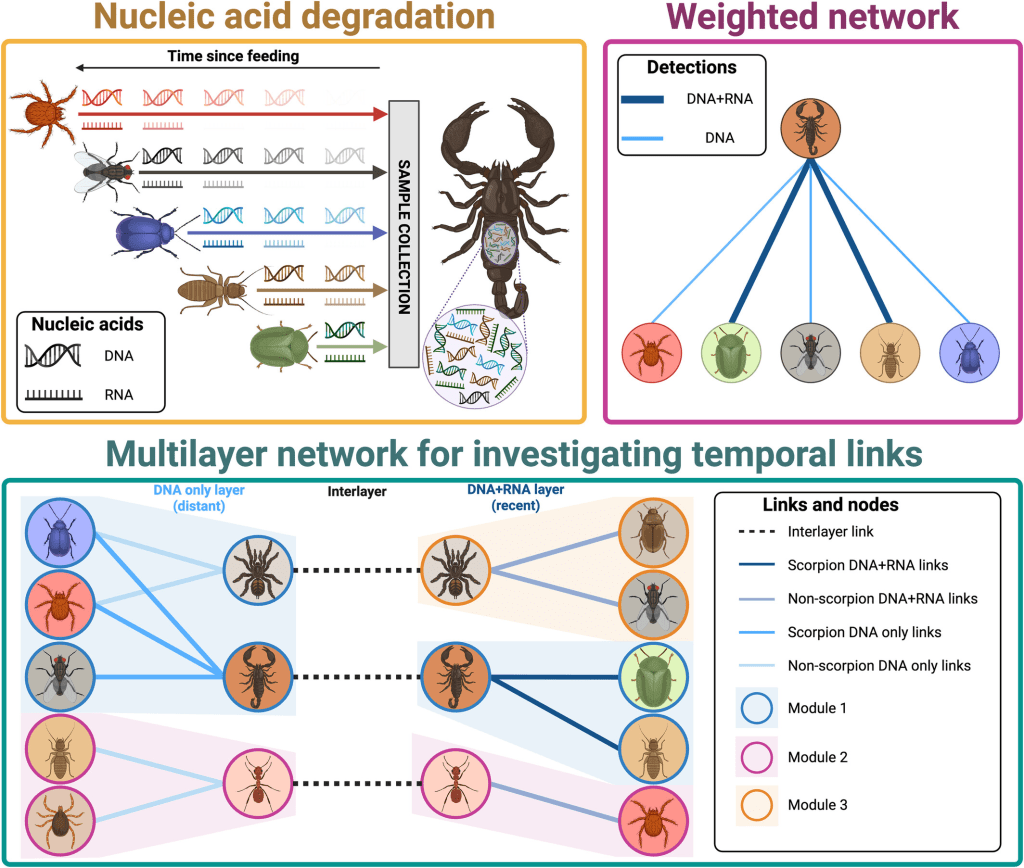
Check out the latest paper that Jordan led alongside an incredible team of researchers across Newcastle University (including our very own Ben Hawthorne) and the University of Innsbruck, now published in Molecular Ecology Resources: Dietary RNA: integration of RNA data offers a potential paradigm shift for molecular dietary analyses. This was a great collaborative endeavour that started with some workshops run as part of a NERC Discipline Hopping Award, but was extended through wider collaboration and discussion with a brilliant team of researchers!
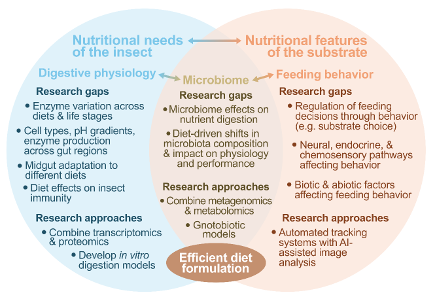
Check out the latest paper published by the Group on Insect Nutrition To Open Nutritional Innovative Challenges (GIN-TONIC) Cost Action! Jordan contributed to this alongside an incredible team of researchers spanning 15 institutions and 12 countries, and it’s now published in Journal of Insects as Food and Feed: Knowledge gaps in feeding physiology, microbiome and behaviour of insects for food and feed: overcoming barriers to advancing insect-rearing through interdisciplinarity, standardisation, and emerging technologies. This was a great collaborative experience with a brilliant team of researchers across the GIN-TONIC consortium, and hopefully the start of many more to come!
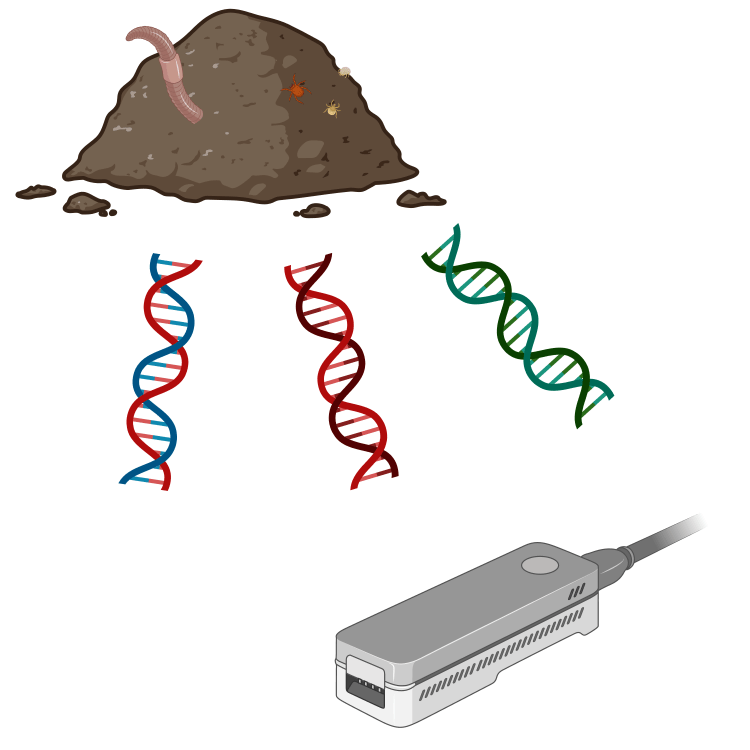
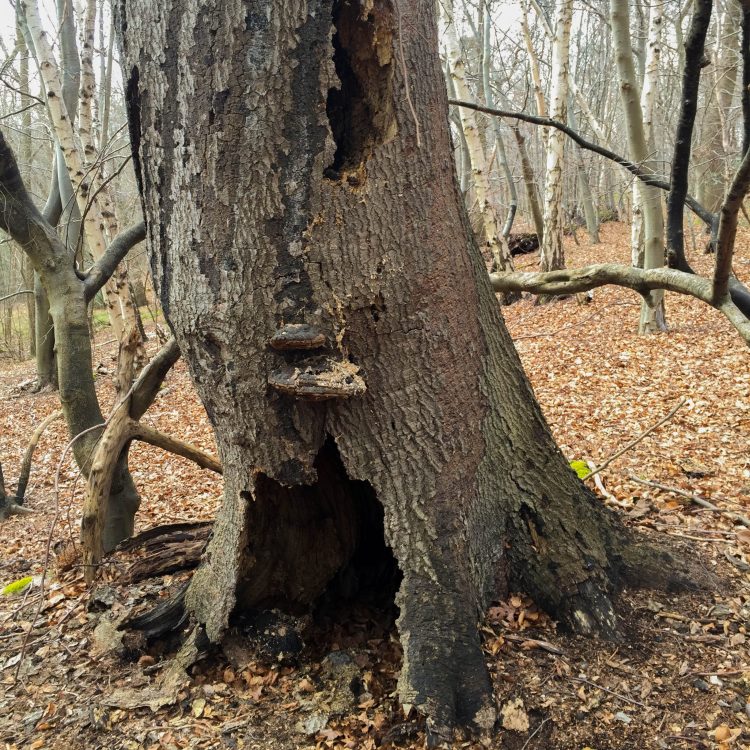
Will led the publication of a new tried-and-test protocol for the extraction of DNA from soil and similar substrates! This was developed for Will’s PhD work, but also applied to samples collected for Thomas’ dissertation research, including soil and wood mould from tree hollows. We’ve seen some nice results coming through already (hopefully more to come on that in the near future)!
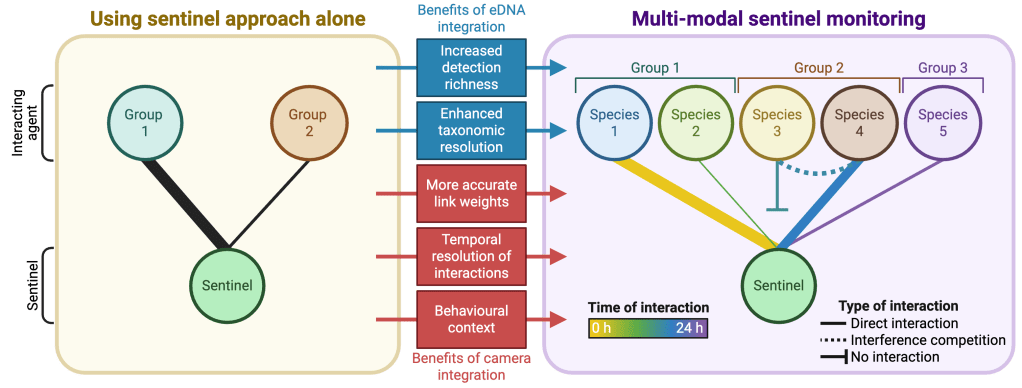
Check out our latest preprint, now live on EcoEvoRxiv, from a collaboration co-led by Jordan and Yuval Cohen: Expanding the sentinel approach through multimodal integration: resolving underlying ecological processes with eDNA and computer vision. This preprint discusses the strong potential for integrating DNA analysis and computer vision into sentinel approaches for assessing ecological interactions and processes. Keep an eye out for the paper appearing in a peer reviewed journal soon!
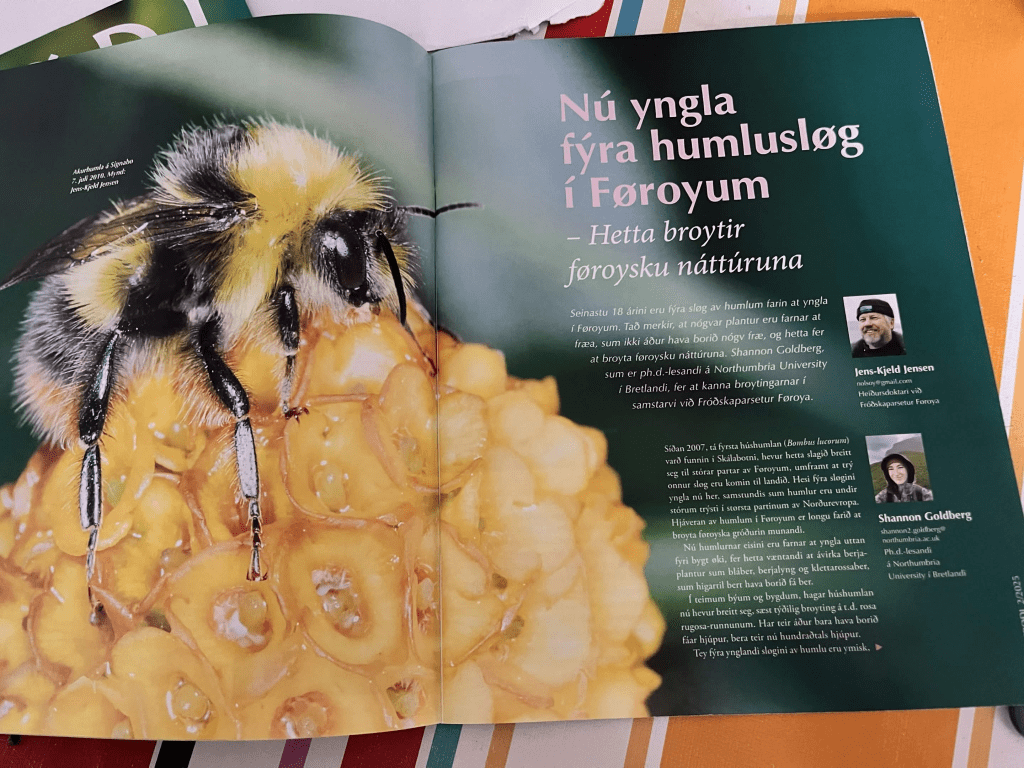
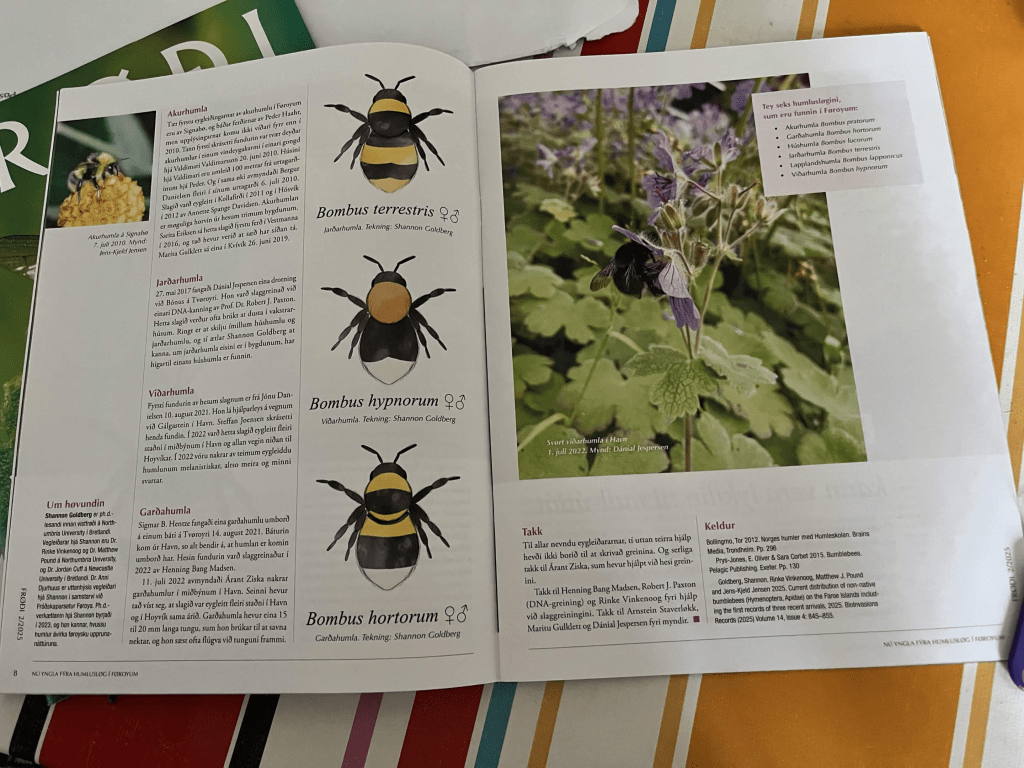
For the Faroese speakers among our readers, you may know already that Shannon was featured in Frøði, the popular science journal of the Faroese Academy of Sciences! Shannon’s collaborator, Jens-Kjeld Jensen, wrote a Faroese summary of her recent work on the distributions of non-native bumblebees on the Faroe Islands, published in BioInvasions Records. The article features several of Shannon’s excellent illustrations!
Bethan managed to secure more funding to support her MRes research on the diet of the sub-Antarctic fish, Gobinotothen gibberifrons! This funding will expand the amount of stable isotope analysis that Bethan had planned to do, which should generate some really nice additional data to extend the scope of the project. Exciting times ahead, especially as Bethan is now getting started on her dietary metabarcoding!
FERG in the wild
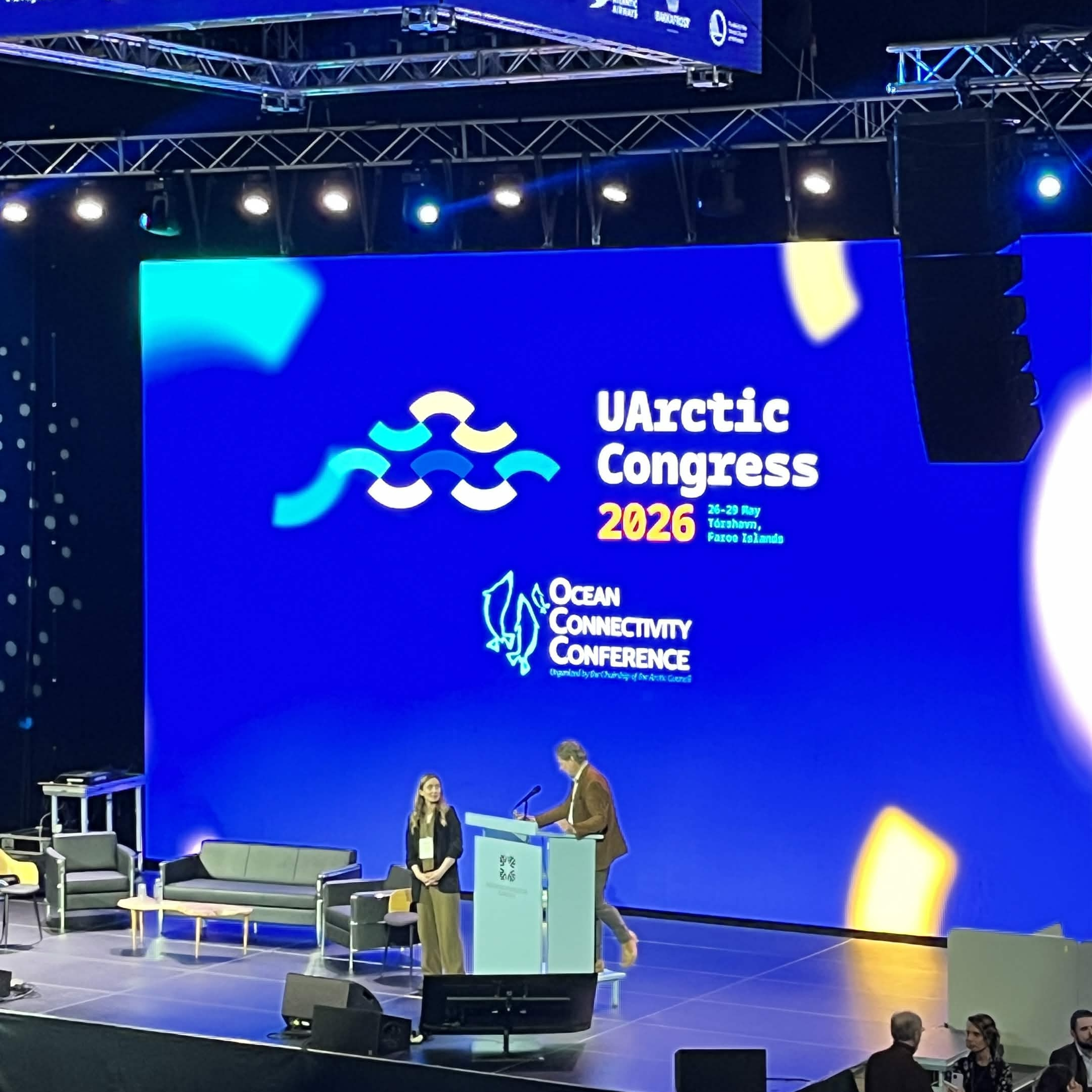
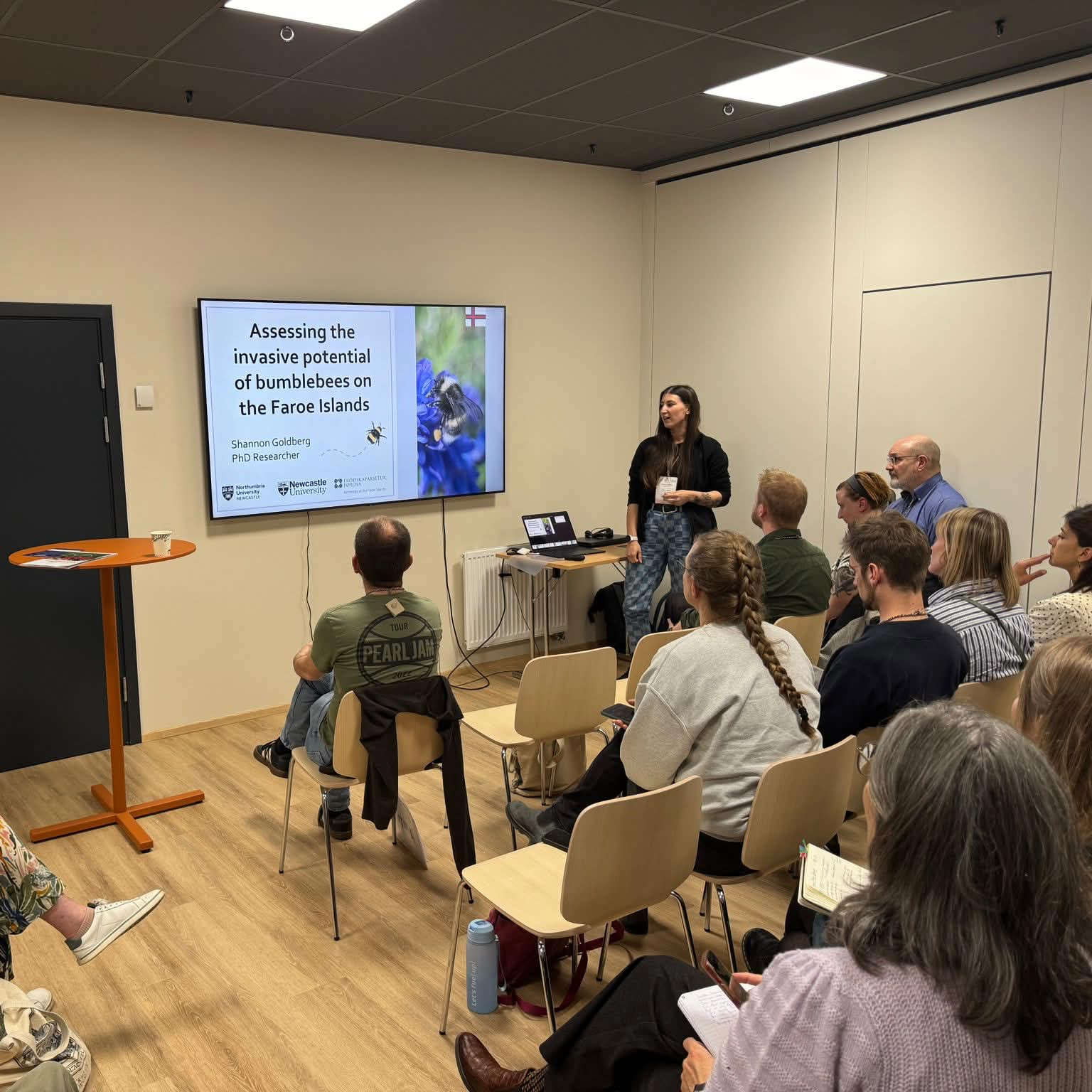
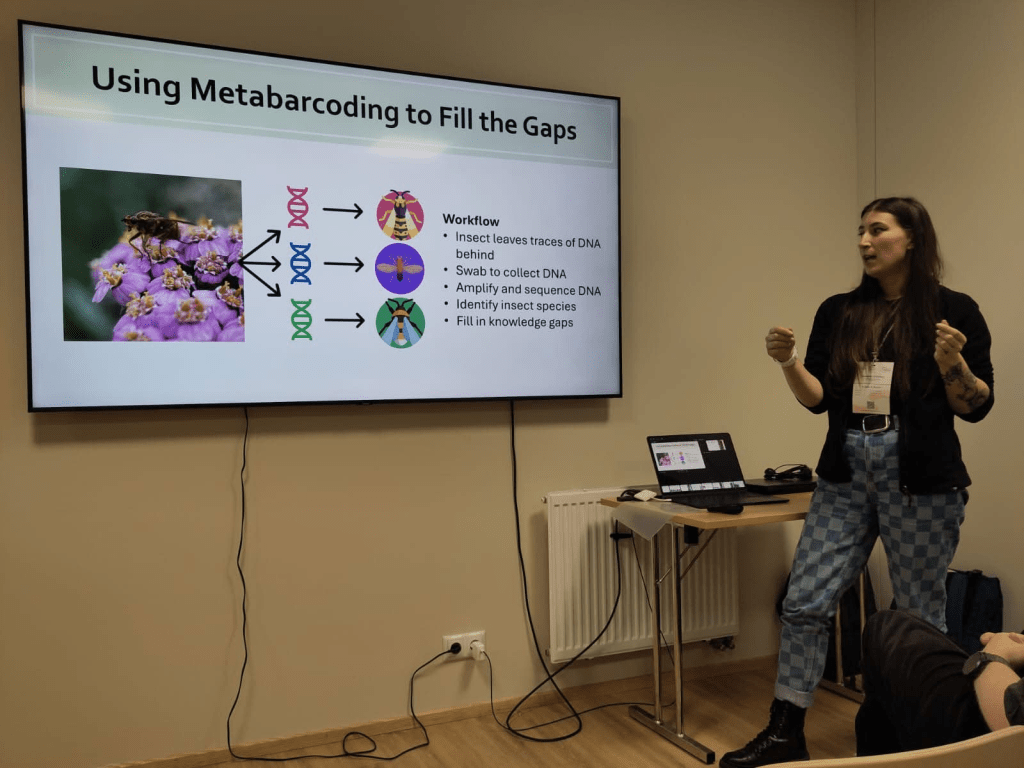
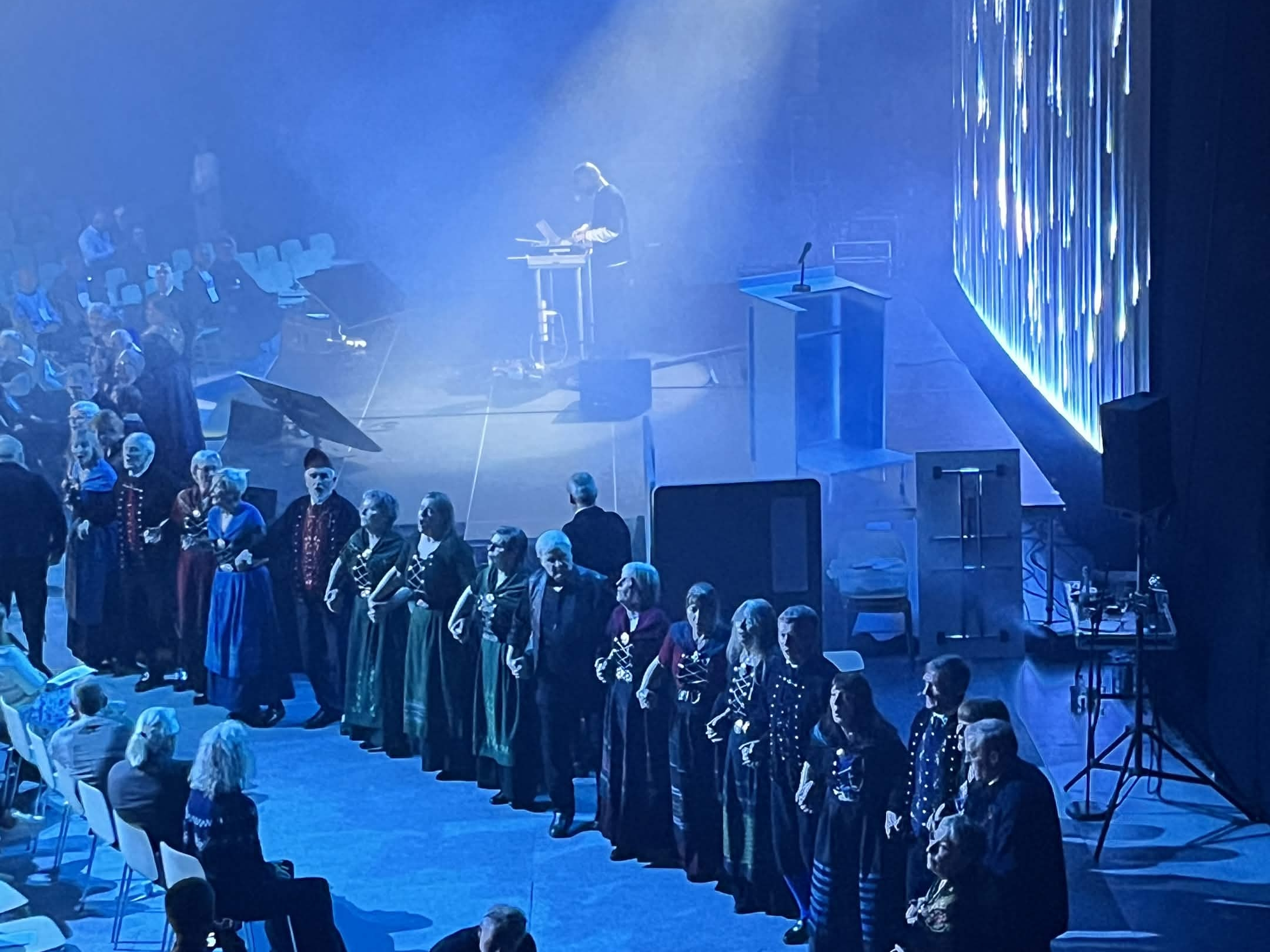
Shannon’s been at the UArctic Congress in Tórshavn, Faroe Islands this last month, which conveniently aligned with her final round of fieldwork out there! The conference kicked off with a concert from Faroese singer Eivor and finished with a Faroese chain dance around the venue! Between those events, Shannon gave a stellar talk about her work on invasive bumblebees on the Faroe Islands! The conference attracted 1500 participants and included 1000 presentations from all over the Arctic. An incredible time was had by all!
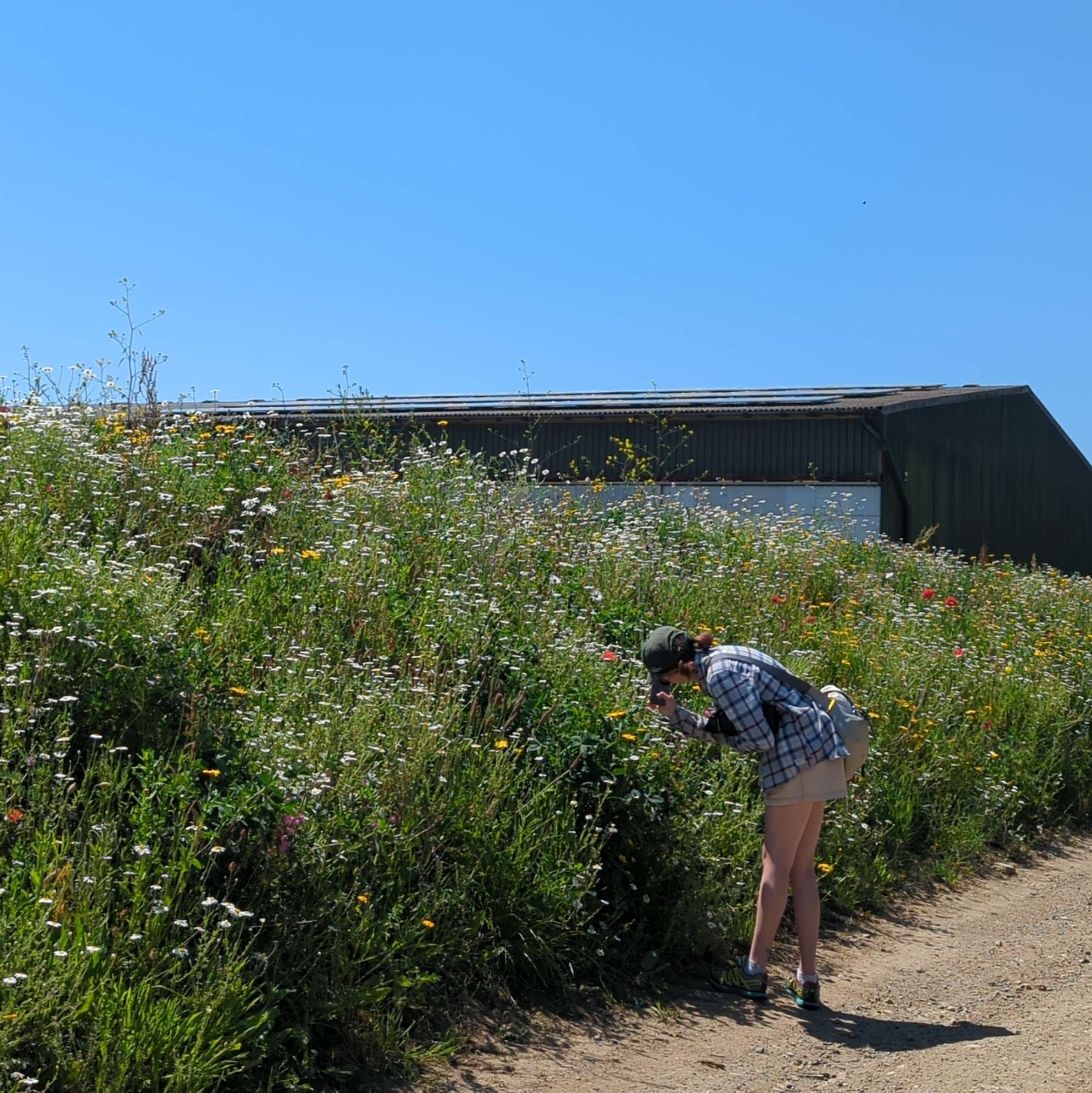
Slightly closer to home (although it’s a closer call than you might think) Rosy’s back in the field in Cornwall, collecting crab spiders for her PhD research! Alongside collecting spiders under heat wave conditions, Rosy’s also been in a local school talking about her research and the wily career paths through science. If crab spiders can’t inspire the next generation, what can?!
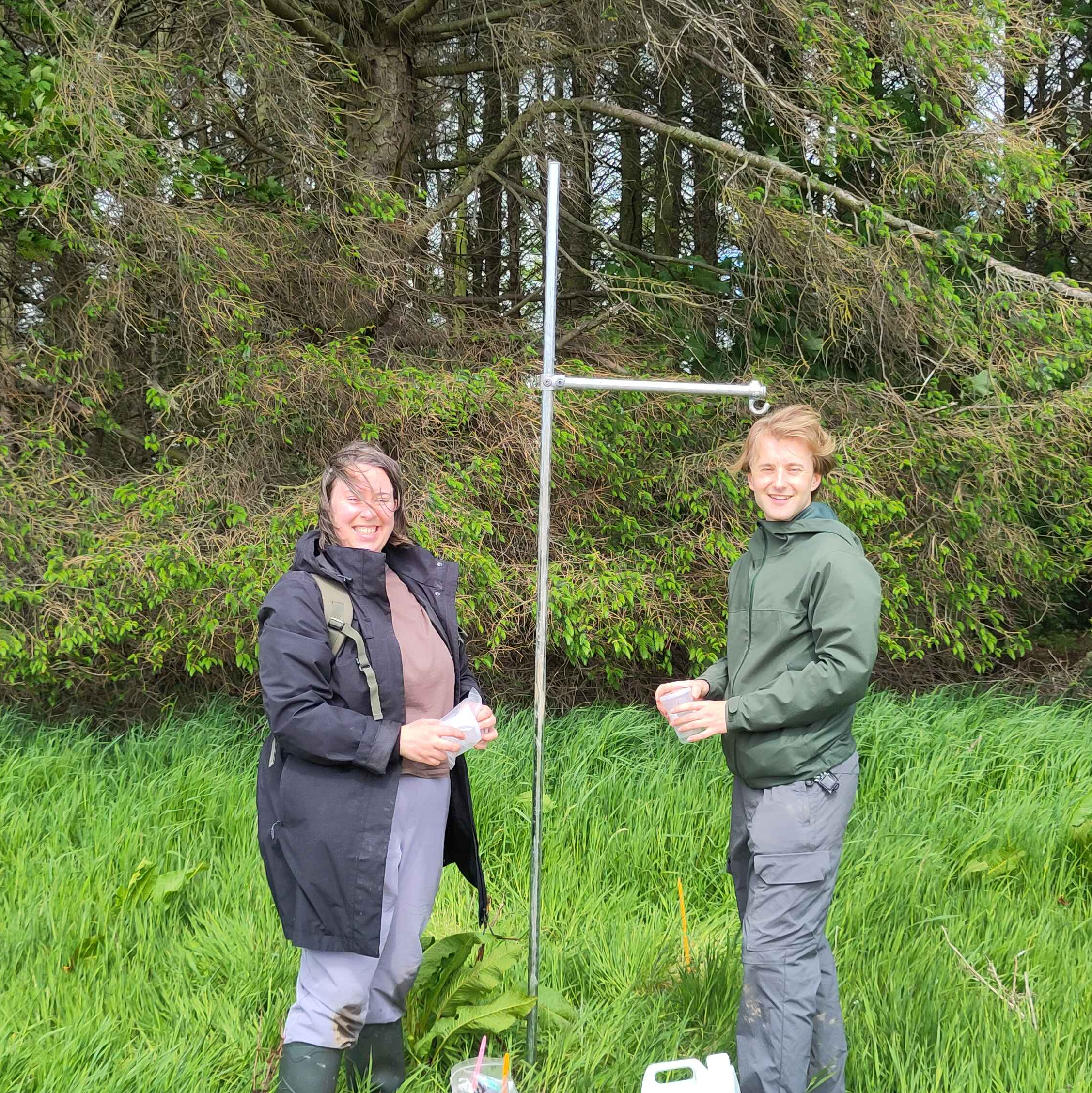
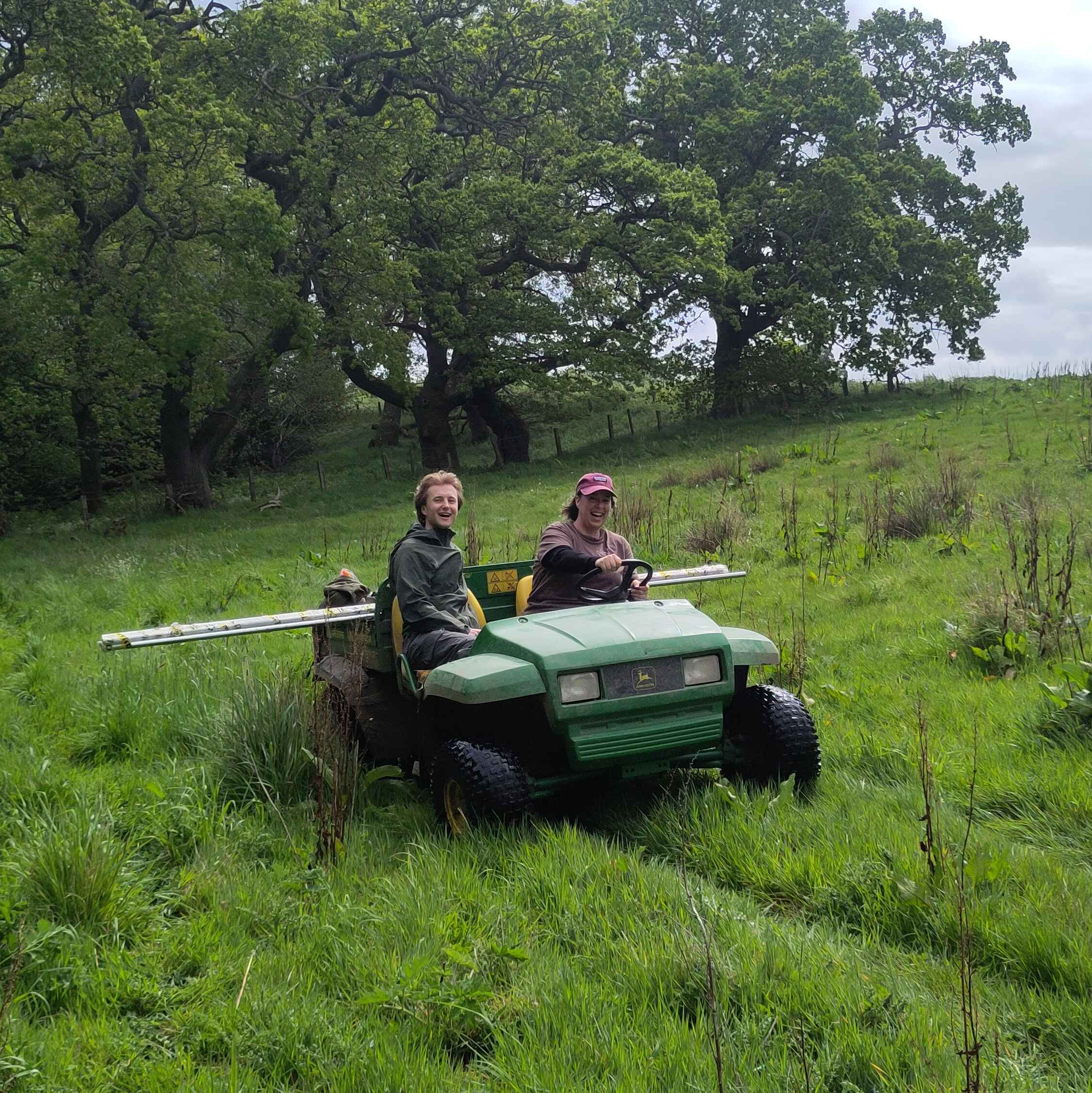
Mia’s also been setting up for another year of her artificial light experiments! Setting up the lamp posts for the solar-powered flood lights to attach to is tough work, but we luckily had Ben along to help! We also had a little helping hand from the university farms’ all terrain buggy, which made ferrying around steel poles much more convenient! With the posts now in place, all systems are go for another exciting year of the experiments!
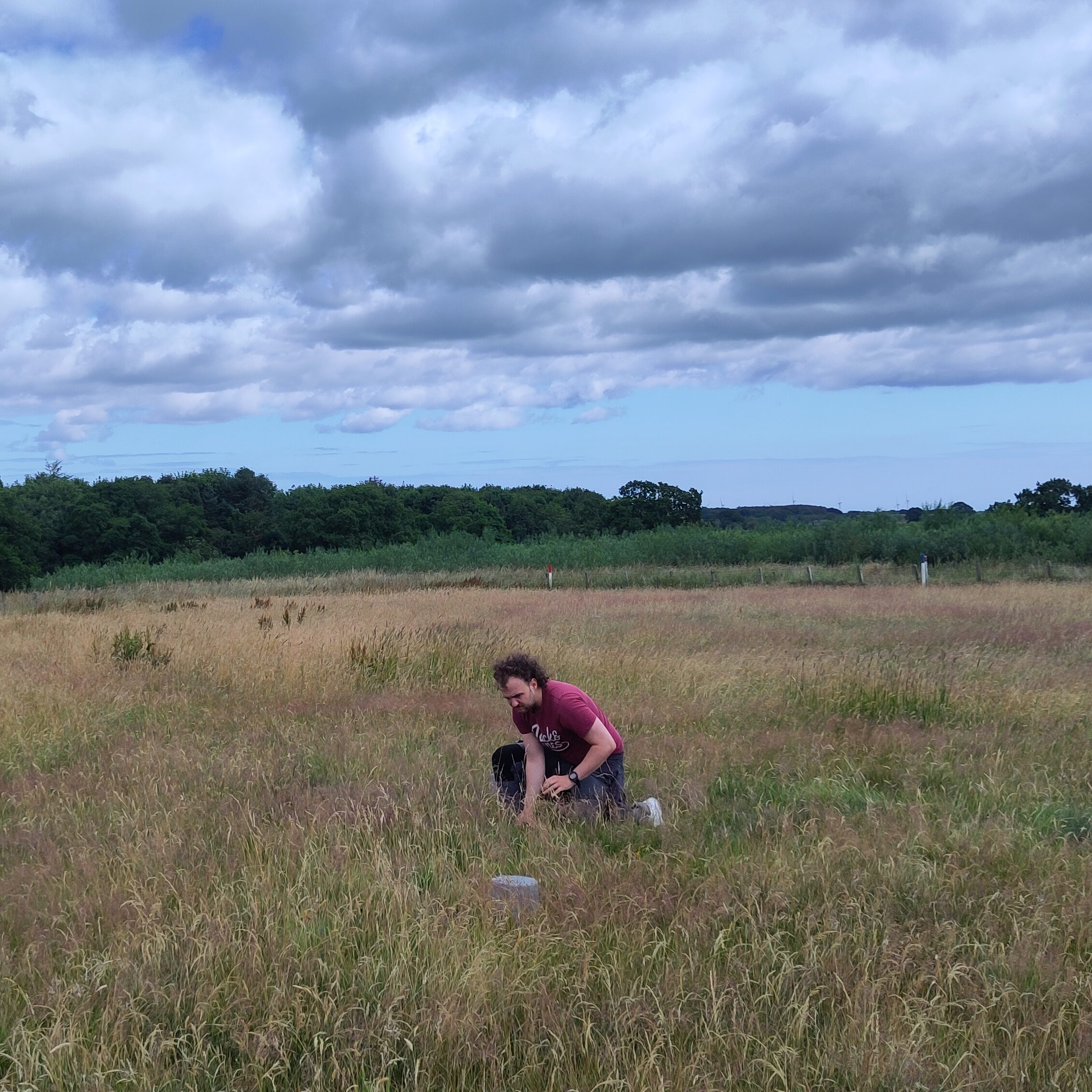
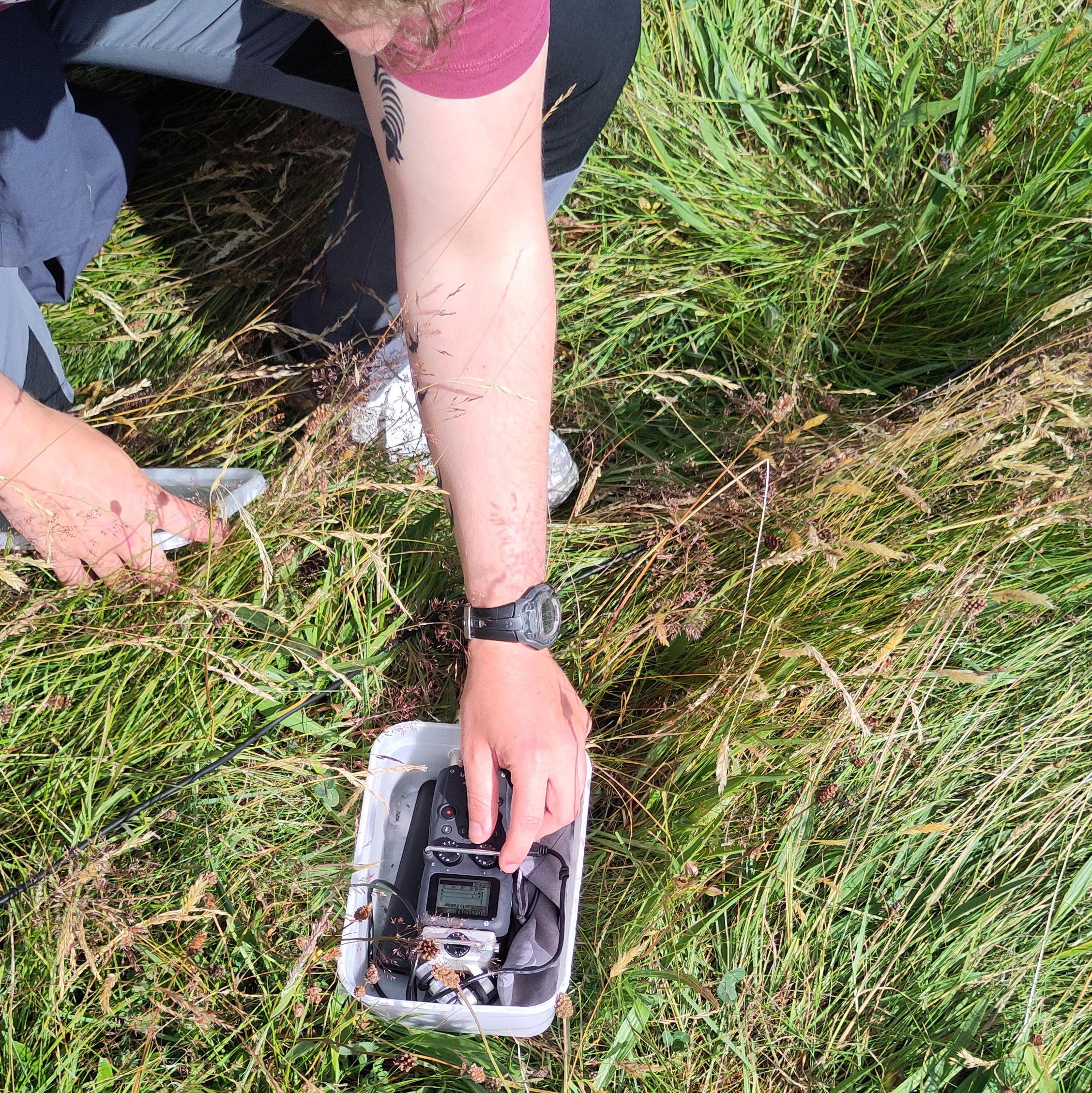
After a long year of monthly visits, Will’s finished his year-round acoustic, invertebrate and DNA surveys of the long-term Palace Leas grassland fertiliser experiment at our Cockle Park experimental farm site! It’s been a monumental effort in all weathers and seasons, and it will be super exciting seeing the data come together!
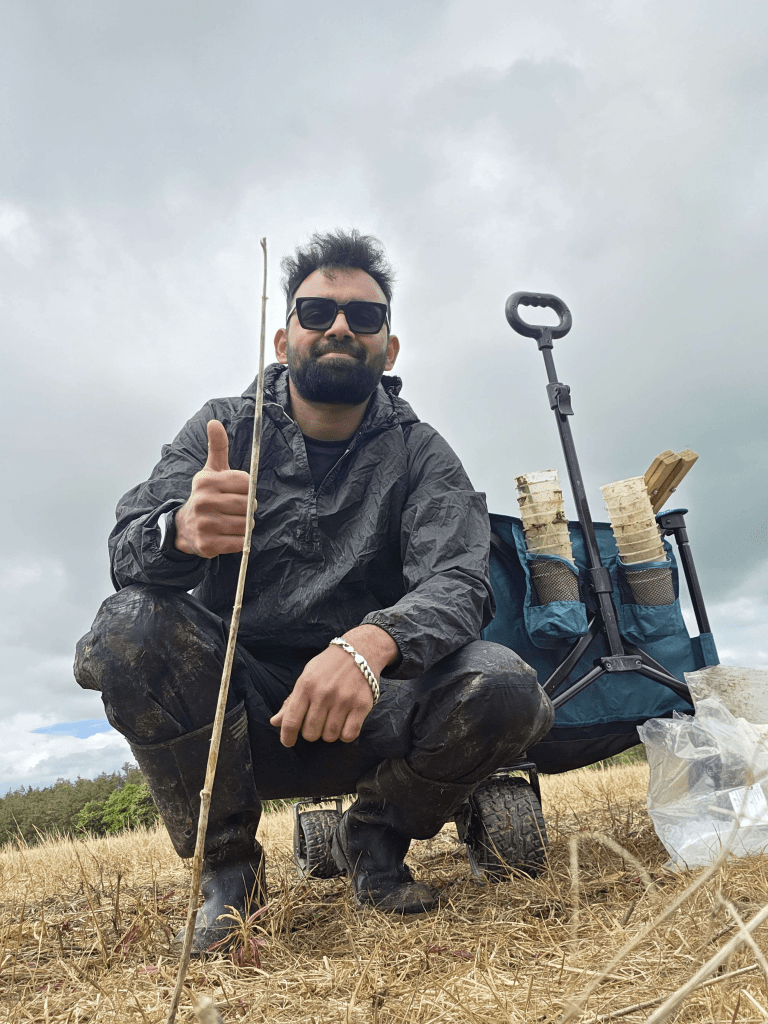
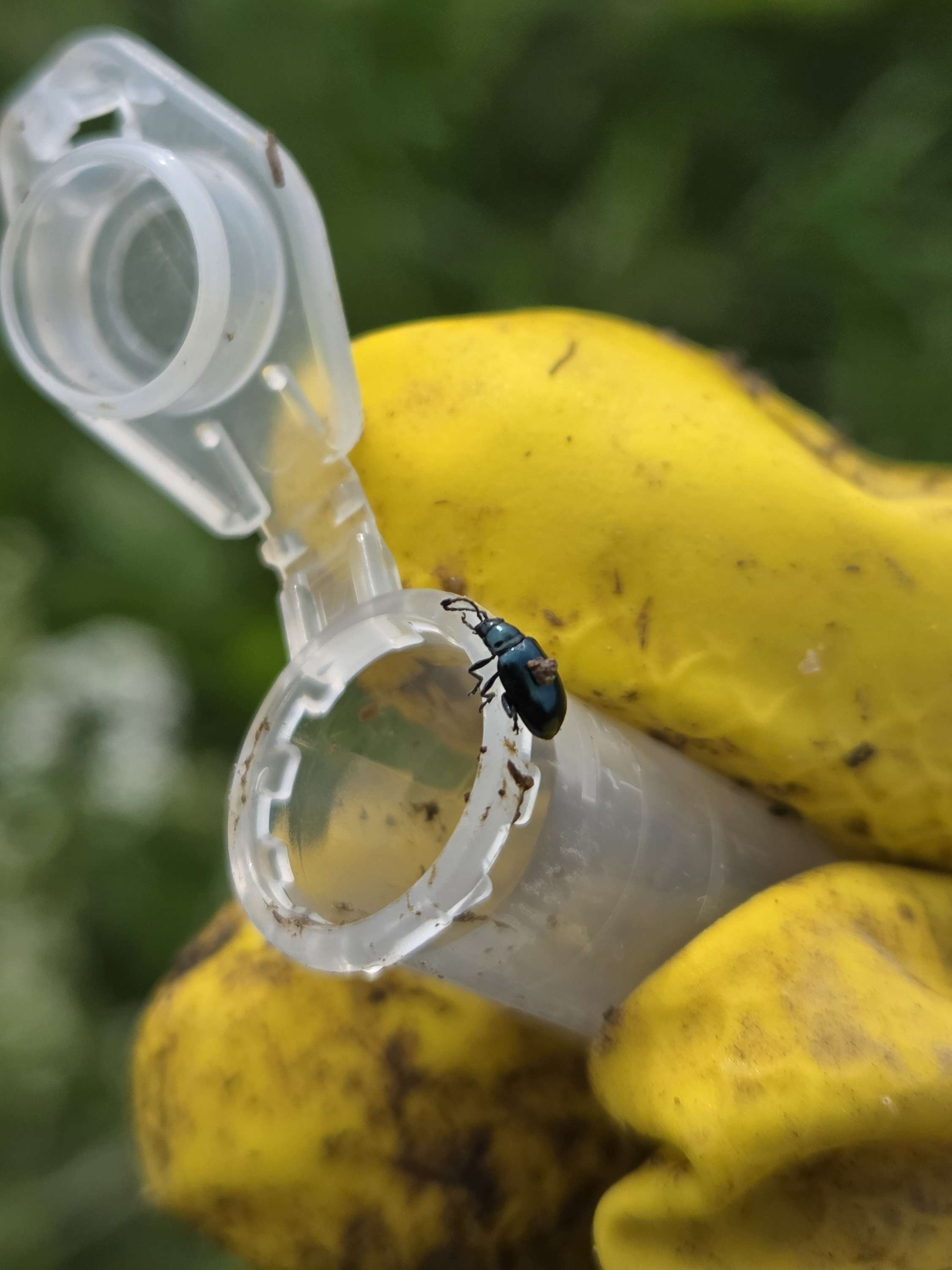
Will wasn’t the only one to cross the finishing line for field work this month, though! Dheeraj also finished his last round of fieldwork for his MRes, which has involved him sampling arthropods from our experimental farm in the freezing cold of January, all the way through to our recent heat wave! With all of his samples in place, some lab work lies ahead for Dheeraj, and lots of exciting data to come!
Research spotlight
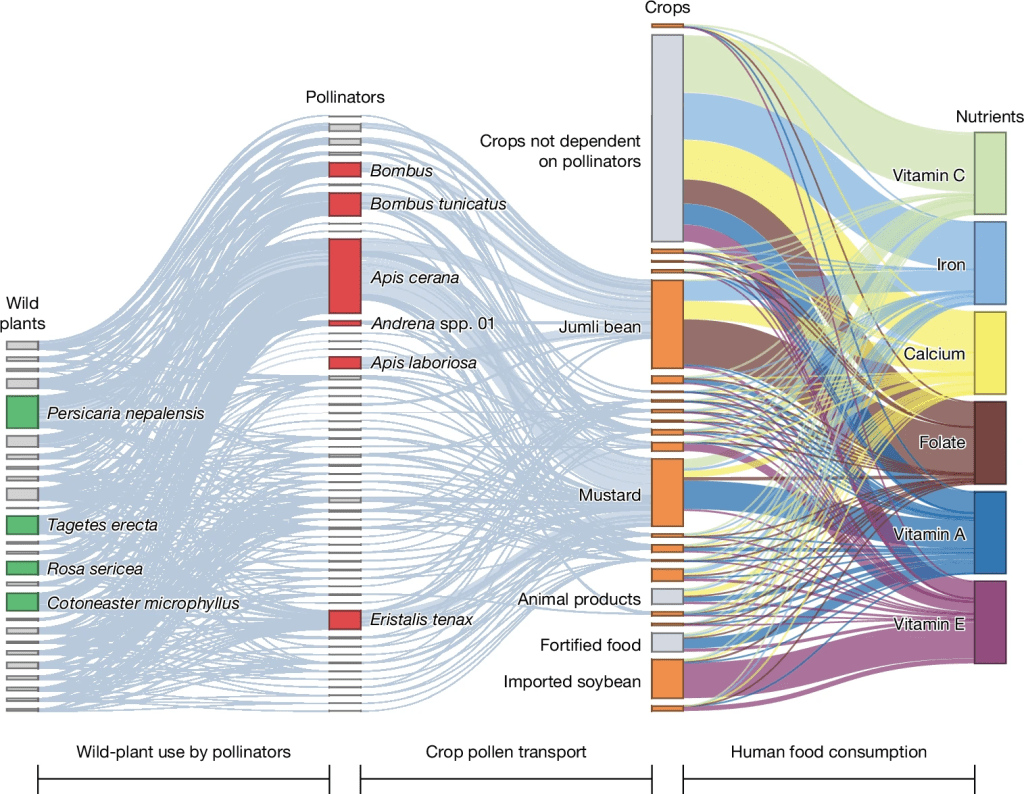
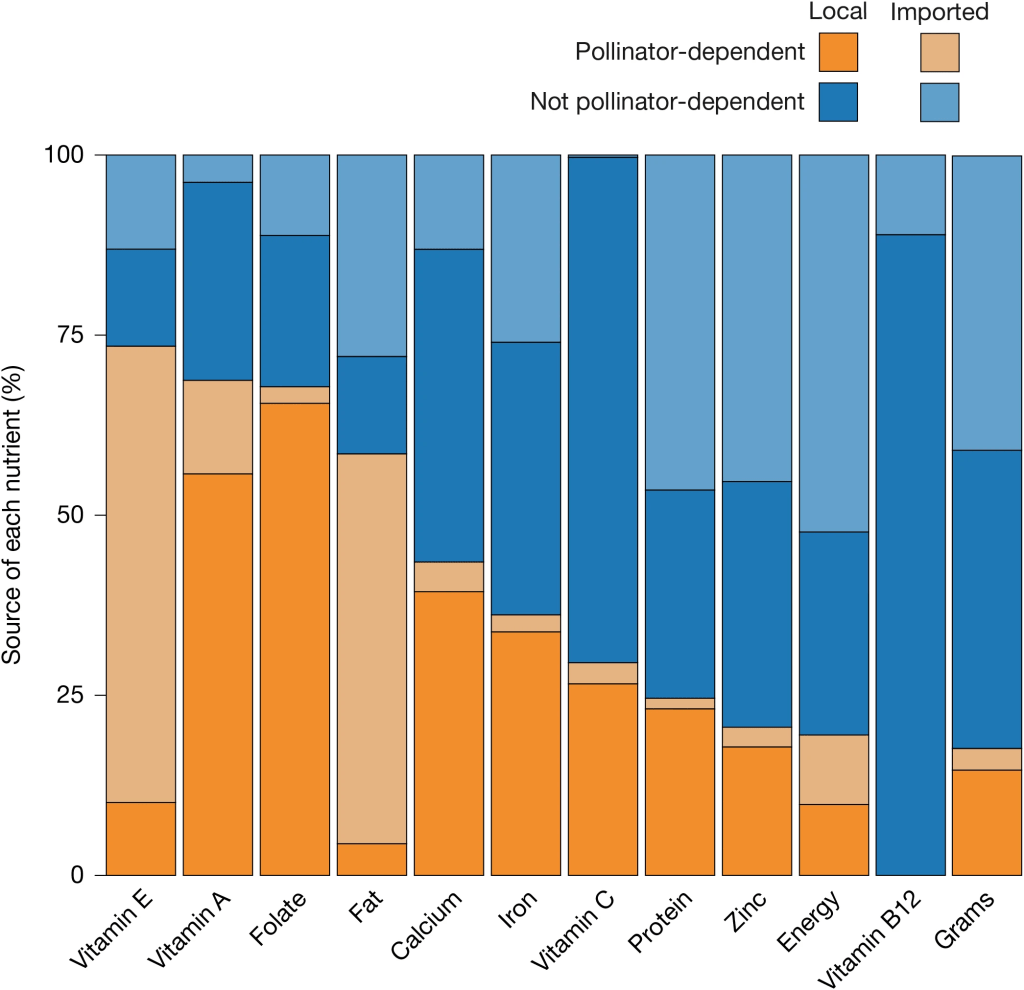
This month, we want to highlight this paper from Tom Timberlake and co-authors: Pollinators support the nutrition and income of vulnerable communities
This paper really nicely draws mechanistic links between biodiversity, ecological interactions and human health. By quantifying interactions between wild plants and pollinators, and how those pollinators drive crop pollination for food that provides specific micronutrients, it’s possible to study the flow of interactions from ecological to social systems. By making these links apparent, it’s clearer than ever how biodiversity loss, particularly related to pollinators, can drive poverty and micronutrient deficiency in vulnerable communities. This may pave the way toward enhanced management of biodiversity for the maintenance of human nutrition.
Taxon of the month
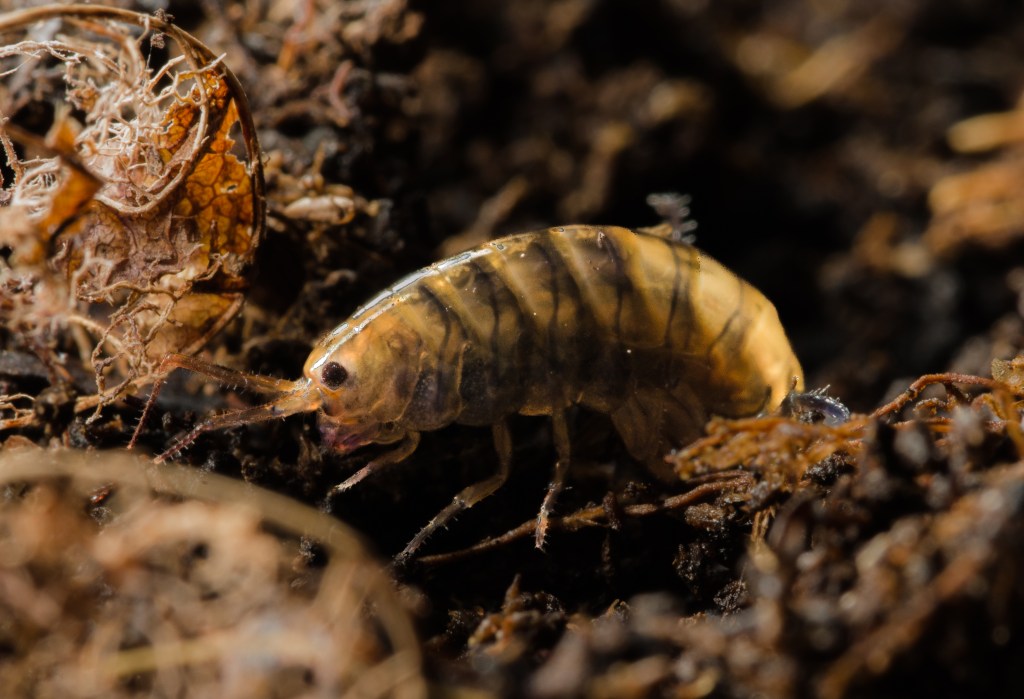
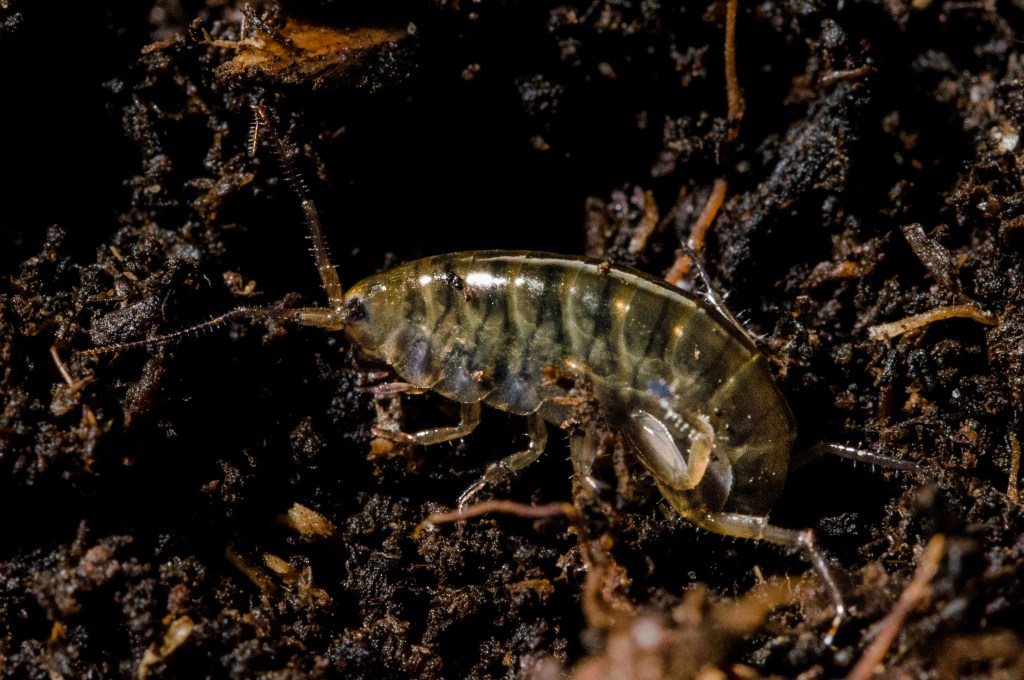
Our taxon of the month is the lawn shrimp, Arcitalitrus dorrieni (Amphipoda: Talitridae). Isopods often steal the limelight as terrestrial crustaceans, but they’re not alone! The lawn shrimp is a terrestrial amphipod thought to have originated from eastern Australia. It was found on the Isles of Scilly in 1924 and has since spread across much of the west coast of Britain. Typically found under deadwood, stones or detritus, the lawn shrimp hops away when disturbed and is marvellous to observe. The images below are from a lawn shrimp that Jordan found in Alexandria Gardens in the centre of Cardiff, Wales. It’s easily identified given that it is the only terrestrial amphipod in Britain, differentiated from isopods by the flattening of the body side-to-side, rather than top-to-bottom as in woodlice.
 Foraging Ecology Research Group