What is an entomologist? Even if you think you know the answer to that question, the ‘What is an entomologist?’ project may challenge your perceptions! This project is showcasing and celebrating the diversity within the entomological community through digital and physical displays. This is inspired by the “What is a Scientist?” project, run by DrContinueContinue reading “Ben and Rosy launch new project exploring and celebrating diversity in entomology!”
Category Archives: Outputs
New preprint: iPhone lidar can accurately capture fine-scale understorey vegetation structure
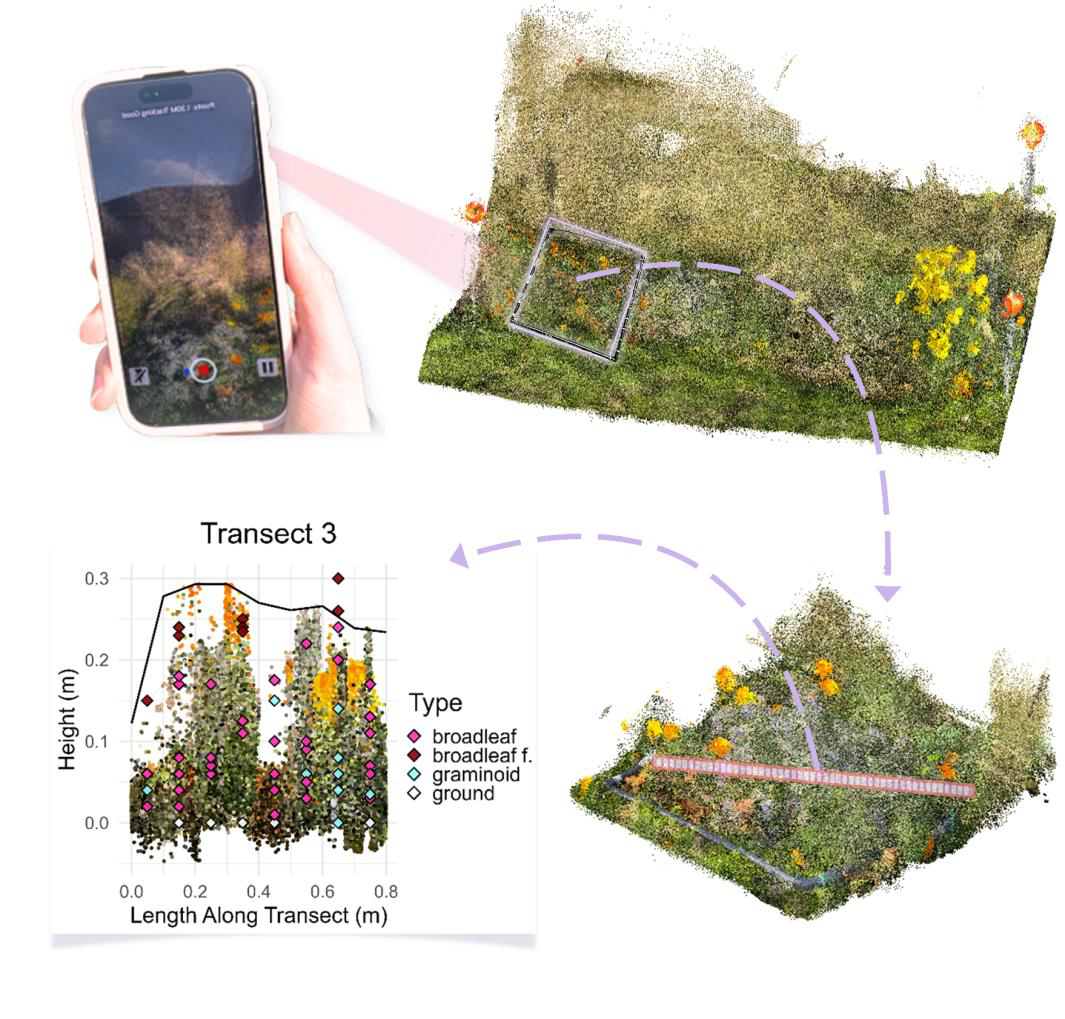
Check out this new preprint, now live on EcoEvoRxiv, led by Broghan as part of her PhD work on remote sensing of vegetation structure! iPhone lidar can accurately capture fine-scale understorey vegetation structure Complex vegetation structure increases ecosystem resilience, but fine-scale understorey vegetation is often overlooked in monitoring despite subtle variation impacting overall diversity. iPhone lidarContinueContinue reading “New preprint: iPhone lidar can accurately capture fine-scale understorey vegetation structure”
Launch editorial for Approaches in Entomology published!
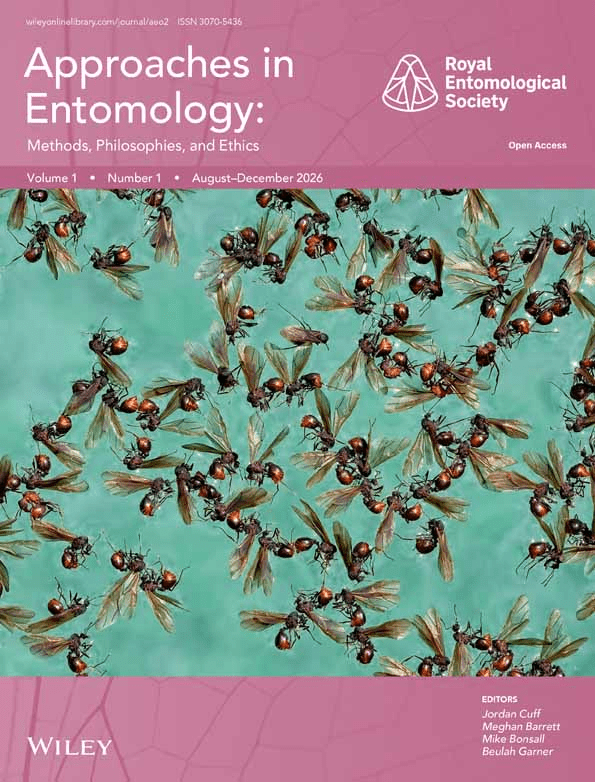
As we’ve shared earlier in the year, Jordan has led the development and launch of a new Royal Entomological Society journal, Approaches in Entomology! To mark the beginning of this journey, Jordan, alongside fellow editors Meghan Barrett, Beulah Garner and Mike Bonsall, wrote an editorial presenting the key mission for the journal: to provide aContinueContinue reading “Launch editorial for Approaches in Entomology published!”
Yiran’s work displayed in Newcastle’s Hatton Gallery!

If you’re in Newcastle over the next week, be sure to check out the Hatton Gallery, Newcastle University’s public art gallery, which is always home to some spectacular and often high-profile art, but is of particular note right now as it’s hosting some of our very own Yiran’s artwork! Yiran’s work towards her ‘Postbugs’ project,ContinueContinue reading “Yiran’s work displayed in Newcastle’s Hatton Gallery!”
FERG co-hosts the first DIETS Symposium at Durham University!
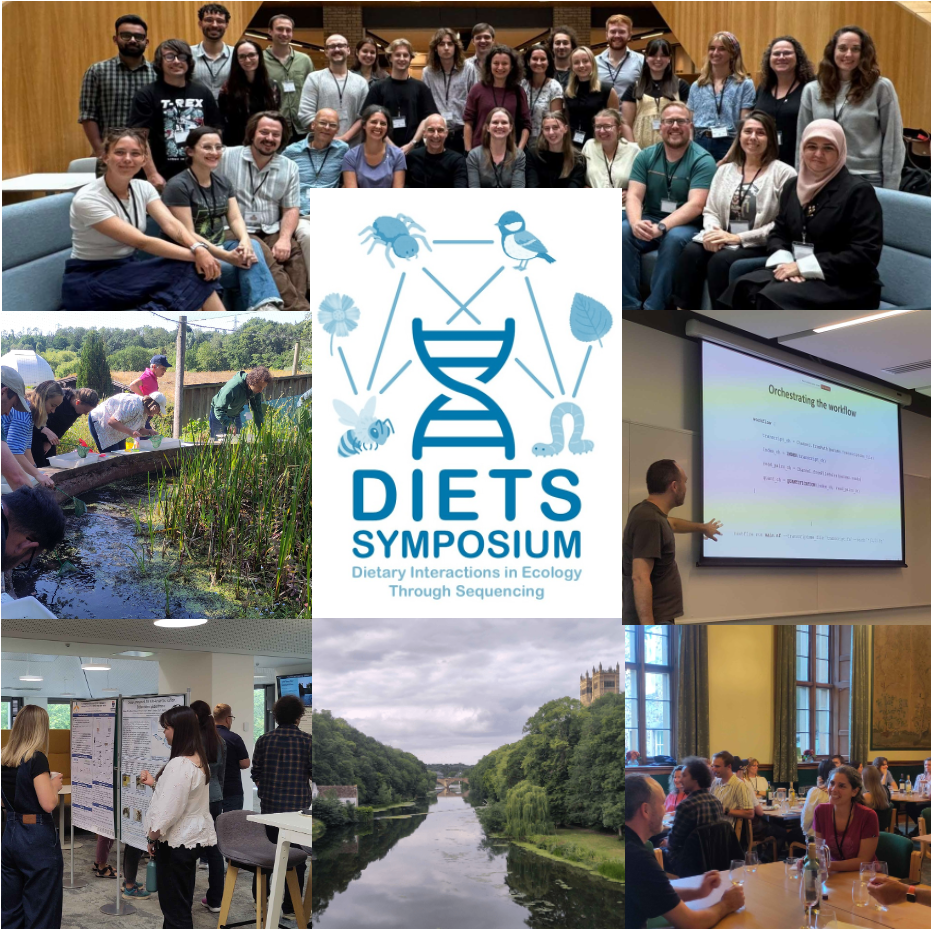
After months of planning and build-up, we just held the first Dietary Interactions in Ecology Through Sequencing (DIETS) Symposium! Mia and Jordan co-ran the symposium with Andreanna Welch and Beth Jetson from Durham University – a dream team! It went incredibly well and we had an absolute blast. Read below for some of our thoughts,ContinueContinue reading “FERG co-hosts the first DIETS Symposium at Durham University!”
New preprint: Local and biogeographical determinants of the diversity and structure of invertebrate communities in rot holes of ash, Fraxinus excelsior
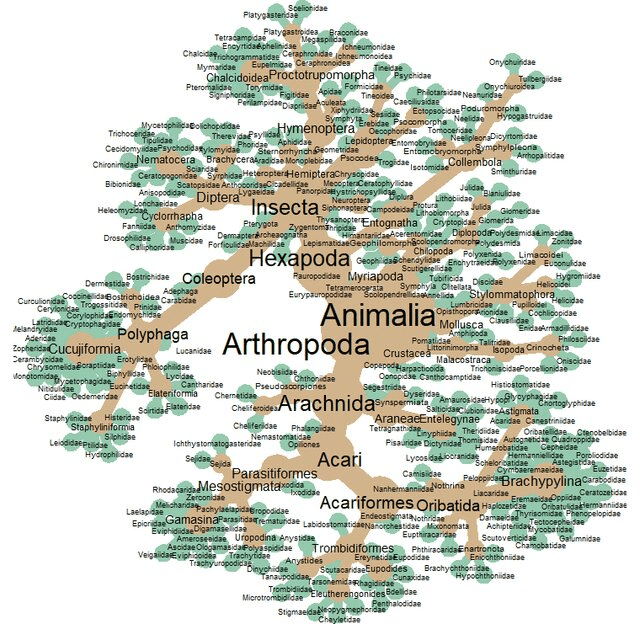
Check out this new preprint, now live on bioRxiv, led by Will as an output from his previous work at Cardiff University! Will’s research at Cardiff University was based on rot-hole invertebrates, much like Jordan’s was before he started his PhD. What a small world! Local and biogeographical determinants of the diversity and structure ofContinueContinue reading “New preprint: Local and biogeographical determinants of the diversity and structure of invertebrate communities in rot holes of ash, Fraxinus excelsior”
NEW PAPER: Intraguild interactions drive the dynamics of a complex community of globally invasive ant species
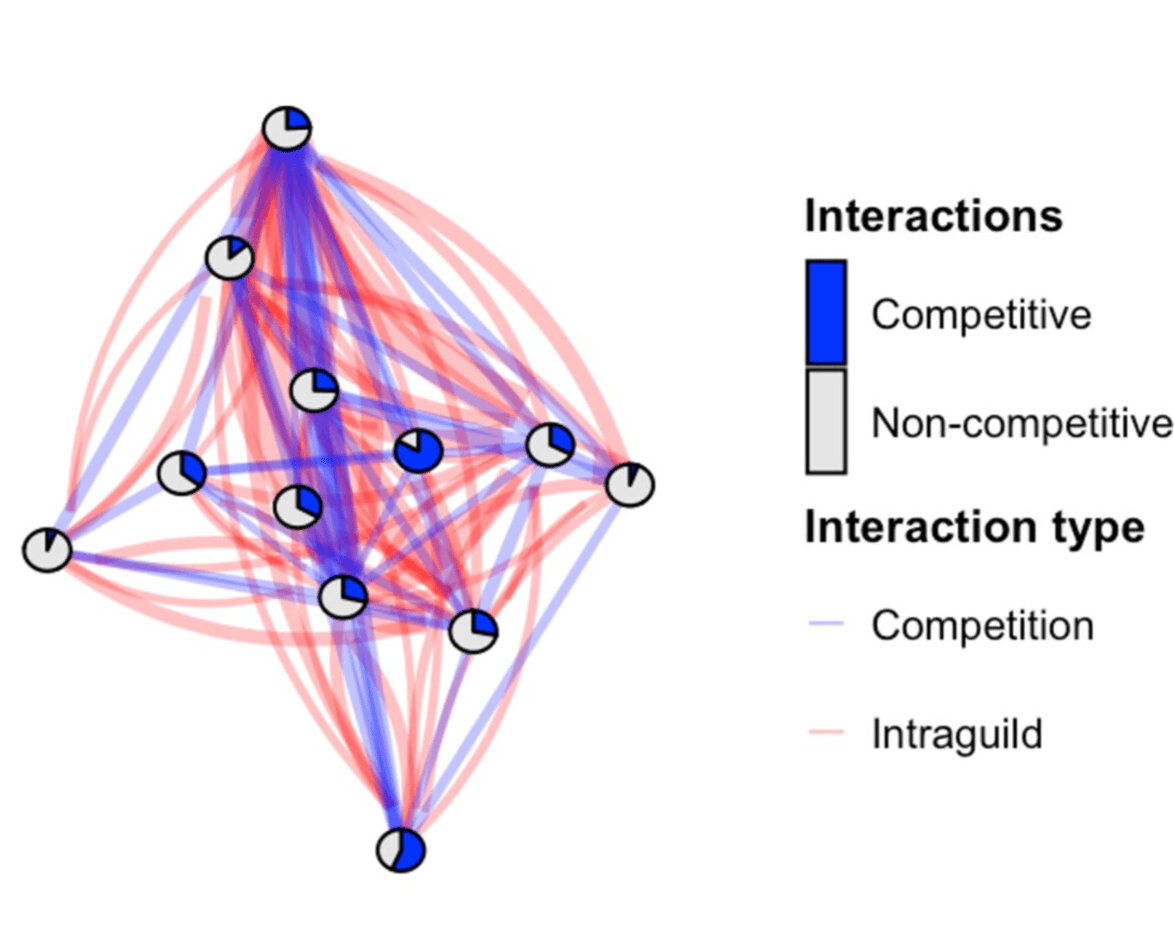
Check out this new paper, led by long-time FERG-friend Max Tercel, now published in Molecular Ecology! Intraguild interactions drive the dynamics of a complex community of globally invasive ant species Intraguild trophic interactions showing consumers (left) and dietary taxa (right). Invasive species adversely affect biodiversity, but little is known about how ecologically similar invaders interact.ContinueContinue reading “NEW PAPER: Intraguild interactions drive the dynamics of a complex community of globally invasive ant species”
New preprint: Insects as agents of national security: entomological biodiversity loss and ecosystem collapse in agriculture and forestry threaten geopolitical stability
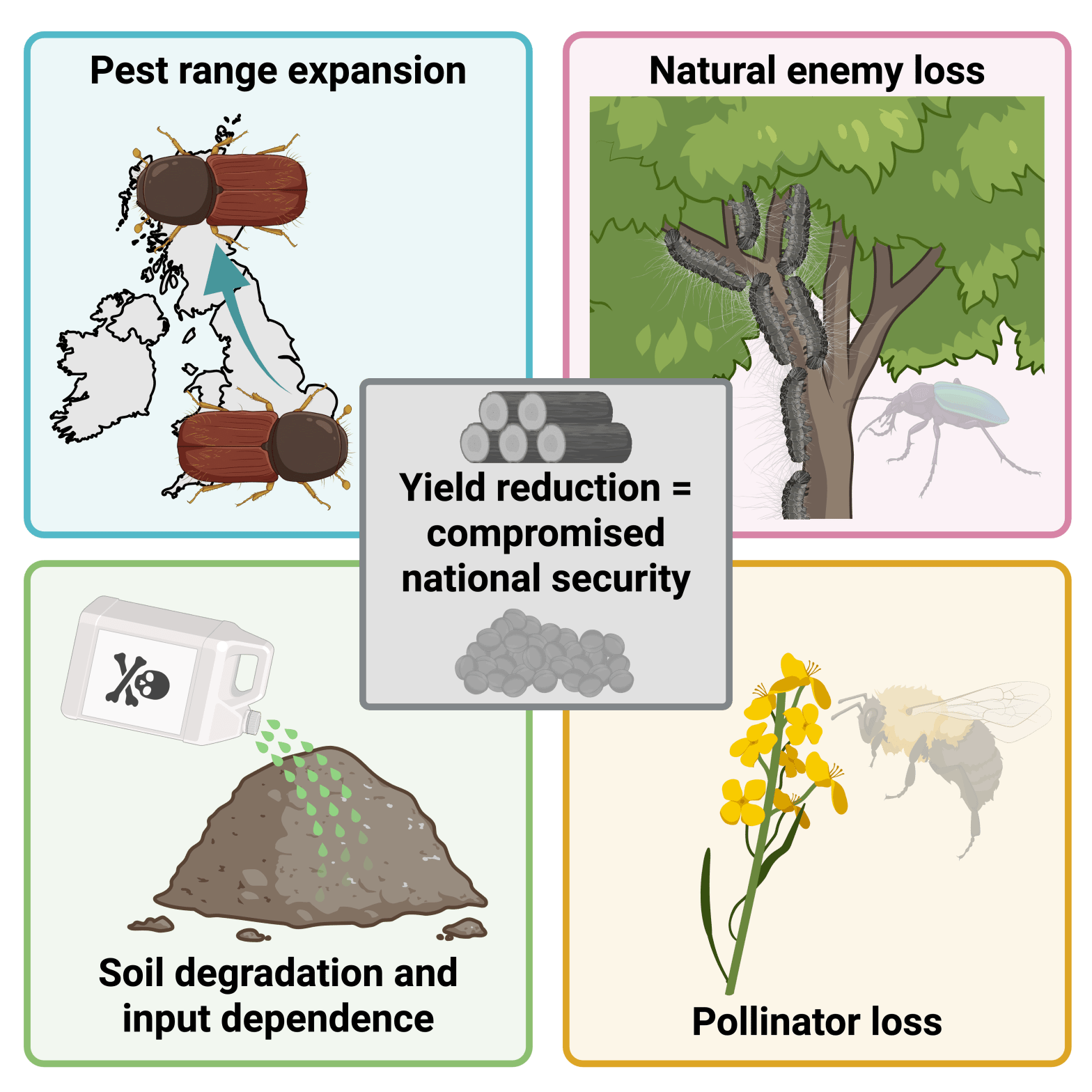
Check out this new preprint, now live on EcoEvoRxiv, co-led by Mia and Ben alongside seven other members of FERG (Will, Rosy, Rebecca, Jack, Bethan, Lucy and Jordan): Insects as agents of national security: entomological biodiversity loss and ecosystem collapse in agriculture and forestry threaten geopolitical stability A summary of five key drivers of long-termContinueContinue reading “New preprint: Insects as agents of national security: entomological biodiversity loss and ecosystem collapse in agriculture and forestry threaten geopolitical stability”
New preprint: Bridging nutritional geometry and network ecology to quantify the robustness of nutritional networks
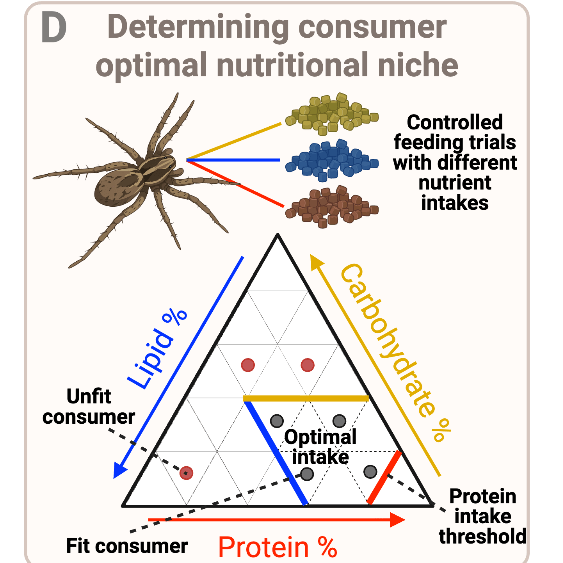
Check out this new preprint, now live on EcoEvoRxiv, led by Jordan alongside an all-star team of network ecologists, nutritional geometrists and trophic ecologists: Bridging nutritional geometry and network ecology to quantify the robustness of nutritional networks A proposed workflow for quantifying nutritional network robustness. Understanding the robustness and resilience of ecological networks is keyContinueContinue reading “New preprint: Bridging nutritional geometry and network ecology to quantify the robustness of nutritional networks”
FERG at the European Congress of Entomology 2026 in Tours, France!
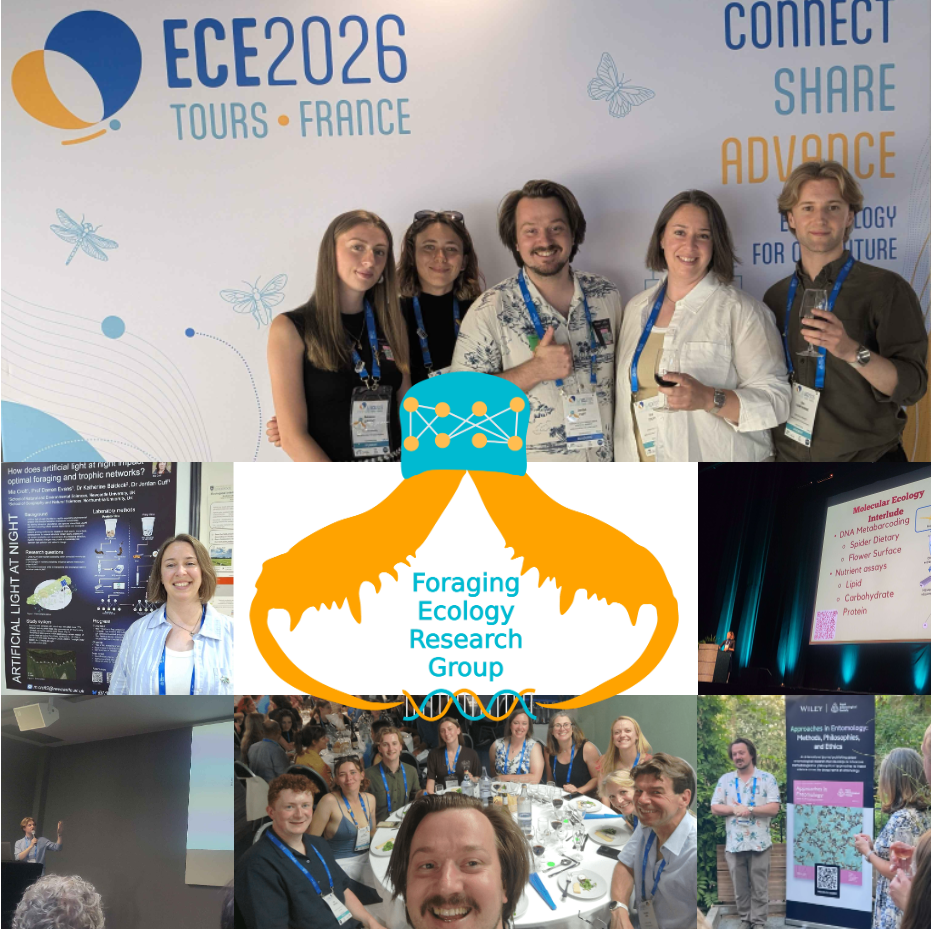
A few of us recently took to the European Congress of Entomology in Tours, France to present our work, meet some exceptional entomologists from around the world and enjoy the atmosphere of a thriving hub of international research! Read below for some of the highlights! Ben, Mia, Rebecca and Jordan arriving for a week ofContinueContinue reading “FERG at the European Congress of Entomology 2026 in Tours, France!”

