It’s been a really exciting month, from conferences and visitors, to preprints and papers! We started the month off at the tail end of the European Congress of Entomology (which we summarised our experience of in a separate post and in last month’s FERG News). Read on to find out where we ended up after that!
If you want to keep up with our latest updates, you can sign up to email alerts below!
FERGers and friends
Massive congratulations to Rebecca on graduating from her MBiol! Rebecca submitted an exceptional dissertation, titled “Investigating the trophic ecology of wood decay arachnids using dietary DNA metabarcoding”, and is gearing up to start her PhD on forest pest parasitoids with us in September! Great work, Rebecca!

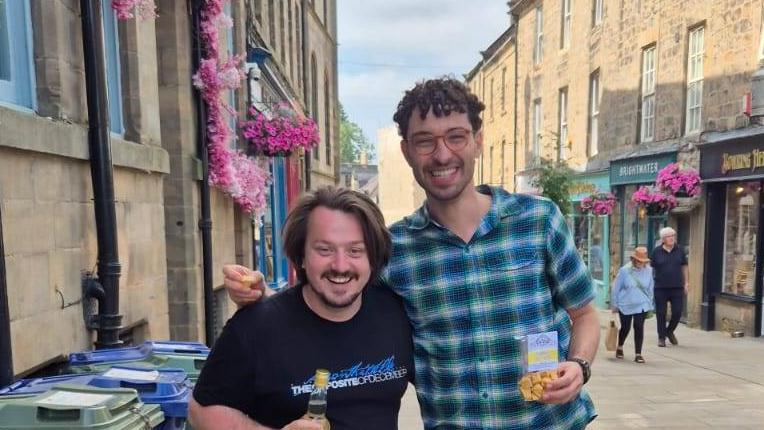
We had a couple of visitors this month too! As part of a NERC and FAPESP joint-funded project with Jordan, Raul Costa Pereira, head of the Laboratório de Ecologia das Variações Individuais (LEVIn) group in Unicamp, Brazil, came over to attend DIETS and get some collaborative work started! It was super exciting having Raul here after all of the time spent discussing ideas and applying for funding for this project, and there are plenty more mutual visits to come! In a short time, we made some great progress on some really exciting research which we can hopefully share soon!
We also had Florencia Fernández Campón visit us from Universidad Nacional de Cuyo, Mendoza, Argentina! Florencia brought along a couple of hundred spiders collected from the riparian zones of streams and ponds in the Andes to do some dietary metabarcoding. It was so much fun working with Florencia and the spiders were super cool to see! Keep your eyes peeled for some cool data from this work in the near future!
Outputs and outcomes
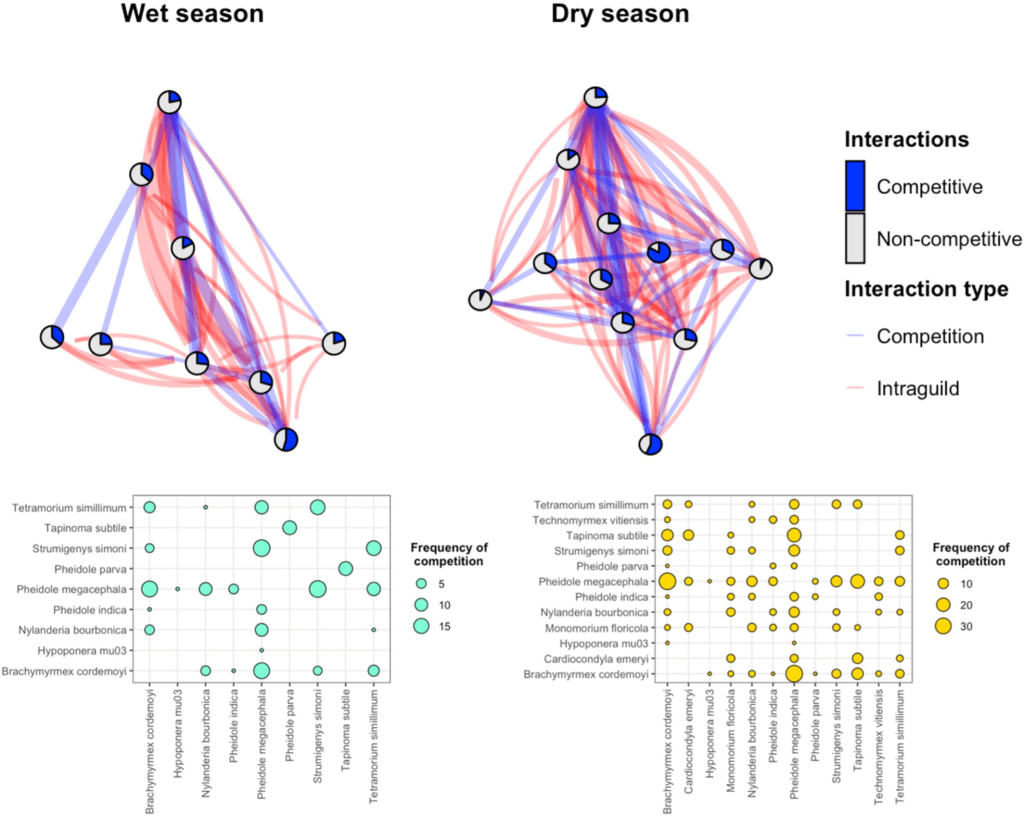
It’s been a busy month for outputs! A paper led by long-time FERG-friend Max Tercel describing the direct and indirect intraguild interactions of invasive ants using dietary metabarcoding and various network analyses came out in Molecular Ecology! This is a publication debut for our hypergraph-based approach to quantifying potential exploitation competition, which we’re currently using across a few different contexts, including other indirect and facilitative interactions, so stay tuned for more on that soon! Check out the full paper for all of the juicy details!
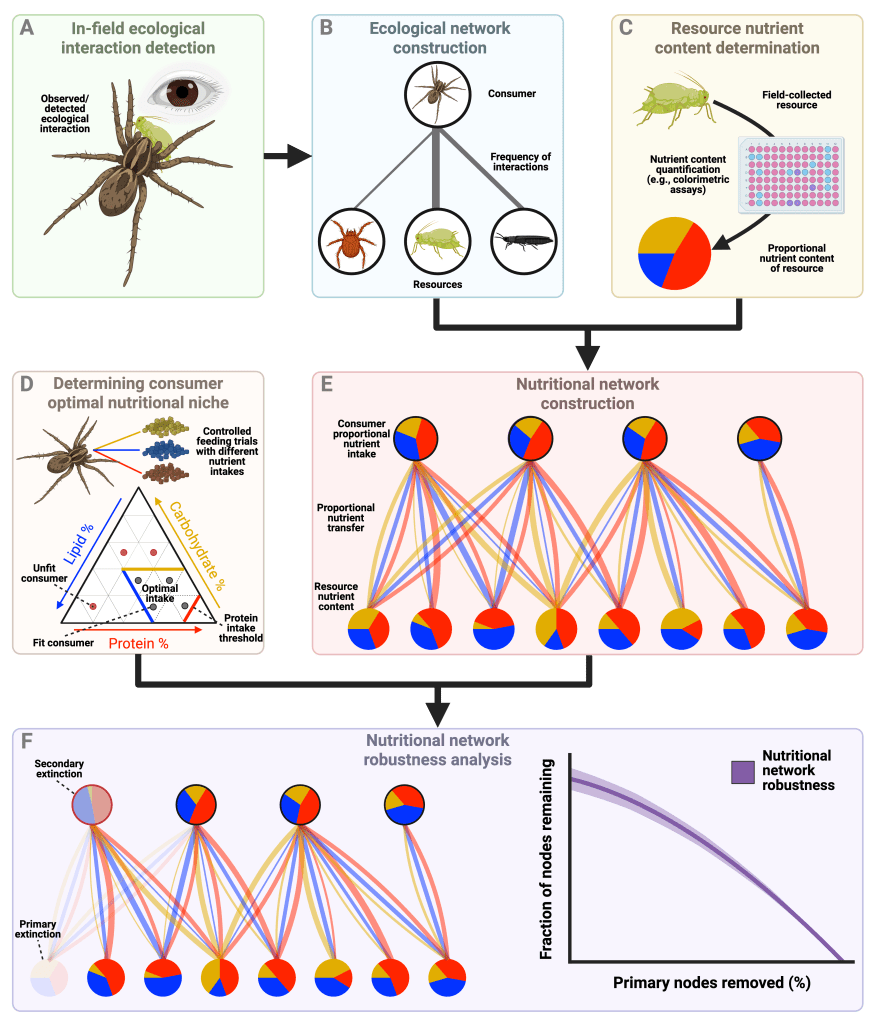
A new preprint went live on EcoEvoRxiv, led by Jordan alongside an all-star team of network ecologists, nutritional geometrists and trophic ecologists! The preprint describes a framework for estimating the robustness of nutritional networks, extending current network robustness analyses with more physiologically-grounded results. Keep your eyes peeled for the peer-reviewed paper!
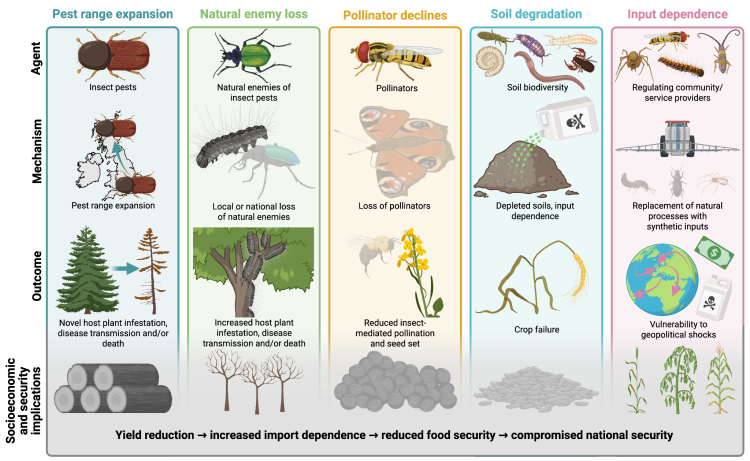
Another new preprint dropped in EcoEvoRxiv, co-led by Mia and Ben alongside seven other members of FERG (Will, Rosy, Rebecca, Jack, Bethan, Lucy and Jordan)! This paper is a collaborative output from one of our journal club sessions in which we discussed a recent government report linking biodiversity loss, ecosystem collapse and national security. We contextualise the report in relation to agricultural and forest entomology, which implicitly underpins the broader concept. Coming to a peer-reviewed journal near you soon!
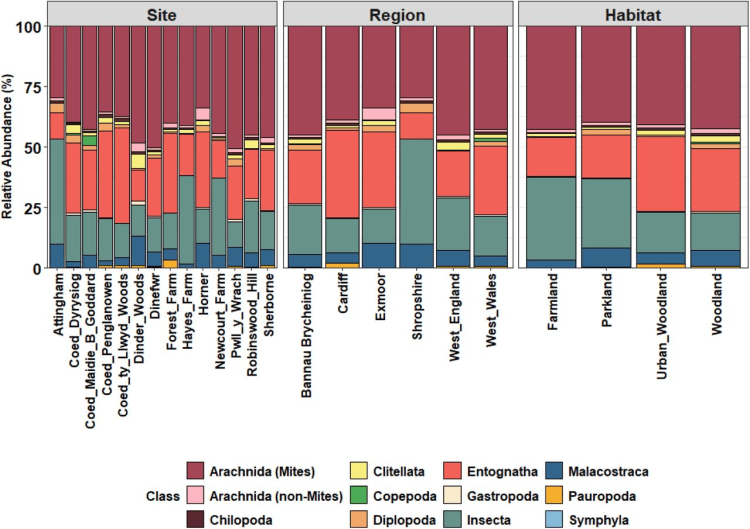
Why stop there?! Will also led publication of a preprint in bioRxiv as an output from his previous work at Cardiff University in Lynne Boddy’s Fungal Ecology Lab! The paper assessed how invertebrate communities in ash tree hollows are structured across different scales of organisation, from trees to forests and landscapes. The paper demonstrates the incredible diversity of these communities and the various mechanisms underpinning their structure. Watch this space for the peer-reviewed version!
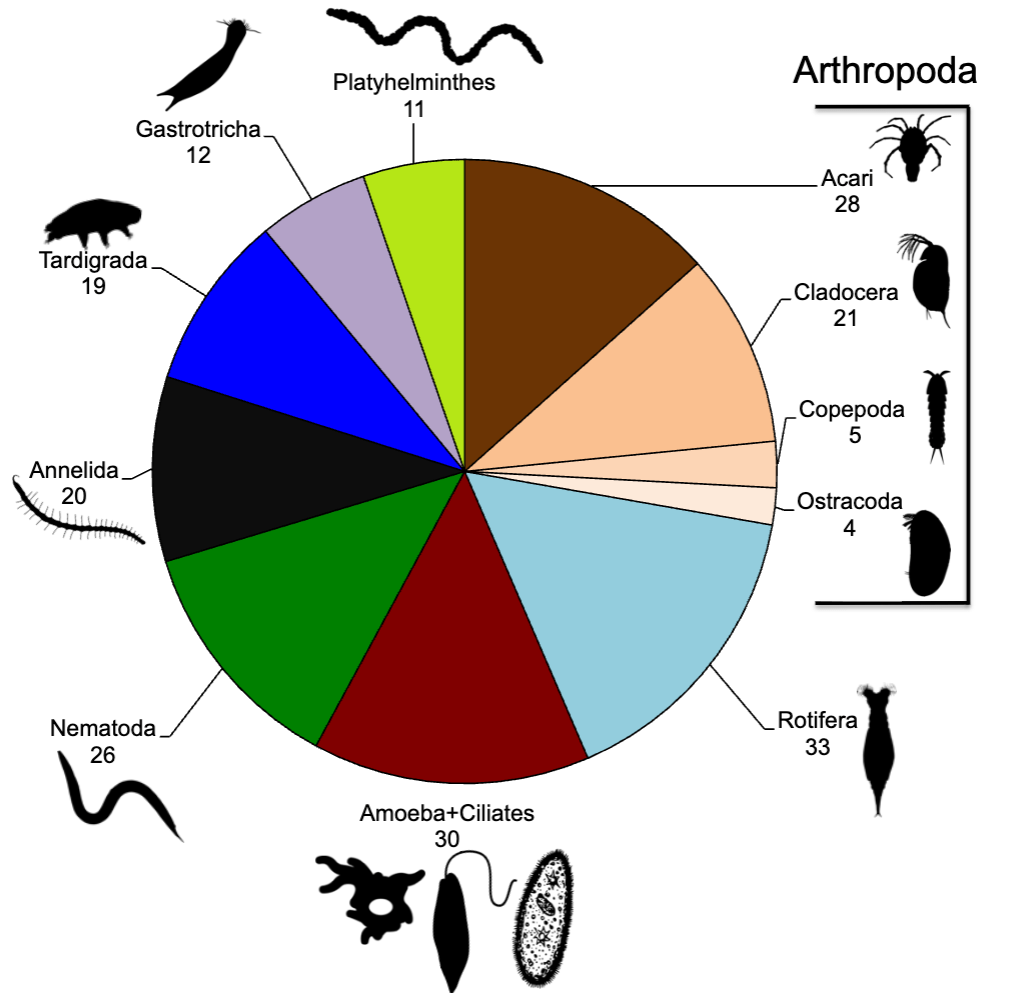
Will’s had a very productive month! He’s also been involved in publishing a paper from a workshop he attended which involved a survey of freshwater and limno-terrestrial meiofauna of the Lake District: “Results of a survey workshop on freshwater and limno-terrestrial meiofauna of the Lake District, UK“. This paper fills important gaps in our understanding of meiofaunal taxa in nearly pristine freshwater and temperature rainforest ecosystems through morphological and molecular identification.
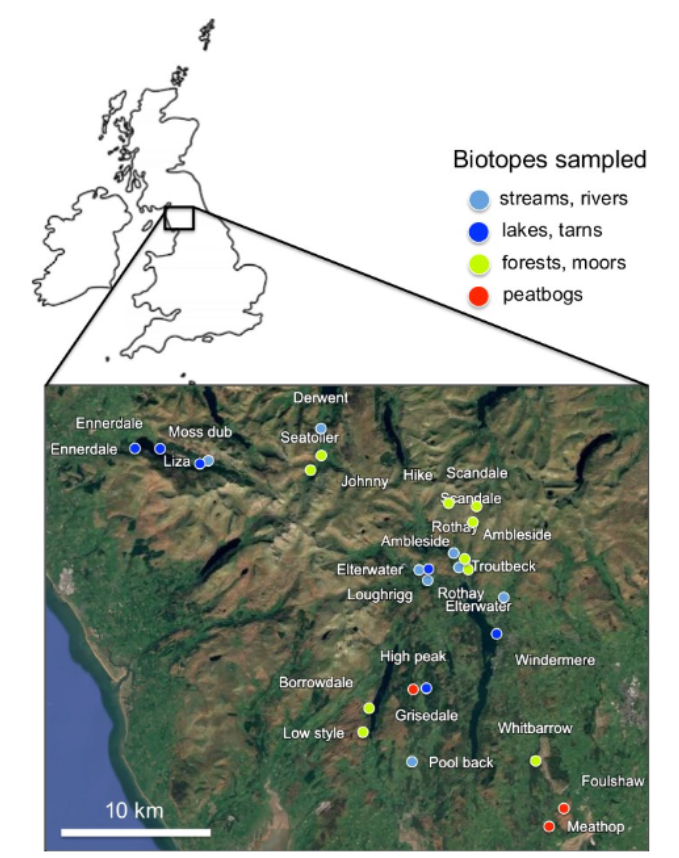
within the Lake District region.
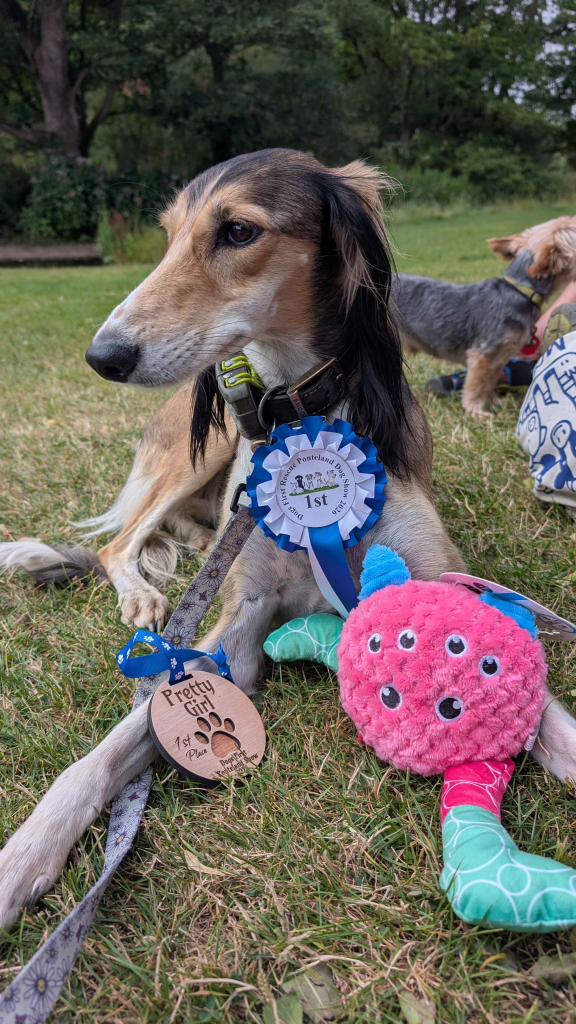
It wasn’t just the humans of FERG being productive! Honorary FERGer Ffion, Rosy’s trusty sidekick, won 1st place ‘Pretty Girl’ award at the Dogs First Rescue Ponteland Dog Show 2026!
FERG in the wild
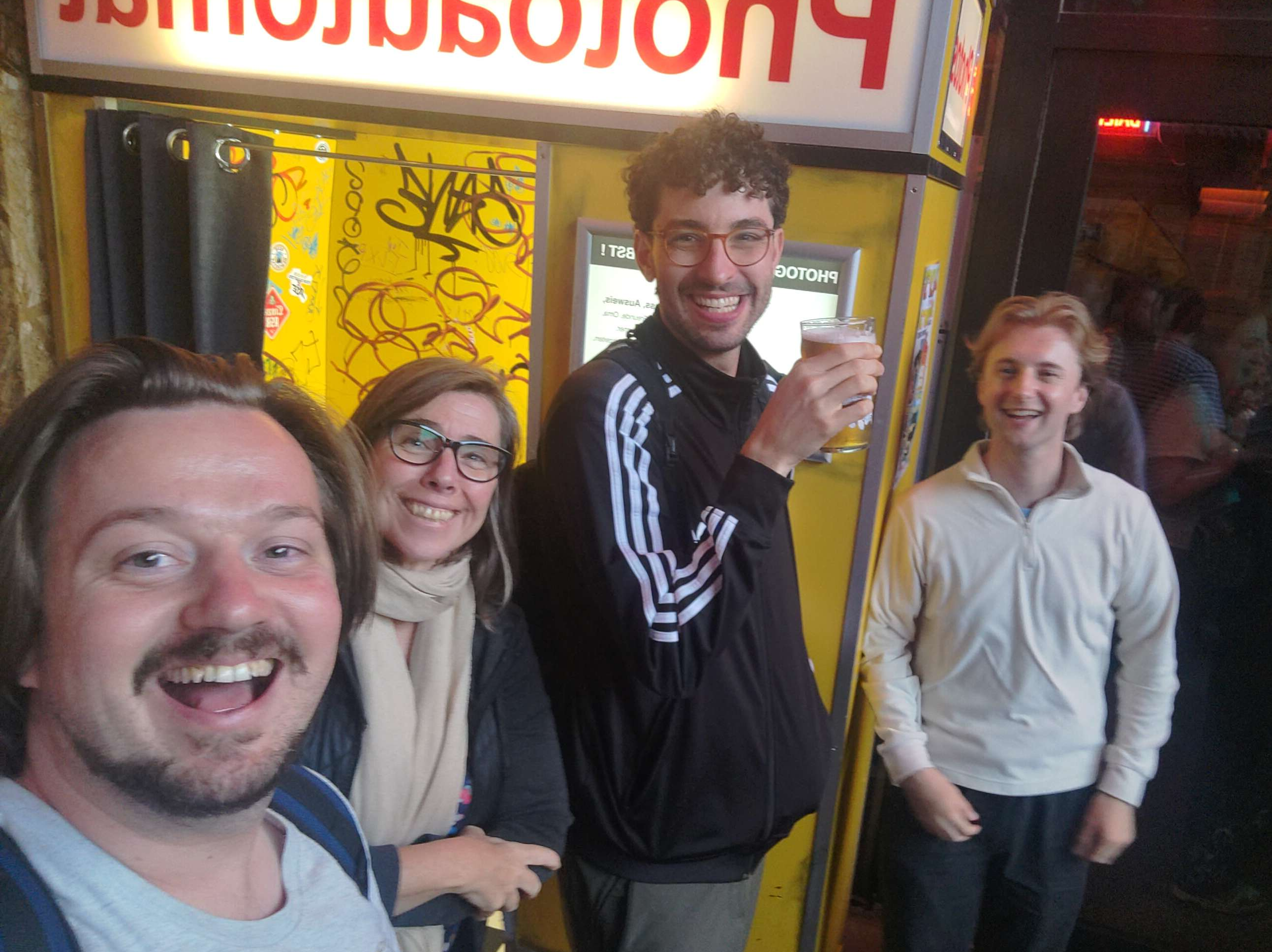
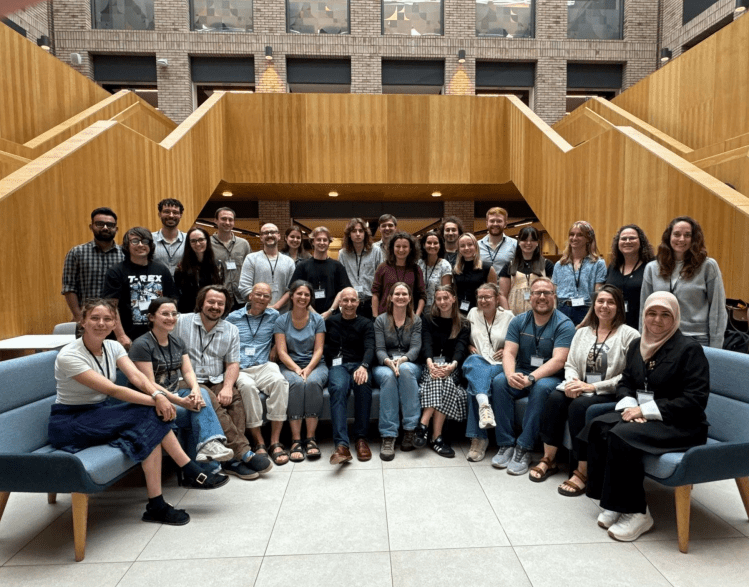
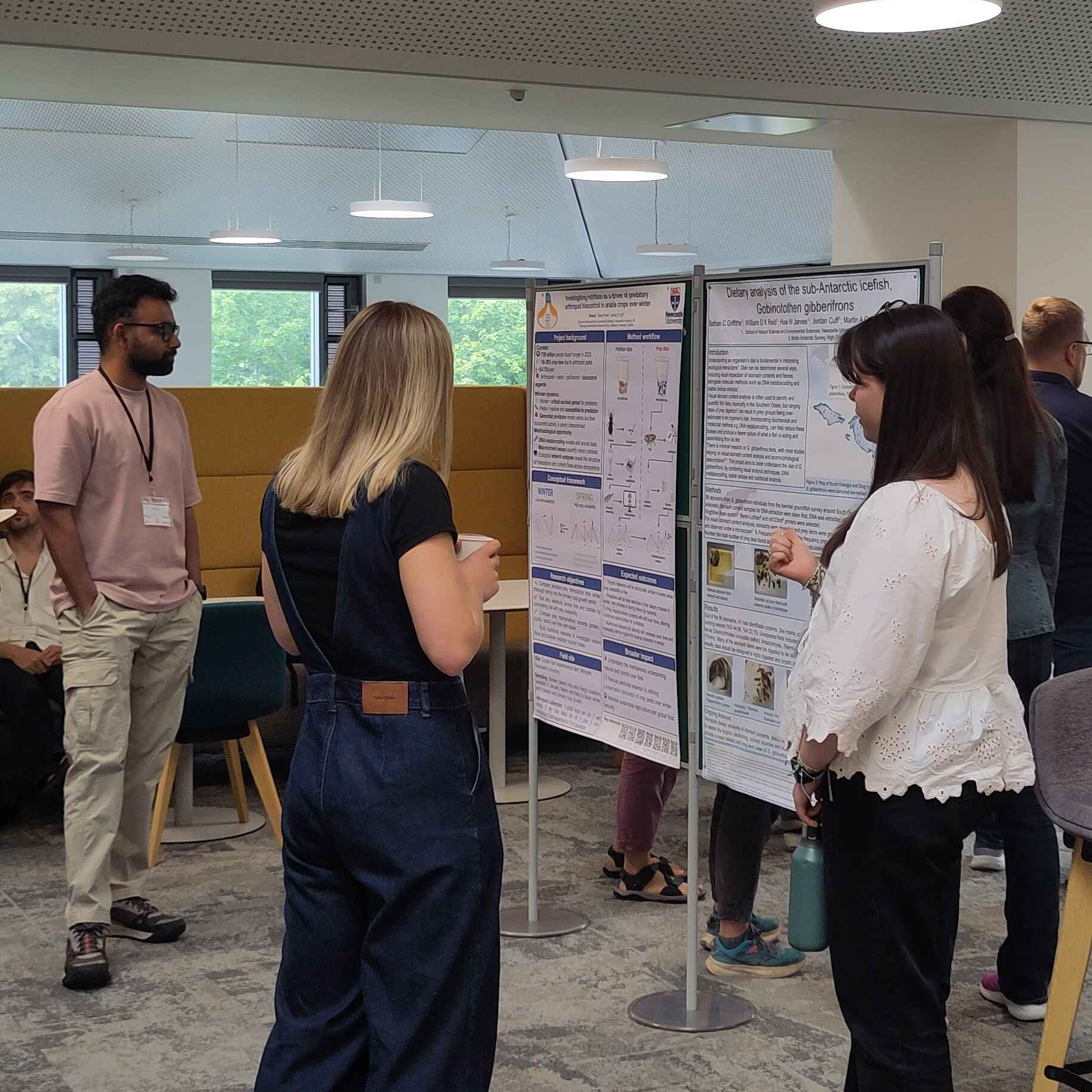
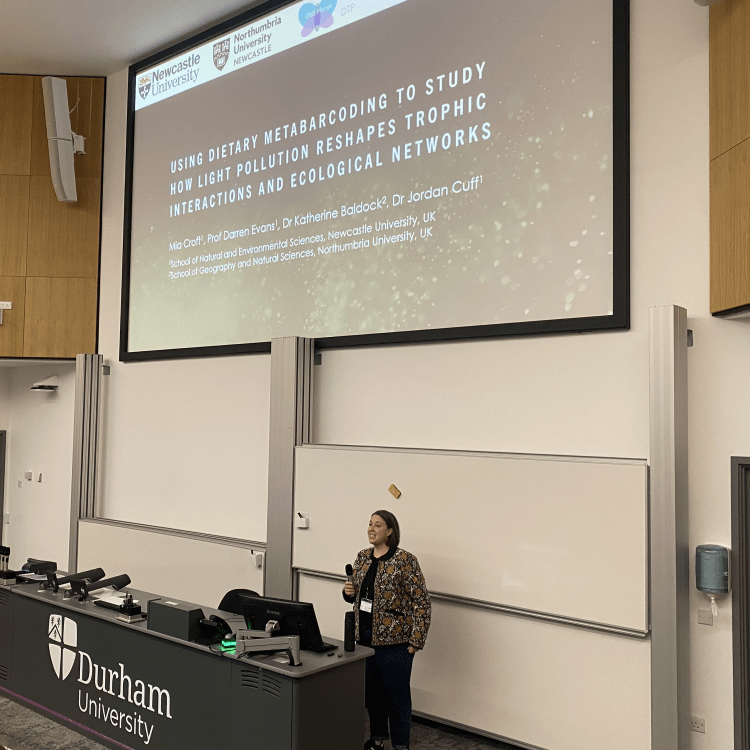
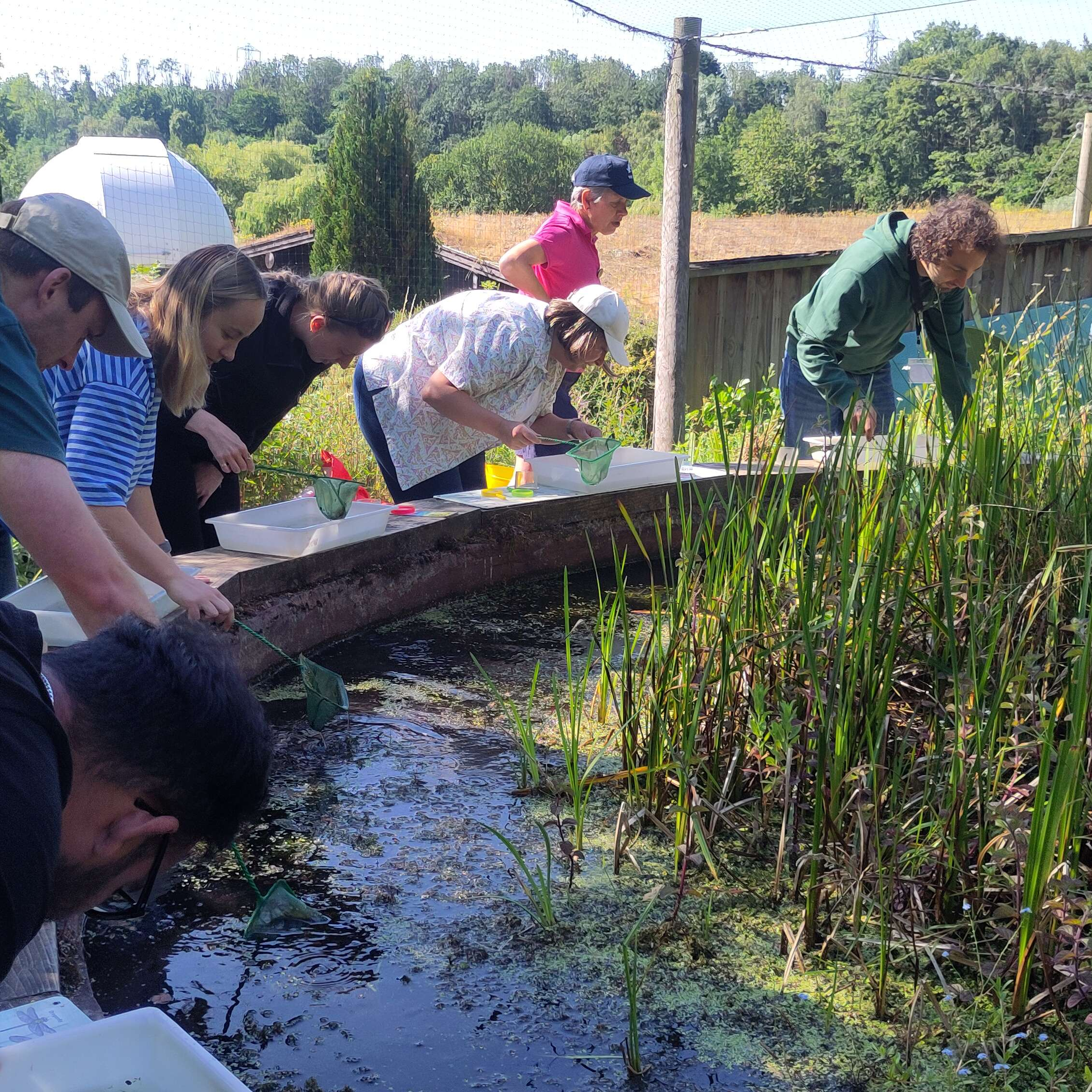
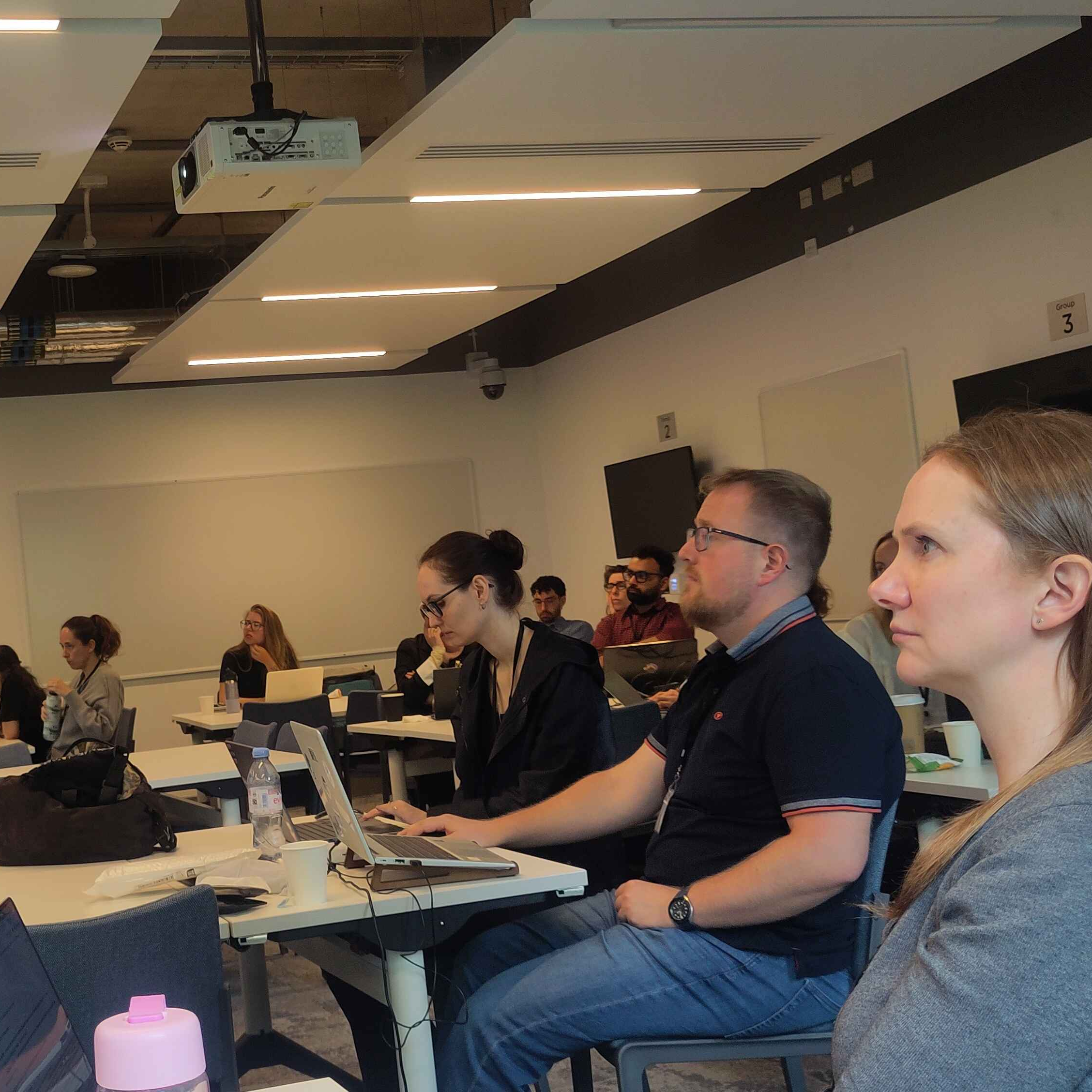
The last month saw us co-host the first Dietary Interactions in Ecology Through Sequencing (DIETS) Symposium alongside colleagues from Durham University! Mia, Jordan, Andreanna Welch and Beth Jetson have been organising the event over the last year and it was brilliant seeing it proceed smoothly! We had an absolutely incredible assemblage of international researchers who engaged wholeheartedly in talks, breakout discussions, a workshop, an excursion and all of the discussions along the way. Will, Jordan, Mia, Rosy, Ben, Bethan and Dheeraj all presented throughout the event, alongside various collaborators and friends of FERG. Check out our full write-up of the event for a longer break-down!
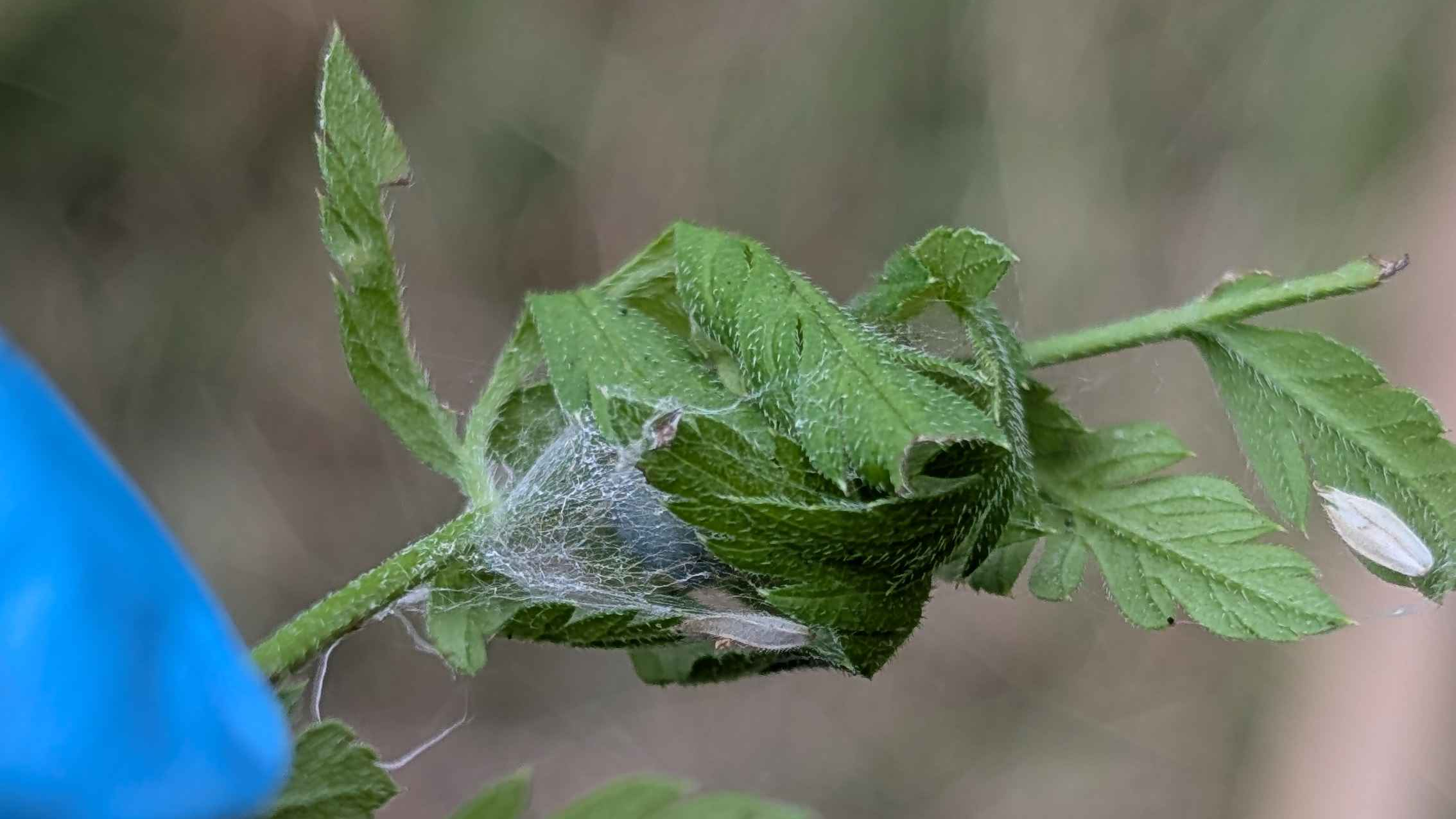
The research exchanges didn’t stop at DIETS though! Rosy spent a day showing work experience students from a local school how to identify insects from light and pitfall traps up at the experimental farm! A good time was had by all, despite a few escapee moths… Rosy also wrapped up her crab spider fieldwork for the year at the end of last month and has headed back up to the northeast to survey her candy-striped spiders! This started with nighttime surveys for marauding spiders, followed by daytime surveys for nesting mothers in their leaf-rolls.
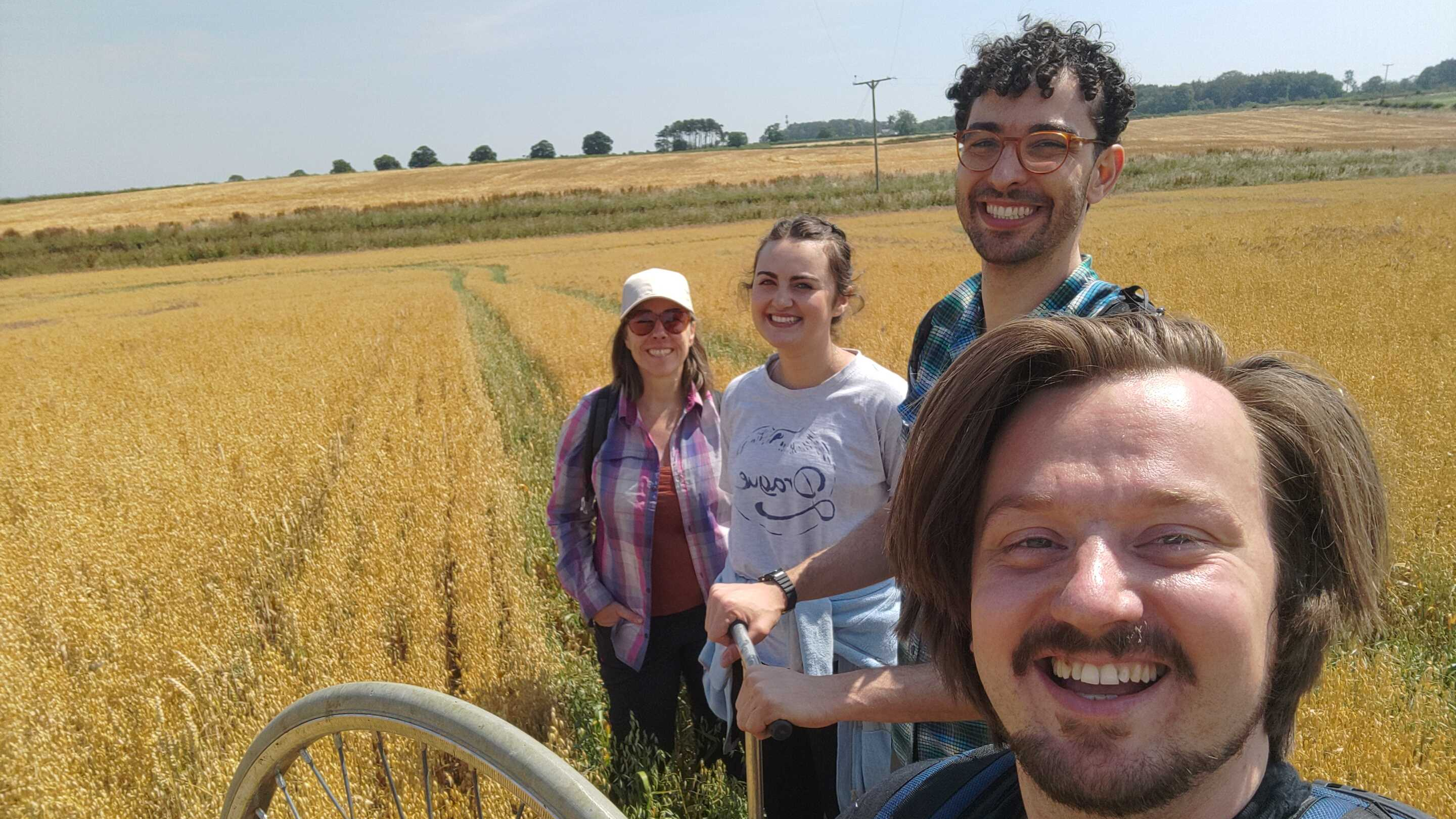
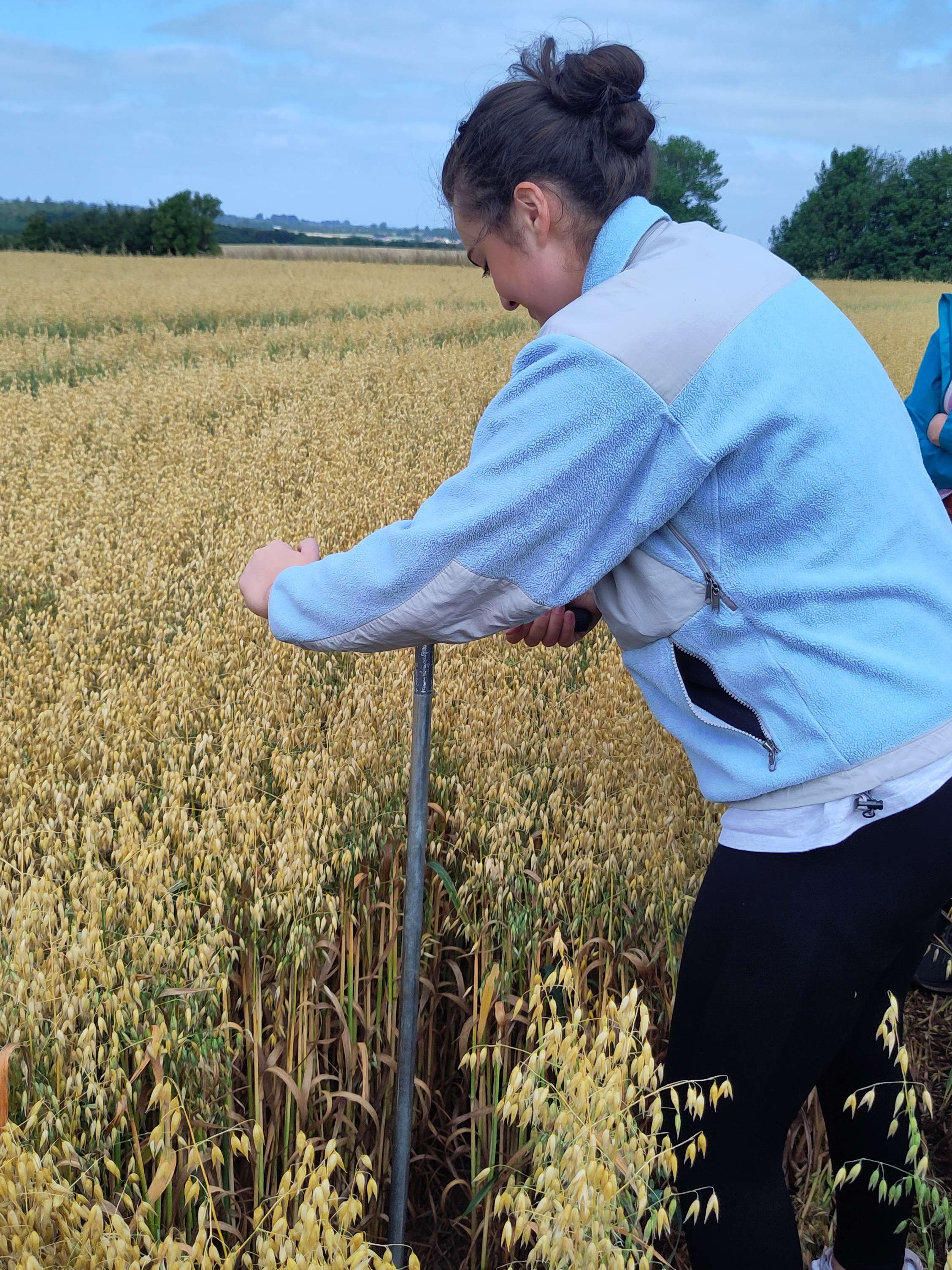
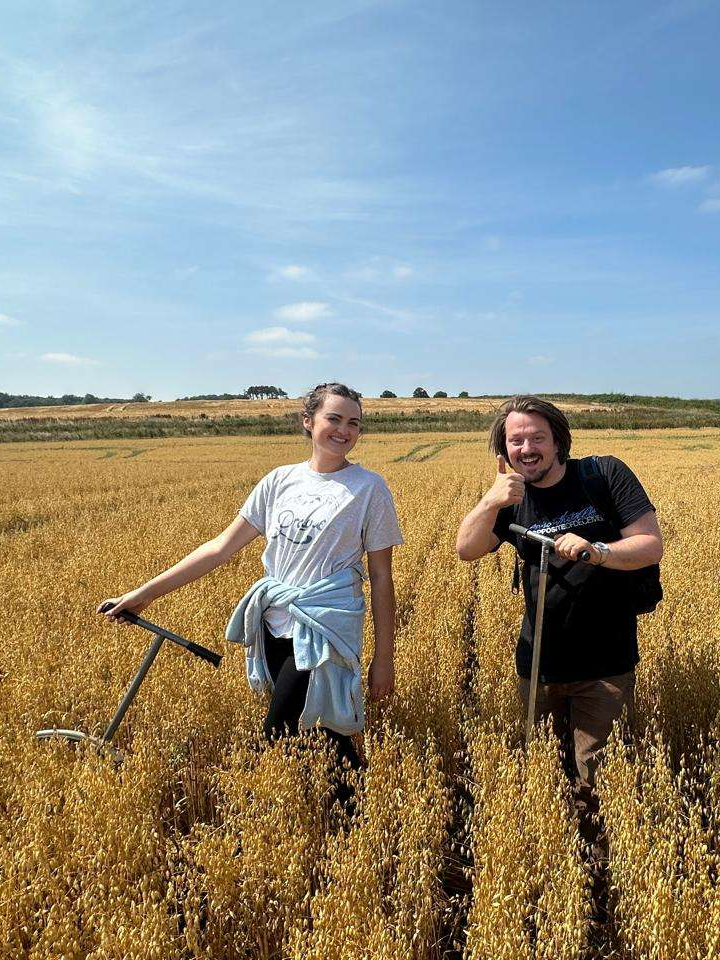
Since getting started recently, Annabel’s already been deep into her fieldwork and beetle feeding trials! With a bit of help from Raul and Florencia (a nice excuse to see the Northumberland countryside during their visits), Annabel collected ground beetles from various distances into a few crop fields. Results to follow soon!
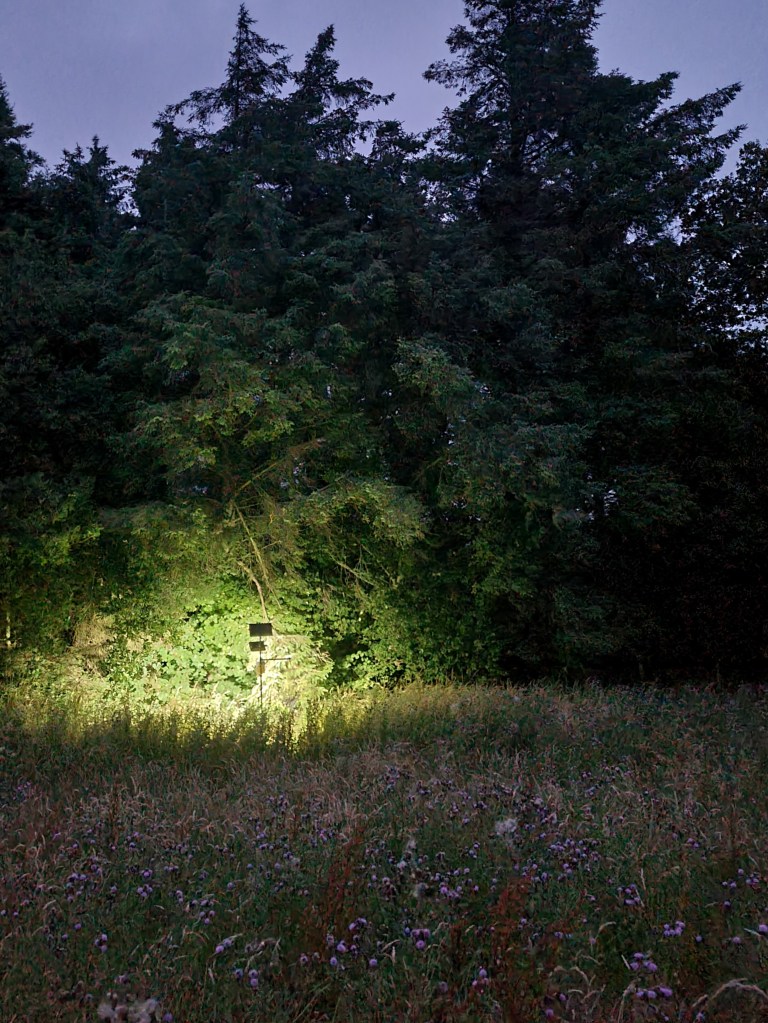
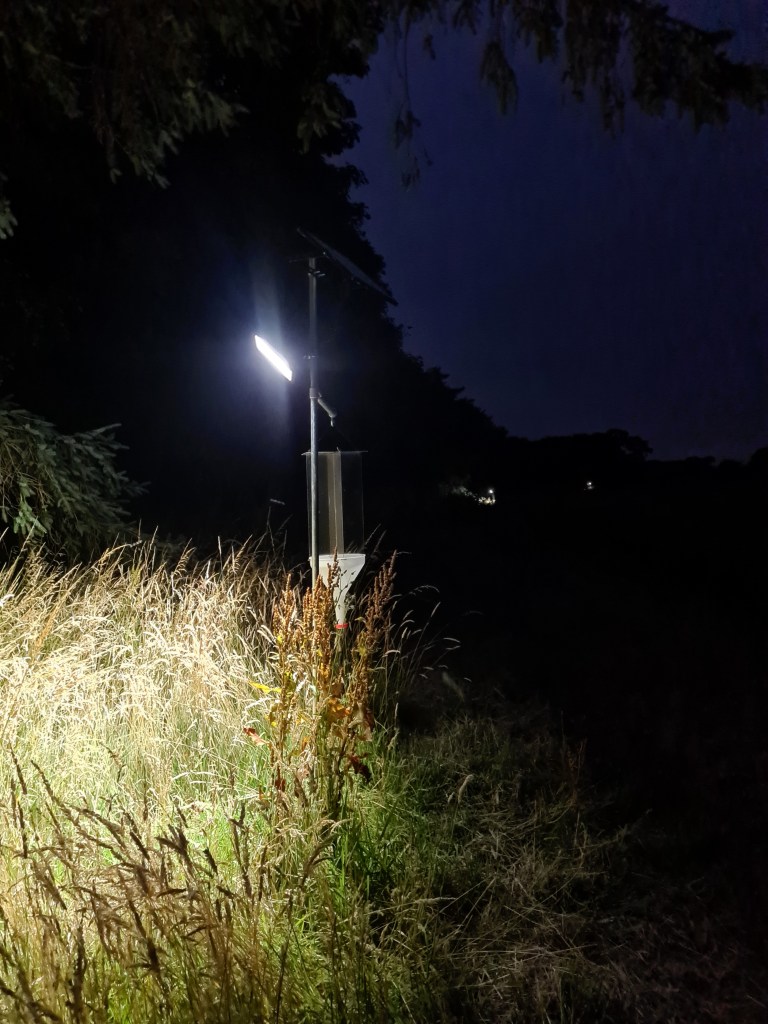
Mia’s fieldwork is nicely underway for its second year, with some beautiful pictures of her custom artificial lighting set-ups in action overnight coming through! With a few more rounds to go this year, Mia’s already getting some great samples to supplement last year’s haul. Some really exciting data to follow soon!
Research spotlight
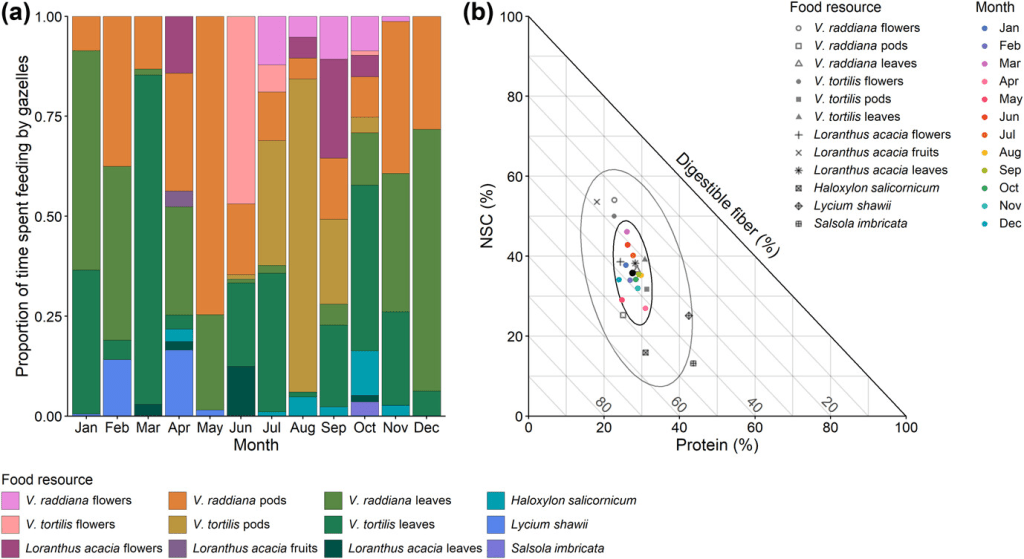
This month, we want to highlight this paper from Noa Lavie and co-authors: A recipe for recovery: diet as a decisive tool in species conservation
This paper applies the concept of animals foraging to meet their nutritional needs to the context of conservation! Given the importance of nutrition for fitness and persistence within environments, it’s intuitive that understanding nutrition is key for conservation management, but this link remains quite poorly represented. This study assessed the diet and nutrition of a critically endangered population of Acacia gazelles, Gazella arabica acacia, and compared it to the sympatric Gazella dorcas. Both species consumed different taxa, but converged on a similar nutritional niche, illustrating a lack of exploitation competition but the need for specific resources for the management of Acacia gazelle populations. A really neat example of the importance of nutritional and trophic ecology!
Taxon of the month
Our taxon of the month is the genus Attacobius within the spider family Corinnidae!
During our visit from Florencia Fernández Campón, she introduced us to these bizarre and captivating spiders following her work with them. Florencia’s paper on Attacobius focuses on the ant-based phoresy of these spiders, in which they uniquely ride on the backs of ants! Attacobius is the only genus of spiders known to engage in this kind of phoresy, but Florencia and her co-author found an Argentine species, Attacobius nigripes (Mello-Leitão, 1942), which is associated with the leaf-cutting ant Acromyrmex lobicornis Emery, 1888. This evolutionarily and ecologically fascinating association needs further exploration, and some dietary analysis of a couple of specimens that Florencia brought with her may shed some light! Check out Florencia’s paper for more descriptions and even videos!

