
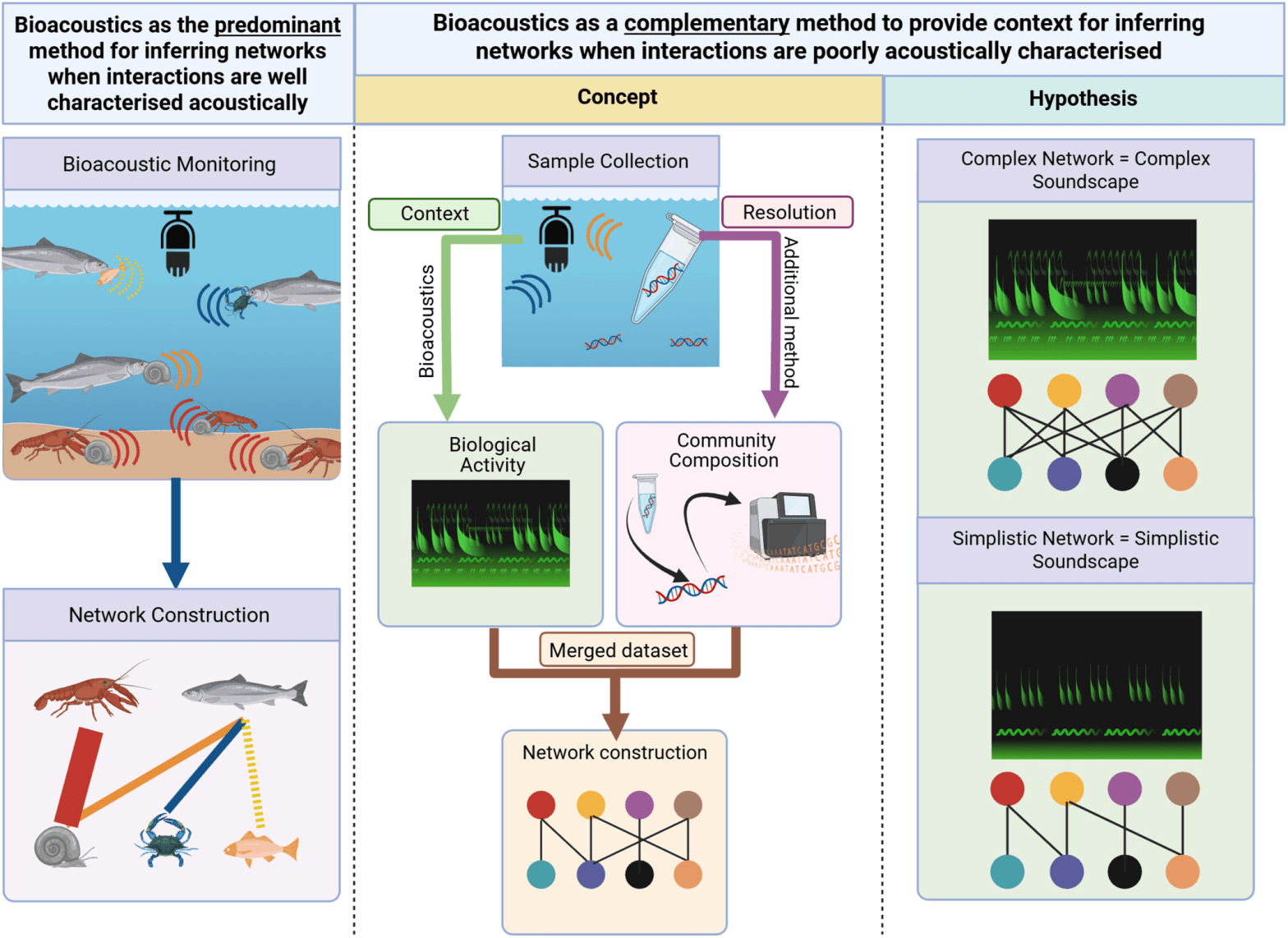
Check out this new paper that Will led alongside his PhD supervisory team across Newcastle University, Fera Science Ltd and Nottingham Trent University! Ecoacoustics for context-rich direct and indirect trophic interaction data and ecological network construction Ecoacoustics can be used to monitor biodiversity across massive spatiotemporal scales, including in ecologically cryptic systems like soil, yetContinueContinue reading “NEW PAPER: Ecoacoustics for context-rich direct and indirect trophic interaction data and ecological network construction”
Category Archives: Outputs
New preprint: Arthropod predator nutrient content changes with crop sowing period with implications for biocontrol
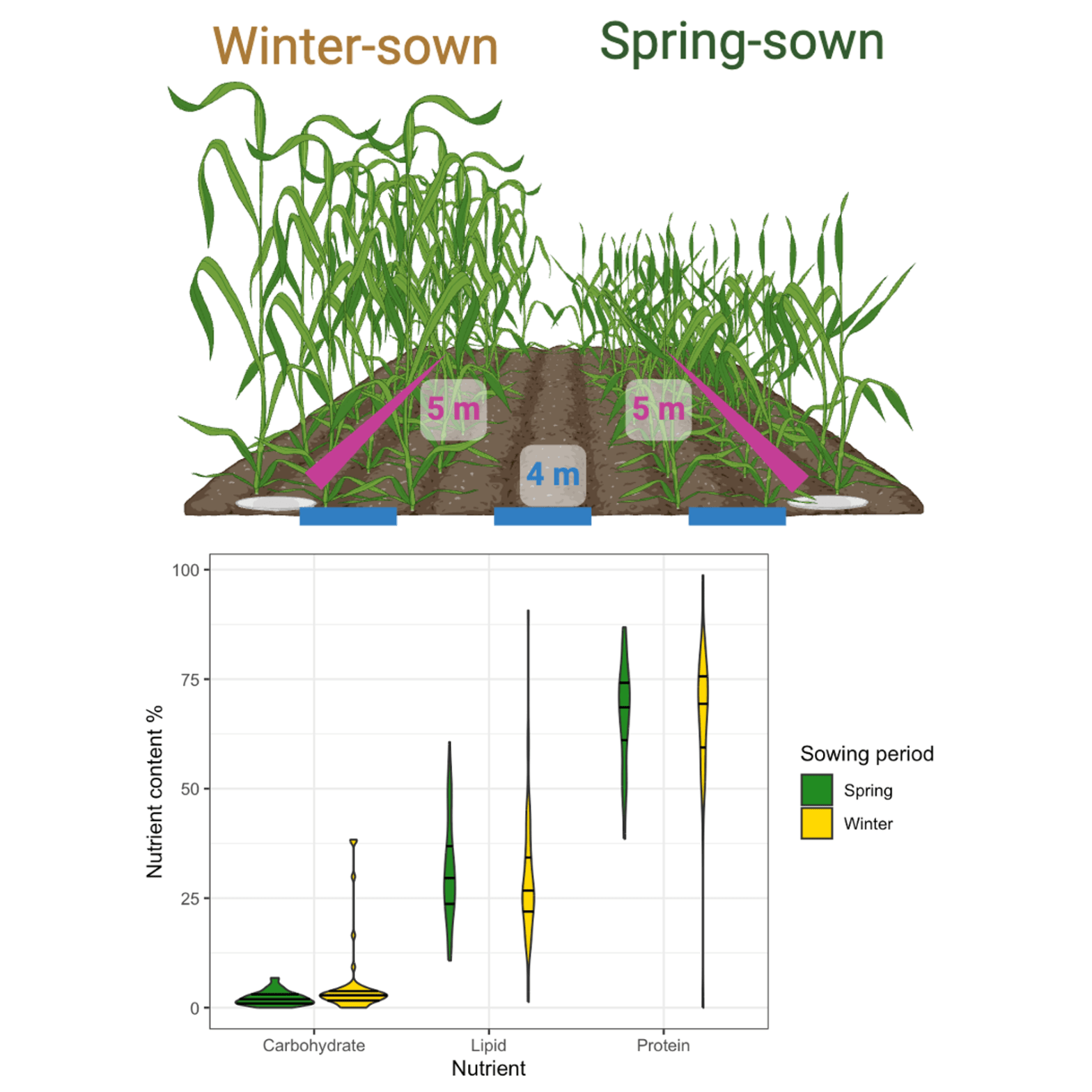
Check out our new preprint on bioRxiv, led collaboratively by Rosy and Rebecca, titled “Arthropod predator nutrient content changes with crop sowing period with implications for biocontrol”! This paper shows that the sowing time of crops can have important nutritional consequences for their arthropod communities, with the macronutrient contents of arthropod predators differing significantly betweenContinueContinue reading “New preprint: Arthropod predator nutrient content changes with crop sowing period with implications for biocontrol”
FERG joined NEG in hosting EcoNet 2025!

Following the last Symposium on Ecological Networks (EcoNet) in Israel in 2023 (which was the topic of one of our first blog posts), Darren Evans of the Network Ecology Group (NEG) was approached to host the next EcoNet. Darren asked Jordan, Katherine Baldock of Northumbria University, Madeleine Fabusova from NEG and Shai Pilosof from theContinueContinue reading “FERG joined NEG in hosting EcoNet 2025!”
Check out Jordan’s talk about nutritional networks for entoLIVE on YouTube!
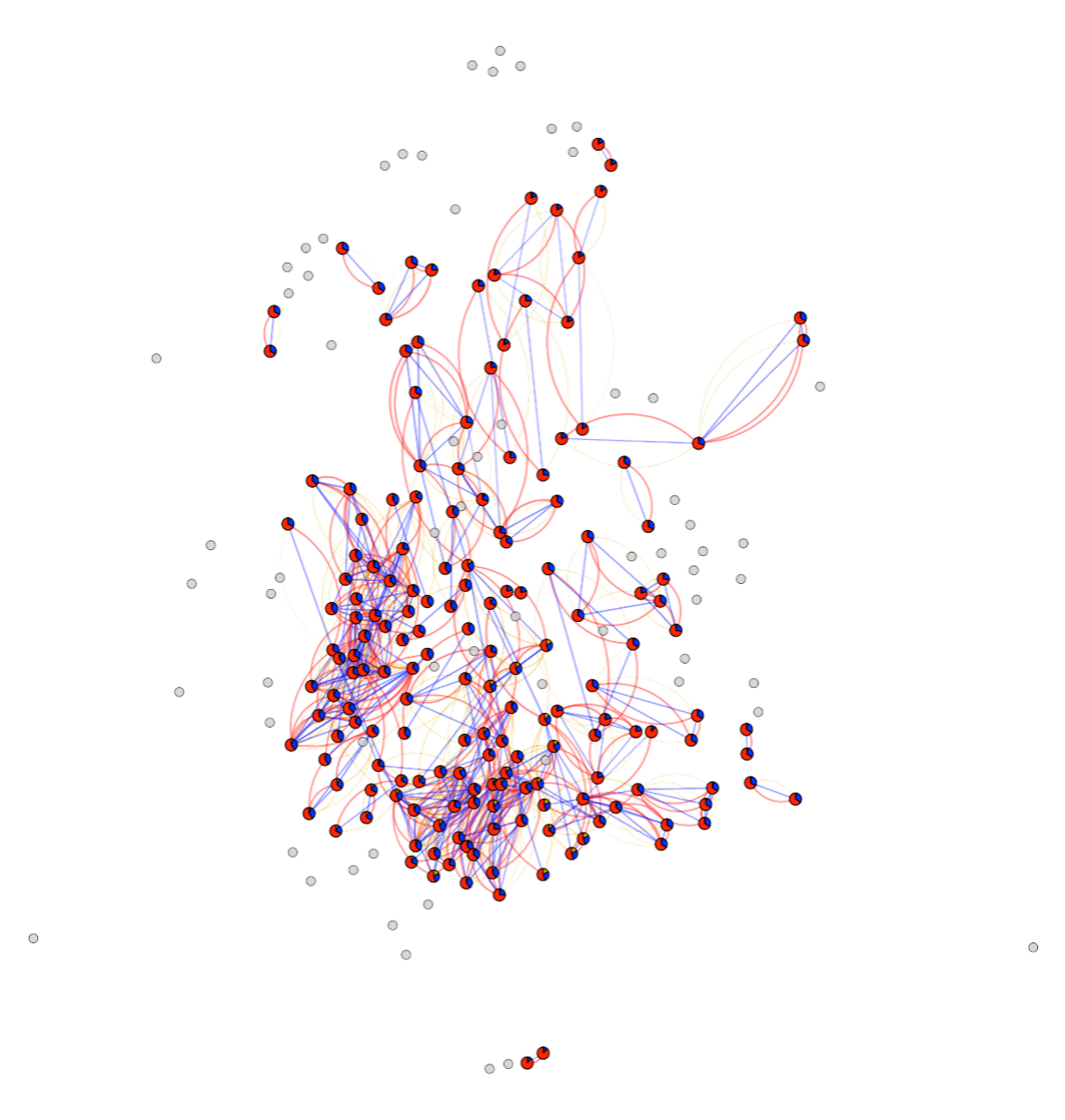
Jordan recently gave a talk for entoLIVE about recent and ongoing FERG research focused on nutritional networks, including some hot-off-the-press results for a couple of upcoming publications, and some fun new analogies for prey choice and network robustness. If you’re devastated that you missed it, fear not – it’s been immortalised on YouTube! Check outContinueContinue reading “Check out Jordan’s talk about nutritional networks for entoLIVE on YouTube!”
New preprint: Ecoacoustics for context-rich direct and indirect trophic interaction data and ecological network construction
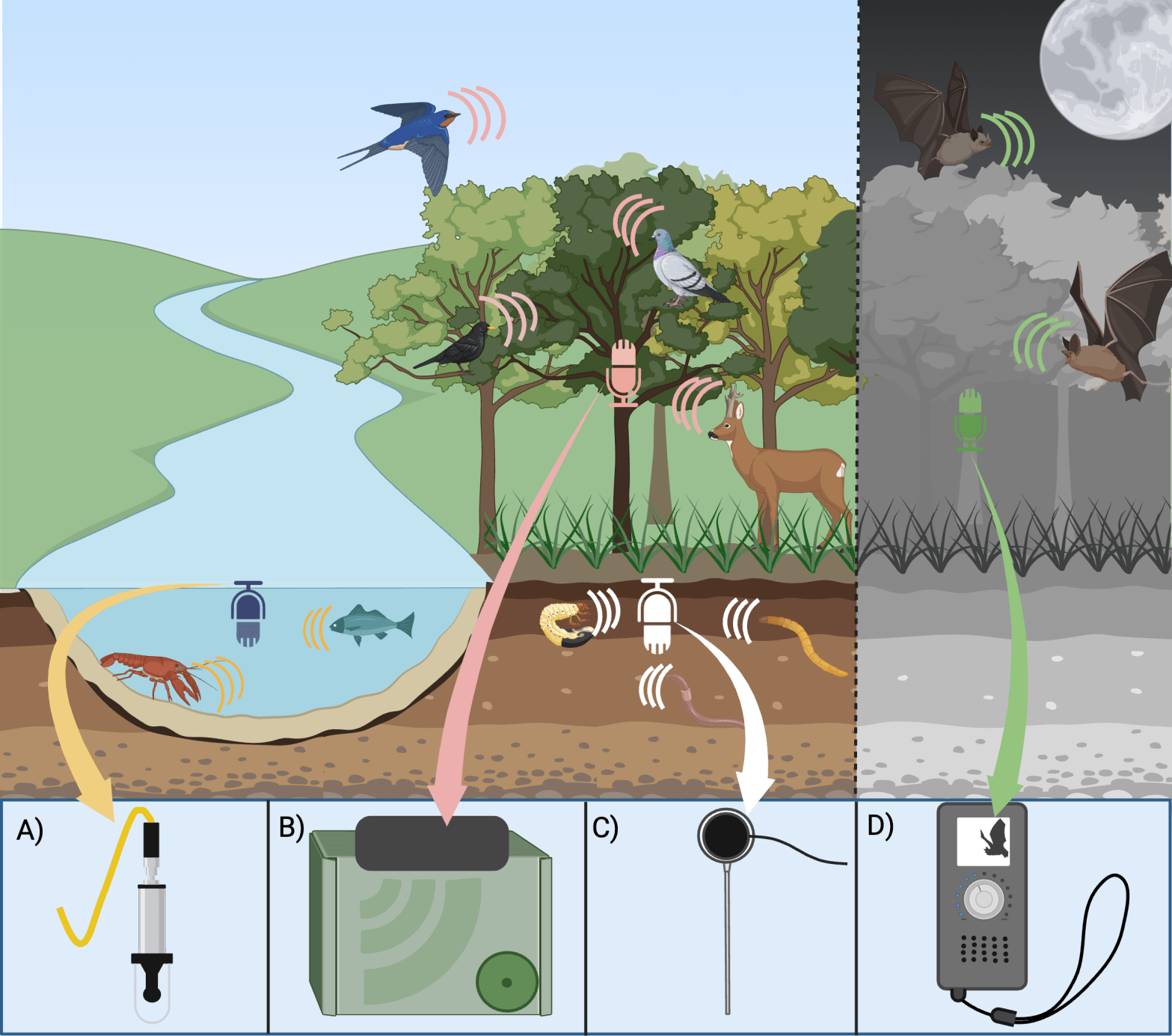
Check out this new preprint that Will led alongside his PhD supervisory team across Newcastle University, Fera Science Ltd and Nottingham Trent University! Ecoacoustics can be used to monitor biodiversity across massive spatiotemporal scales, including in ecologically cryptic systems like soil, yet its application to the detection and characterisation of predator-prey interactions remains poorly developed.ContinueContinue reading “New preprint: Ecoacoustics for context-rich direct and indirect trophic interaction data and ecological network construction”
NEW PAPER: Threatened endemic arthropods and vertebrates partition their diets with non-native ants in an isolated island ecosystem

Check out this new paper led by long-term FERG collaborator Max Tercel, which Jordan contributed to: Threatened endemic arthropods and vertebrates partition their diets with non-native ants in an isolated island ecosystem Invasive species are among the greatest threats to biodiversity in the 21st century, and ants are among the most ecologically damaging. In thisContinueContinue reading “NEW PAPER: Threatened endemic arthropods and vertebrates partition their diets with non-native ants in an isolated island ecosystem”
Rosy published in the British Arachnological Society Newsletter!
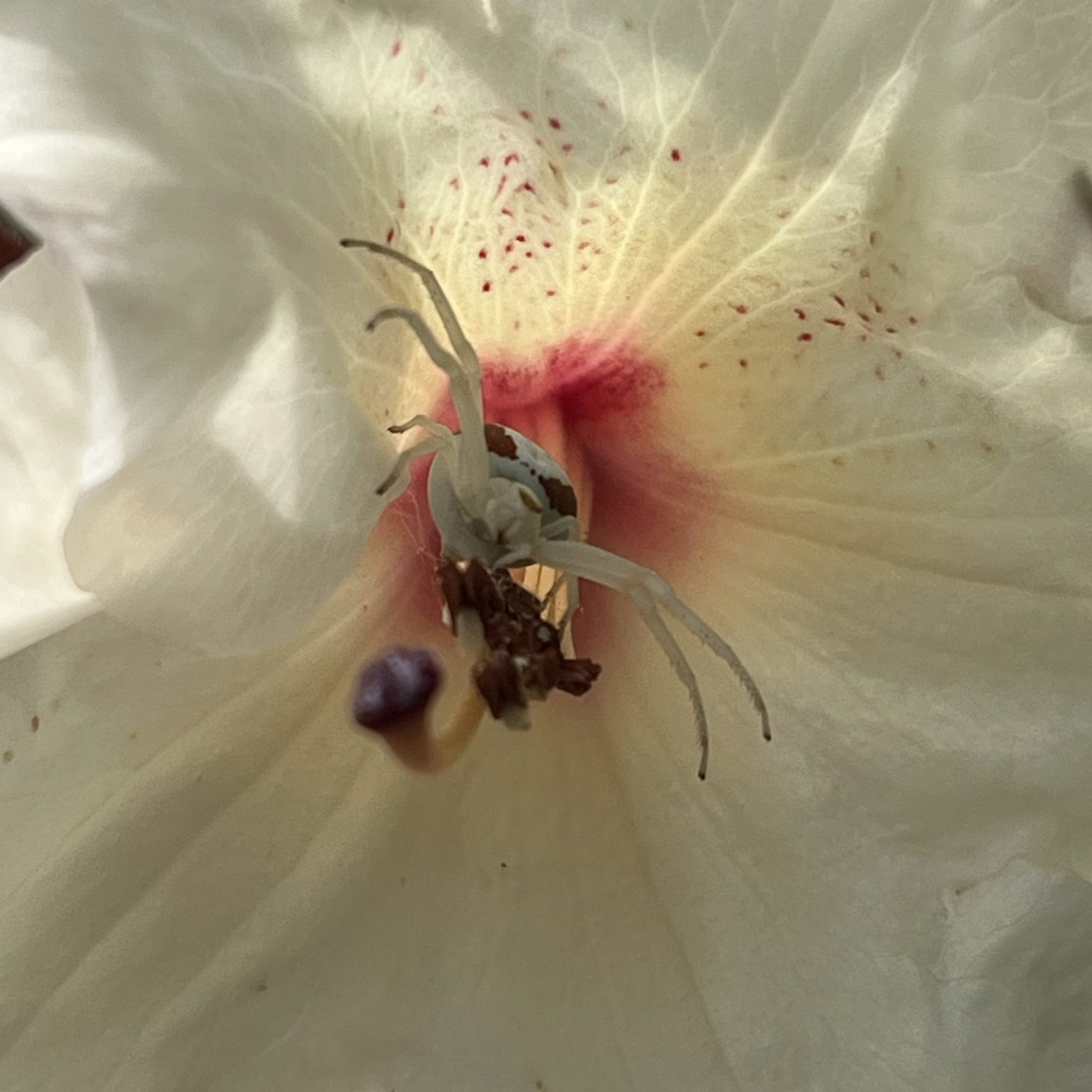
Following a successful start to Rosy’s ‘Spider Spies’ project (which you can read all about here), she has published an article all about it in the British Arachnological Society Newsletter! The article describes these wonderful spiders, why Rosy is looking to collect them and any records of them, and what Rosy’s wider work on themContinueContinue reading “Rosy published in the British Arachnological Society Newsletter!”
NEW PAPER: Aquatic biological invasions exacerbate nutritional and health inequities
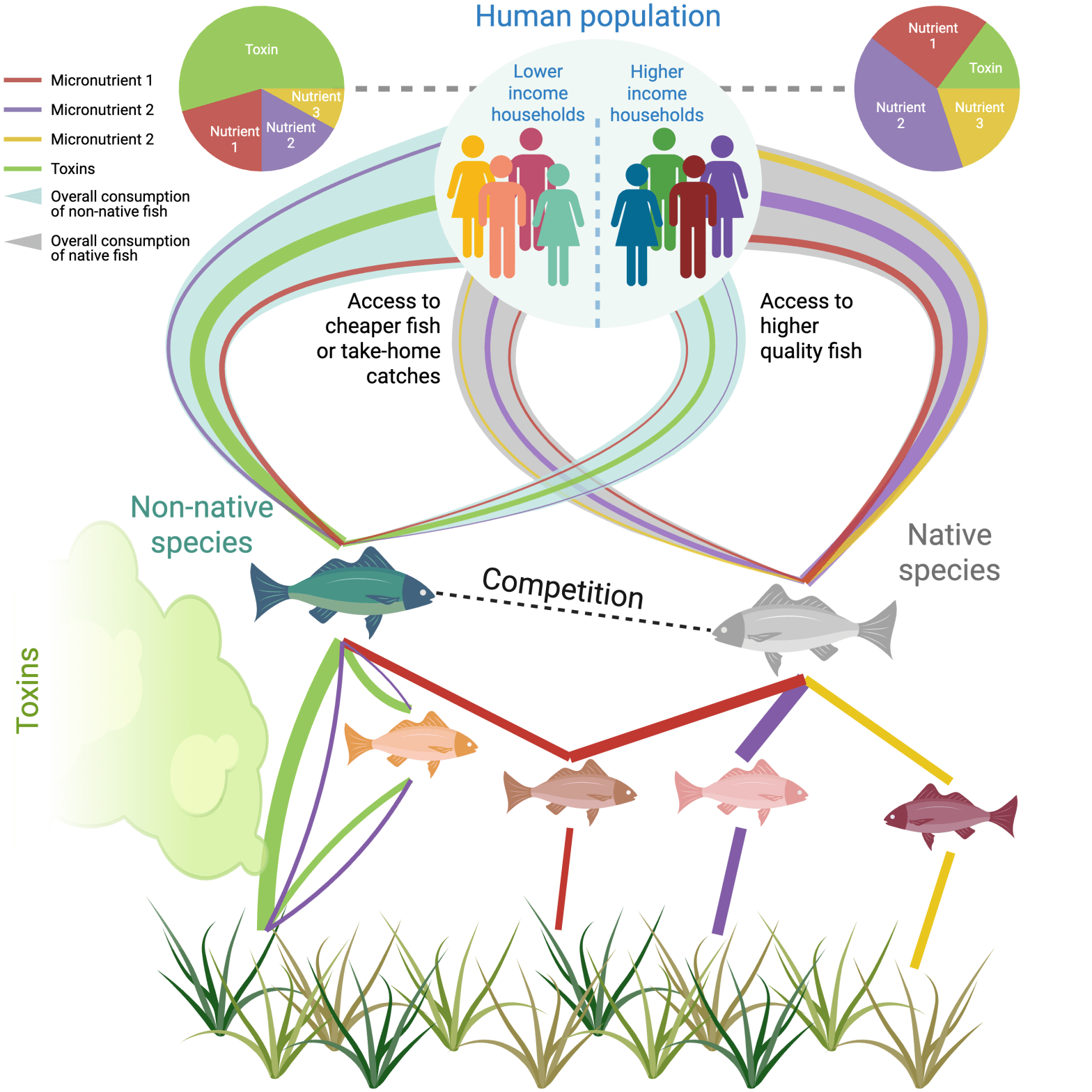
Check out this new paper led by Josie South from University of Leeds, which Jordan contributed to: Aquatic biological invasions exacerbate nutritional and health inequities This research extends the concept of nutritional networks (developed by and continuing to evolve within FERG) to social-ecological networks. The flow of nutrients through ecological systems naturally influences the nutrientsContinueContinue reading “NEW PAPER: Aquatic biological invasions exacerbate nutritional and health inequities”
Basem published some of his previous research on chickpea Ascochyta blight!

Check out Basem’s new paper, published in Arab Journal Of Plant Protection: Genetic diversity and mating type distribution of Ascochyta rabiei populations affecting chickpea This paper is an outcome of Basem’s previous work with the International Center for Agricultural Research in The Dry Areas (ICARDA) in Lebanon. The paper investigates the genetic diversity and matingContinueContinue reading “Basem published some of his previous research on chickpea Ascochyta blight!”
NEW PAPER: Spatio-temporal variation in diet among age and sex cohorts of a model generalist bird species, the great tit Parus major: new insights revealed by DNA metabarcoding

Check out this new paper which Jordan contributed to, led by Jenny Coomes, who Jordan co-PhDed with: Spatio-temporal variation in diet among age and sex cohorts of a model generalist bird species, the great tit Parus major: new insights revealed by DNA metabarcoding This study used dietary metabarcoding to characterise the diets of great titsContinueContinue reading “NEW PAPER: Spatio-temporal variation in diet among age and sex cohorts of a model generalist bird species, the great tit Parus major: new insights revealed by DNA metabarcoding”
 Foraging Ecology Research Group