
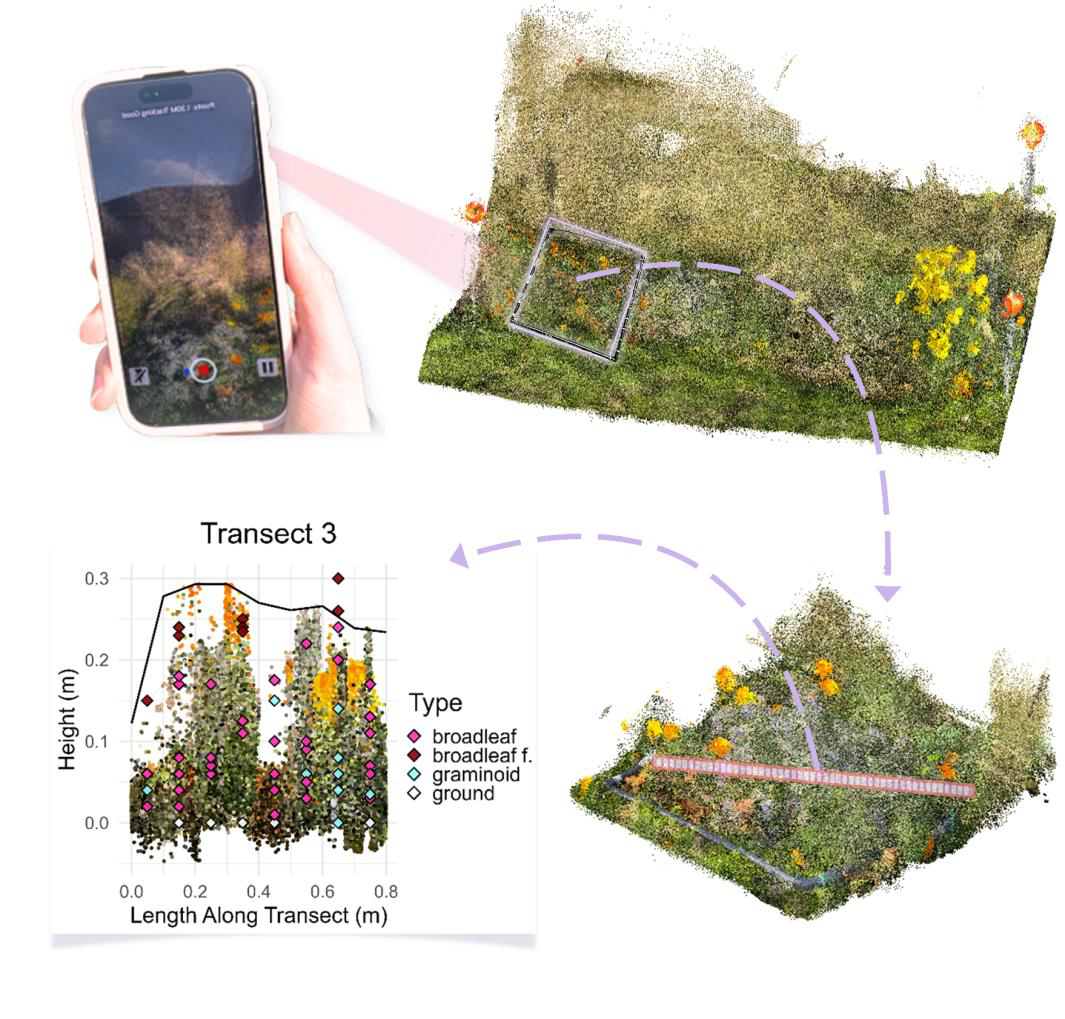
Check out this new preprint, now live on EcoEvoRxiv, led by Broghan as part of her PhD work on remote sensing of vegetation structure! iPhone lidar can accurately capture fine-scale understorey vegetation structure Complex vegetation structure increases ecosystem resilience, but fine-scale understorey vegetation is often overlooked in monitoring despite subtle variation impacting overall diversity. iPhone lidarContinueContinue reading “New preprint: iPhone lidar can accurately capture fine-scale understorey vegetation structure”
Category Archives: Preprints
New preprint: Local and biogeographical determinants of the diversity and structure of invertebrate communities in rot holes of ash, Fraxinus excelsior
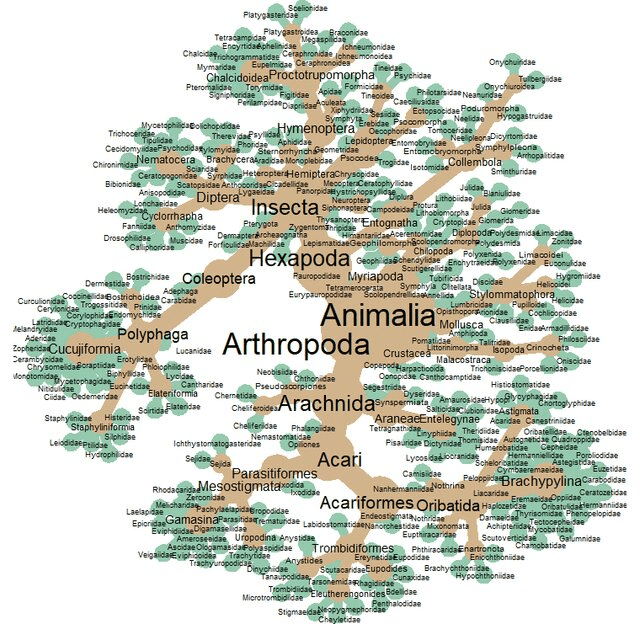
Check out this new preprint, now live on bioRxiv, led by Will as an output from his previous work at Cardiff University! Will’s research at Cardiff University was based on rot-hole invertebrates, much like Jordan’s was before he started his PhD. What a small world! Local and biogeographical determinants of the diversity and structure ofContinueContinue reading “New preprint: Local and biogeographical determinants of the diversity and structure of invertebrate communities in rot holes of ash, Fraxinus excelsior”
New preprint: Insects as agents of national security: entomological biodiversity loss and ecosystem collapse in agriculture and forestry threaten geopolitical stability
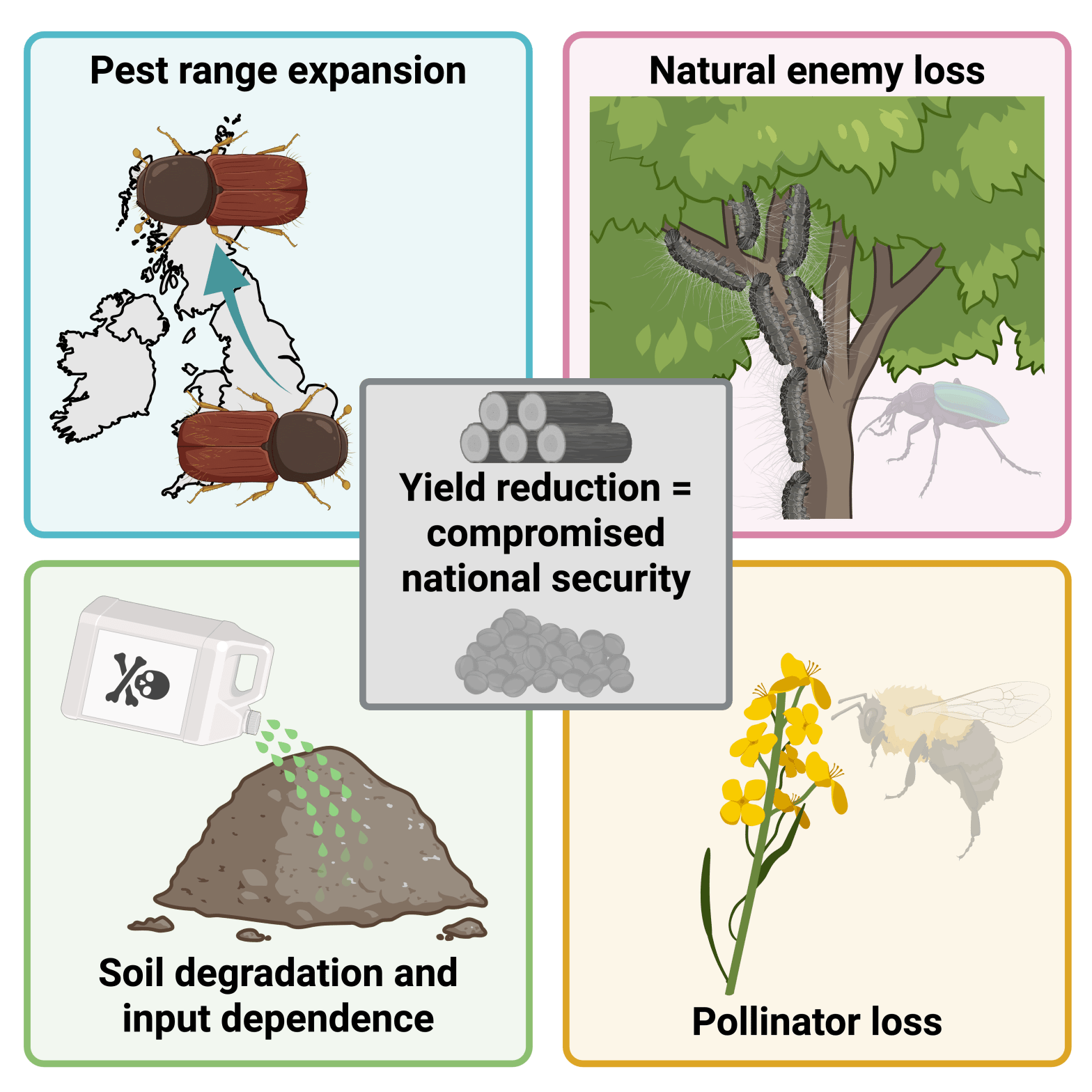
Check out this new preprint, now live on EcoEvoRxiv, co-led by Mia and Ben alongside seven other members of FERG (Will, Rosy, Rebecca, Jack, Bethan, Lucy and Jordan): Insects as agents of national security: entomological biodiversity loss and ecosystem collapse in agriculture and forestry threaten geopolitical stability A summary of five key drivers of long-termContinueContinue reading “New preprint: Insects as agents of national security: entomological biodiversity loss and ecosystem collapse in agriculture and forestry threaten geopolitical stability”
New preprint: Bridging nutritional geometry and network ecology to quantify the robustness of nutritional networks
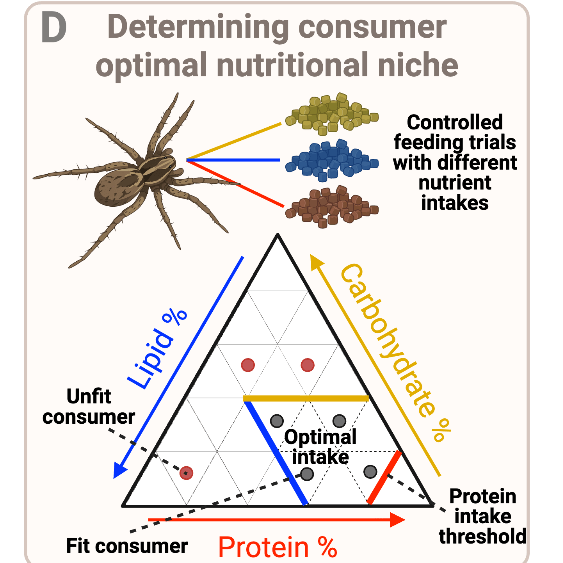
Check out this new preprint, now live on EcoEvoRxiv, led by Jordan alongside an all-star team of network ecologists, nutritional geometrists and trophic ecologists: Bridging nutritional geometry and network ecology to quantify the robustness of nutritional networks A proposed workflow for quantifying nutritional network robustness. Understanding the robustness and resilience of ecological networks is keyContinueContinue reading “New preprint: Bridging nutritional geometry and network ecology to quantify the robustness of nutritional networks”
New preprint: Urbanization effects are trait-specific and city-dependent across a widespread spider’s global range
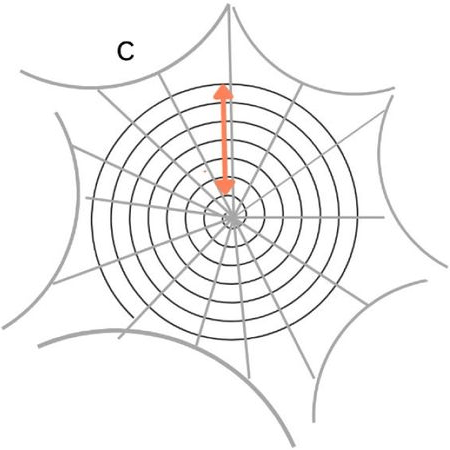
Check out this new preprint, now live on bioRxiv, led by Bram Vanthournout as part of a massive intercontinental investigation of urbanisation effects on spider ecology and morphology: Urbanization effects are trait-specific and city-dependent across a widespread spider’s global range Graphical representation of the measured phenotypic traits: spider body length (a), abdomen surface area (b,ContinueContinue reading “New preprint: Urbanization effects are trait-specific and city-dependent across a widespread spider’s global range”
New preprint: Evaluating the potential of molecular dietary analysis of predators for the detection of emerging plant pests
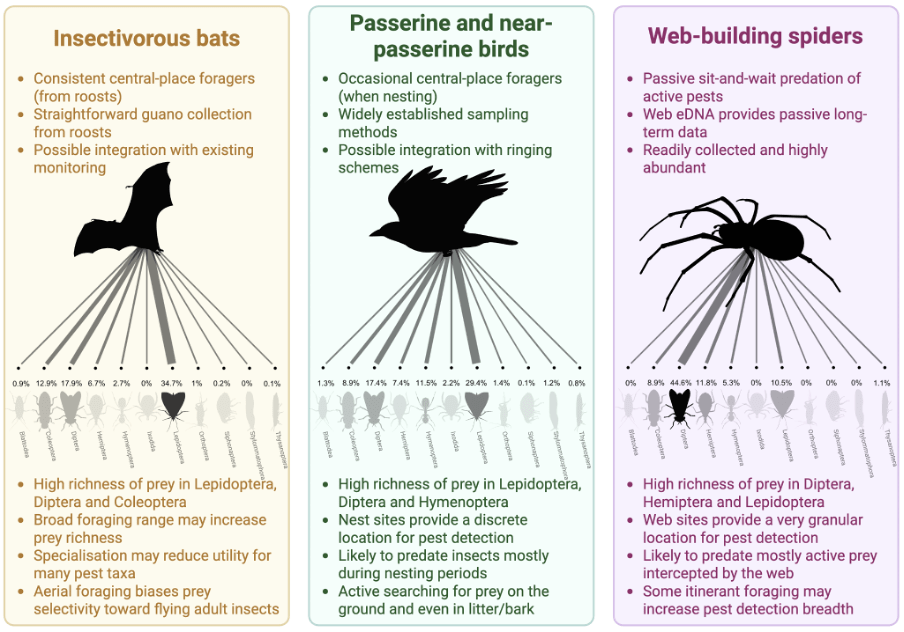
Check out this new preprint, now live on EcoEvoRxiv, from a Scottish Government-commissioned collaboration across Forest Research, Fera Science Ltd. and Newcastle University, led by Kyle Miller: Evaluating the potential of molecular dietary analysis of predators for the detection of emerging plant pests Monitoring plant pests is crucial for maximising yields across agricultural and forestContinueContinue reading “New preprint: Evaluating the potential of molecular dietary analysis of predators for the detection of emerging plant pests”
New preprint: Expanding the sentinel approach through multimodal integration: resolving underlying ecological processes with eDNA and computer vision
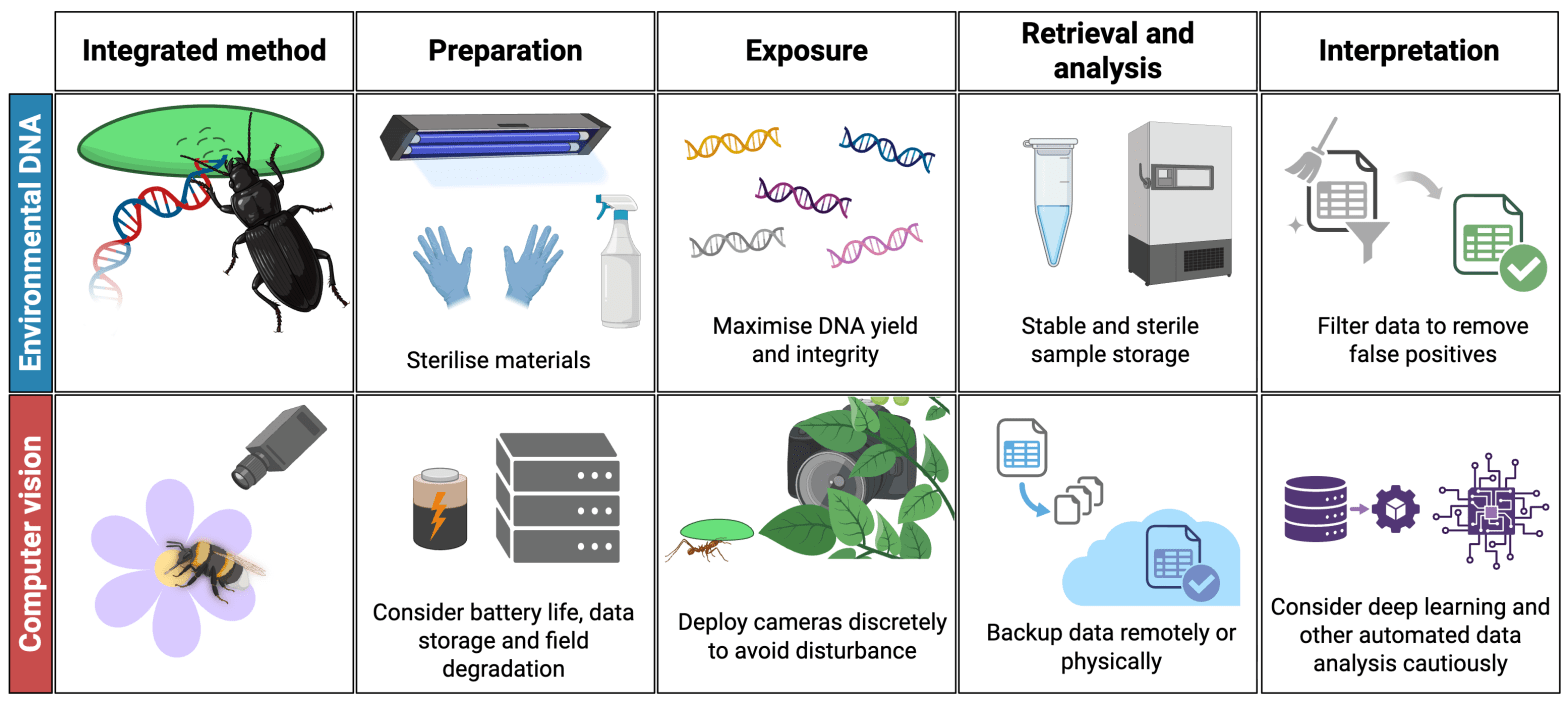
Check out this new preprint, now live on EcoEvoRxiv, from a collaboration co-led by Jordan and Yuval Cohen: Expanding the sentinel approach through multimodal integration: resolving underlying ecological processes with eDNA and computer vision Sentinel approaches can quantify in-field ecological interactions and processes in a semi-controlled way, also reducing bias and labour. The assignment ofContinueContinue reading “New preprint: Expanding the sentinel approach through multimodal integration: resolving underlying ecological processes with eDNA and computer vision”
New preprint: Reintroducing a nationally extinct predator, the forest caterpillar hunter (Calosoma sycophanta), for biocontrol of the invasive oak processionary (Thaumetopoea processionea) in Britain: considerations, benefits and risks
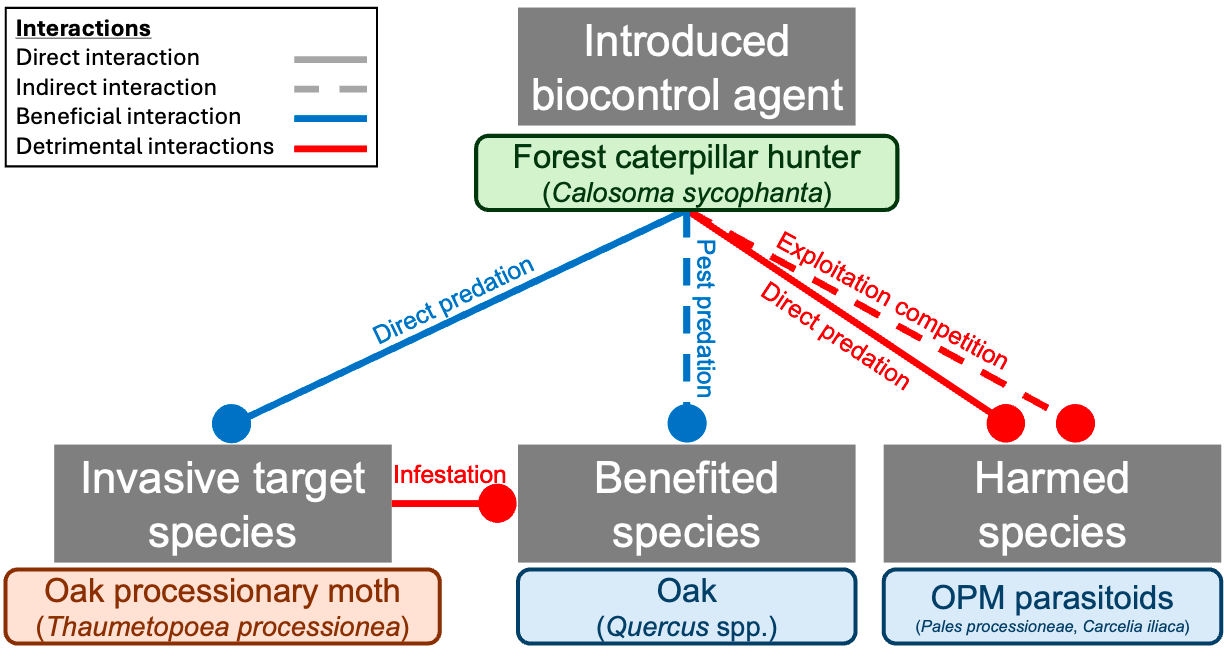
Check out this new preprint, now live on EcoEvoRxiv, from an ongoing collaboration with Forest Research on oak processionary moth biocontrol: Reintroducing a nationally extinct predator, the forest caterpillar hunter (Calosoma sycophanta), for biocontrol of the invasive oak processionary (Thaumetopoea processionea) in Britain: considerations, benefits and risks The oak processionary moth (Thaumetopoea processionea; OPM) isContinueContinue reading “New preprint: Reintroducing a nationally extinct predator, the forest caterpillar hunter (Calosoma sycophanta), for biocontrol of the invasive oak processionary (Thaumetopoea processionea) in Britain: considerations, benefits and risks”
NEW PAPER: Ecoacoustics for context-rich direct and indirect trophic interaction data and ecological network construction
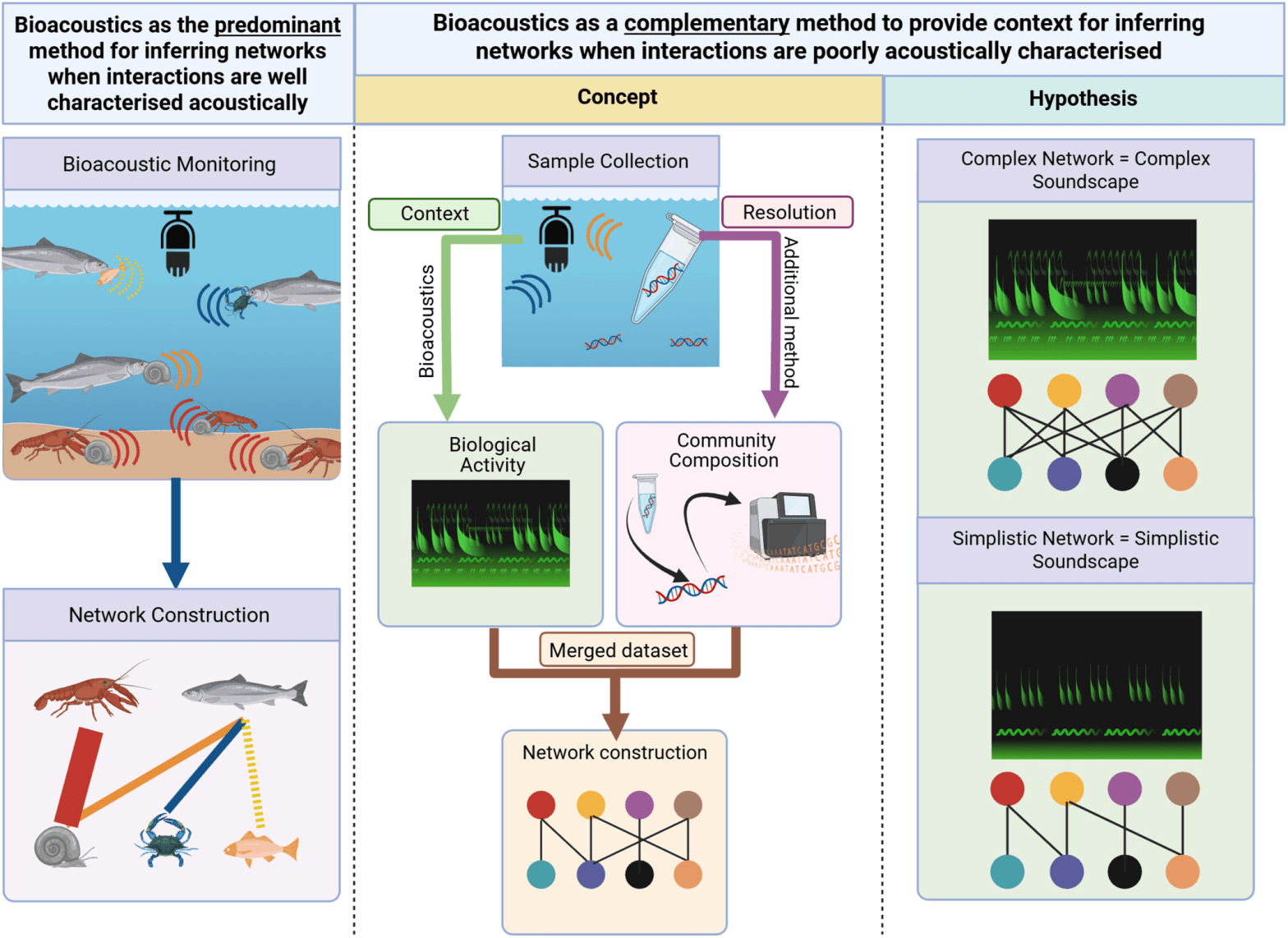
Check out this new paper that Will led alongside his PhD supervisory team across Newcastle University, Fera Science Ltd and Nottingham Trent University! Ecoacoustics for context-rich direct and indirect trophic interaction data and ecological network construction Ecoacoustics can be used to monitor biodiversity across massive spatiotemporal scales, including in ecologically cryptic systems like soil, yetContinueContinue reading “NEW PAPER: Ecoacoustics for context-rich direct and indirect trophic interaction data and ecological network construction”
New preprint: Arthropod predator nutrient content changes with crop sowing period with implications for biocontrol
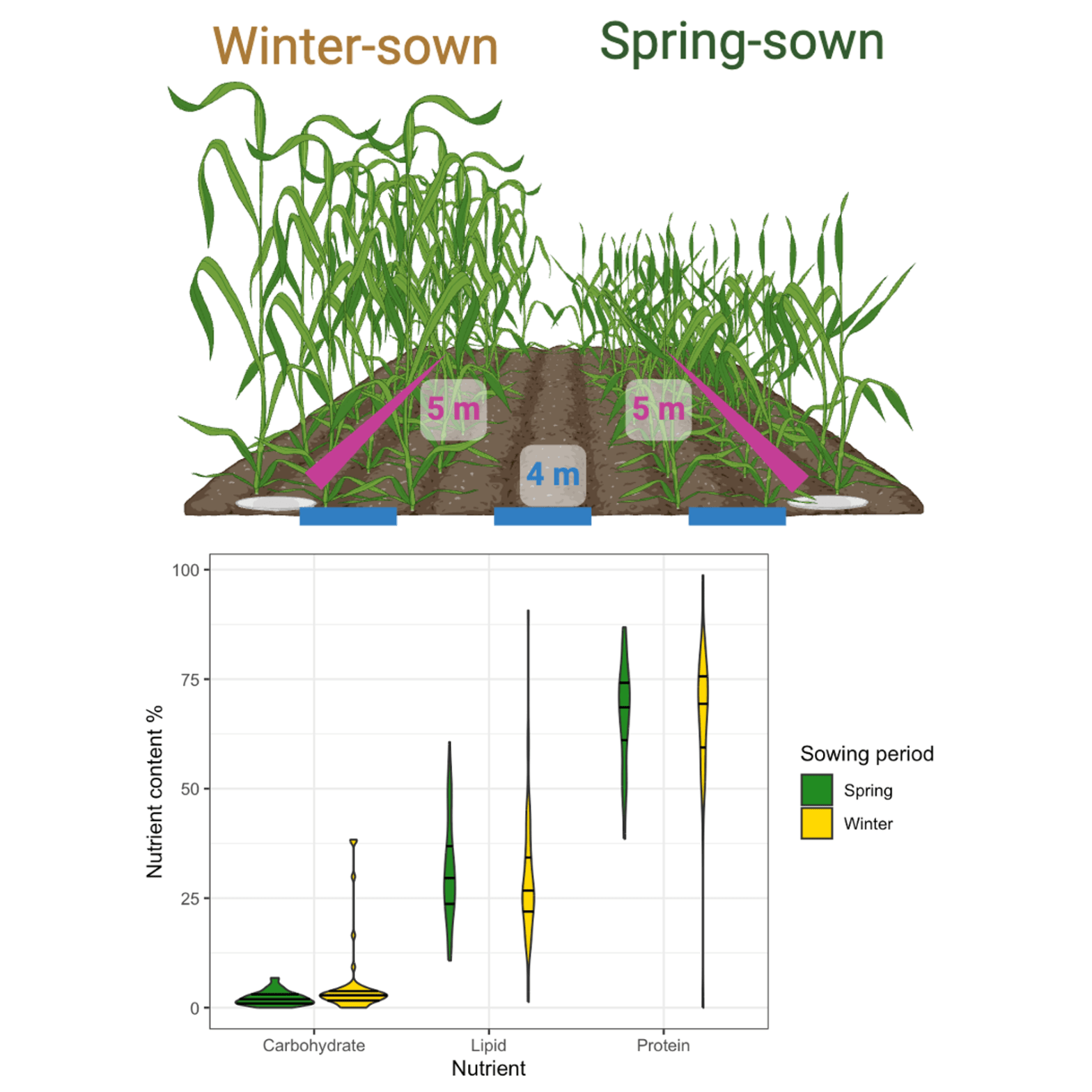
Check out our new preprint on bioRxiv, led collaboratively by Rosy and Rebecca, titled “Arthropod predator nutrient content changes with crop sowing period with implications for biocontrol”! This paper shows that the sowing time of crops can have important nutritional consequences for their arthropod communities, with the macronutrient contents of arthropod predators differing significantly betweenContinueContinue reading “New preprint: Arthropod predator nutrient content changes with crop sowing period with implications for biocontrol”

