

Check out the latest paper from the group: Prey nutrient content is associated with the trophic interactions of spiders and their prey selection under field conditions! We show that the interactions of spiders relate to prey nutrient contents and this is likely driving prey preferences, which vary nutritionally between spider genera, life stages and sexes!ContinueContinue reading “NEW PAPER: Prey nutrient content is associated with the trophic interactions of spiders and their prey selection under field conditions”
Category Archives: Papers
NEW PAPER: Networking nutrients: How nutrition determines the structure of ecological networks

Check out this exciting new paper! Networking nutrients: How nutrition determines the structure of ecological networks We provide a synthesis on the interface between nutritional and network ecology and demonstrate its potential for ecological research. Nutrients determine the frequency and identity of interactions, and ecosystem services and function. They therefore also play a significant roleContinueContinue reading “NEW PAPER: Networking nutrients: How nutrition determines the structure of ecological networks”
NEW PAPER: Understanding trophic interactions in a warming world by bridging foraging ecology and biomechanics with network science

Check out this paper from a collaboration between Jordan, David Labonte (Evolutionary Biomechanics Group, Imperial College London) and Fred Windsor (Freshwater Networks Lab, Cardiff University): Understanding trophic interactions in a warming world by bridging foraging ecology and biomechanics with network science As average global temperatures increase, ecological processes are set to become increasingly disrupted andContinueContinue reading “NEW PAPER: Understanding trophic interactions in a warming world by bridging foraging ecology and biomechanics with network science”
NEW PAPER: Ecology, natural history, and conservation status of Scolopendra abnormis, a threatened centipede endemic to Mauritius

Check out this new paper that Jordan contributed toward, led by long-time FERG collaborator Max Tercel: Ecology, natural history, and conservation status of Scolopendra abnormis, a threatened centipede endemic to Mauritius Dietary detections in the gut of Scolopendra abnormis. Scolopendra abnormis is an incredible scolopendromorph centipede endemic to two islands off the coast of Mauritius.ContinueContinue reading “NEW PAPER: Ecology, natural history, and conservation status of Scolopendra abnormis, a threatened centipede endemic to Mauritius”
NEW PAPER: Biomonitoring of biocontrol across the full annual cycle in temperate climates
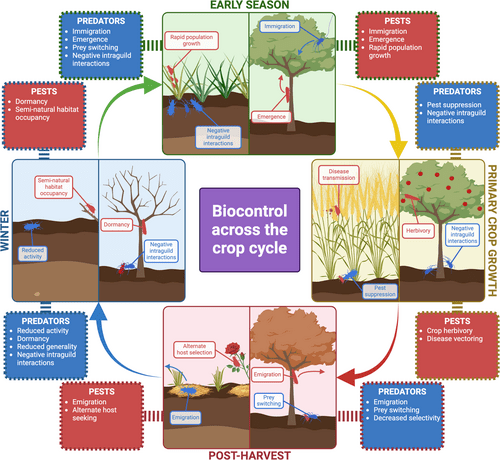
Check out this new paper just published in Agricultural and Forest Entomology: Biomonitoring of biocontrol across the full annual cycle in temperate climates: Post-harvest, winter and early-season interaction data and methodological considerations for its collection What’s going on in our agricultural fields when we stop looking? A lot of biocontrol that current monitoring and researchContinueContinue reading “NEW PAPER: Biomonitoring of biocontrol across the full annual cycle in temperate climates”
NEW PAPER: Metabarcoding advances agricultural invertebrate biomonitoring by enhancing resolution, increasing throughput and facilitating network inference
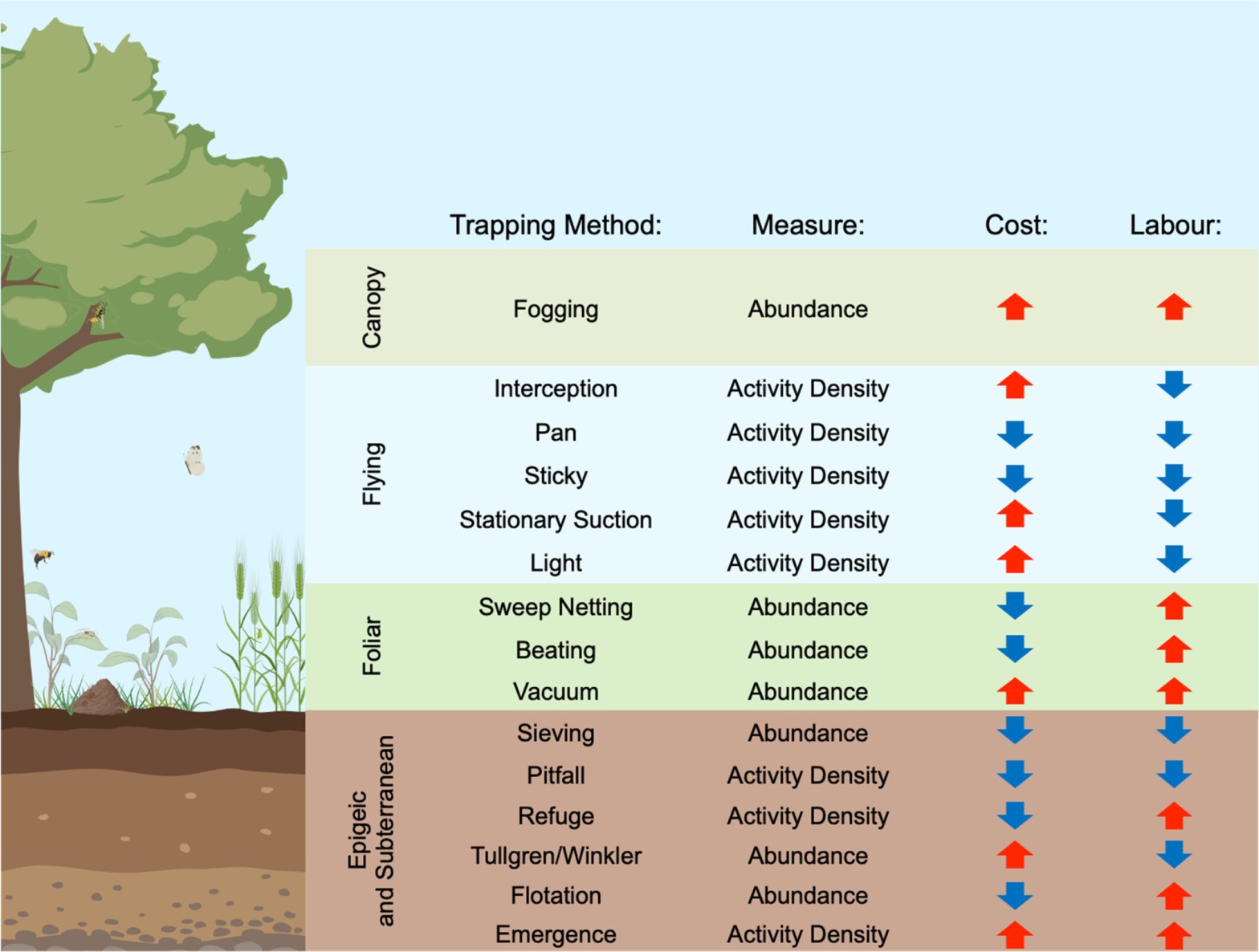
Massive congratulations to Ben on publishing his first first-author paper in Agricultural and Forest Entomology! Check it out: Metabarcoding advances agricultural invertebrate biomonitoring by enhancing resolution, increasing throughput and facilitating network inference Ben’s review summarises the current applications of metabarcoding to agricultural biomonitoring, best practices for newcomers and seasoned metabarcoders alike, and how this slotsContinueContinue reading “NEW PAPER: Metabarcoding advances agricultural invertebrate biomonitoring by enhancing resolution, increasing throughput and facilitating network inference”
NEW PAPER: Identifying archived insect bulk samples using DNA metabarcoding: A case study using the long-term Rothamsted Insect Survey
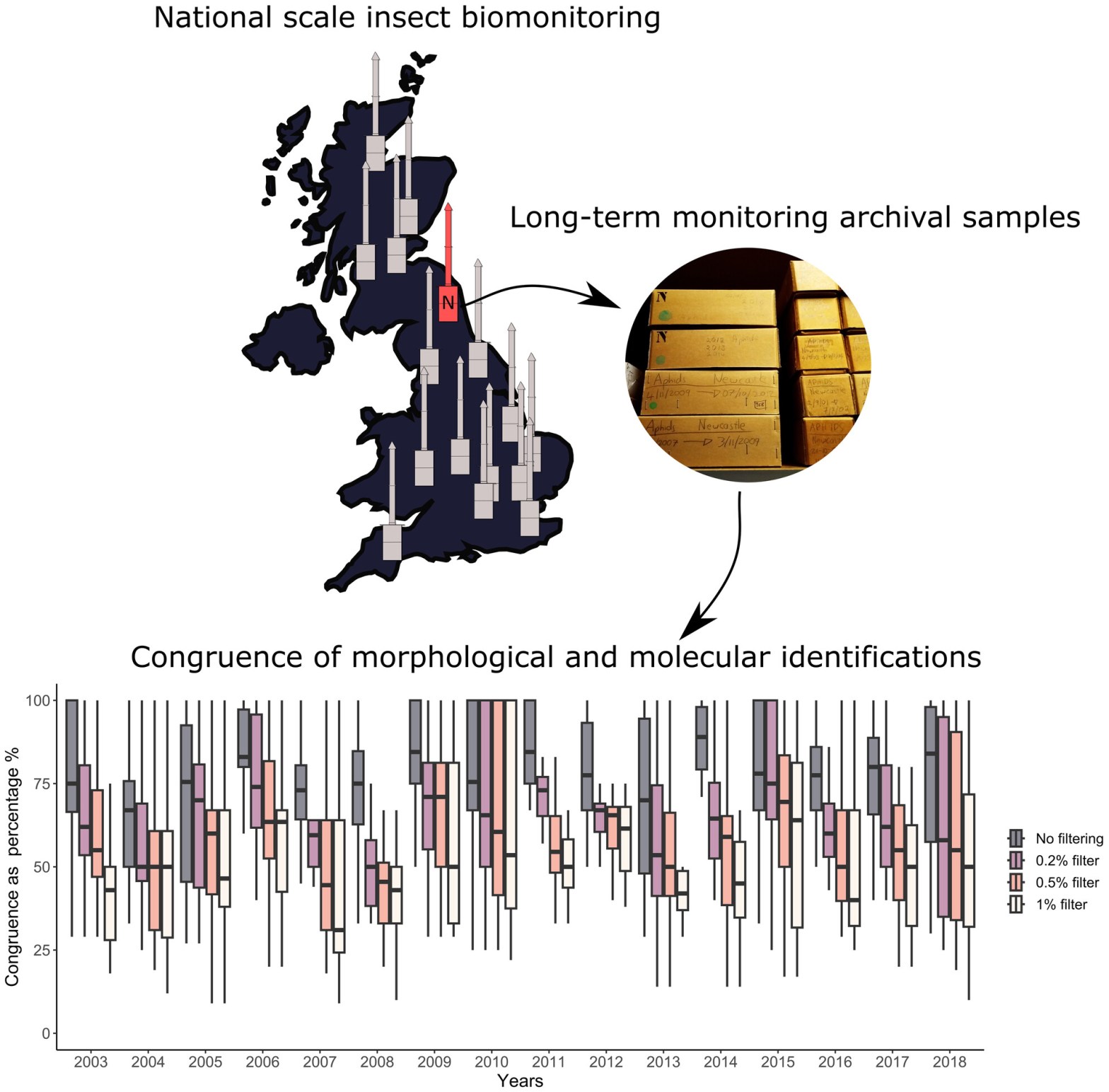
Check out this new paper published in Environmental DNA from Dimitrios Petsopoulos from the Network Ecology Group and co-authors: Identifying archived insect bulk samples using DNA metabarcoding: A case study using the long-term Rothamsted Insect Survey Dimitrios led a study that demonstrates the compatibility of DNA metabarcoding with long-term insect monitoring schemes, using the RothamstedContinueContinue reading “NEW PAPER: Identifying archived insect bulk samples using DNA metabarcoding: A case study using the long-term Rothamsted Insect Survey”
NEW PAPER: The case for open research in entomology: Reducing harm, refining reproducibility and advancing insect science

Check out this new paper, published in Agricultural and Forest Entomology! “The case for open research in entomology: Reducing harm, refining reproducibility and advancing insect science” Open research is crucial for scientific advancement and has been successfully adopted across many disciplines. Entomology has, however, been slow to adopt it, despite some really important ethical and practicalContinueContinue reading “NEW PAPER: The case for open research in entomology: Reducing harm, refining reproducibility and advancing insect science”
NEW PAPER: Sources of prey availability data alter interpretation of outputs from prey choice null networks

Check out our new paper, published in Ecological Entomology! “Sources of prey availability data alter interpretation of outputs from prey choice null networks” The data we use to assess prey choice in the field can drastically change what we find. This may be intuitive, but it’s also a little more complicated than you might think…ContinueContinue reading “NEW PAPER: Sources of prey availability data alter interpretation of outputs from prey choice null networks”
NEW PAPER: Temporal variation in spider trophic interactions is explained by the influence of weather on prey communities, web building and prey choice

This new paper uses multivariate analysis and null network models to investigate how weather impacts the prey communities, diet, foraging choices and web structures of spiders in cereal crops, and how these data could be used to inform predictive models.
 Foraging Ecology Research Group