
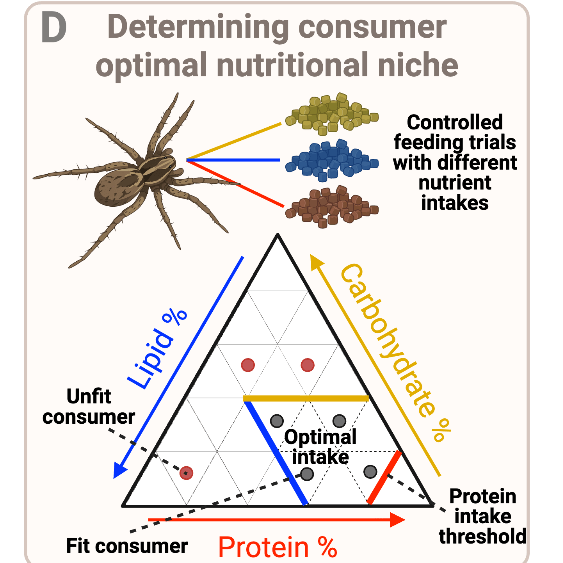
Check out this new preprint, now live on EcoEvoRxiv, led by Jordan alongside an all-star team of network ecologists, nutritional geometrists and trophic ecologists: Bridging nutritional geometry and network ecology to quantify the robustness of nutritional networks A proposed workflow for quantifying nutritional network robustness. Understanding the robustness and resilience of ecological networks is keyContinueContinue reading “New preprint: Bridging nutritional geometry and network ecology to quantify the robustness of nutritional networks”
Author Archives: jordancuff
FERG News July 2026
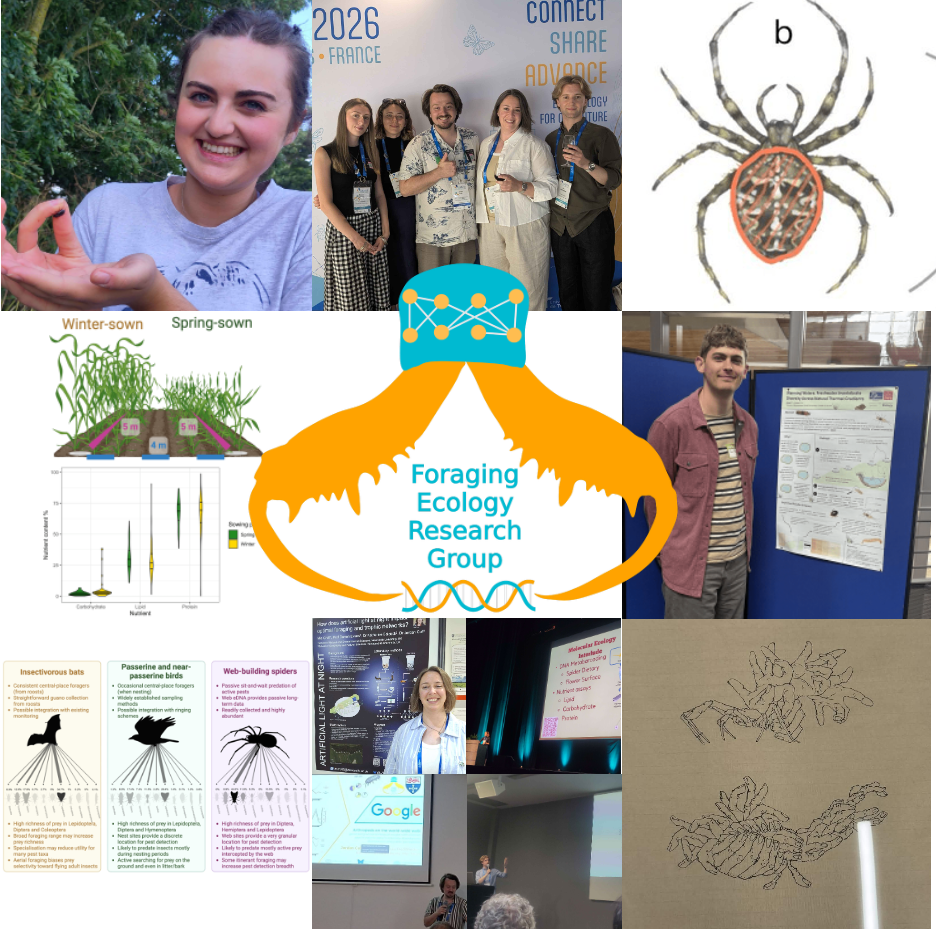
It’s been an incredibly busy time with conferences, meetings, fieldwork and publications, hence a later-than-usual entry to FERG News! Check out some of what we’ve been up to in June below, and we’ll have an equally exciting update to share in the coming weeks for July too! If you want to keep up with ourContinueContinue reading “FERG News July 2026”
FERG at the European Congress of Entomology 2026 in Tours, France!

A few of us recently took to the European Congress of Entomology in Tours, France to present our work, meet some exceptional entomologists from around the world and enjoy the atmosphere of a thriving hub of international research! Read below for some of the highlights! Ben, Mia, Rebecca and Jordan arriving for a week ofContinueContinue reading “FERG at the European Congress of Entomology 2026 in Tours, France!”
New preprint: Urbanization effects are trait-specific and city-dependent across a widespread spider’s global range
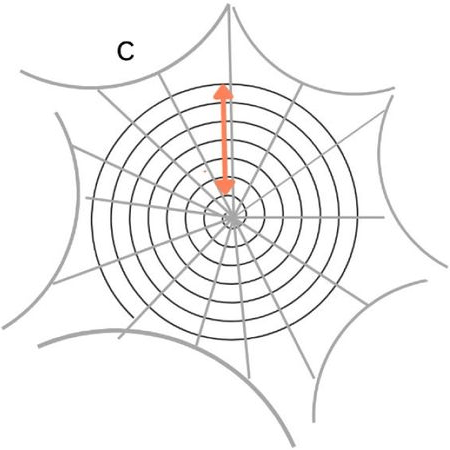
Check out this new preprint, now live on bioRxiv, led by Bram Vanthournout as part of a massive intercontinental investigation of urbanisation effects on spider ecology and morphology: Urbanization effects are trait-specific and city-dependent across a widespread spider’s global range Graphical representation of the measured phenotypic traits: spider body length (a), abdomen surface area (b,ContinueContinue reading “New preprint: Urbanization effects are trait-specific and city-dependent across a widespread spider’s global range”
NEW PAPER: Arthropod predator nutrient content changes with wheat sowing period but is not driven by prey availability
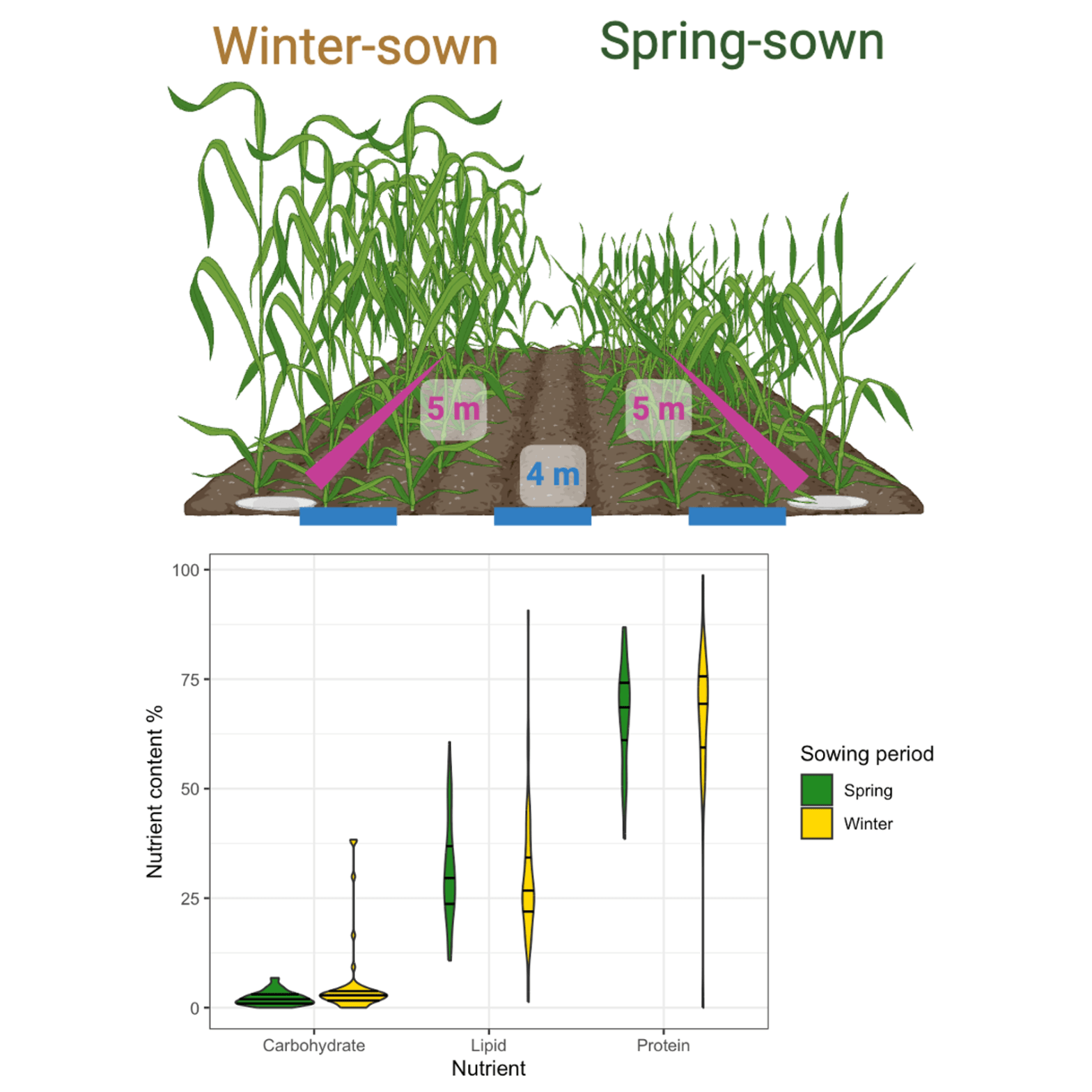
Check out this new paper, led collaboratively by Rosy and Rebecca, now published in Bulletin of Entomological Research! Arthropod predator nutrient content changes with crop sowing period with implications for biocontrol The paper shows that the sowing time of crops can have important nutritional consequences for their arthropod communities, with the macronutrient contents of arthropodContinueContinue reading “NEW PAPER: Arthropod predator nutrient content changes with wheat sowing period but is not driven by prey availability”
New preprint: Evaluating the potential of molecular dietary analysis of predators for the detection of emerging plant pests
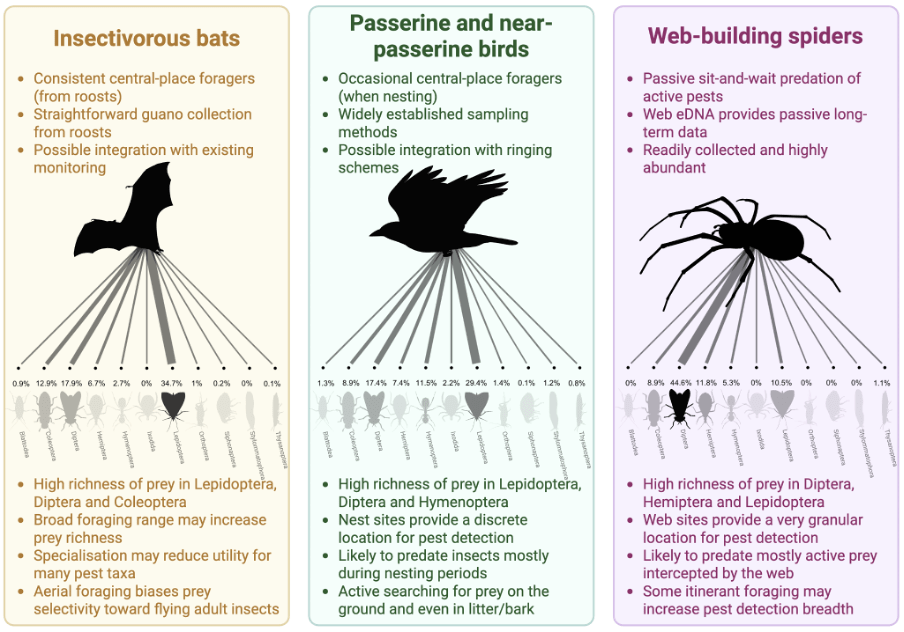
Check out this new preprint, now live on EcoEvoRxiv, from a Scottish Government-commissioned collaboration across Forest Research, Fera Science Ltd. and Newcastle University, led by Kyle Miller: Evaluating the potential of molecular dietary analysis of predators for the detection of emerging plant pests Monitoring plant pests is crucial for maximising yields across agricultural and forestContinueContinue reading “New preprint: Evaluating the potential of molecular dietary analysis of predators for the detection of emerging plant pests”
FERG News June 2026
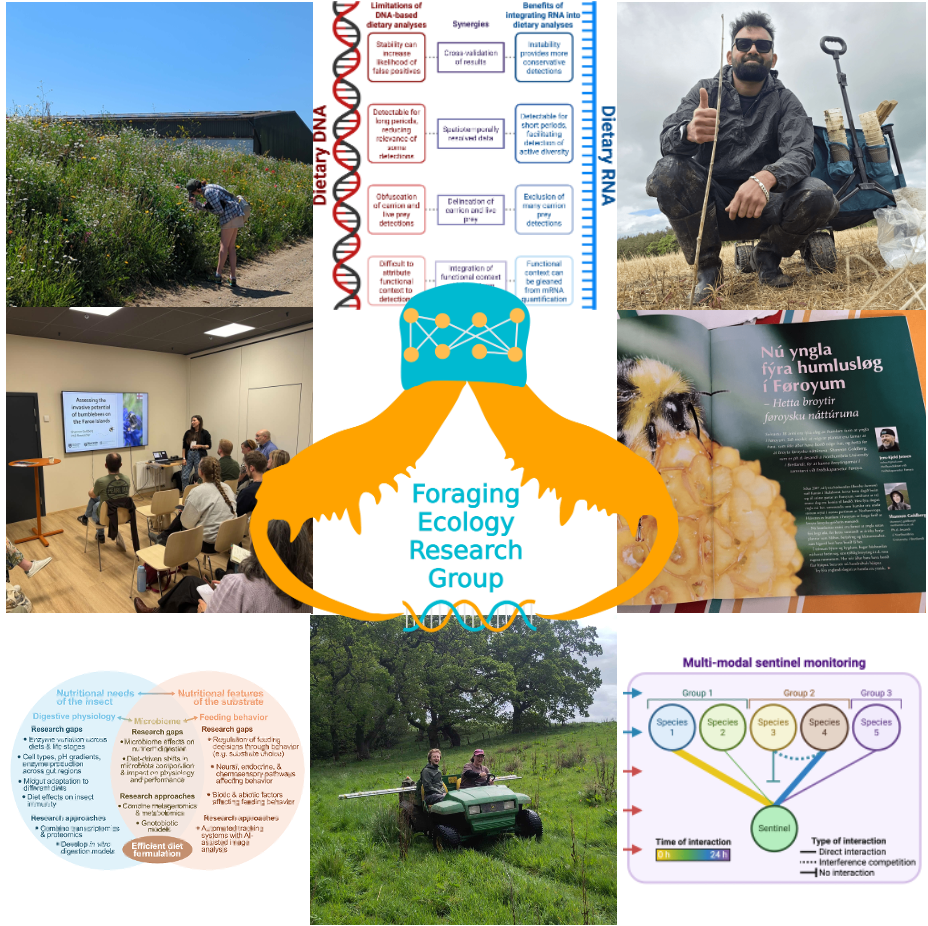
Spring has now truly sprung, just as many of us have swung into action for this year’s field experiments! We’ve had a few other year-round or winter-based field experiments wrapping up too, and it’s been a busy month for papers, preprint and protocols! There’s still time to register for Rosy’s online talk about her PhDContinueContinue reading “FERG News June 2026”
NEW PAPER: Dietary RNA: integration of RNA data offers a potential paradigm shift for molecular dietary analyses
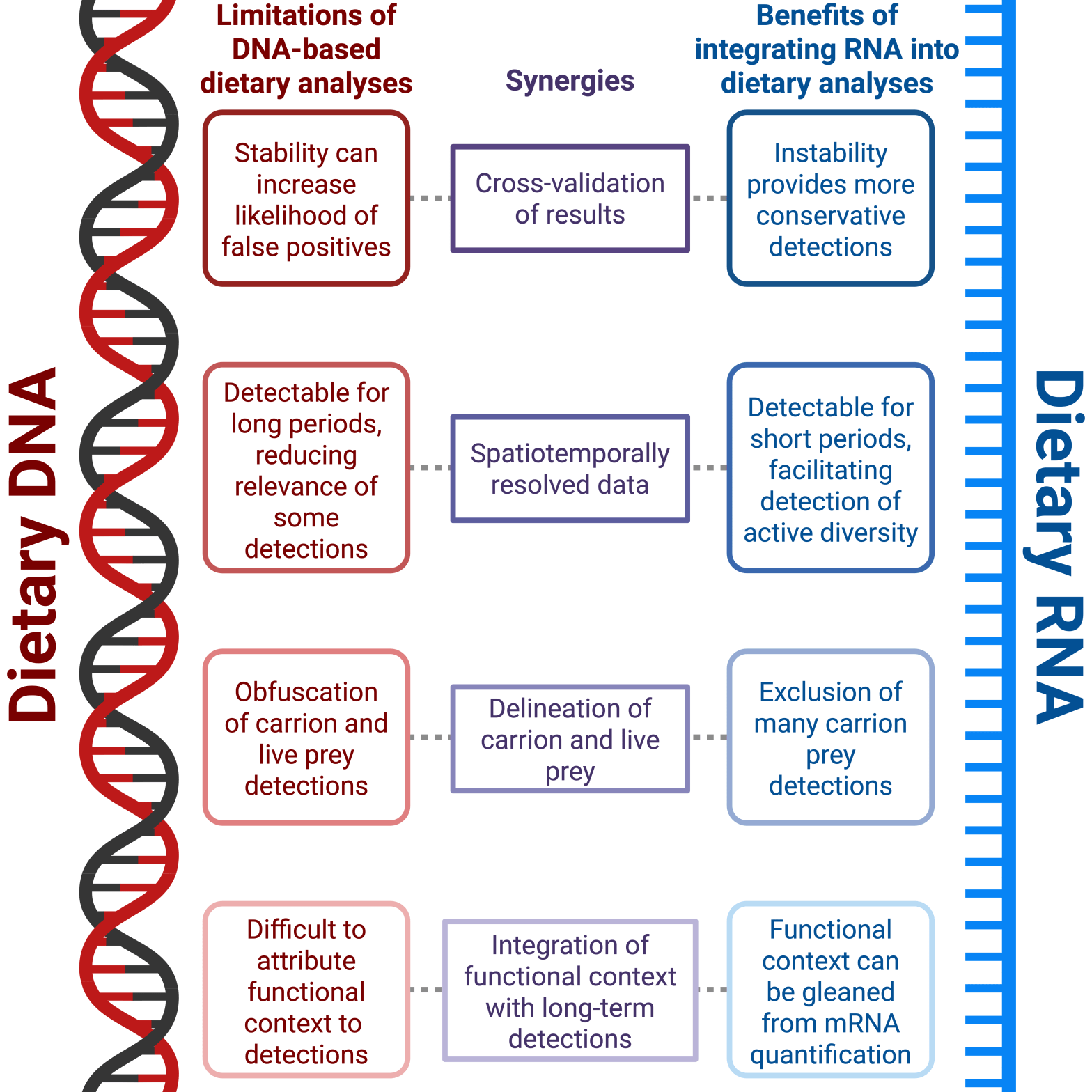
Check out this new paper that Jordan led with an incredible team of researchers across Newcastle University (including our very own Ben Hawthorne) and the University of Innsbruck, now published in Molecular Ecology Resources! Dietary RNA: integration of RNA data offers a potential paradigm shift for molecular dietary analyses It’s been just over two decadesContinueContinue reading “NEW PAPER: Dietary RNA: integration of RNA data offers a potential paradigm shift for molecular dietary analyses”
New preprint: Expanding the sentinel approach through multimodal integration: resolving underlying ecological processes with eDNA and computer vision
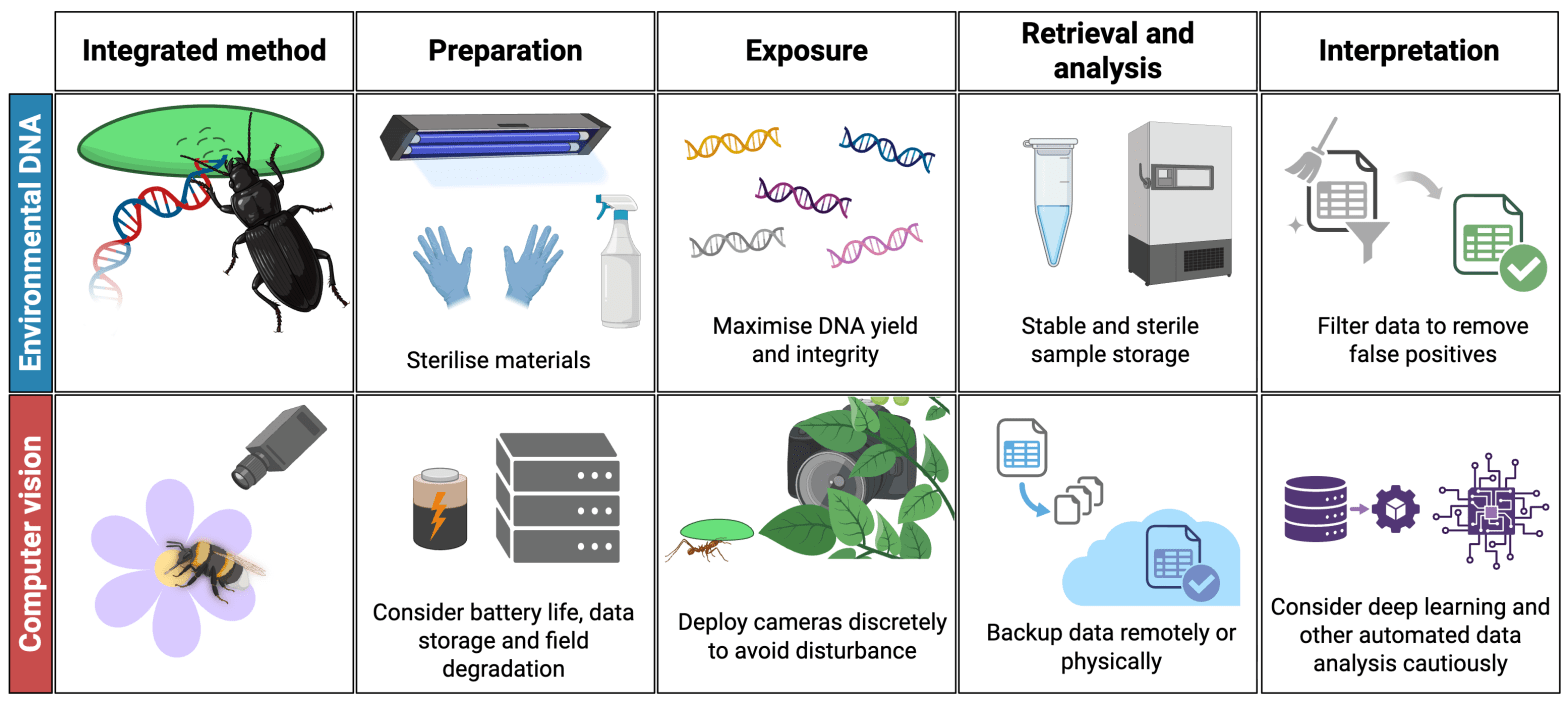
Check out this new preprint, now live on EcoEvoRxiv, from a collaboration co-led by Jordan and Yuval Cohen: Expanding the sentinel approach through multimodal integration: resolving underlying ecological processes with eDNA and computer vision Sentinel approaches can quantify in-field ecological interactions and processes in a semi-controlled way, also reducing bias and labour. The assignment ofContinueContinue reading “New preprint: Expanding the sentinel approach through multimodal integration: resolving underlying ecological processes with eDNA and computer vision”
NEW PAPER: Knowledge gaps in feeding physiology, microbiome and behavior of insects for food and feed: overcoming barriers to advancing insect rearing through interdisciplinarity, standardization, and emerging technologies
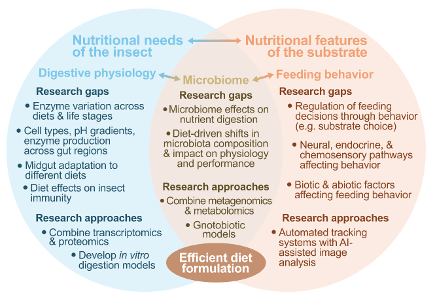
Check out this new paper published as an output of the Group on Insect Nutrition To Open Nutritional Innovative Challenges (GIN-TONIC) Cost Action! Jordan contributed to this alongside an incredible team of researchers spanning 15 institutions and 12 countries, and it’s now published in Journal of Insects as Food and Feed! Knowledge gaps in feedingContinueContinue reading “NEW PAPER: Knowledge gaps in feeding physiology, microbiome and behavior of insects for food and feed: overcoming barriers to advancing insect rearing through interdisciplinarity, standardization, and emerging technologies”

